-
+86-574-62166708
-
-


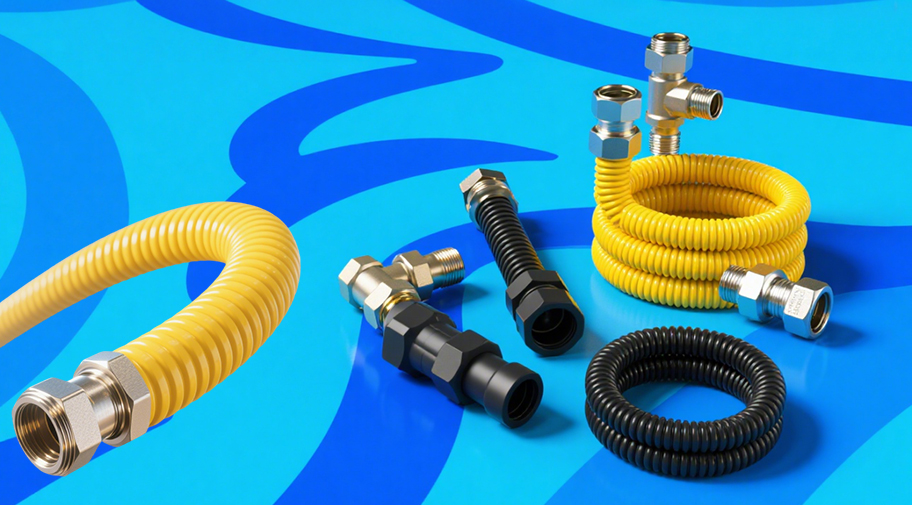




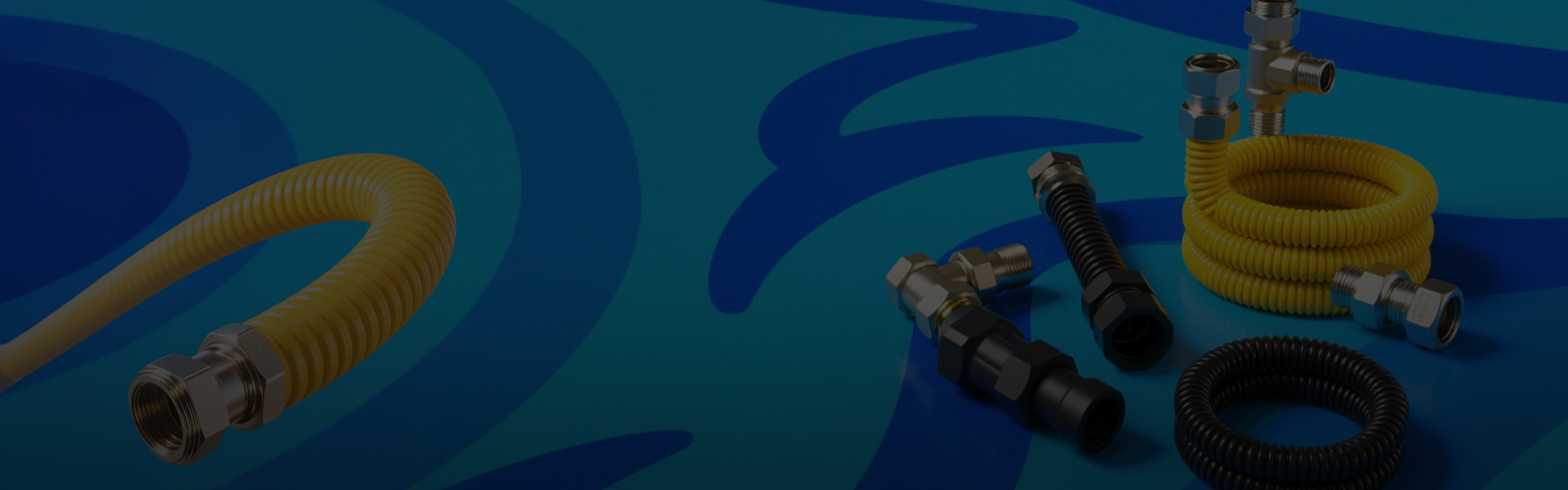
Select the product you want
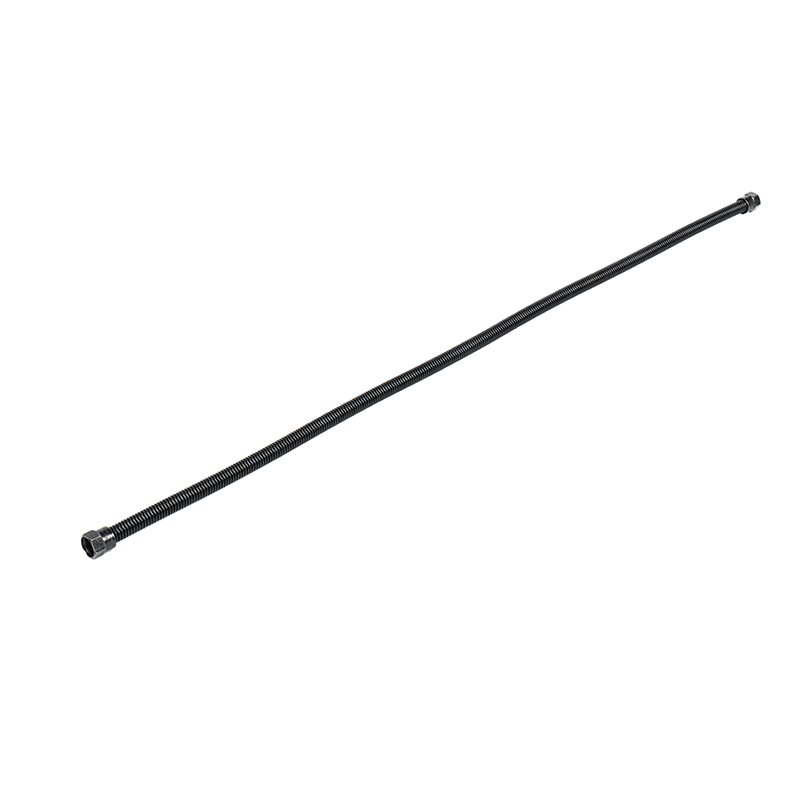
Size: 12"/18"/24"/36"/48"/60"/72"
For: Stove, Gas Stove, Dryer, Water Heater, Fryer, Brazier /Fire pan.
MATERIAL: The gas connector/gas line is made of high-quality stainless steel material, which has high and low temperature resistance, flexibility, corrosion resistance, oxidation resistance, with a compression joint, it promotes a more secure metal connection and is less prone to damage, helping to extend the service life of the Stove, Gas Stove, Dryer, Water Heater, Fryer, Brazier/Fire pan, most important thing is that gas line has 100% air tightness. The dryer gas line kit has been 100% leak tested, so that you can use the safety of the buy rest assured.
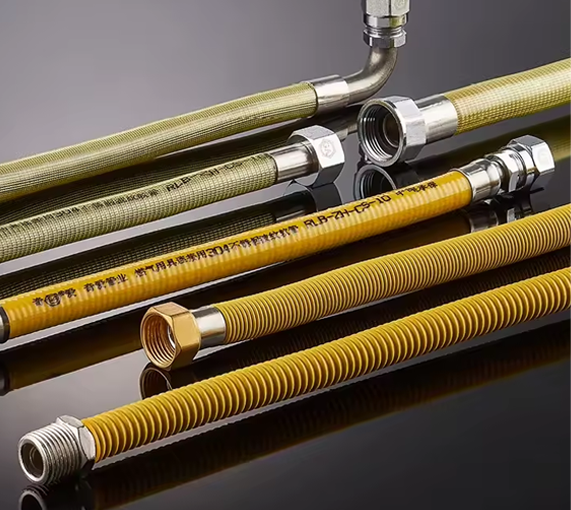
FLEXIBILITY and WIDELY APPLICABLE: Flexible stainless steel gas/gas hose for stove, gas line hose, gas stove connector kit, flexible propane gas lines, gas flex hose, gas stove hose, propane gas stove hose, gas hose for natural gas, stove hose is highly flexible and foldable, gas line can bend to narrow bends as well as corners, and yellow coating is more recognizable than stainless steel gas line hose are suitable for gas dryers, wall mounted heaters, gas logs, fireplaces, gas stoves, garage heaters, etc. Can be used indoors or outdoors/gas hose for stove, gas line hose, gas stove connector kit, flexible propane gas lines, gas flex hose, gas hose for natural gas, stove hose.
Easy installation: It only requires a wrench and a little Teflon tape to install gas hose for the stove, the gas line hose, the gas stove connector kit, the flexible propane gas lines, gas flex hose, gas stove hose, propane gas stove hose, gas hose for natural gas, stove hose, no additional connectors are reavired.
About us



Factory Area

Advanced Equipment

employees

Monthly Production (10000 meters)
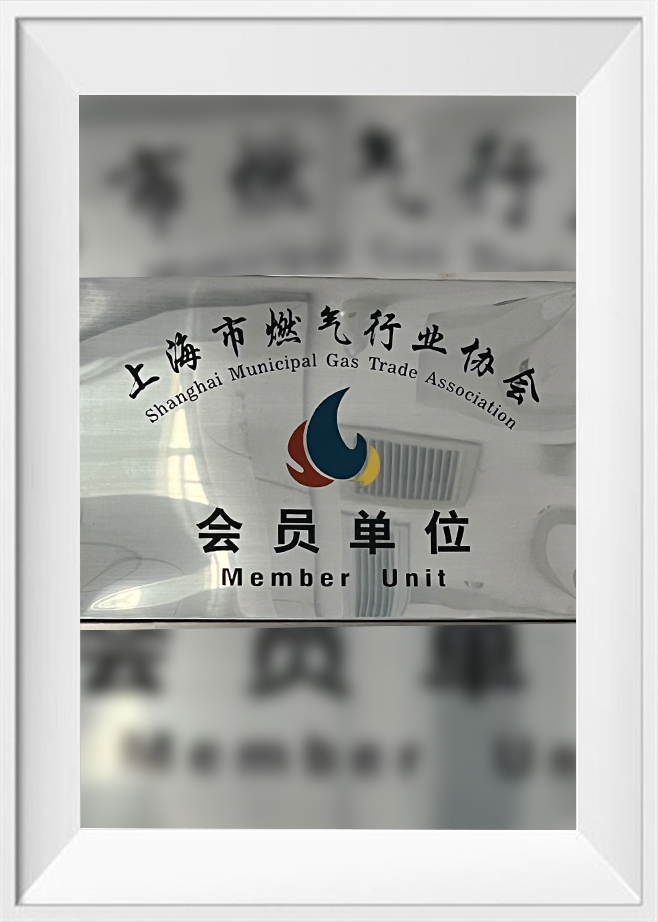
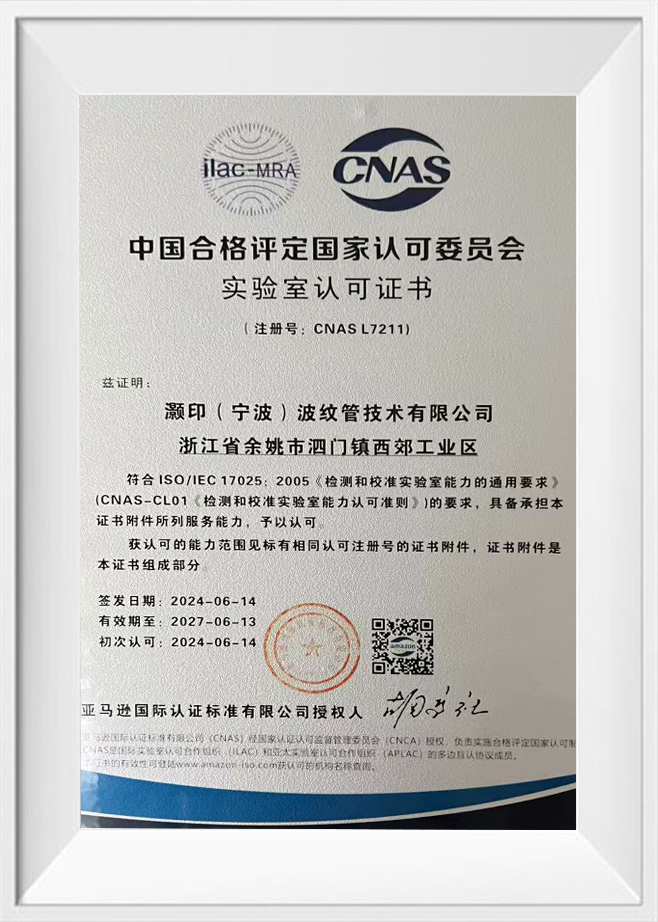
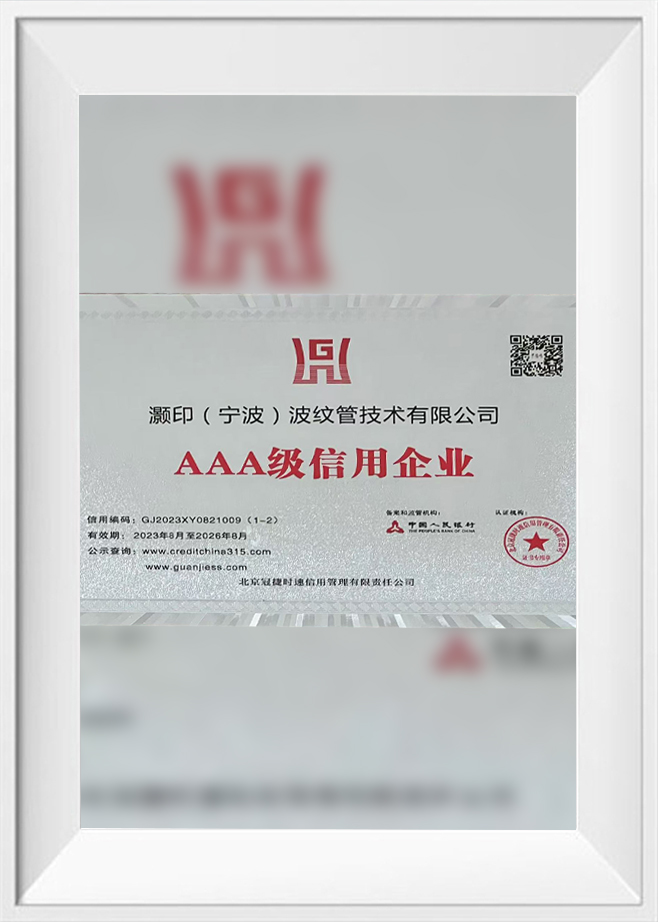
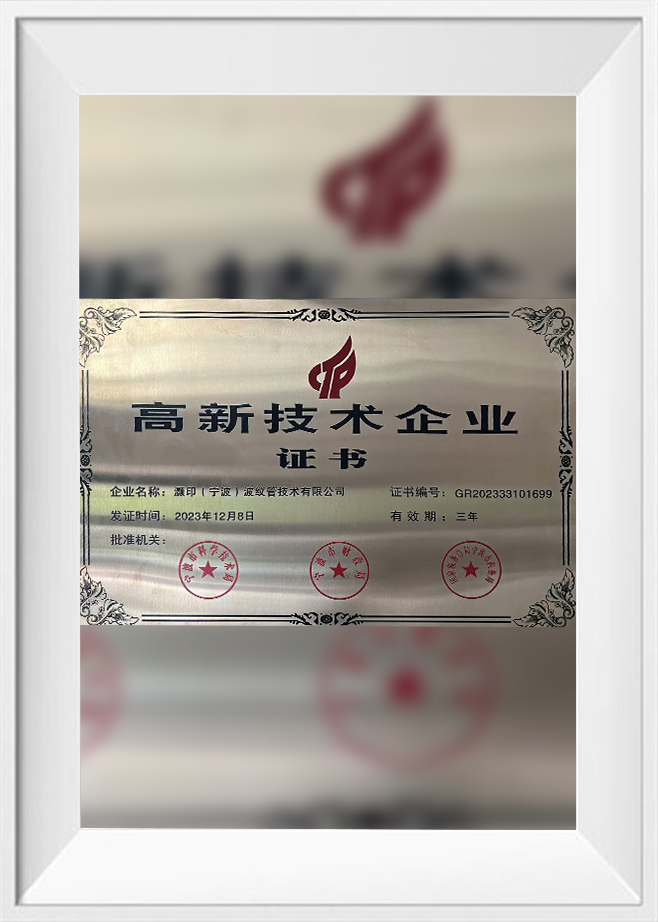
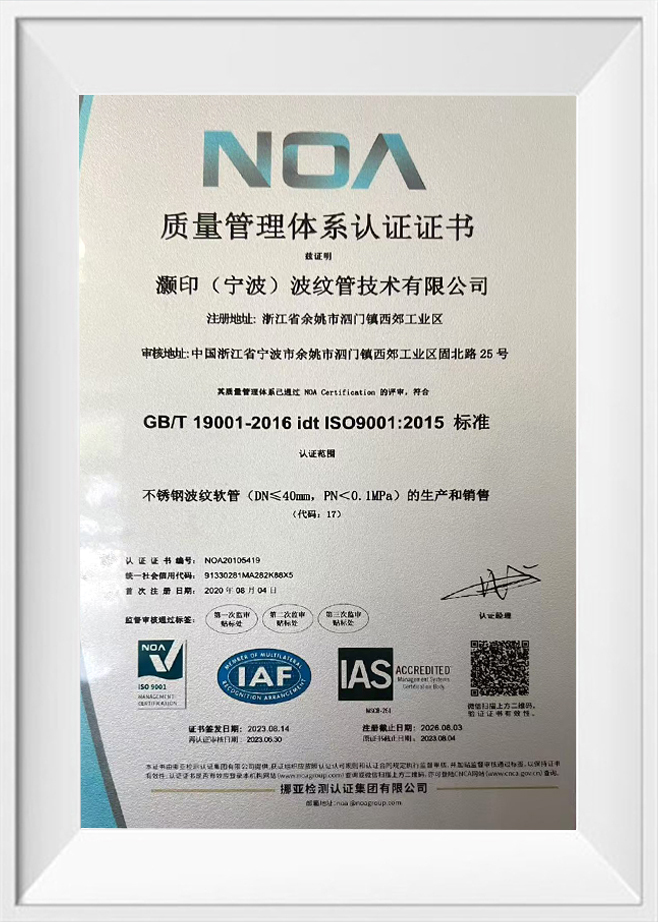
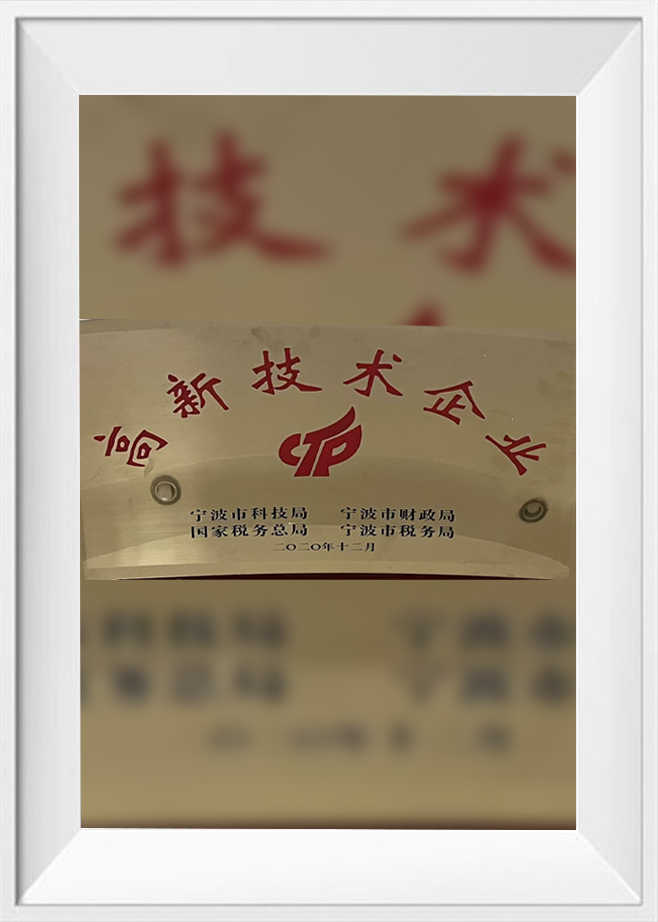
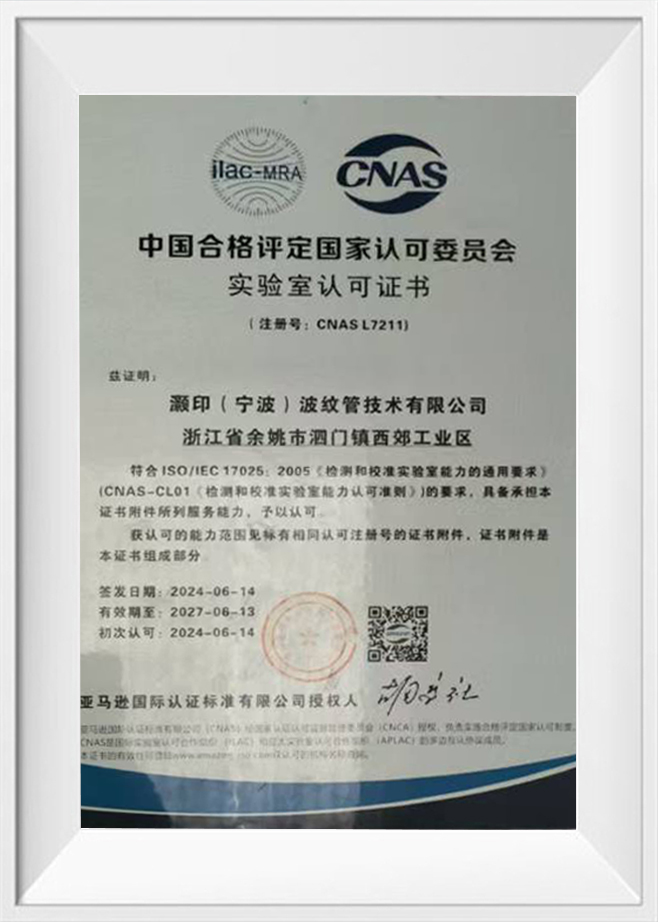
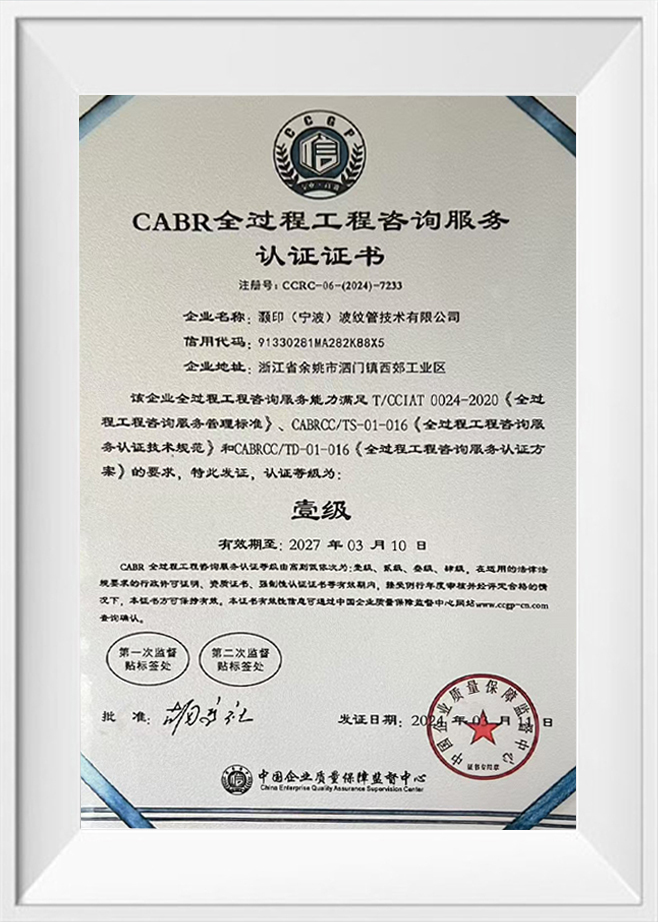
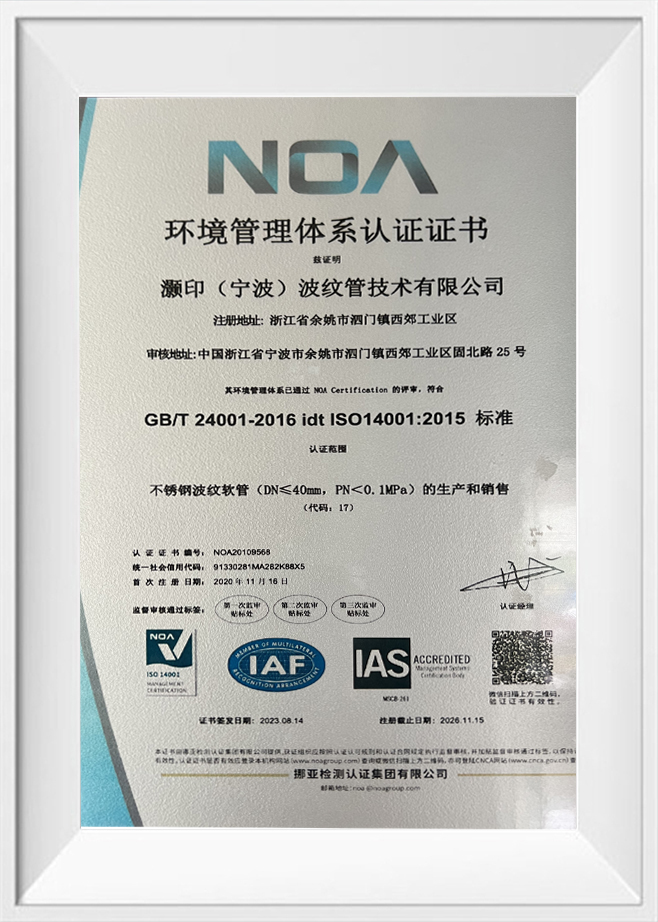
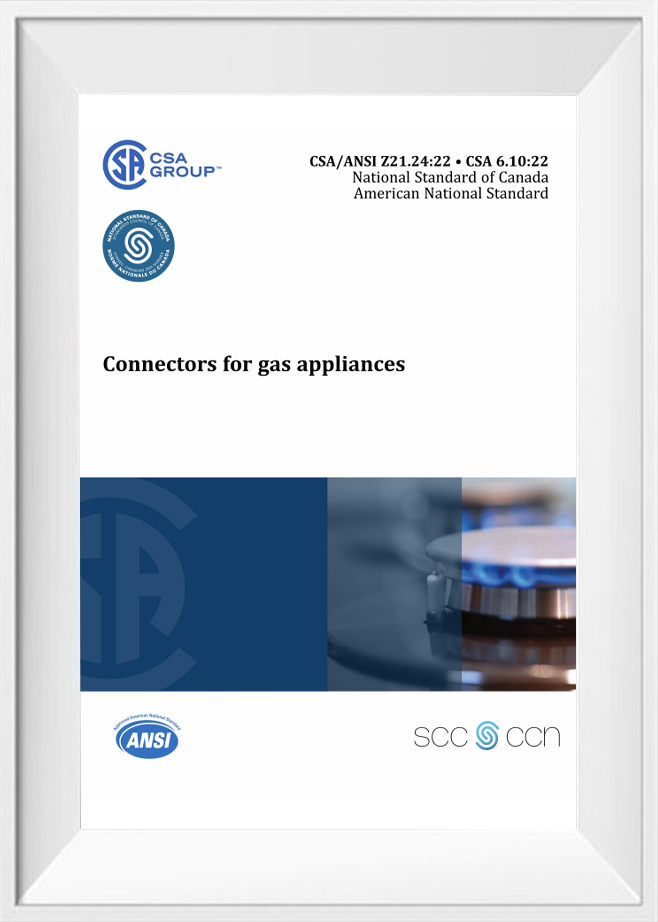
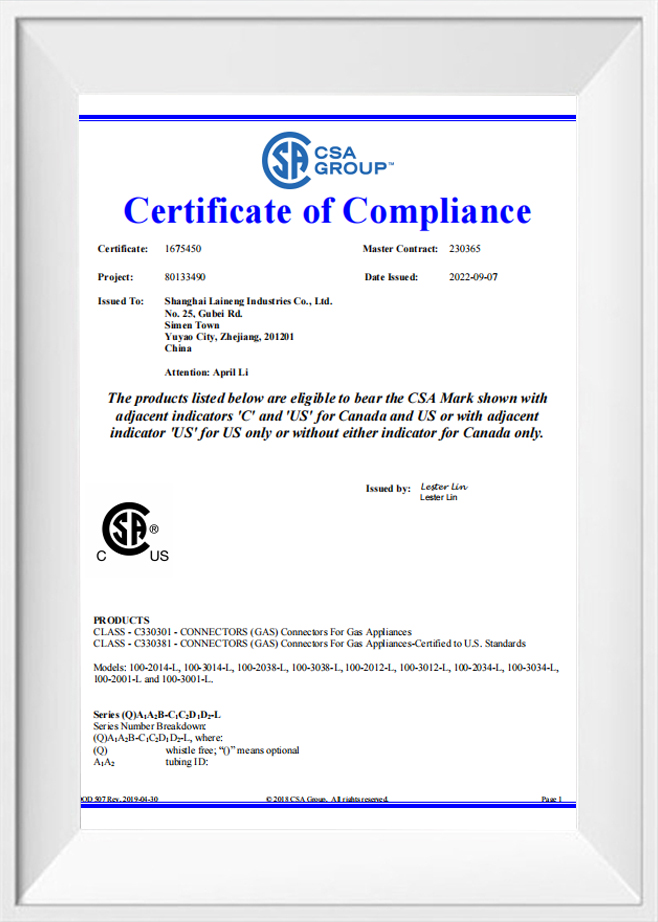
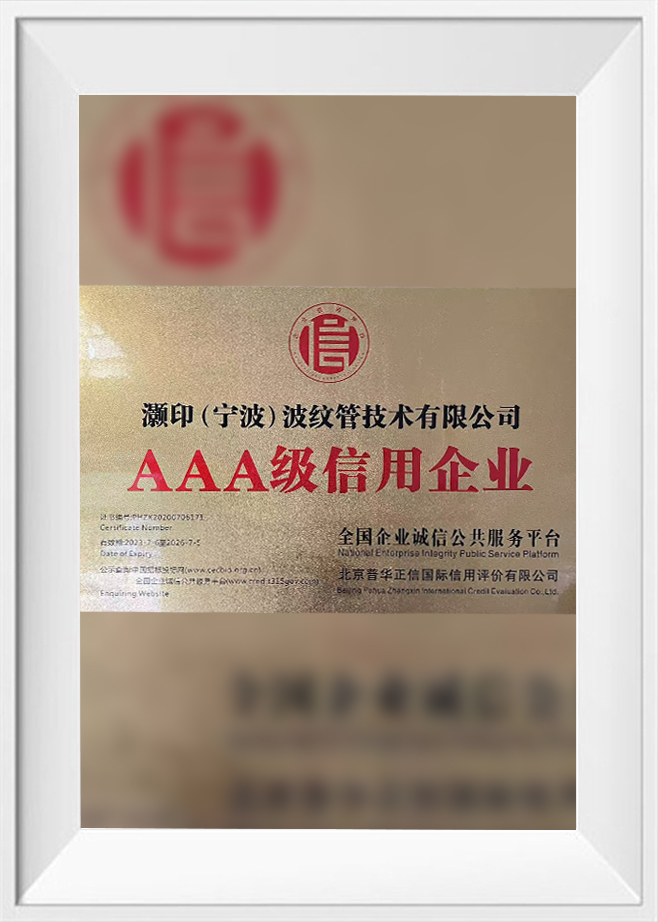
certificate
NEWS

Stainless Steel Bellows Are Better for High Performance, Rubber Bellows for Flexibility and Cost The clear answer is this: Stainless Steel Bellows are better for high-temperature, high-pressure, and corrosive environments, while rubber bel...
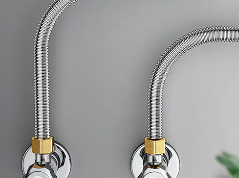
What Are Metal Hoses and Compensators, and Why Are They Essential? Metal hoses and compensators are vital components in many industrial systems. They provide flexibility, absorb movement, and offer resistance to high temperatures, pressure...
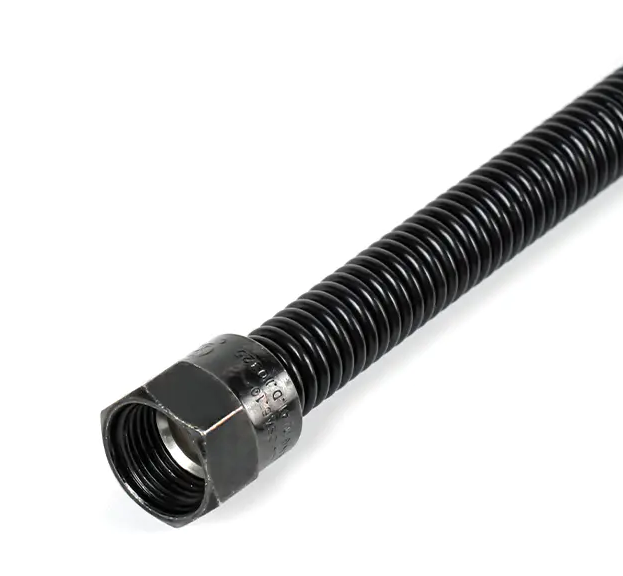
What Is the Core Advantage of Stainless Steel Bellows? The main advantage of Stainless Steel Bellows is their ability to provide flexible movement while maintaining a high-integrity seal under extreme pressure and temperature conditions. I...
1. What is a Stainless Steel Gas Connector?
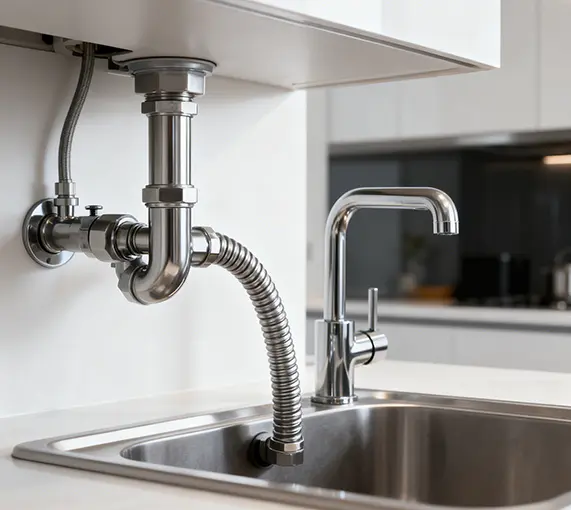
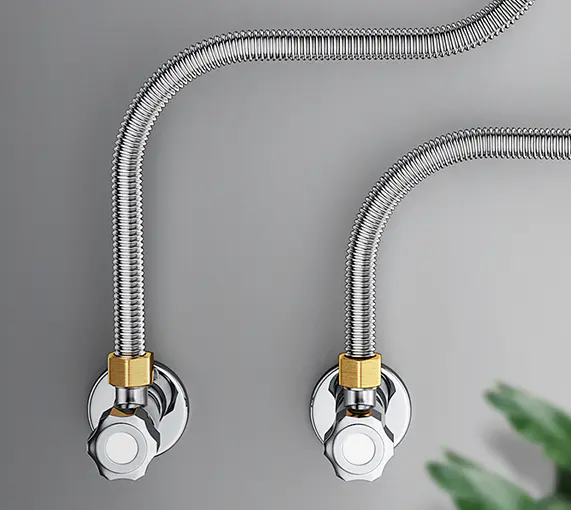
A stainless steel gas connector is a flexible gas delivery hose that uses a stainless steel corrugated tube as its main body, used to connect gas appliances (such as gas stoves, water heaters, ovens, etc.). It achieves excellent flexibility and sealing through its metal corrugated structure, while also possessing superior corrosion resistance, pressure resistance, and tensile strength, making it a widely used, high-safety connection component in modern residential and commercial gas systems.
These connectors typically consist of the following parts:
Stainless steel corrugated tube body: responsible for pressure bearing and gas delivery
Outer protective layer (such as PVC, nylon): enhances wear resistance, corrosion resistance, and impact resistance
Metal connectors at both ends (brass or stainless steel): for quick and reliable connection to gas appliances or pipelines
Sealing gasket or O-ring: ensures no leakage at the connection point
Compared to traditional rubber hoses, stainless steel gas connectors are safer, have a longer lifespan, and comply with more gas safety standards, making them the mainstream choice for modern gas connections.
Haoyin (Ningbo) Bellows Technology Co., Ltd. is a professional enterprise specializing in the R&D, design, manufacturing, and sales of stainless steel bellows. It is committed to providing safe, efficient, and durable flexible connection solutions for gas, plumbing, heating, and other fields.
2. Advantages and Features of Stainless Steel Gas Connectors
Stainless steel gas connectors play a crucial role in gas systems, and their advantages are mainly reflected in safety, durability, and applicability.
(1) High safety, less prone to leakage
The stainless steel corrugated structure gives the hose strong pressure resistance, maintaining stable sealing even under high pressure or bending conditions. The metal material does not age easily and will not crack or harden over time like rubber hoses, significantly reducing the risk of gas leaks.
(2) Strong corrosion resistance, suitable for various environments
Stainless steel materials (such as 304 or 316) have excellent corrosion resistance, maintaining long-term stability and resisting corrosion even in humid kitchens, oily environments, and environments with large temperature fluctuations.
(3) Good flexibility, easy to install
The metal corrugated hose has good bending performance and can be freely adjusted according to the installation space, suitable for narrow or complex piping environments. Installation does not require excessive force, resulting in high construction efficiency.
(4) High temperature resistance, not easily flammable
Stainless steel itself has good high-temperature resistance and will not melt or burn quickly when exposed to a fire source, reducing the risk of secondary accidents in a fire.
3. Common Problems with Stainless Steel Gas Connectors
Although stainless steel gas connectors are reliable, some common issues still need attention during use to avoid risks caused by improper operation.
(1) Can it be overstretched?
No.
Although the corrugated structure allows for some bending and stretching, forcibly stretching it may damage the corrugated structure and cause fatigue damage. Appropriate slack should be left during installation.
(2) Can it be used with different types of gas?
Yes.
Most stainless steel hoses are compatible with both natural gas (NG) and liquefied petroleum gas (LPG). However, it is still necessary to confirm the applicable gas type and working pressure indicated on the product.
(3) Can old hoses be reused?
Generally not recommended.
The hose body can be reused if it remains intact, but the sealing ring at the connector may deform due to repeated installation, increasing the risk of leakage. Therefore, it is recommended to use a new hose when replacing equipment.
(4) Is it suitable for use embedded in walls?
No.
Gas hoses are not recommended for concealed installation because they cannot be inspected or maintained, and damage due to damp environments or external pressure can pose a safety hazard. Dedicated metal gas pipes should be used for concealed installations.
(5) When does it need to be replaced?
It must be replaced immediately if any of the following occurs:
The corrugations are significantly flattened
The outer PVC or protective layer is damaged
The connector is severely rusted
A noticeable gas leak odor is present
Bubbles appear when tested with soapy water
Safety is always paramount; users should not ignore any abnormalities.
Frequently Asked Questions about Stainless Steel Gas Connectors:
| Component | Frequency | Tool/Method | Action if Failed |
| External Condition | Monthly (Visual) | Flashlight, mirror | Replace if damage exceeds 10% of surface area |
| Leak Test | Quarterly | Soap solution, pressure gauge | Tighten fittings or replace |
| Movement | Semi-annually | Manual movement test | Realign or replace stiff sections |
| Anchors/Guides | Annually | Torque wrench, level | Retorque to spec (typically 25-30 Nm) |
| Bellows | Annually | Magnifying glass | Replace if >3 visible cracks |
| Insulation | Pre-winter | Thermal imaging | Repair torn insulation |
4. Stainless Steel Gas Connector FAQ (Frequently Asked Questions)
Q1: Will stainless steel gas connectors rust?
A1: Generally no. High-grade 304 or 316 stainless steel is used, which has strong corrosion resistance, but attention should still be paid if exposed to strong acid or alkaline environments for a long time.
Q2: Is Teflon tape (sealant tape) needed during installation?
A2: It depends on the type of interface.
Some hoses have sealing gaskets and do not require Teflon tape, while threaded interfaces require a sufficient amount of tape to ensure a proper seal.
Q3: What is the lifespan of a stainless steel gas connector?
A3: It typically lasts 10–15 years, but it is recommended to inspect it annually and replace it immediately if any damage is found.
Q4: Can it be used outdoors?
A4: Yes, but ensure you choose a model with UV protection on the outer layer and avoid prolonged exposure to extreme environments.
Q5: What are the reasons for leaks in stainless steel connectors?
A5: The most common reasons include:
Improper installation of the connector
Aging of the sealing gasket
Impact or crushing damage to the pipe body
Exceeding the lifespan
Incompatible interface type
Haoyin (Ningbo) Bellows Technology Co., Ltd.





 English
  Español