




 English
  Español
  русский


What Is the Core Advantage of Stainless Steel Bellows?
The main advantage of Stainless Steel Bellows is their ability to provide flexible movement while maintaining a high-integrity seal under extreme pressure and temperature conditions. In practical applications, stainless steel bellows can withstand operating pressures above 10 MPa and temperatures exceeding 600°C, making them ideal for demanding industrial environments such as chemical processing, power generation, and aerospace systems.
Compared with rubber or plastic expansion components, stainless steel bellows offer superior corrosion resistance, longer service life, and stable mechanical performance, which directly reduces maintenance frequency and total operating costs.
How Do Stainless Steel Bellows Work in Industrial Systems?
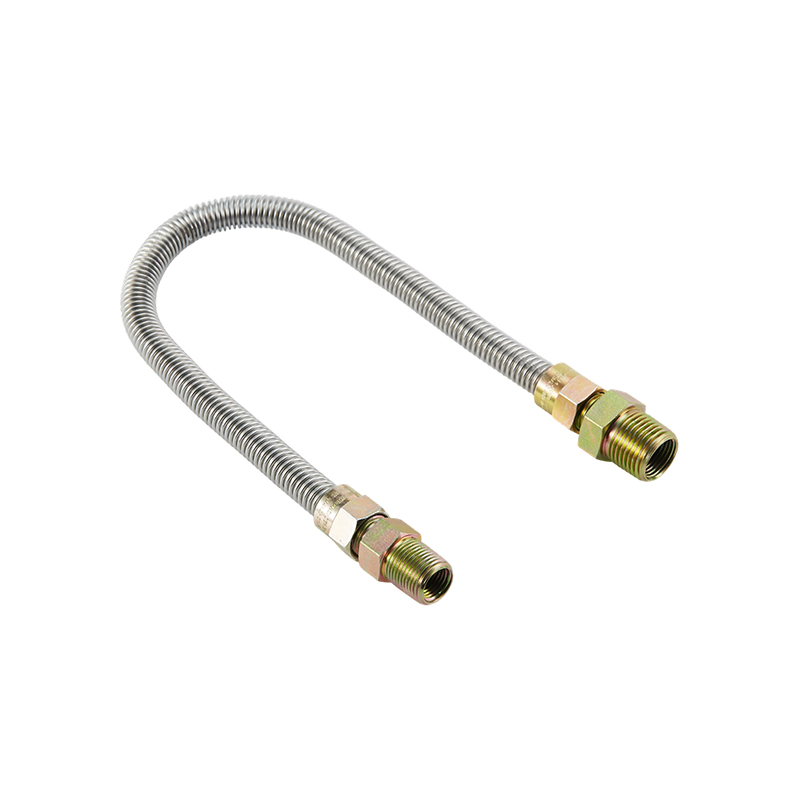
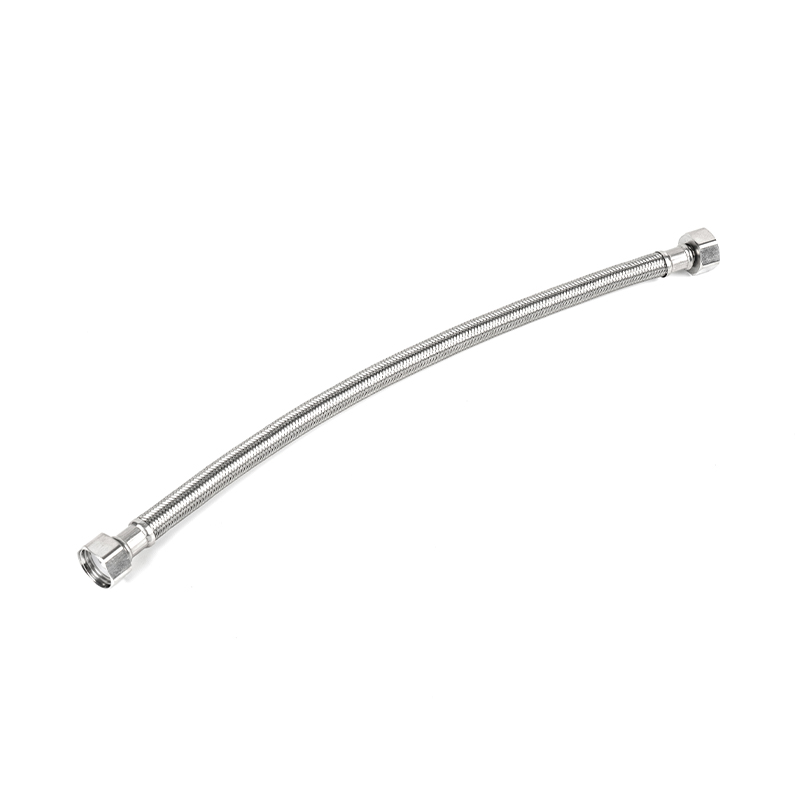
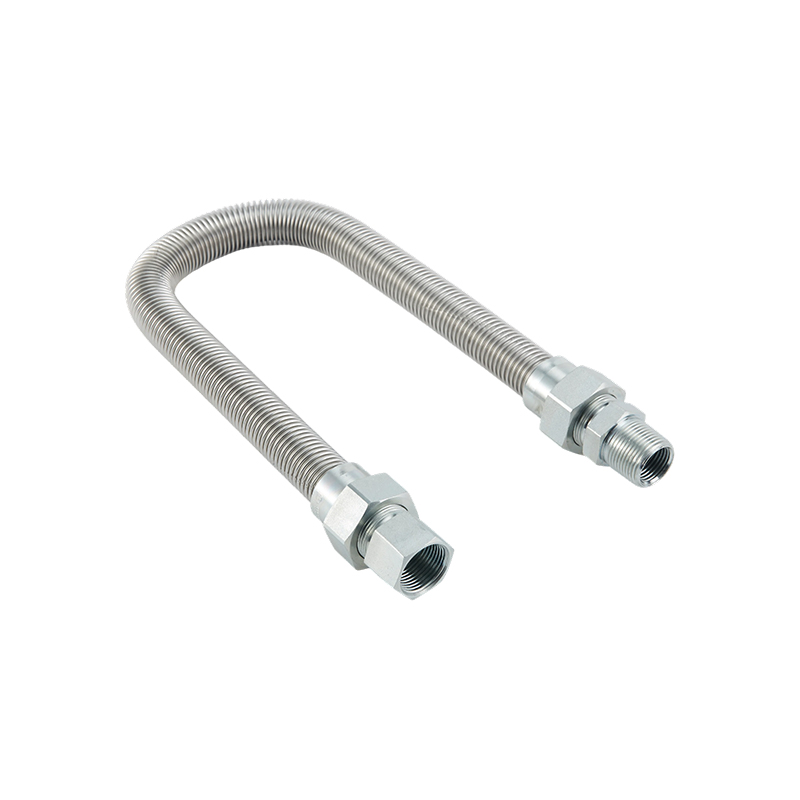
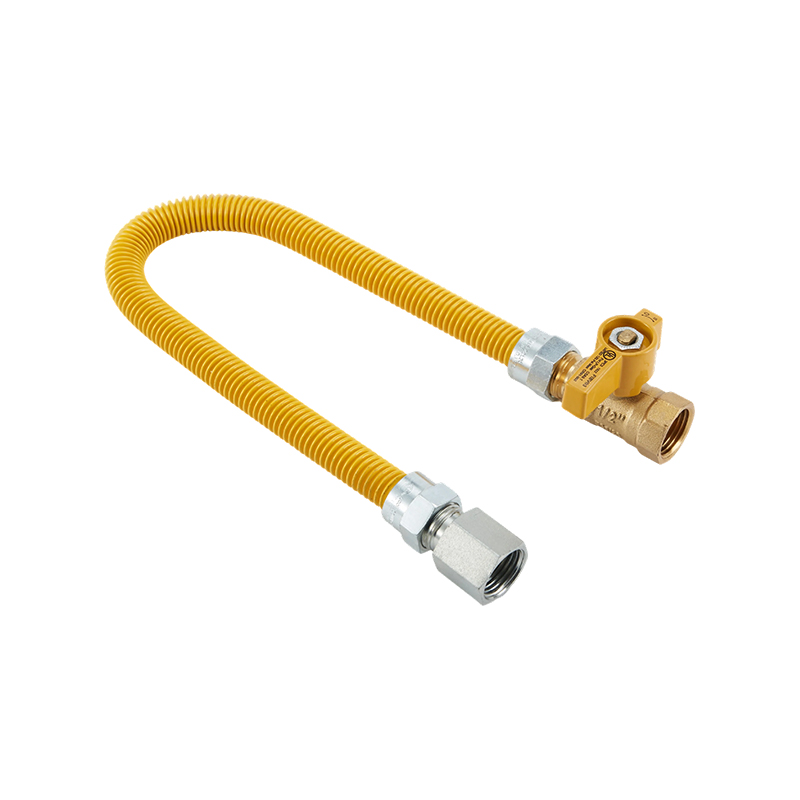
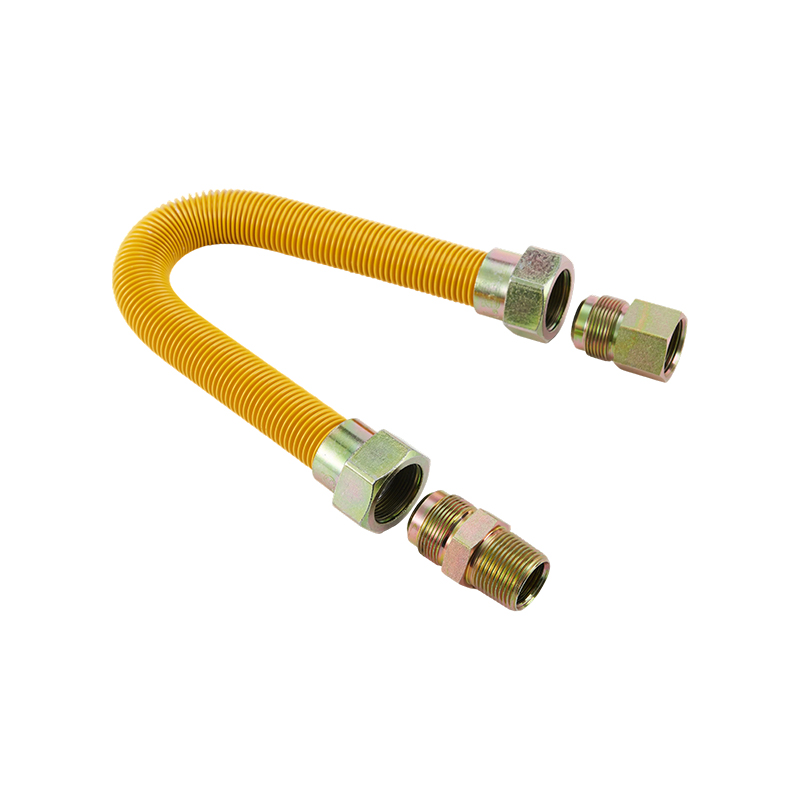
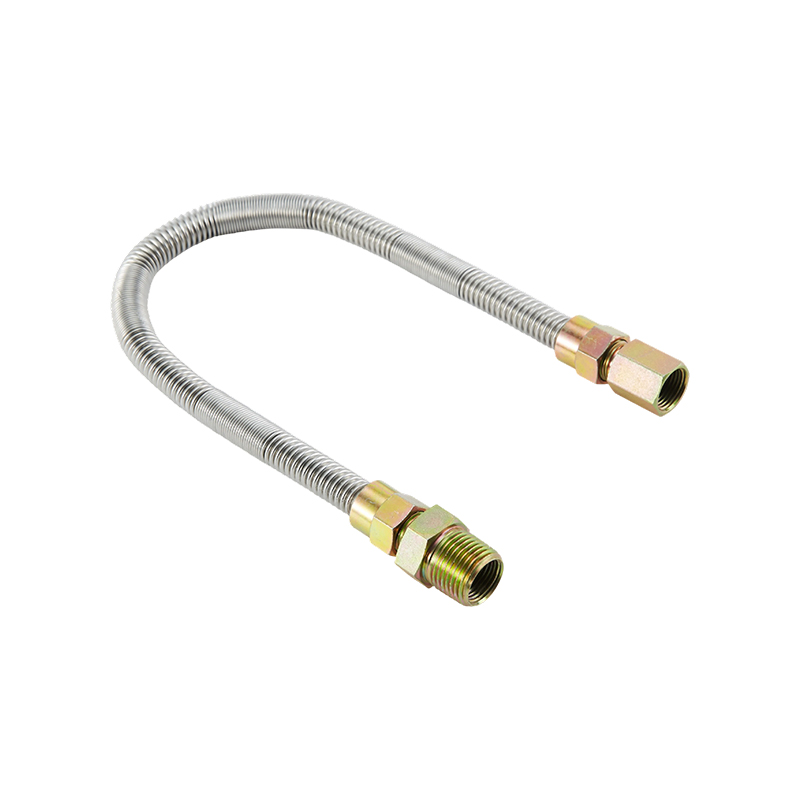
Stainless steel bellows are thin-walled, corrugated metal components designed to absorb axial, lateral, and angular movements. Their corrugated structure allows elastic deformation while maintaining pressure containment.
Key Functional Mechanisms
- Axial compensation: absorbs pipeline expansion caused by temperature changes.
- Vibration isolation: reduces mechanical vibration transmission.
- Pressure sealing: ensures leak-free performance in fluid and gas systems.
For example, in steam pipelines, temperature fluctuations of 200–300°C can cause significant thermal expansion. Stainless steel bellows compensate for this movement, preventing stress concentration and pipe deformation.
Where Are Stainless Steel Bellows Commonly Used?
Stainless steel bellows are widely used across multiple industries due to their adaptability and durability.
| Industry | Main Function | Typical Benefit |
|---|---|---|
| Chemical Processing | Corrosion-resistant sealing | Reduced leakage risk |
| Power Generation | Thermal expansion compensation | Longer pipeline lifespan |
| Aerospace | High-pressure fluid transfer | Weight reduction and safety |
How to Choose the Right Stainless Steel Bellows?
Selecting the right stainless steel bellows directly affects system performance and safety. The following parameters should be evaluated carefully.
- Material grade: Common options include SS304, SS316, and SS321, each offering different corrosion and temperature resistance levels.
- Pressure rating: Ensure the bellows can handle at least 1.5 times the system’s maximum working pressure.
- Cycle life: For dynamic systems, choose bellows rated for over 100,000 expansion cycles.
- Movement capacity: Match axial and lateral movement requirements to avoid premature fatigue.
What Are the Maintenance and Service Life Expectations?
With proper installation and routine inspection, stainless steel bellows typically achieve a service life of 8–15 years. Key maintenance practices include checking for surface cracks, monitoring abnormal vibration, and ensuring proper alignment.
Field data from industrial plants shows that systems using stainless steel bellows experience up to 30% fewer pipeline failures compared with rigid connection structures, highlighting their long-term reliability.
FAQ About Stainless Steel Bellows
Are stainless steel bellows suitable for high-temperature environments?
Yes. High-grade stainless steel bellows can operate continuously at temperatures above 600°C, depending on material selection and wall thickness.
Can stainless steel bellows handle corrosive media?
When using materials such as SS316L, stainless steel bellows provide excellent resistance to acids, salts, and chemical vapors.
How often should stainless steel bellows be inspected?
It is recommended to perform visual and performance inspections every 6 to 12 months, especially in high-load or high-temperature systems.