




 English
  Español
  русский


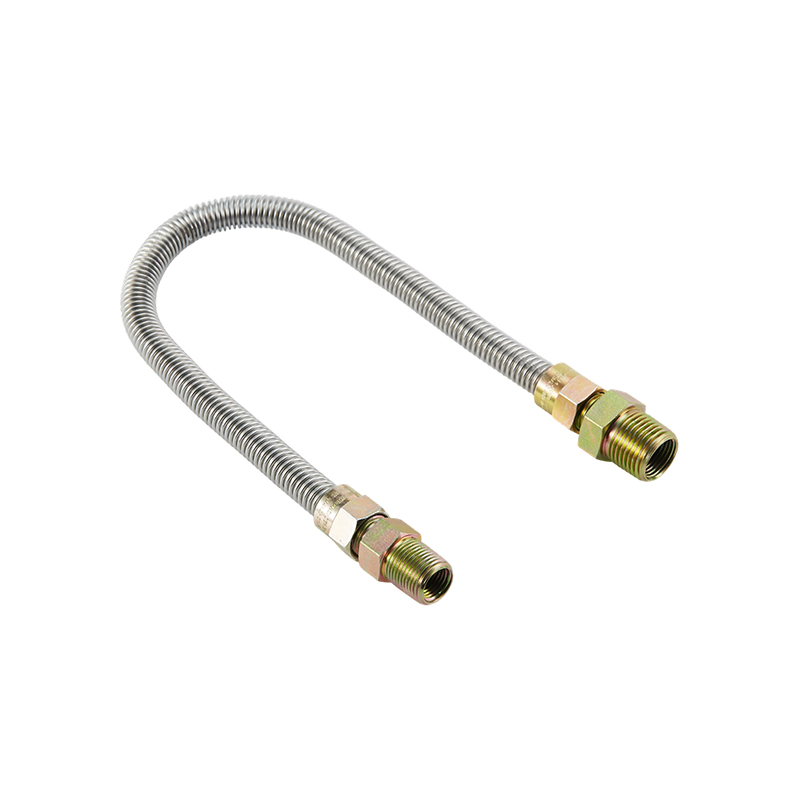
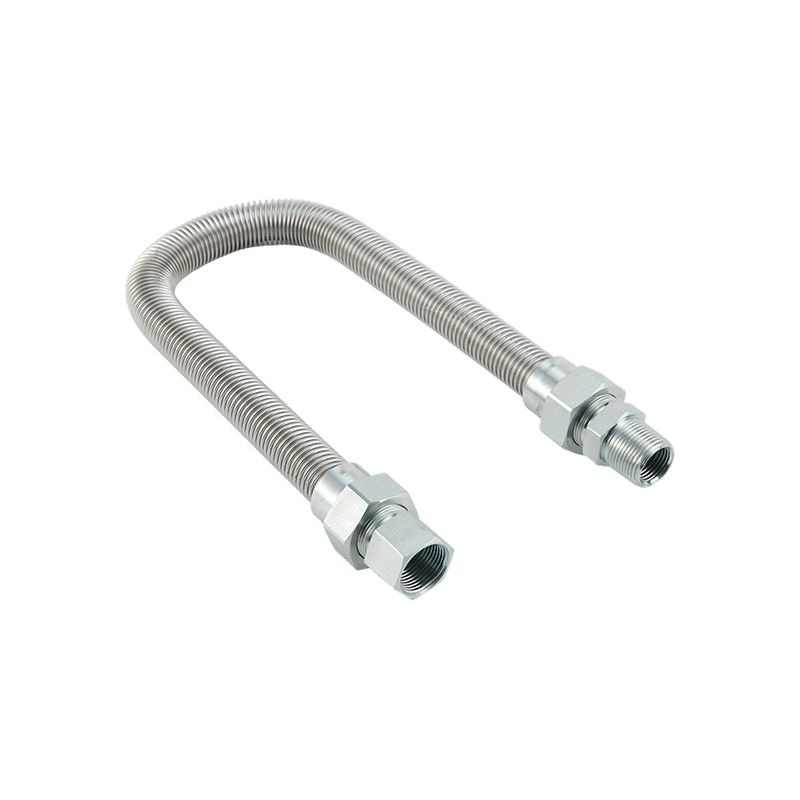
Stainless Steel Bellows Are Better for High Performance, Rubber Bellows for Flexibility and Cost
The clear answer is this: Stainless Steel Bellows are better for high-temperature, high-pressure, and corrosive environments, while rubber bellows are more suitable for low-pressure systems that require flexibility and lower upfront cost. In industrial applications where durability and safety are critical, stainless steel bellows typically deliver a 2–5 times longer service life than rubber alternatives.
However, the best choice depends on operating temperature, pressure, chemical exposure, and budget. Below is a detailed, practical comparison to help you select the right bellows type.
Material Strength and Durability Comparison
Stainless Steel Bellows: Superior Mechanical Strength
Stainless steel bellows are typically made from 304 or 316 stainless steel. They can withstand pressures exceeding 10–100 bar, depending on design. Their fatigue resistance makes them ideal for dynamic systems with frequent movement cycles (often exceeding 1,000,000 cycles).
Rubber Bellows: Flexible but Less Durable
Rubber bellows are highly elastic and absorb vibration effectively. However, they generally tolerate pressures below 10–16 bar and may degrade faster under UV exposure, ozone, or oil contact.
Temperature Resistance and Chemical Compatibility
Temperature tolerance is often the deciding factor when selecting bellows.
| Feature | Stainless Steel Bellows | Rubber Bellows |
|---|---|---|
| Temperature Range | -200°C to 600°C | -40°C to 120°C |
| Chemical Resistance | Excellent (acids, solvents) | Moderate (depends on rubber type) |
| Fire Resistance | High | Low |
If your system operates above 150°C, stainless steel bellows are generally the only safe option.
Flexibility and Vibration Absorption
Rubber bellows excel in absorbing vibration and accommodating large axial or lateral movements. In HVAC or low-pressure pump systems, rubber bellows can reduce vibration transmission by up to 70%.
Stainless steel bellows provide flexibility but are more rigid. They are better suited for precision systems where controlled movement is required rather than large deflection.
Cost and Maintenance Considerations
Rubber bellows typically have a lower initial purchase price—often 30–50% cheaper than stainless steel versions. However, they may require replacement every 2–5 years depending on operating conditions.
Stainless steel bellows, while more expensive upfront, can last 10–20 years in stable environments, reducing long-term maintenance costs.
Application-Based Selection Guide
- High-pressure pipelines: Stainless Steel Bellows
- Steam systems: Stainless Steel Bellows
- HVAC systems: Rubber Bellows
- Low-pressure water systems: Rubber Bellows
- Chemical processing plants: Stainless Steel Bellows
Stainless Steel Bellows FAQ
Are Stainless Steel Bellows more durable than rubber bellows?
Yes. In high-pressure and high-temperature applications, they can last 2–5 times longer than rubber bellows.
When should I choose rubber bellows instead?
Choose rubber bellows for low-pressure systems requiring high flexibility and vibration damping.
Can Stainless Steel Bellows handle extreme temperatures?
Yes. They can operate safely from -200°C up to 600°C, depending on alloy grade.
Are stainless steel bellows corrosion-resistant?
316 stainless steel bellows offer excellent resistance to most acids and chemical environments.
Which option is more cost-effective long term?
Stainless steel bellows are usually more cost-effective long term due to longer service life and fewer replacements.
Do Stainless Steel Bellows require special maintenance?
They require periodic inspection for fatigue cracks or corrosion, but generally need less frequent replacement than rubber bellows.