




 English
  Español
  русский


What Are Metal Hoses and Compensators, and Why Are They Essential?
Metal hoses and compensators are vital components in many industrial systems. They provide flexibility, absorb movement, and offer resistance to high temperatures, pressure, and corrosive environments. These products are crucial in various applications, including HVAC, chemical processing, and automotive industries. In short, metal hoses and compensators ensure the safe and efficient transportation of fluids, gases, and powders while minimizing wear and tear on the system.
Benefits of Metal Hoses and Compensators
Both metal hoses and compensators are designed to enhance the longevity and performance of piping systems. Their benefits include:
- Flexibility: Metal hoses can bend without breaking, allowing for easy installation in tight spaces or areas that require frequent movement.
- Temperature resistance: Metal hoses and compensators can withstand extreme temperatures, making them ideal for systems that deal with high heat or cryogenic environments.
- Durability: Made from stainless steel or other durable alloys, metal hoses are resistant to abrasion, corrosion, and pressure, ensuring a long lifespan.
- Leak prevention: Compensators, in particular, help absorb expansion and contraction, preventing leaks and reducing wear on other system components.
Applications of Metal Hoses and Compensators
Metal hoses and compensators are used in a variety of industries and applications. Some of the most common ones include:
- Automotive: Metal hoses are used for fluid and gas transfer in engines, exhaust systems, and air conditioning systems.
- Chemical and petrochemical: These hoses are ideal for transporting aggressive chemicals and gases that could corrode standard hoses or piping.
- HVAC: Metal compensators absorb thermal expansion in heating, ventilation, and air conditioning systems to prevent damage to pipes.
- Industrial: Compensators are used to manage mechanical stress and vibrations in manufacturing equipment and piping systems.
How Metal Hoses and Compensators Work
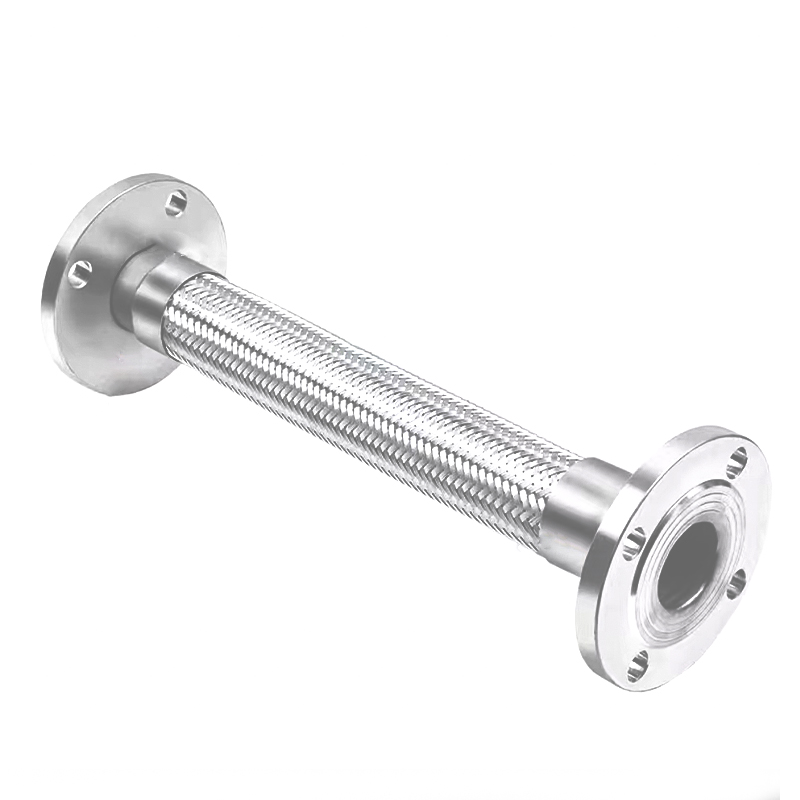
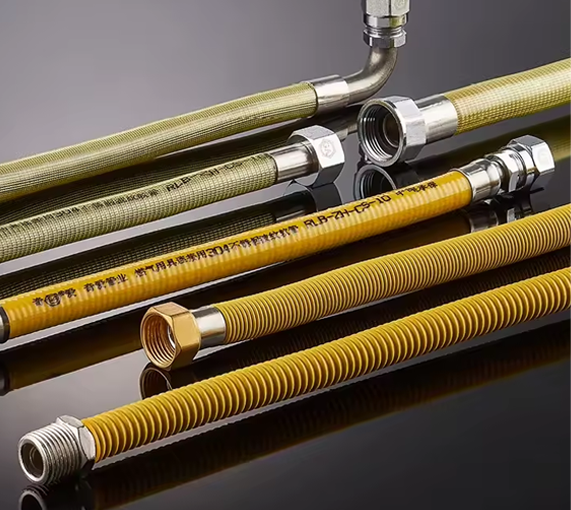
Metal hoses are constructed from metal braid and flexible inner tubing, which allows them to bend while maintaining strength and durability. Compensators, on the other hand, consist of flexible bellows that can absorb thermal expansion, contraction, and vibration in pipelines. Together, these components work to protect piping systems from damage, prevent leaks, and maintain the flow of materials through a system.
When installed correctly, metal hoses and compensators are able to withstand high pressures and temperatures while also maintaining the flexibility required to move with the system. Their durability ensures minimal downtime and fewer maintenance requirements.
Choosing the Right Metal Hose and Compensator for Your Needs
Selecting the appropriate metal hose and compensator depends on several factors, including:
- Pressure and temperature requirements: Consider the maximum pressure and temperature the hoses and compensators will need to handle in your system.
- Material compatibility: Ensure the metal hose is compatible with the materials it will transport (e.g., chemicals, gases).
- Flexibility and size: Measure the space where the hoses and compensators will be installed to ensure they can bend or expand without causing damage to the system.
- Environmental factors: Consider whether the hoses and compensators will be exposed to harsh conditions, such as UV light, chemicals, or extreme temperatures.
FAQ: Metal Hose and Compensator
Here are some frequently asked questions about metal hoses and compensators:
- Q: What is the lifespan of metal hoses and compensators? A: With proper installation and maintenance, metal hoses and compensators can last many years, even under extreme conditions.
- Q: Can metal hoses be used for both liquids and gases? A: Yes, metal hoses are versatile and can handle a variety of materials, including liquids, gases, and powders.
- Q: Are metal hoses suitable for high-pressure applications? A: Yes, metal hoses are designed to withstand high pressures, though the specific rating depends on the material and construction of the hose.