-
+86-574-62166708
-
-






Select the product you want
About us



Factory Area

Advanced Equipment

employees

Monthly Production (10000 meters)
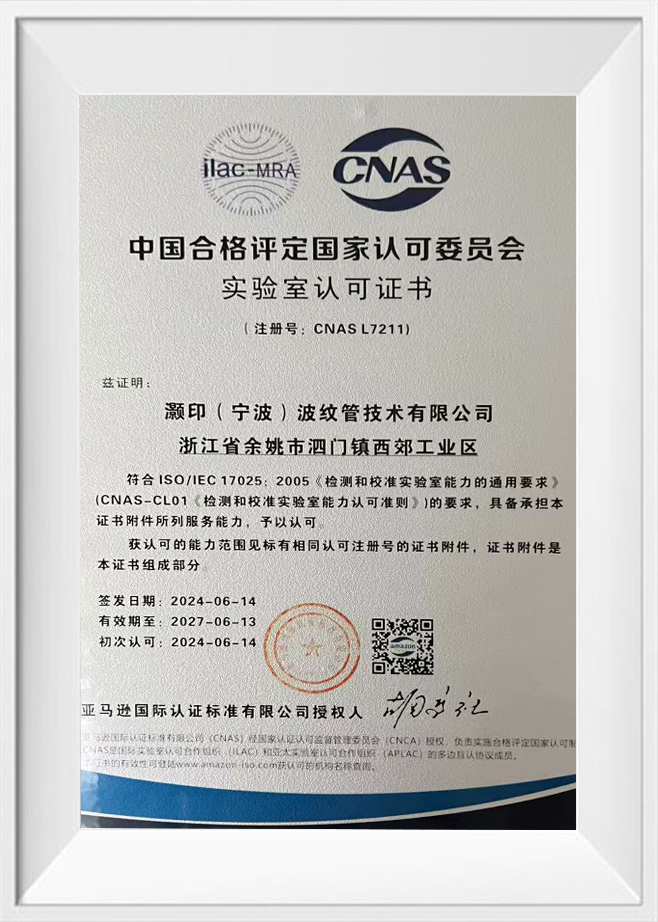
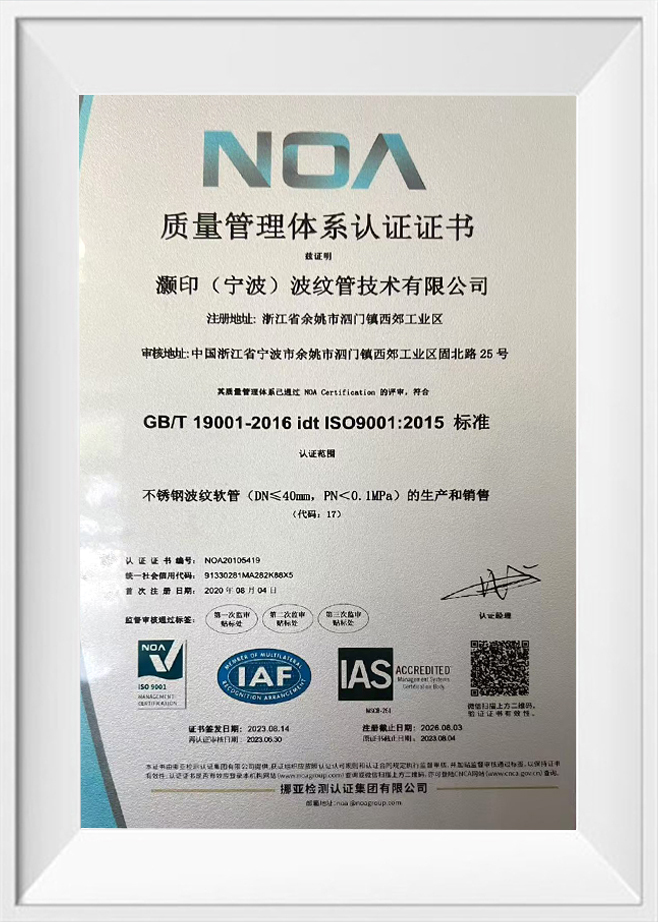
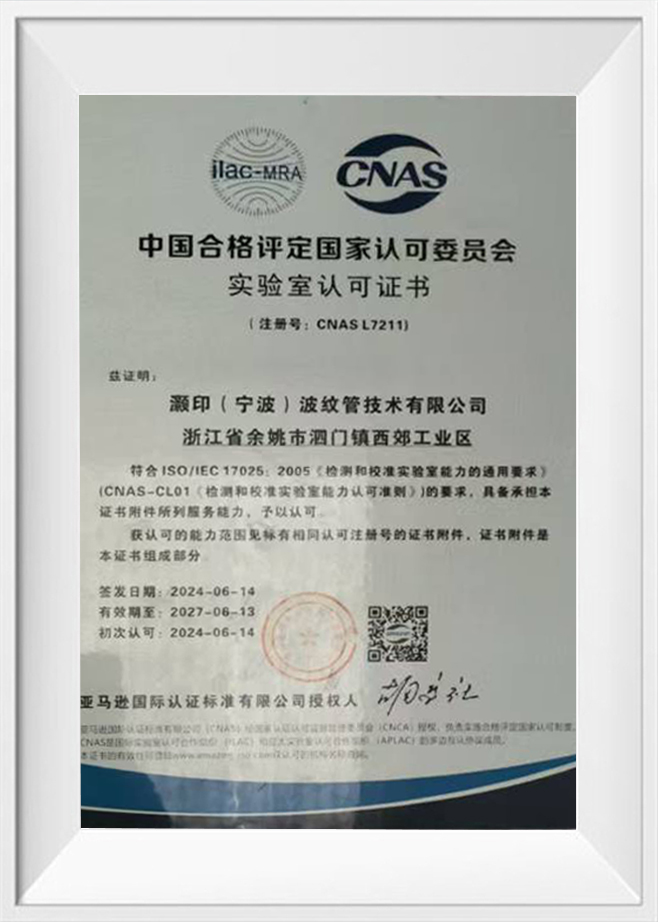
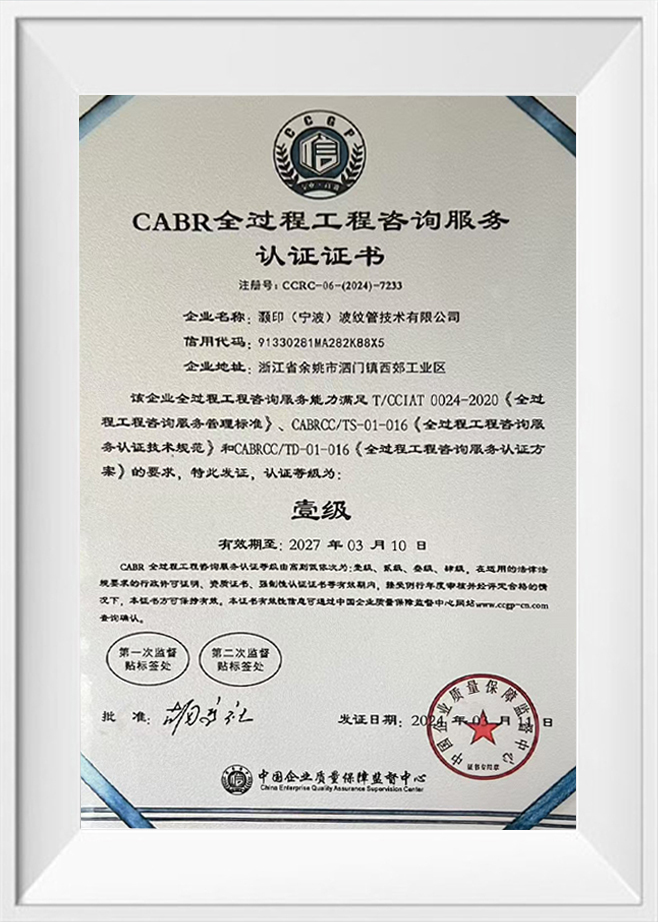
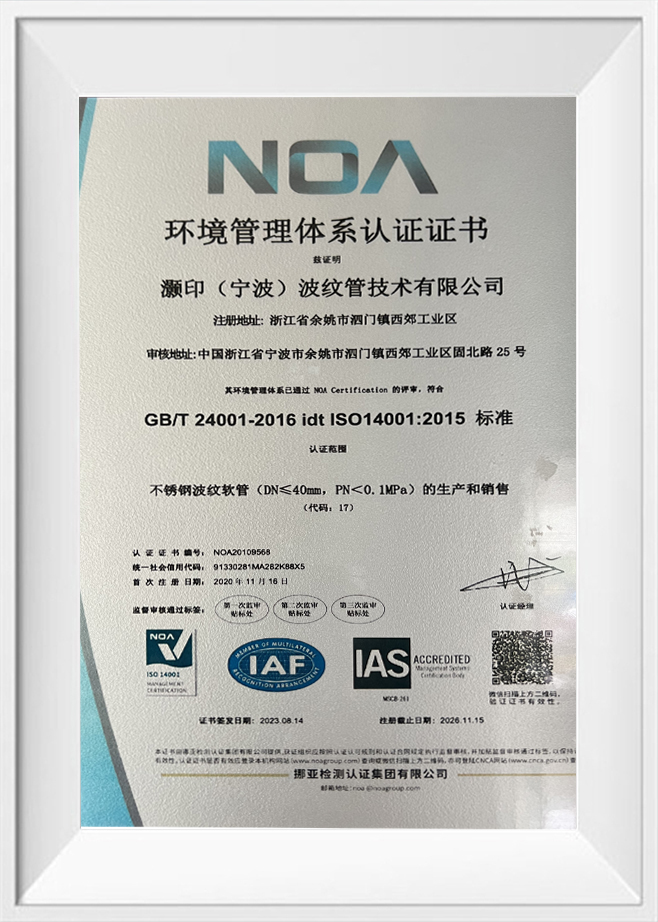
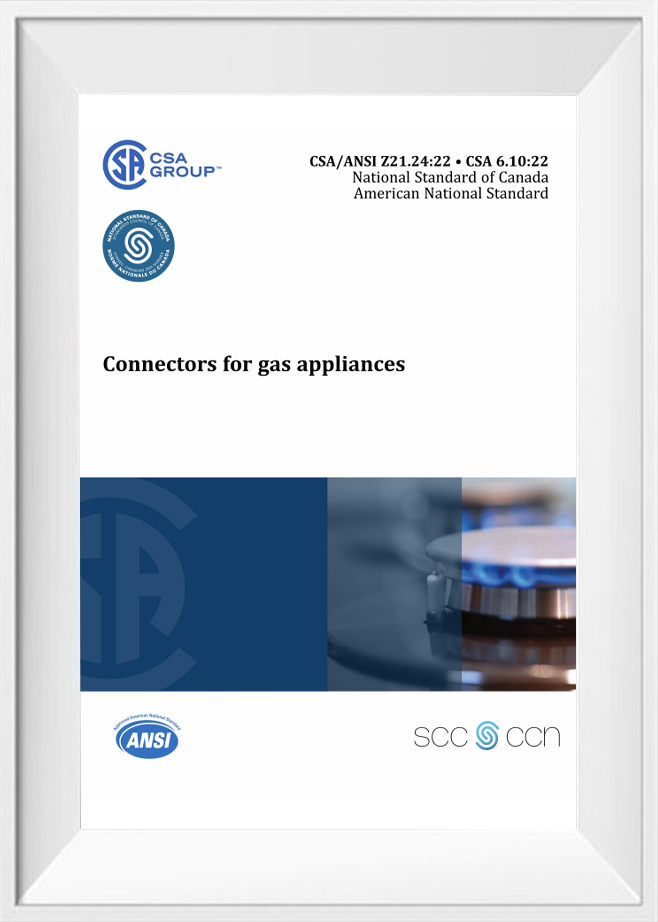
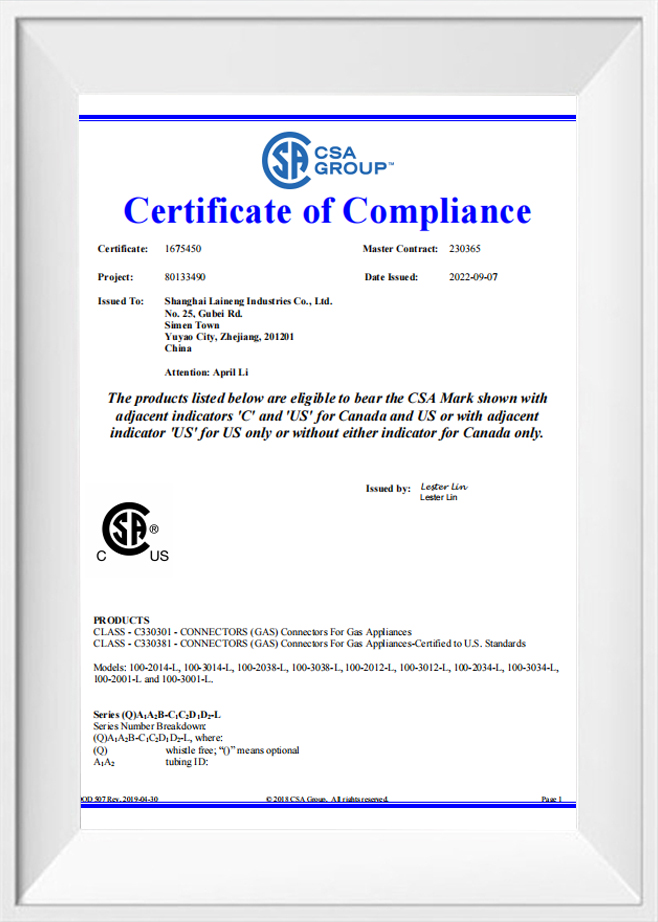
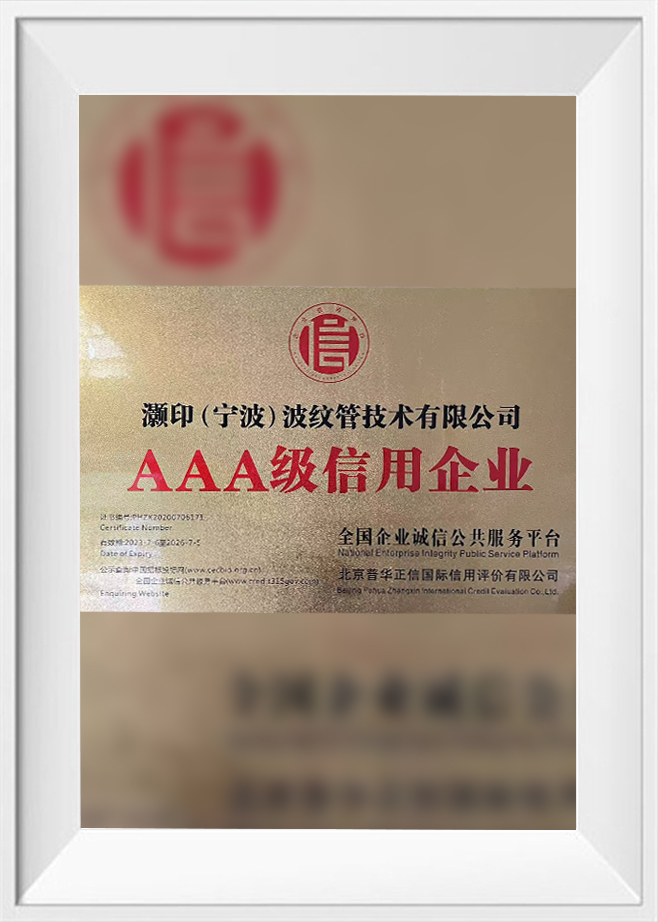
certificate
NEWS
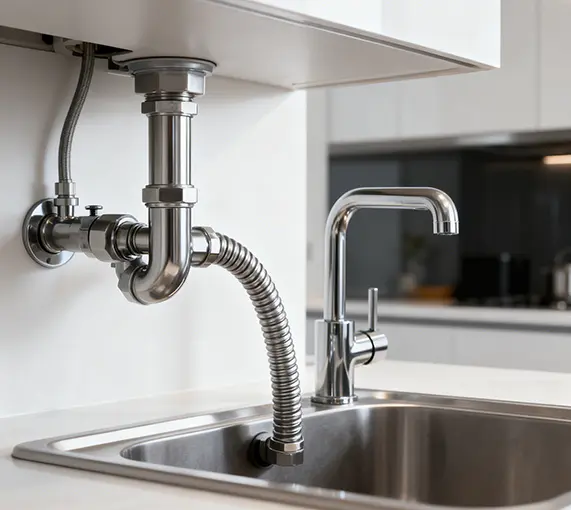

Stainless Steel Bellows Are Better for High Performance, Rubber Bellows for Flexibility and Cost The clear answer is this: Stainless Steel Bellows are better for high-temperature, high-pressure, and corrosive environments, while rubber bel...
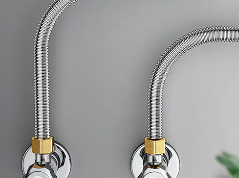
What Are Metal Hoses and Compensators, and Why Are They Essential? Metal hoses and compensators are vital components in many industrial systems. They provide flexibility, absorb movement, and offer resistance to high temperatures, pressure...
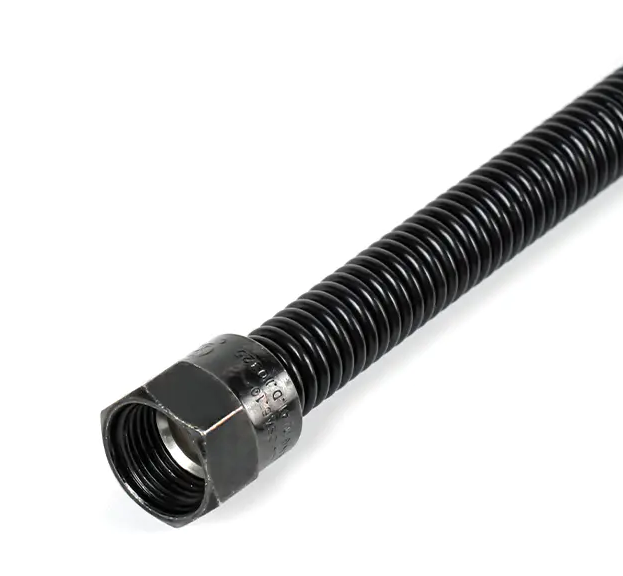
What Is the Core Advantage of Stainless Steel Bellows? The main advantage of Stainless Steel Bellows is their ability to provide flexible movement while maintaining a high-integrity seal under extreme pressure and temperature conditions. I...
Pipe fittings are an indispensable and important component of modern piping systems. They play a role in connecting, supporting, regulating, and protecting systems for water, gas, industrial fluids, etc. This article will provide a detailed introduction to pipe fittings from four aspects: definition, function, maintenance, and common problems.
Haoyin (Ningbo) Bellows Technology Co., Ltd. is a professional enterprise specializing in the R&D, design, manufacturing, and sales of stainless steel bellows. It is committed to providing safe, efficient, and durable flexible connection solutions for gas, plumbing, heating, and other fields.
1. What are Pipe Fittings?
Pipe fittings are components used in piping systems to connect, regulate, branch, or close pipes. Common pipe fittings include elbows, tees, flanges, valves, connectors, seals, and supports.
Pipe fittings come in a variety of materials, including stainless steel, carbon steel, copper, plastic (PVC, PPR, PE), and cast iron. The appropriate material and specifications can be selected based on different working conditions. Pipe fittings not only provide mechanical connection for pipes but also adapt to fluid pressure, temperature changes, and chemical corrosion.
2. Functions of Pipe Fittings
Pipe fittings have several important functions in piping systems, including:
(1) Connecting Pipes
Pipe fittings can securely connect two or more sections of pipe, ensuring system integrity. Commonly used connectors include threaded fittings, welded flanges, and quick-connect fittings.
(2) Changing Pipe Direction or Branching
Elbows, tees, and other fittings can change the direction of fluid flow or achieve branching and merging, meeting the needs of pipe layout.
(3) Regulating Flow and Pressure
Valve-type pipe fittings can regulate flow, pressure, and fluid direction, ensuring stable system operation.
(4) Sealing and Leak Prevention
Sealing rings, gaskets, and other sealing components ensure the sealing performance of pipe joints, preventing liquid or gas leakage.
(5) Supporting and Fixing Pipes
Pipe clamps, brackets, and other fittings can fix pipes, preventing vibration, sagging, or displacement, and protecting the safety of pipes and equipment.
3. Key Maintenance Points for Pipe Fittings
The maintenance of pipe fittings directly affects the safety and lifespan of the piping system. The main maintenance points are as follows:
Regularly check the connection status
Ensure that pipe joints, threads, or welds are securely fastened and show no signs of loosening or leakage.
Check seals
If sealing rings, gaskets, or other components are aging, cracking, or worn, they should be replaced promptly.
Corrosion prevention
Metal fittings should be regularly checked for corrosion, and anti-corrosion measures should be taken, such as applying anti-rust paint or protective coatings. Maintain cleanliness
Regularly clean dust, dirt, and deposits from the surface of the components to prevent them from affecting fluid flow or sealing performance.
Control the working environment
Avoid overpressure, high temperatures, and corrosive chemical environments to extend the service life of the components.
Pipeline Fittings Maintenance Checklist:
| Maintenance Item | Procedure | Frequency | Tools/Supplies Needed | Standards |
| Connection Integrity Check | Verify tightness with torque wrench; leak test with soap solution | Monthly | Torque wrench, bubble fluid | ≤5% torque deviation from spec |
| Sealing Element Inspection | Replace O-rings/gaskets showing >10% compression set or hardness change | Quarterly | Durometer, calipers | No visible cracks or flattening |
| Corrosion Protection | Apply NSF-approved corrosion inhibitor (e.g., zinc-rich primer) | Annually | Wire brush, protective coat | No pitting >0.5mm depth |
| Contaminant Removal | Flush with compatible solvent; ultrasonic clean critical fittings | Biannually | Solvent, lint-free cloth | No particulate accumulation |
| Operating Limits Control | Monitor pressure/temperature gauges; install safety relief valves | Continuous | Data logger | Stay within 80% of rated capacity |
4. Pipe Fittings FAQ
Q1: How often should pipe fittings be inspected?
A1: It is generally recommended to conduct a comprehensive inspection every six months to one year. For special working conditions, the inspection cycle can be shortened as needed.
Q2: What are the differences between plastic and metal pipe fittings?
A2: Plastic fittings are lightweight, corrosion-resistant, and low-cost, but have lower pressure and temperature resistance; metal fittings are resistant to high pressure and high temperature, and have high strength, but require anti-corrosion treatment.
Q3: How do I determine if a seal needs to be replaced?
A3: If the seal shows cracking, hardening, wear, or leakage, it should be replaced immediately.
Q4: What should I pay attention to when installing pipe fittings?
A4: Select fittings that meet the pipe diameter and material requirements, tighten them according to the recommended torque, avoid overtightening or undertightening, and ensure that the seals are installed correctly.
Q5: What should I do if there is a water leak or leakage in the pipe fittings?
A5: First, check if the seal is damaged; second, check if the connection is loose or damaged; if necessary, replace the fitting or retighten it.
Haoyin (Ningbo) Bellows Technology Co., Ltd.





 English
  Español