-
+86-574-62166708
-
-


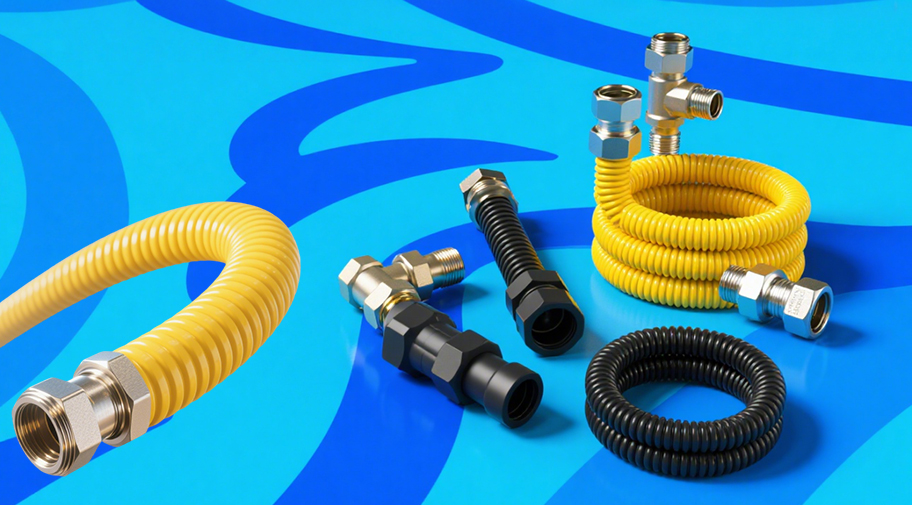




Select the product you want
About us



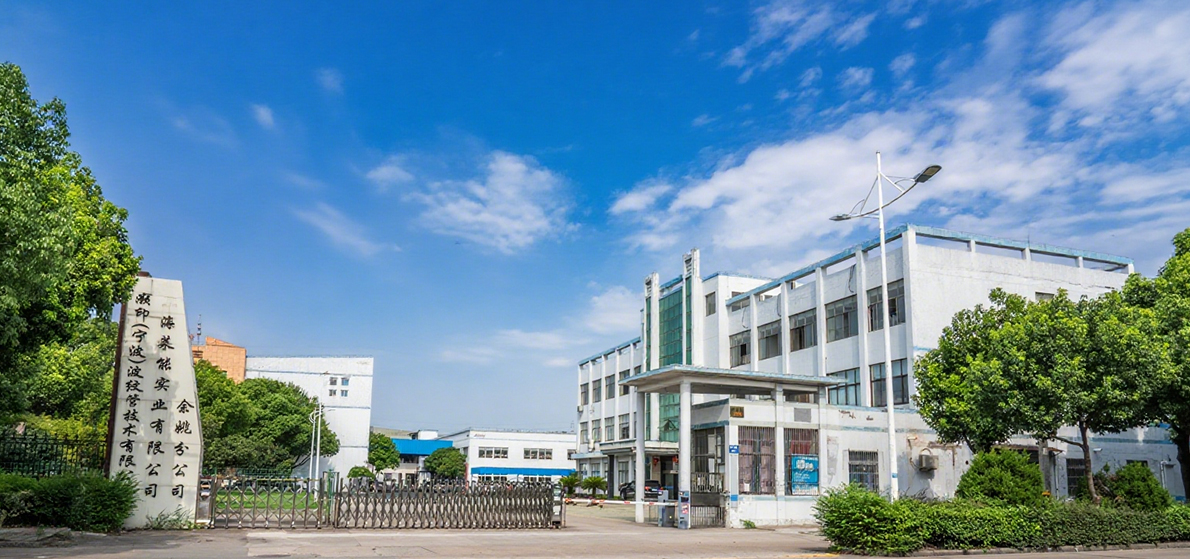
Factory Area

Advanced Equipment

employees

Monthly Production (10000 meters)
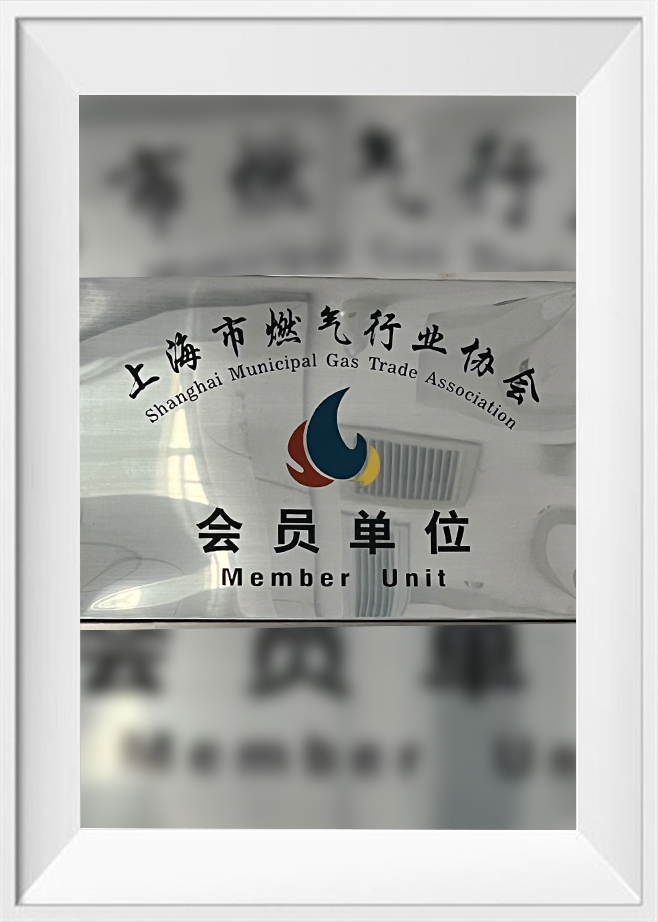
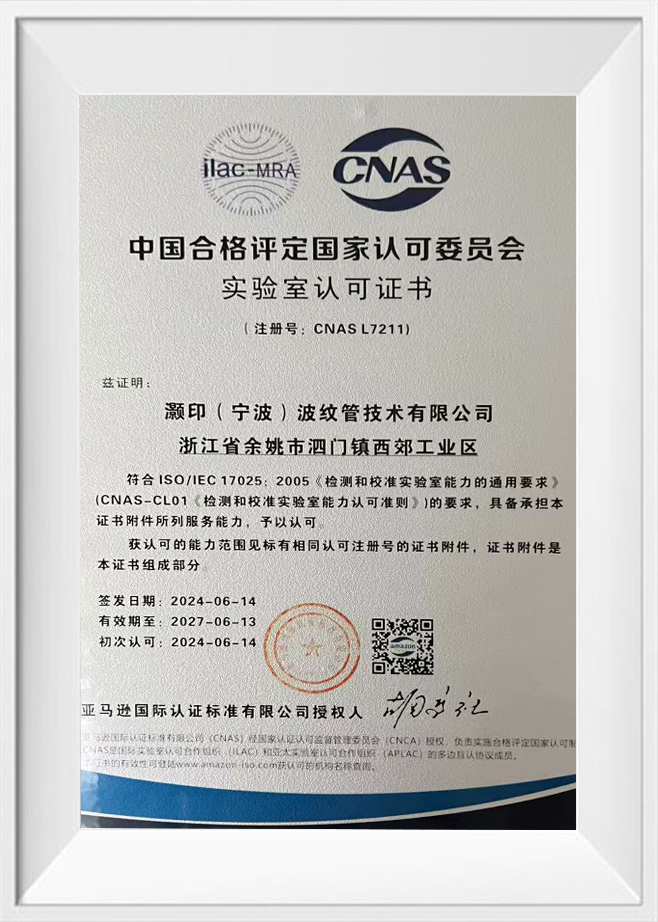
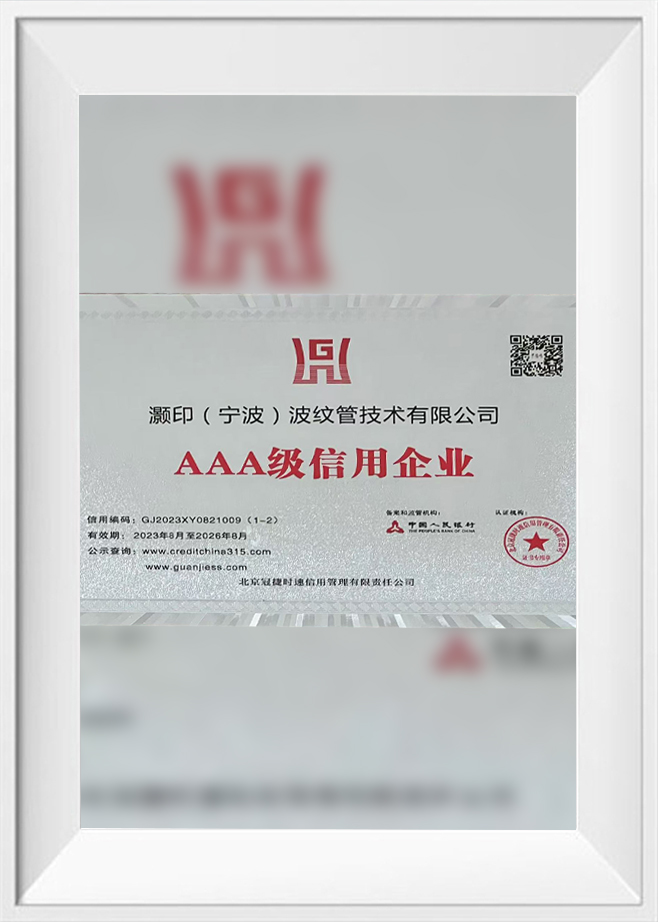
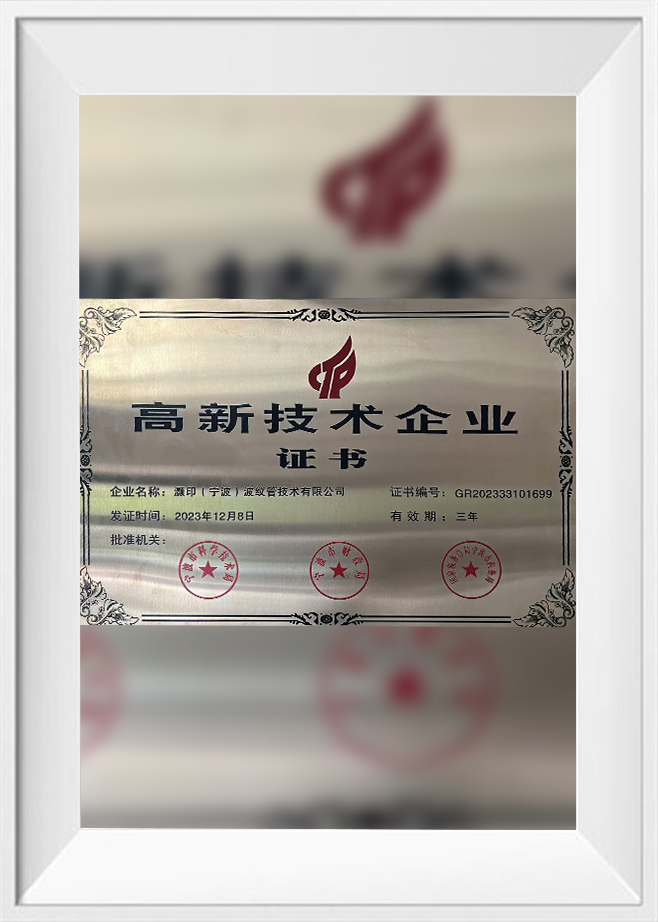
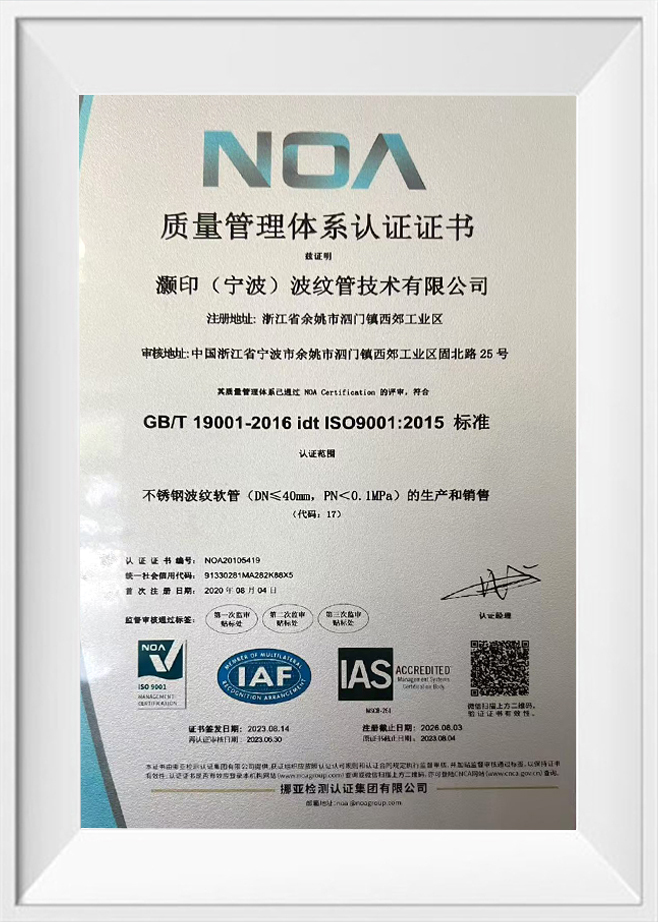
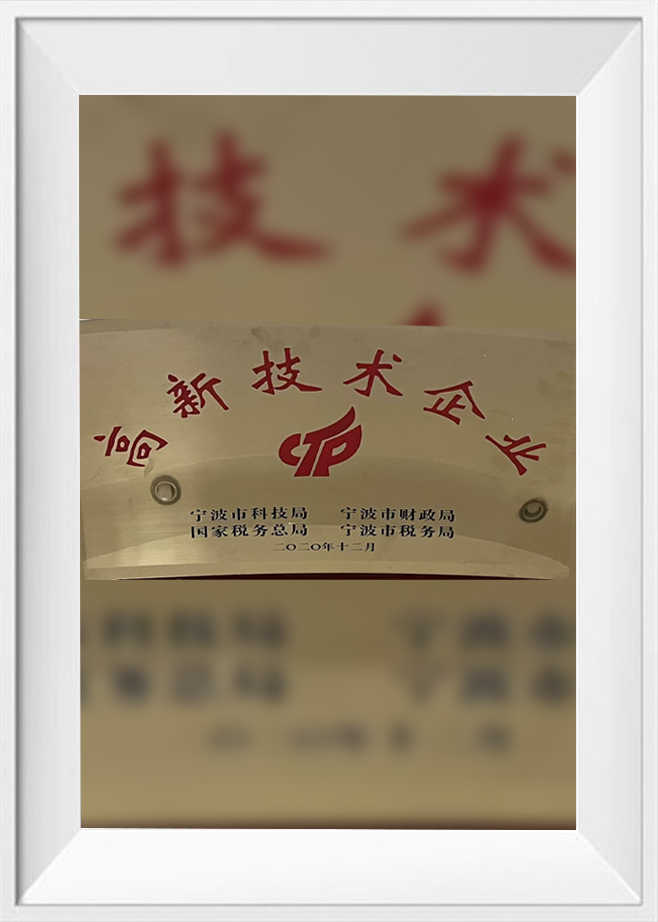
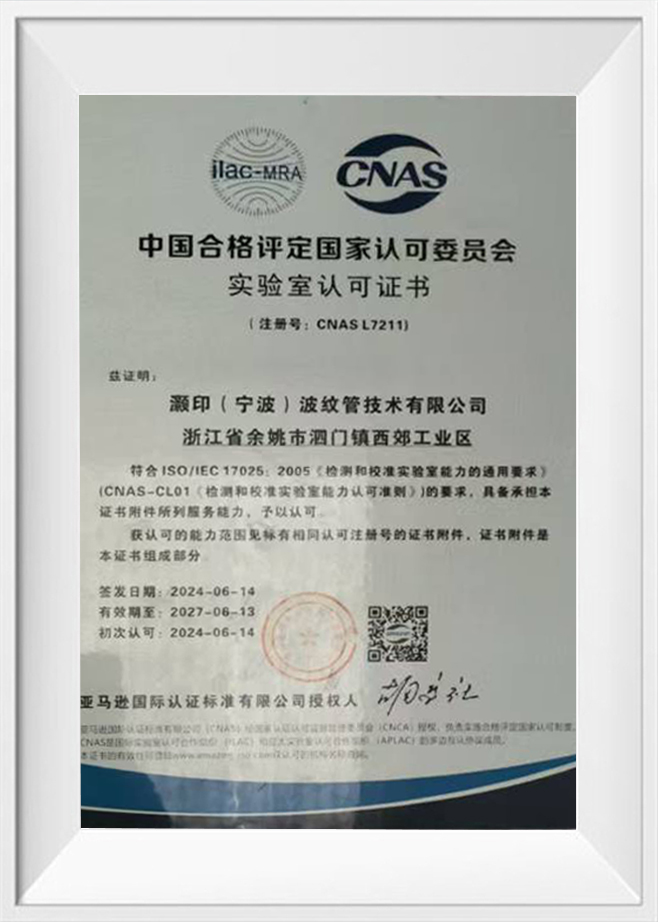
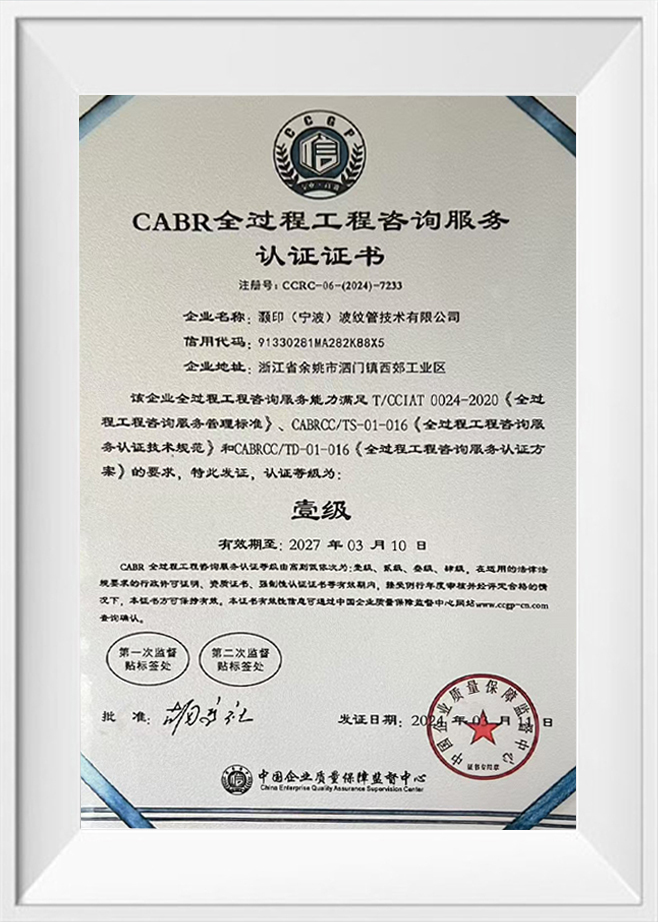
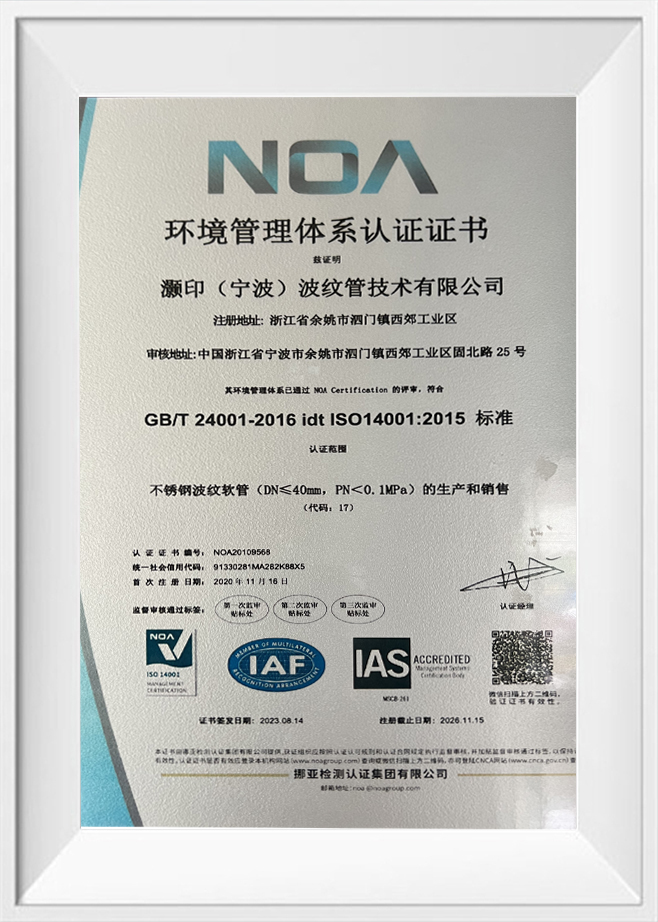
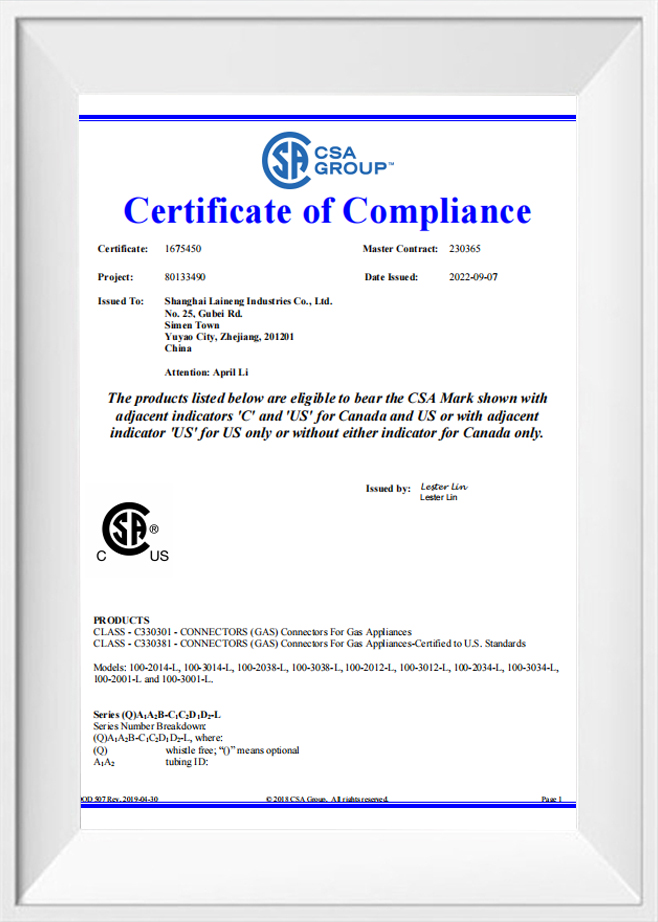
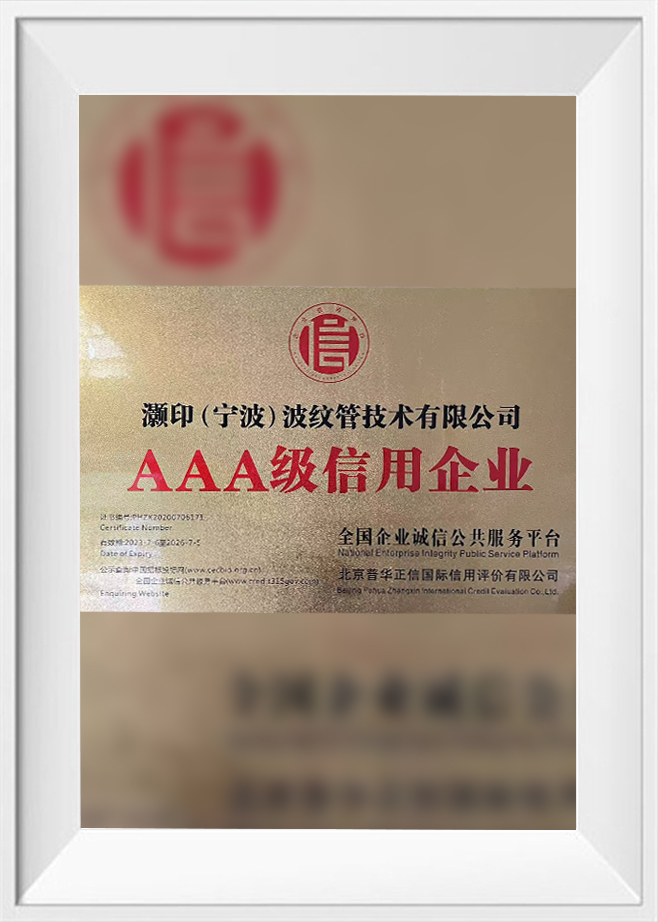
certificate
NEWS
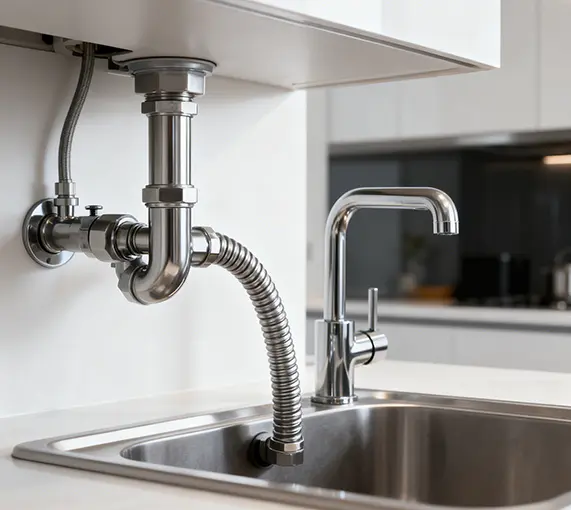

Stainless Steel Bellows Are Better for High Performance, Rubber Bellows for Flexibility and Cost The clear answer is this: Stainless Steel Bellows are better for high-temperature, high-pressure, and corrosive environments, while rubber bel...
What Are Metal Hoses and Compensators, and Why Are They Essential? Metal hoses and compensators are vital components in many industrial systems. They provide flexibility, absorb movement, and offer resistance to high temperatures, pressure...
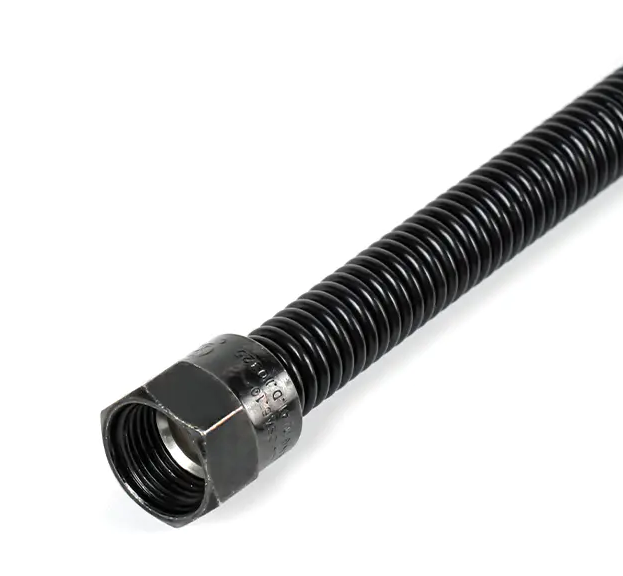
What Is the Core Advantage of Stainless Steel Bellows? The main advantage of Stainless Steel Bellows is their ability to provide flexible movement while maintaining a high-integrity seal under extreme pressure and temperature conditions. I...
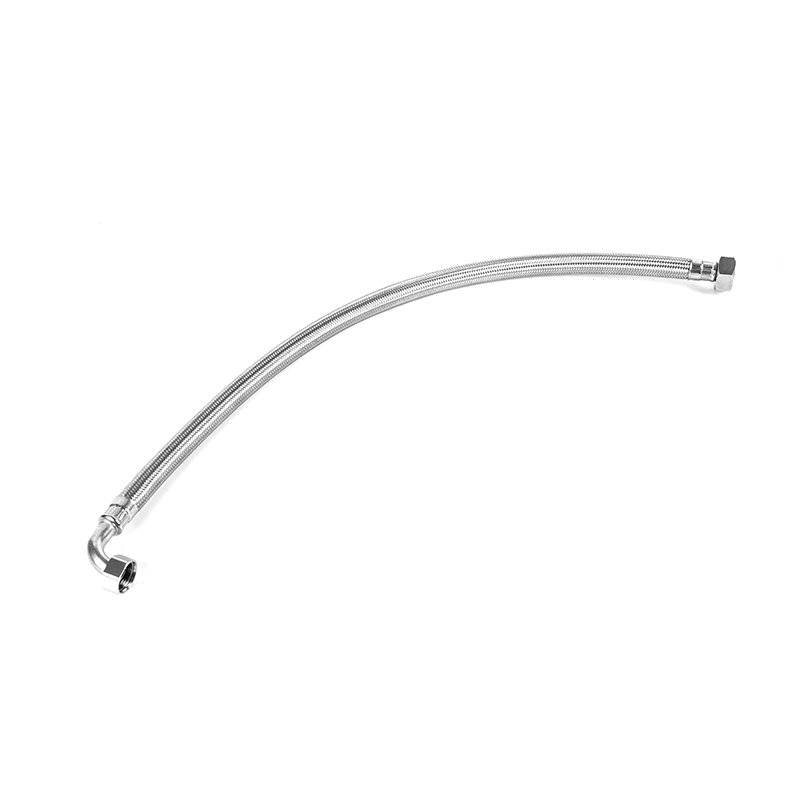
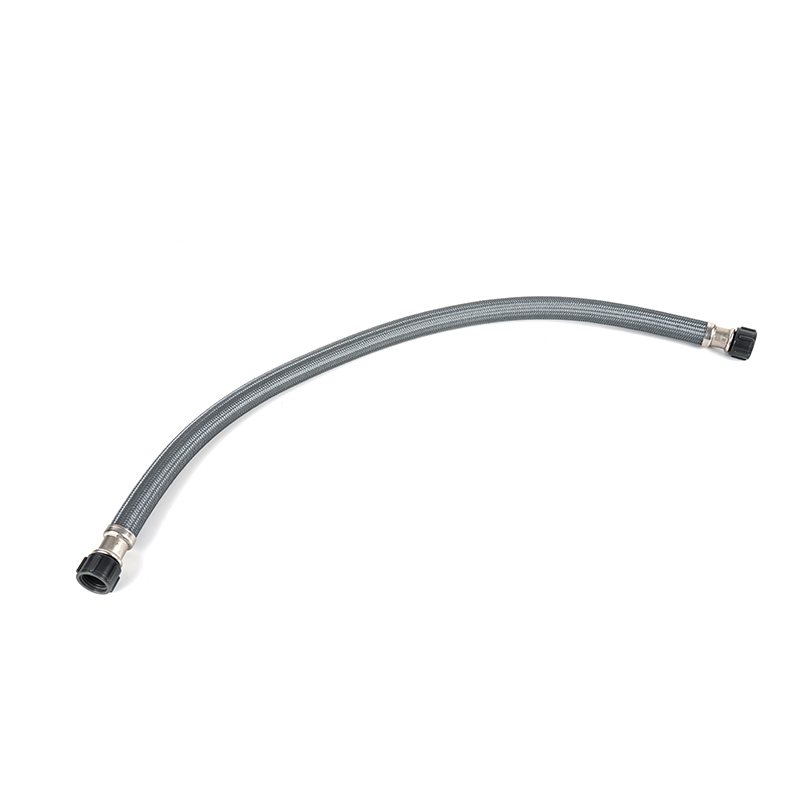
Flexible pipes are widely used in modern industrial and building piping systems, and the outer braided layer is an indispensable component of flexible pipes. It not only enhances the mechanical strength of the pipe but also improves safety and durability.
Haoyin (Ningbo) Bellows Technology Co., Ltd. is a professional enterprise specializing in the R&D, design, manufacturing, and sales of stainless steel bellows. It is committed to providing safe, efficient, and durable flexible connection solutions for gas, plumbing, heating, and other fields.
1. What is the outer braided layer of a flexible pipe?
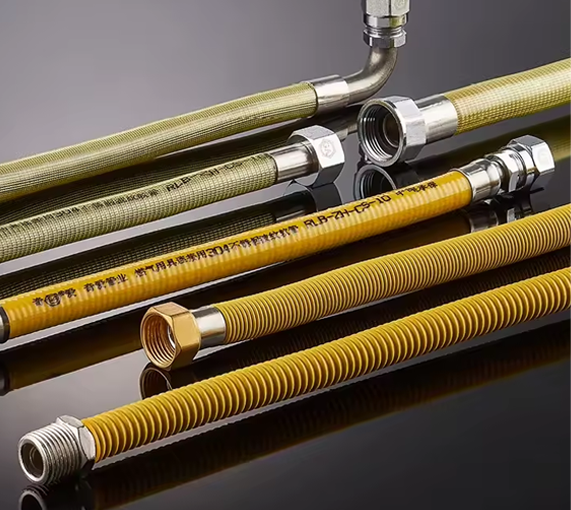
The outer braided layer of a flexible pipe is usually made of stainless steel wire, galvanized steel wire, or high-strength synthetic fiber, wrapped around the outer surface of the flexible pipe. Its main function is to provide protection for the internal corrugated pipe and enhance the pipe's tensile strength, compressive strength, and wear resistance.
The structure of the outer braided layer is similar to a metal or fiber woven mesh, which can evenly distribute the pressure on the pipe, preventing the corrugated pipe from deforming or rupturing under high pressure or high temperature environments. In addition, some flexible pipes have a PVC, nylon, or rubber protective layer covering the outer braided layer to improve corrosion resistance and protection.
2. Advantages and characteristics of the outer braided layer of flexible pipes
(1) Enhanced mechanical strength and pressure resistance
The outer braided layer can effectively disperse the internal pressure and external forces borne by the corrugated pipe, allowing the pipe to remain stable under high-pressure environments, preventing expansion or rupture. This is especially important for high-pressure gas and liquid transportation systems.
(2) Wear-resistant, corrosion-resistant, and extended service life
The stainless steel or galvanized steel wire braided layer has excellent corrosion resistance and can resist the erosion of moisture, oil, and chemical media. The fiber braided layer can reduce friction and wear, protecting the surface of the corrugated pipe from external damage, thereby extending the overall life of the flexible pipe.
(3) Reduced vibration and noise
The outer braided layer provides additional support and stability, which can absorb some pipe vibrations and reduce the impact of noise and vibration on pipes and equipment. This is especially important for air conditioning systems, gas transportation, or industrial pump systems. (4) Easy Installation and Protection of Pipe Shape
The braided layer enhances the rigidity of the flexible pipe, making it less prone to twisting during bending and installation, while also facilitating the pipe's maintenance of its original shape, improving construction efficiency.
3. Maintenance Key Points for the Outer Braided Layer of Flexible Pipes
To ensure the long-term protective function of the outer braided layer of flexible pipes, daily maintenance is very important. The main maintenance points are as follows:
Regularly inspect the outer braided layer
Check for signs of broken wires, shedding, corrosion, or wear. Broken metal wires may weaken the pipe strength, and fiber shedding may affect wear resistance.
Keep the outer layer clean
Regularly clean dust, oil stains, or chemical residues from the surface of the braided layer to prevent long-term adhesion from causing corrosion or performance degradation.
Avoid scratching or pressing with sharp objects
External impact may damage the braided layer structure and reduce its protective effect. Ensure that the pipe avoids uneven force during use or handling.
Pay attention to the pipe bending radius
Follow the minimum bending radius during installation to avoid forced bending and prevent damage to the corrugated pipe and outer braided layer.
Regularly replace aging or damaged components
If significant damage or corrosion is found in the outer braided layer, the flexible pipe should be replaced promptly to ensure the safety of the entire system.
Maintenance Key Points Table for Flexible Pipe Outer Braided Layer:
| Maintenance Aspect | Inspection Method | Frequency | Acceptable Condition | Corrective Action | Prevention |
| Fraying Damage | Visual/tactile inspection | Monthly | ≤3 broken strands per 10cm length | Apply epoxy sealant or replace hose | Avoid abrasion against sharp edges |
| UV Degradation | Color fading check | Quarterly | No color change >20% | Install UV-resistant sleeve | Use sunlight-stabilized materials |
| Chemical Exposure | Swelling/hardening test | Biannually | No texture change | Flush with neutralizer | Specify chemical-resistant braid |
| Moisture Trapping | Moisture meter scan | Pre-winter | <5% humidity in braid | Forced air drying | Ensure proper drainage slope |
4. FAQ about the Outer Braided Layer of Flexible Pipes
Q1: How much pressure can the outer braided layer of a flexible pipe withstand?
A1: Depending on the material and braiding density, the outer braided layer of a flexible pipe can withstand working environments from low pressure (a few bars) to high pressure (tens or even hundreds of bars). Selection should be based on product specifications.
Q2: Will the metal braided layer rust?
A2: High-quality stainless steel or galvanized steel wire braided layers have strong corrosion resistance and usually do not rust. However, if exposed to salt spray or strong acid and alkali environments for a long time, regular inspection is required.
Q3: Can the outer braided layer be bent arbitrarily?
A3: It can be bent within a certain range, but the minimum bending radius specified by the manufacturer should be followed to avoid excessive bending that may cause wire breakage in the braided layer or damage to the pipe.
Q4: How to extend the lifespan of the outer braided layer of a flexible pipe? A4: Maintain clean pipes, avoid external damage, regularly check the integrity of the braided layer, and ensure that the pipe's working pressure and temperature are within the rated range.
Q5: Does the outer braided layer affect pipe leakage?
A5: The outer braided layer mainly provides mechanical protection and pressure resistance; it does not prevent leakage itself. Leakage protection depends on the quality of the corrugated pipe and seals.
Q6: Are additional protective measures needed during installation?
A6: In special environments, such as high corrosion, high friction, or long-term outdoor exposure, a PVC or nylon coating can be added to the outside of the braided layer to improve durability and safety.
Haoyin (Ningbo) Bellows Technology Co., Ltd.





 English
  Español