-
+86-574-62166708
-
-






Select the product you want
About us



Factory Area

Advanced Equipment

employees

Monthly Production (10000 meters)
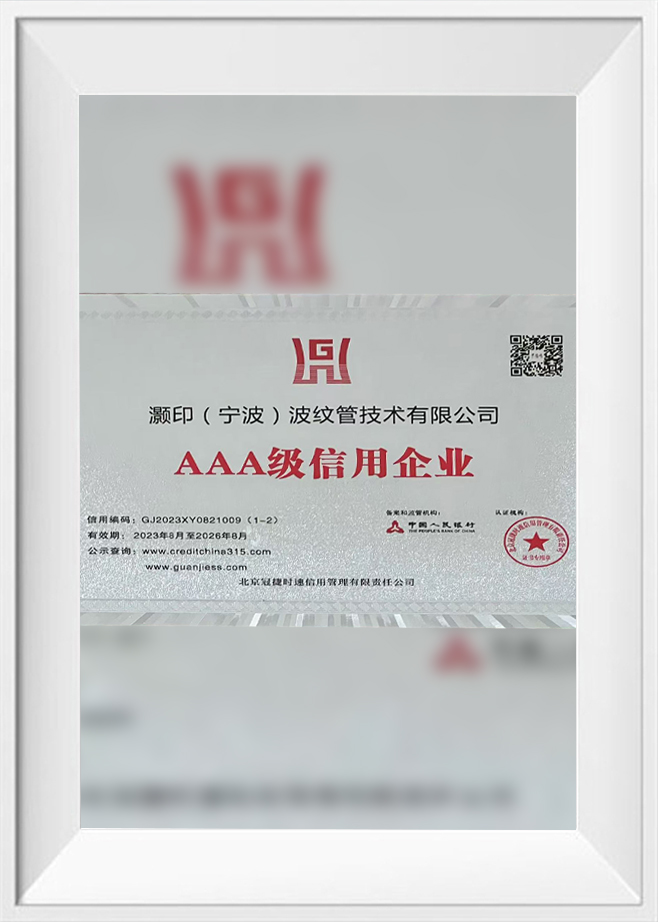
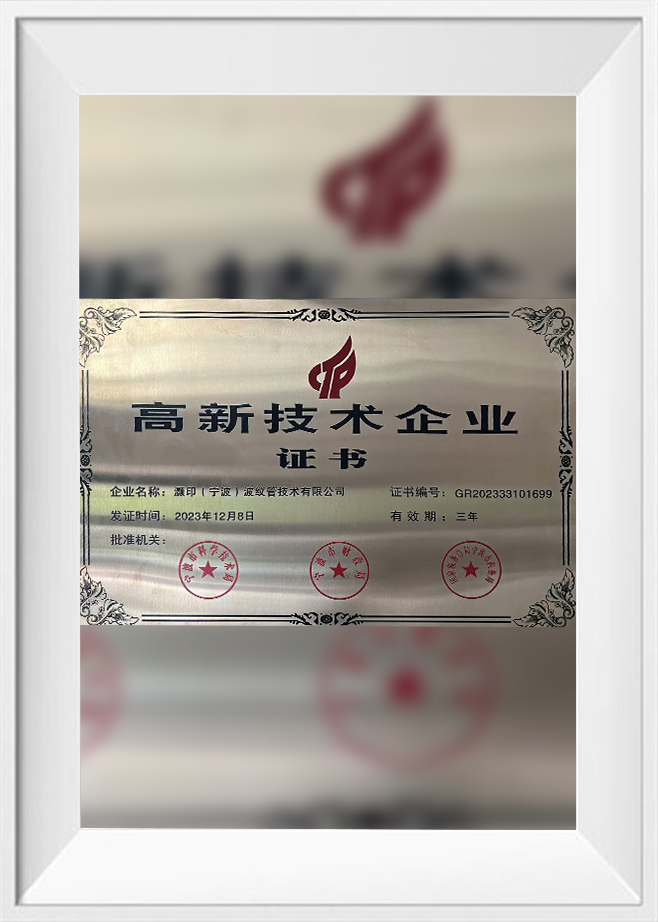
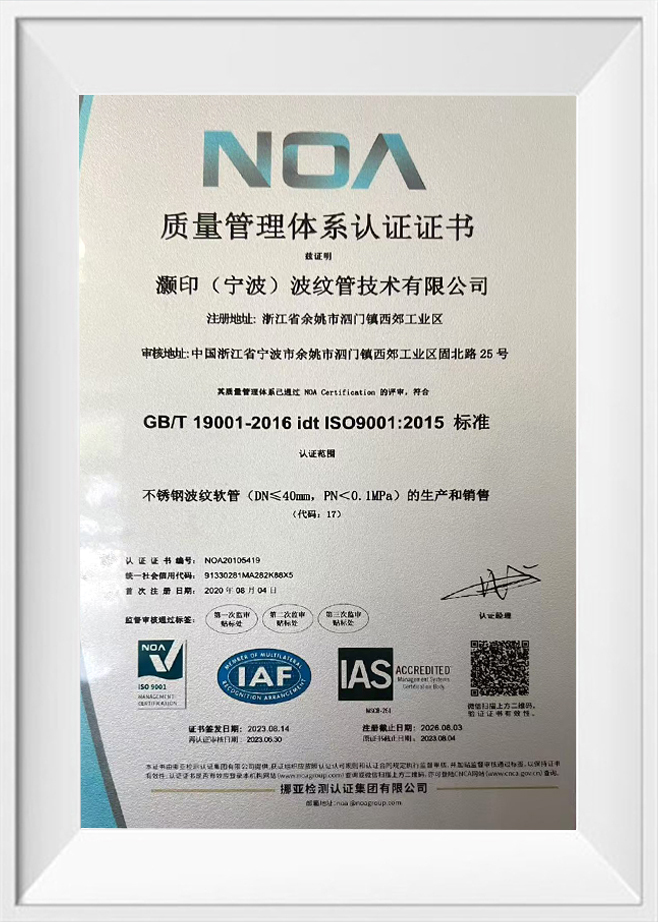
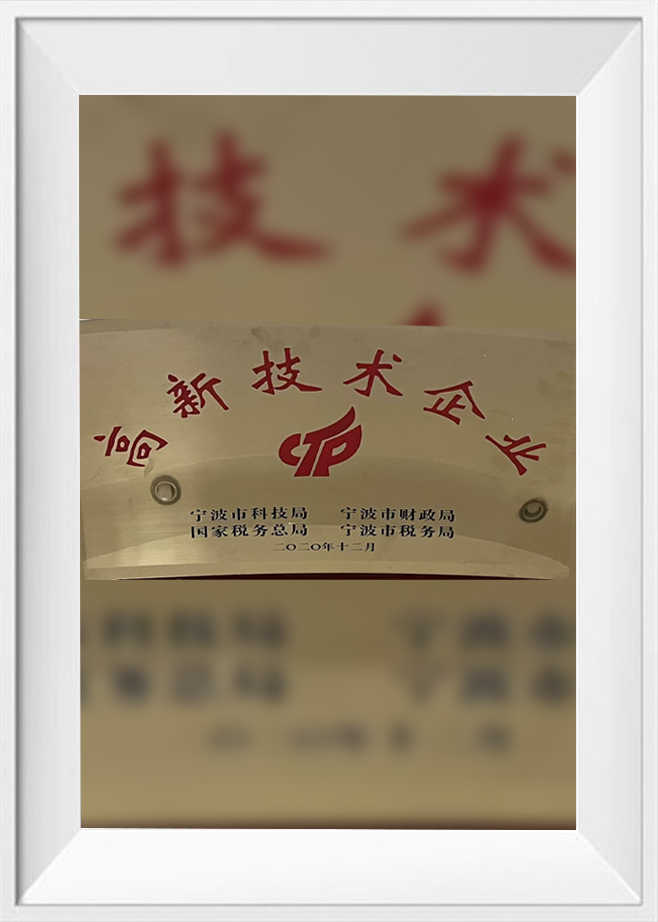
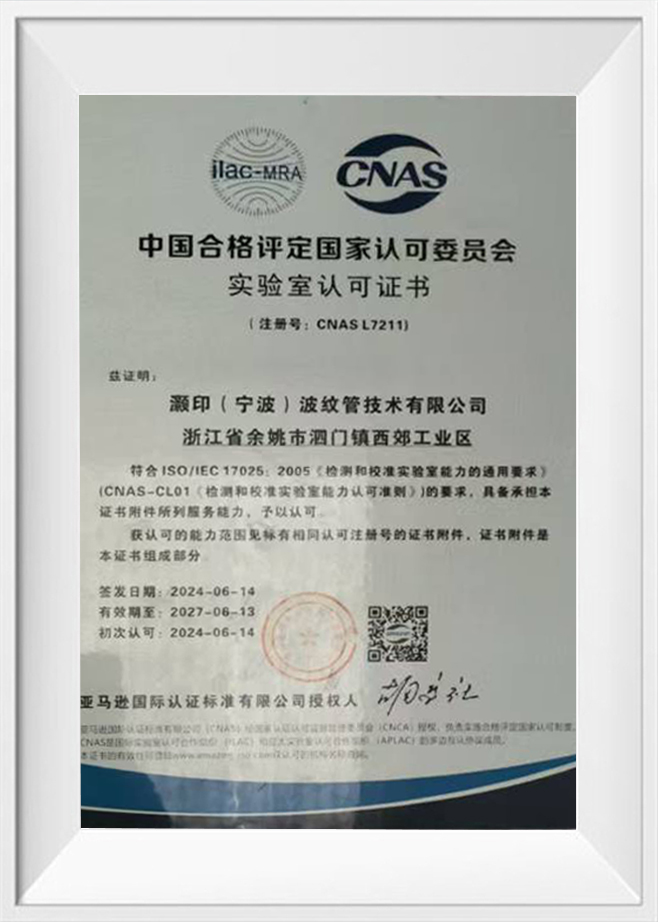
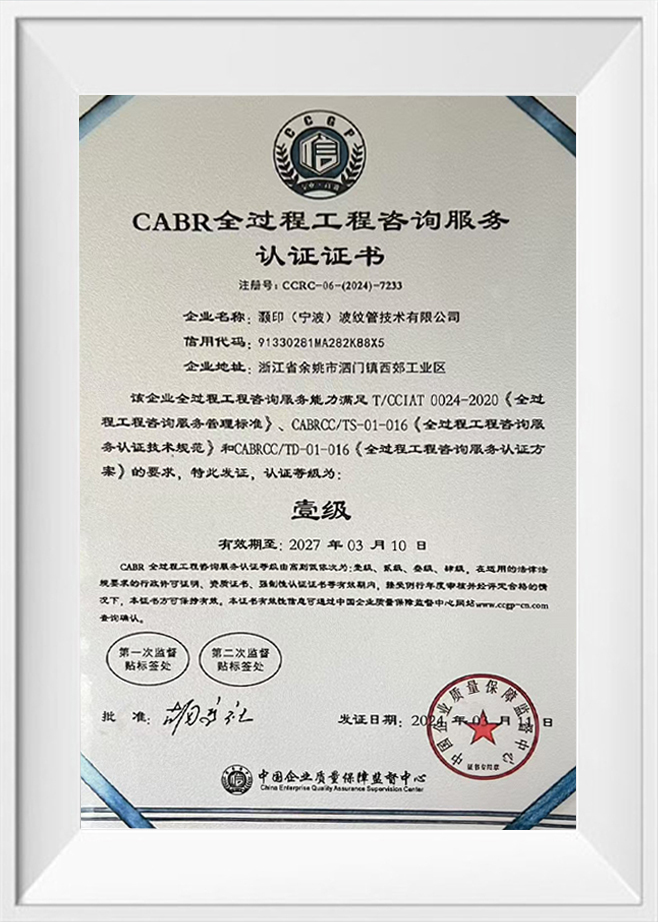
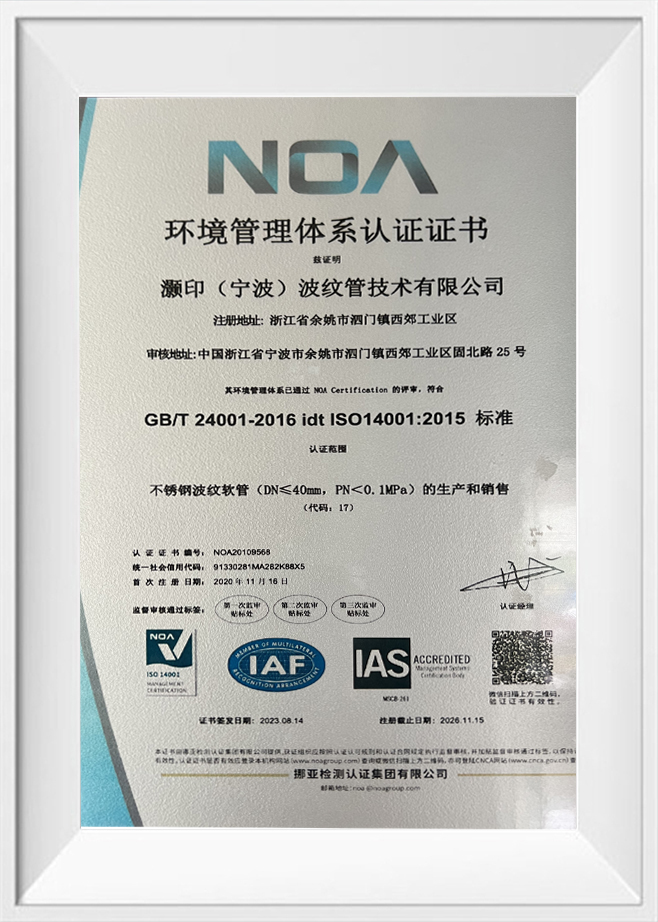
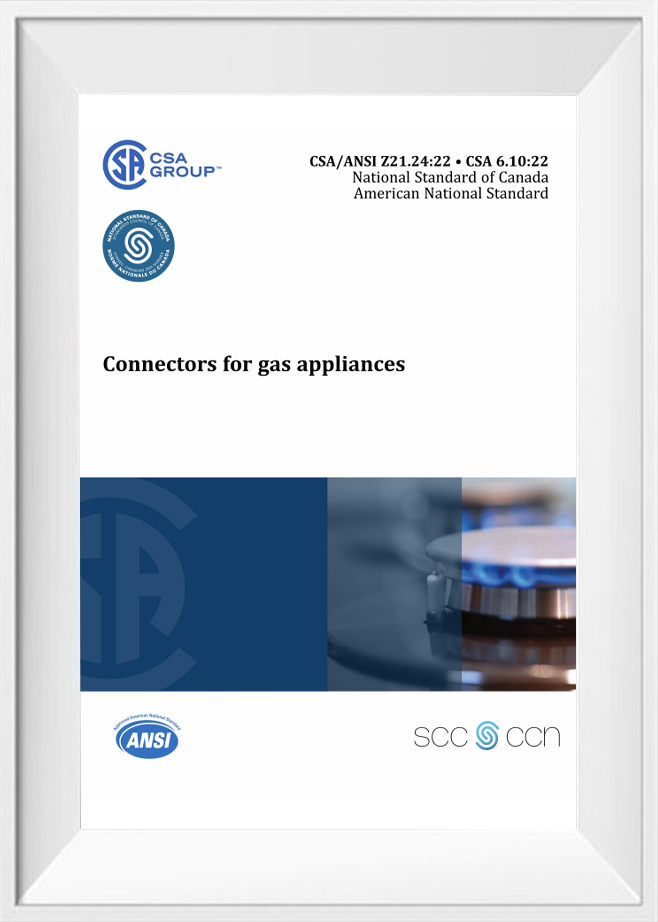
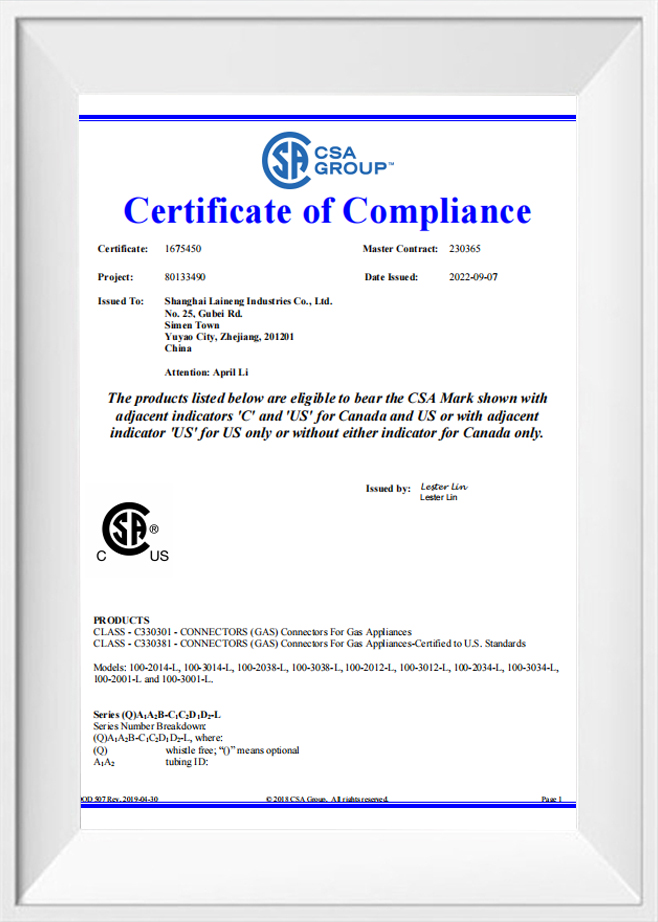
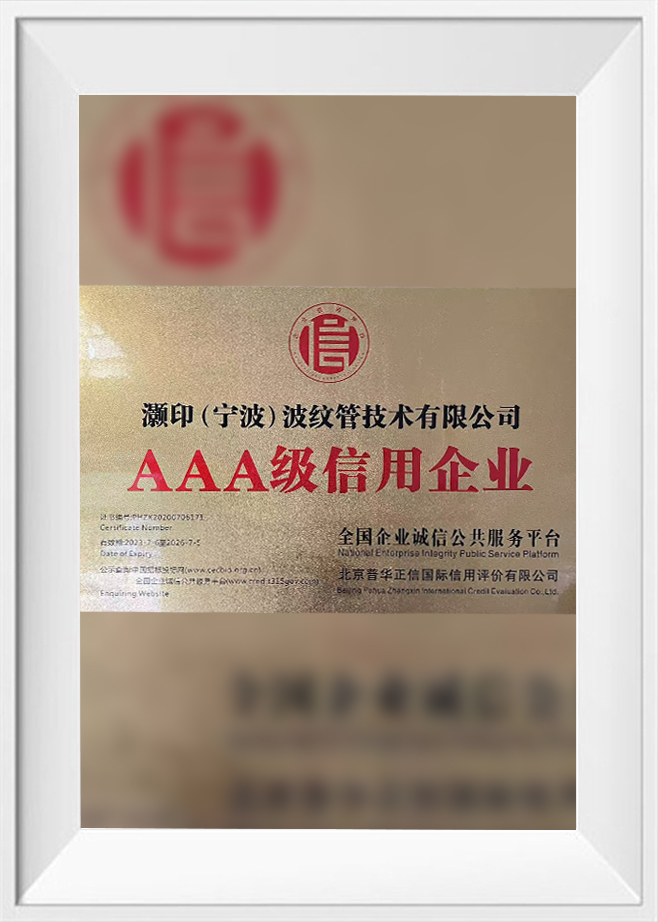
certificate
NEWS
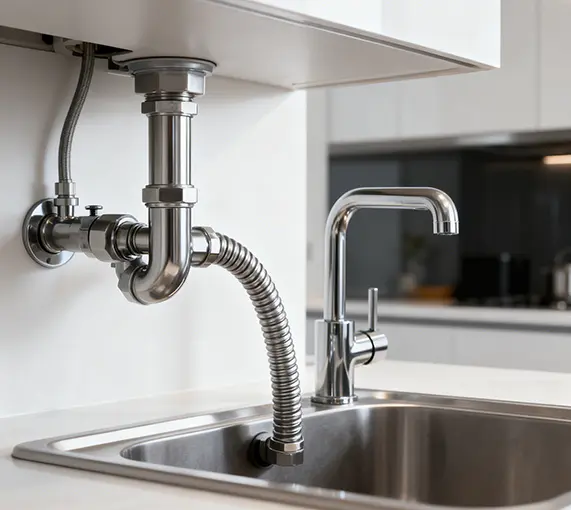

Stainless Steel Bellows Are Better for High Performance, Rubber Bellows for Flexibility and Cost The clear answer is this: Stainless Steel Bellows are better for high-temperature, high-pressure, and corrosive environments, while rubber bel...
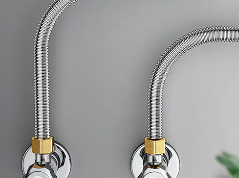
What Are Metal Hoses and Compensators, and Why Are They Essential? Metal hoses and compensators are vital components in many industrial systems. They provide flexibility, absorb movement, and offer resistance to high temperatures, pressure...
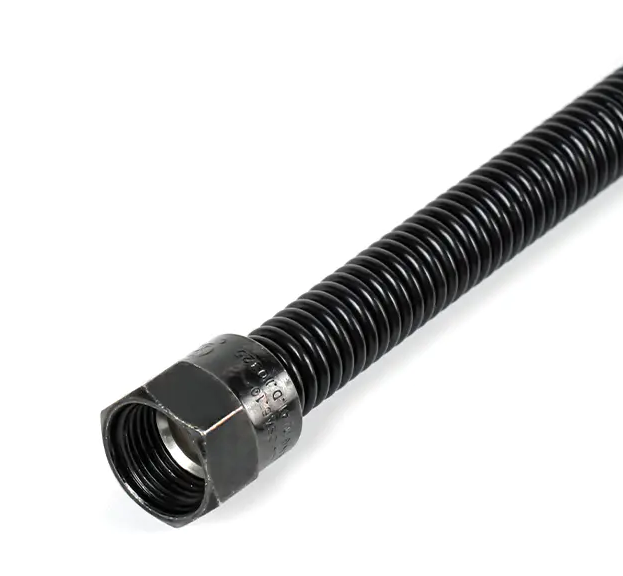
What Is the Core Advantage of Stainless Steel Bellows? The main advantage of Stainless Steel Bellows is their ability to provide flexible movement while maintaining a high-integrity seal under extreme pressure and temperature conditions. I...
Flexible pipe connector nuts are critical fastening components in flexible piping systems, ensuring the secure connection and sealing performance of pipes and equipment interfaces.
Haoyin (Ningbo) Bellows Technology Co., Ltd. is a professional enterprise specializing in the R&D, design, manufacturing, and sales of stainless steel bellows. It is committed to providing safe, efficient, and durable flexible connection solutions for gas, plumbing, heating, and other fields.
1. What is a Flexible Pipe Connector Nut?
A flexible pipe connector nut is a fastener used to secure the end of a flexible pipe and achieve a sealed connection. It is typically used in conjunction with sealing gaskets, bellows, or hose assemblies to securely connect the pipe to equipment interfaces, valves, or piping systems.
Connector nuts are usually made of high-strength materials such as stainless steel, brass, or carbon steel, capable of withstanding pipe pressure, vibration, and temperature changes. Its main functions include:
Securing the flexible pipe to prevent detachment
Ensuring sealing to prevent leakage
Withstanding pipe pressure and vibration to protect system safety
Facilitating easy installation and removal for quick maintenance
2. Advantages and Features of Flexible Pipe Connector Nuts
(1) High Strength and Reliable Pressure Resistance
The connector nut is manufactured from high-quality metal materials, capable of withstanding high pressure and tension in the piping system. Even in high-temperature or high-pressure environments, it maintains a stable connection and is not prone to loosening or cracking.
(2) Corrosion and High-Temperature Resistance
Stainless steel or brass materials have excellent corrosion resistance and high-temperature resistance, adapting to humid, chemical media, or high-temperature environments, ensuring long-term use without rusting or oxidation.
(3) Excellent Sealing Performance
In conjunction with sealing gaskets made of rubber, polytetrafluoroethylene (PTFE), etc., the connector nut can achieve efficient sealing, effectively preventing gas or liquid leakage and improving system safety.
(4) Easy Installation
The threaded design allows for quick installation and removal of the connector nut, enabling pipe connection without complex tools, facilitating maintenance and replacement.
3. Maintenance Points for Flexible Pipe Connector Nuts
To ensure the long-term safety and reliable operation of flexible pipe connector nuts, routine maintenance is essential. Maintenance points include:
Regularly check the tightness of the nuts:
Ensure the nuts are not loose or stripped to prevent leaks at the connection or pipe detachment.
Inspect the sealing gaskets:
Regularly check if the sealing gaskets are aging, cracked, or worn. Replace them promptly if any problems are found.
Prevent corrosion:
Avoid exposing the connector nuts to strong acids, strong bases, or salt spray environments for extended periods. Protective coatings or covers can be used for protection.
Control tightening force:
Tighten the nuts according to the manufacturer's recommended torque. Overtightening may damage the threads or sealing rings, while undertightening may lead to leaks.
Maintain cleanliness:
Regularly clean the nuts and interface surfaces to prevent dust, oil, or scale from affecting the sealing and tightening effect.
Flexible Pipe Coupling Nut Maintenance Guide:
| Maintenance Point | Key Procedures | Frequency | Tools Required | Acceptable Standards |
| Nut Tightness Inspection | Check for looseness using torque wrench or spanner | Monthly | Torque wrench | ≤5% torque loss from specification |
| Sealing Washer Condition | Inspect for cracks/hardness; replace if compression set >30% | Quarterly | Calipers | No visible deformation or extrusion |
| Corrosion Prevention | Apply NSF-approved anti-seize compound (e.g., nickel-based) | Annually | Brush, corrosion inhibitor | No pitting or galvanic corrosion signs |
| Torque Control | Re-torque to manufacturer specs (typically 15-25Nm for 1/2" connections) | After 50 cycles | Digital torque meter | ±10% of specified torque value |
| Contaminant Removal | Clean threads with brass brush and degreaser | Biannually | Non-metallic brush | No debris in thread grooves |
4. Flexible Pipe Connector Nut FAQ
Q1: Can the flexible pipe connector nut be reused?
A1: It can be reused, but after multiple disassemblies, the sealing washer and threads should be checked for damage, and replaced if necessary.
Q2: Is sealant required during installation?
A2: Usually not, the sealing washer provides sufficient sealing. In special circumstances, a suitable amount of sealant can be used according to the manufacturer's recommendations.
Q3: Will the connector nut rust?
A3: High-quality stainless steel or brass materials have strong corrosion resistance and generally will not rust, but protection is still needed in highly corrosive environments.
Q4: What are the consequences of a loose nut?
A4: It may lead to leakage at the pipe joint, increased vibration noise, or even cause the pipe to detach or be damaged. It should be tightened or replaced promptly.
Haoyin (Ningbo) Bellows Technology Co., Ltd.





 English
  Español