-
+86-574-62166708
-
-





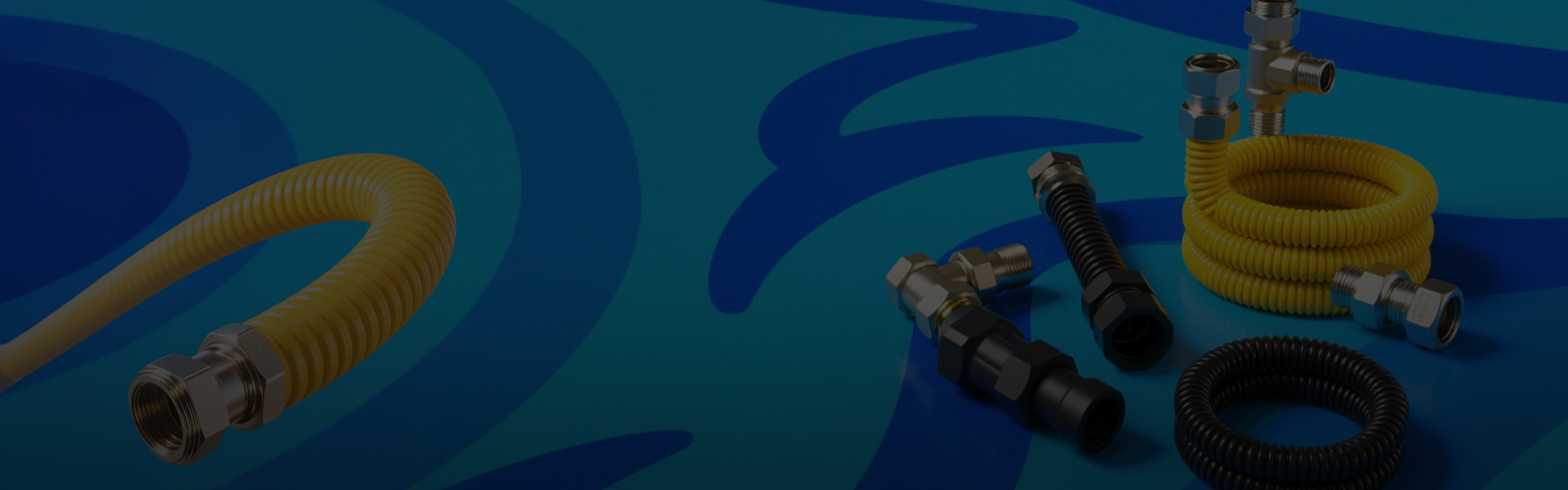
Select the product you want
About us
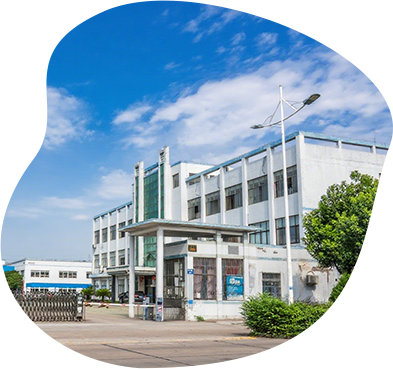


Factory Area

Advanced Equipment

employees

Monthly Production (10000 meters)
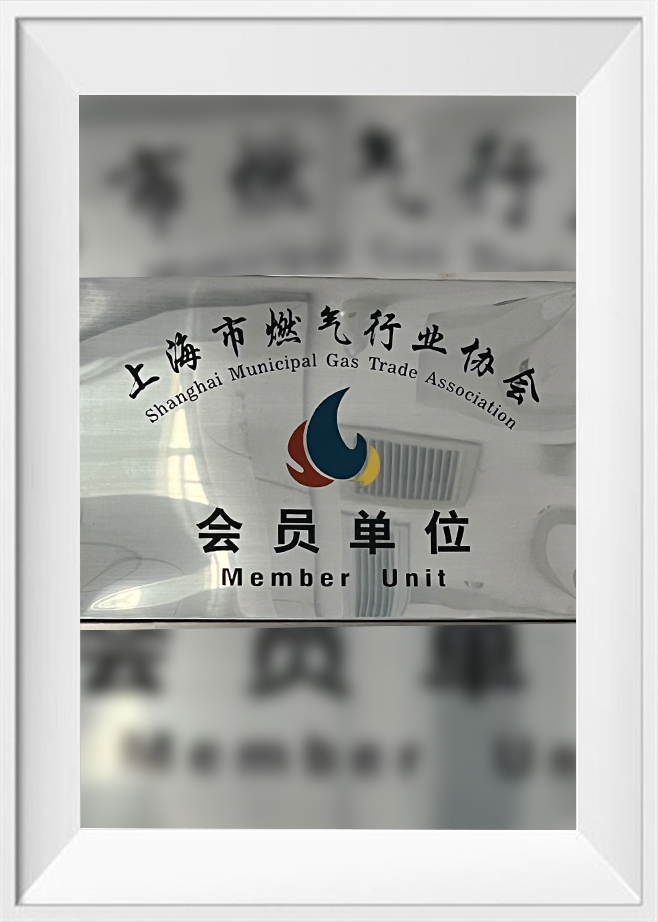
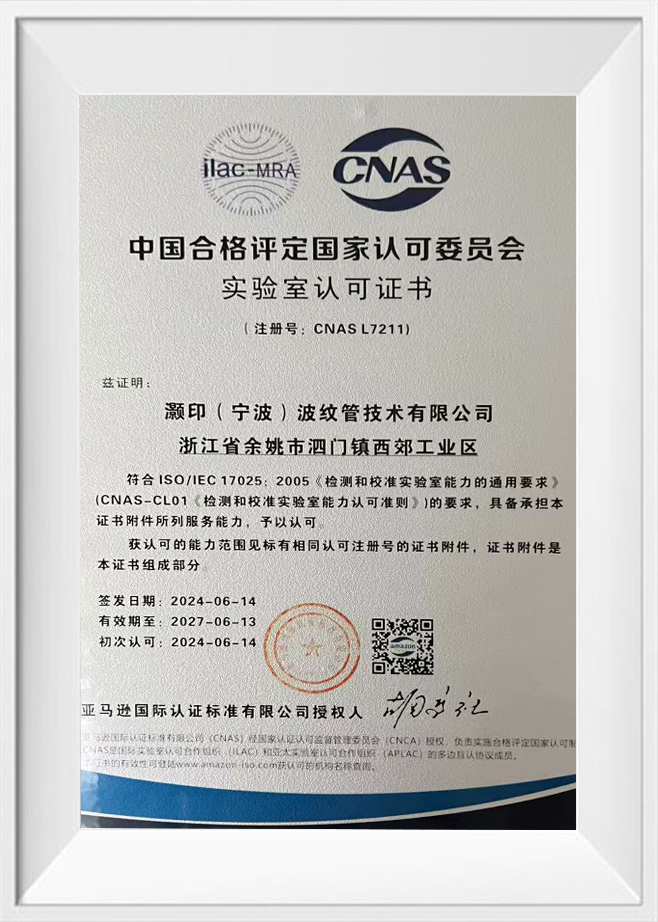
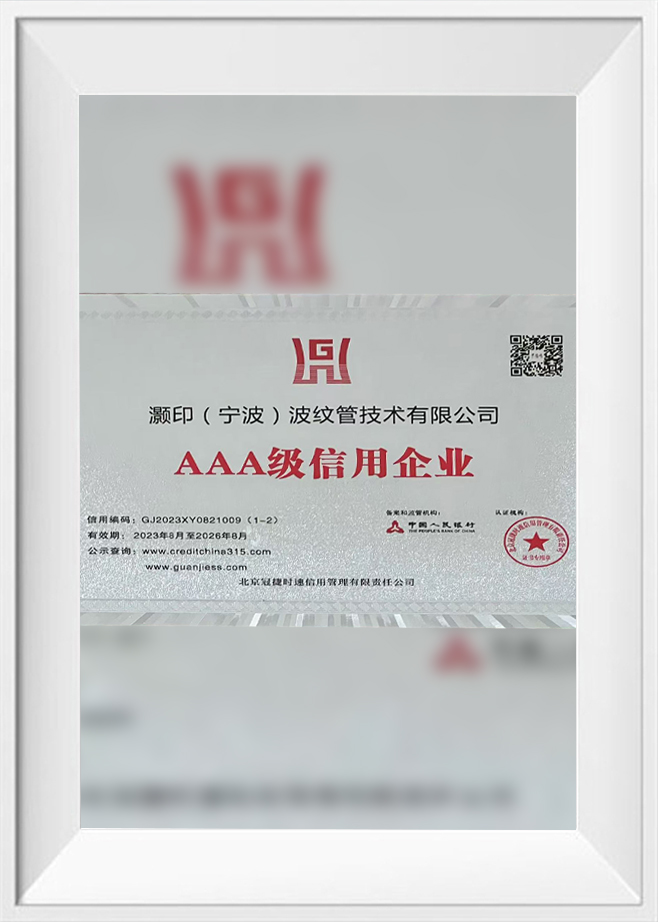
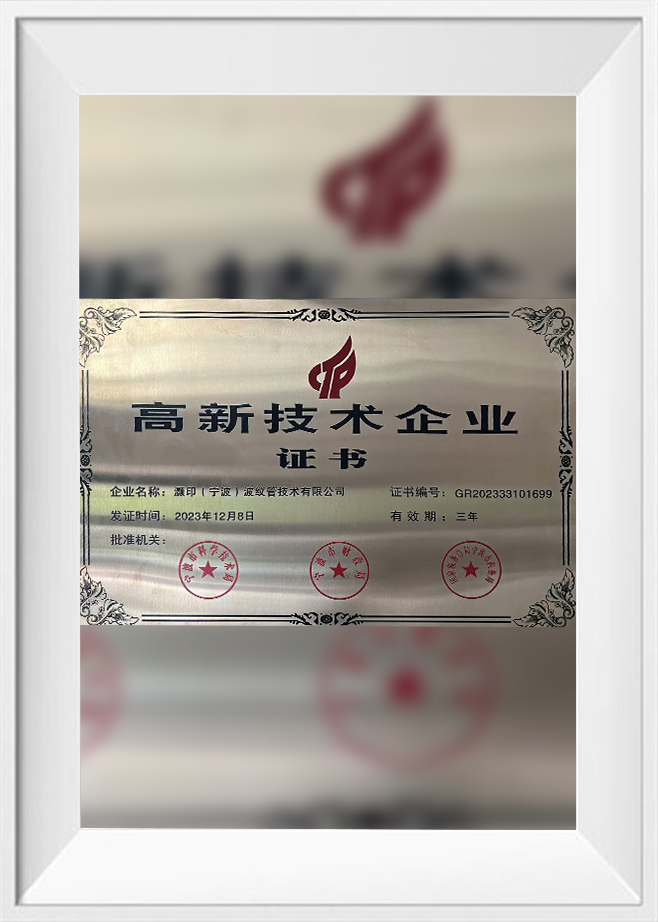
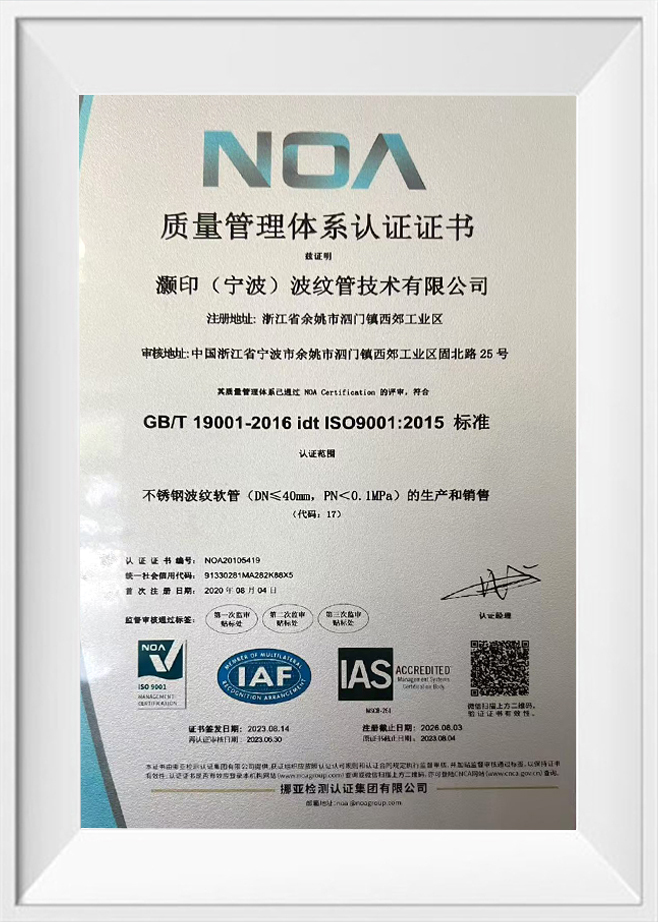
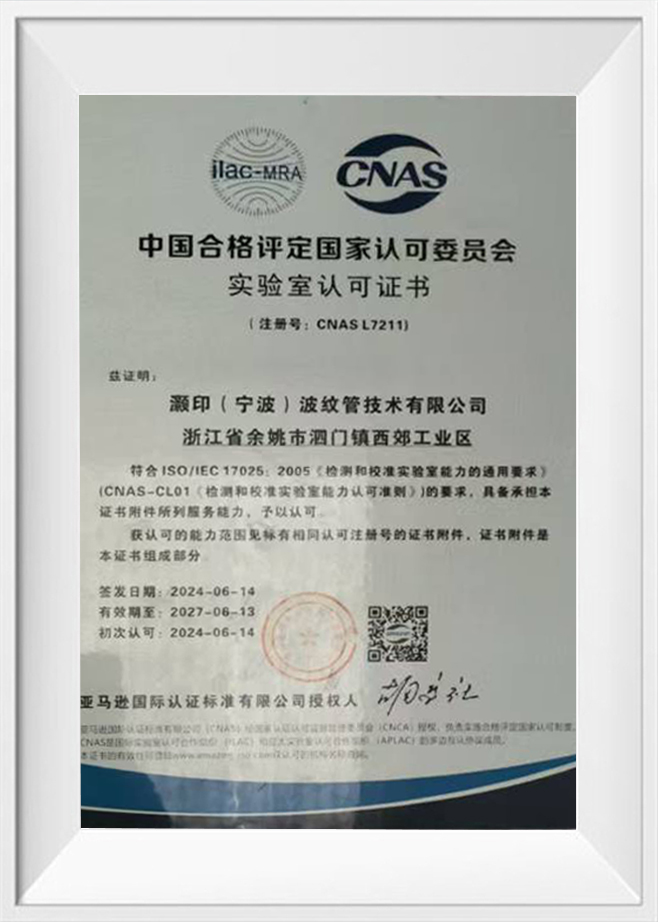
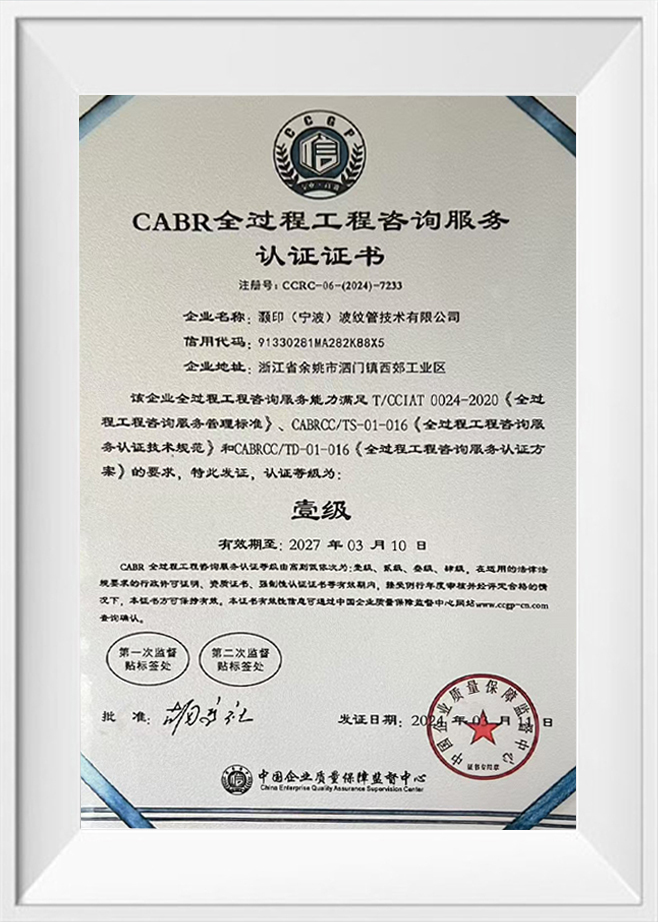
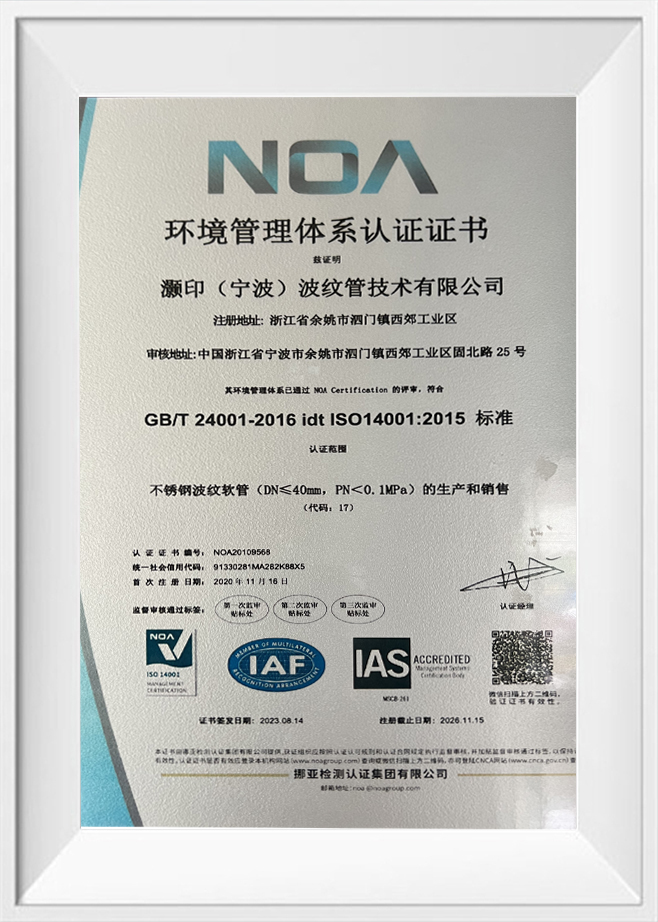
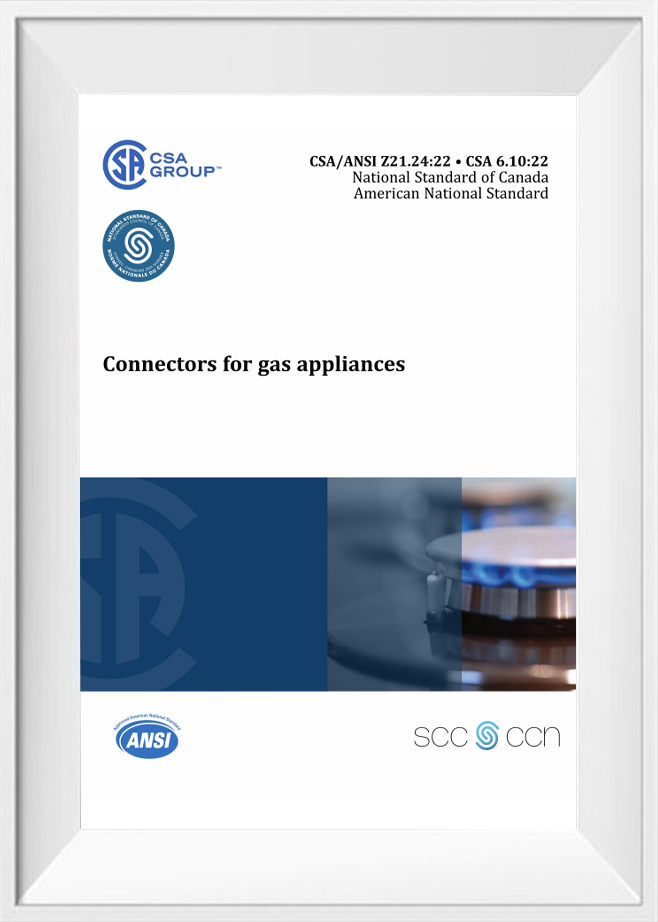
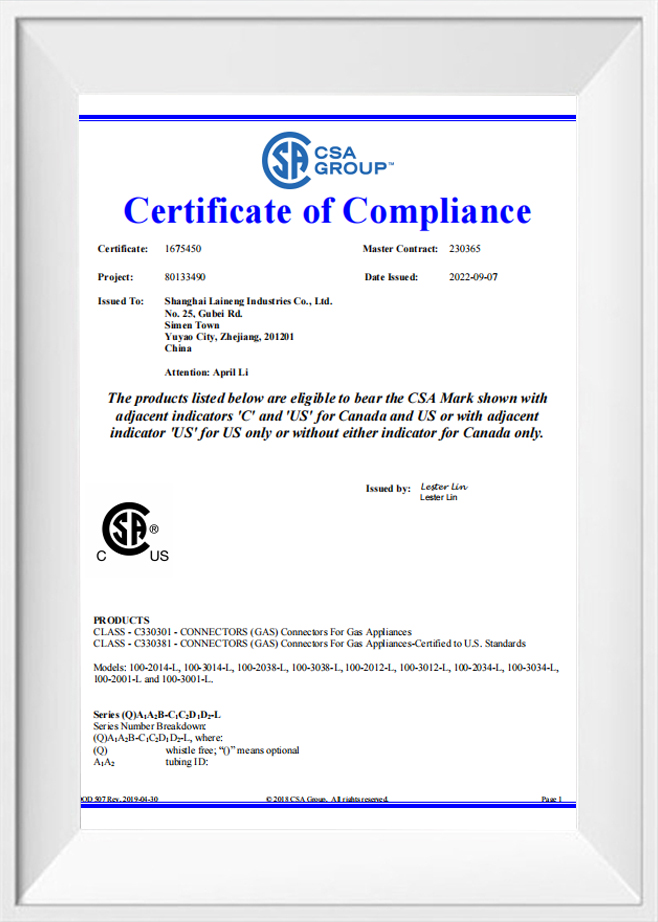
certificate
NEWS
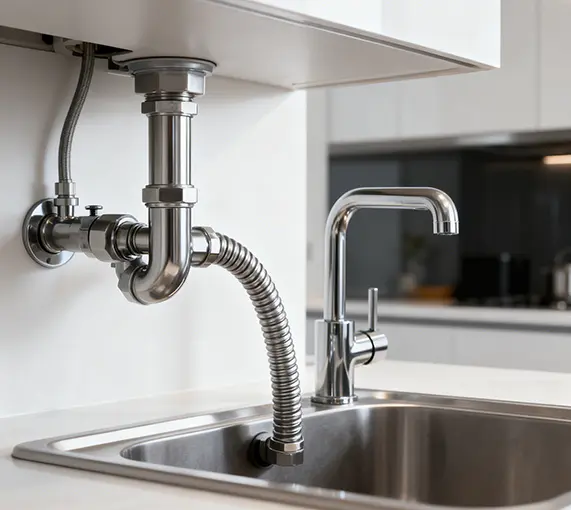

Stainless Steel Bellows Are Better for High Performance, Rubber Bellows for Flexibility and Cost The clear answer is this: Stainless Steel Bellows are better for high-temperature, high-pressure, and corrosive environments, while rubber bel...
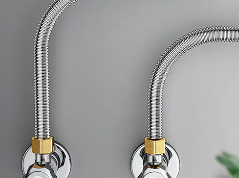
What Are Metal Hoses and Compensators, and Why Are They Essential? Metal hoses and compensators are vital components in many industrial systems. They provide flexibility, absorb movement, and offer resistance to high temperatures, pressure...
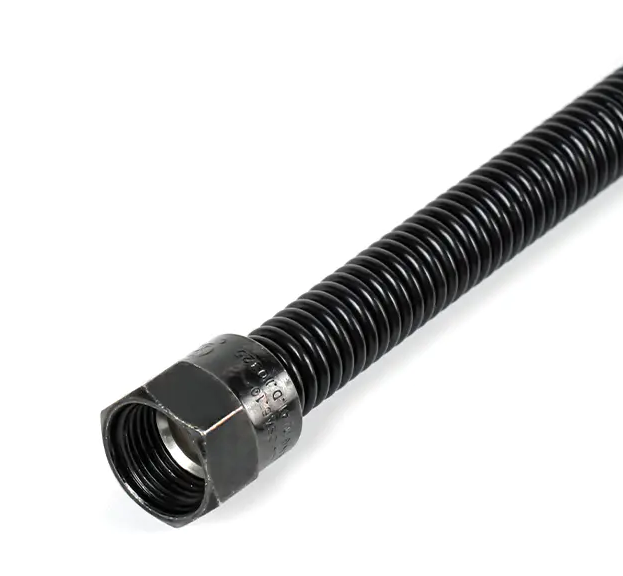
What Is the Core Advantage of Stainless Steel Bellows? The main advantage of Stainless Steel Bellows is their ability to provide flexible movement while maintaining a high-integrity seal under extreme pressure and temperature conditions. I...
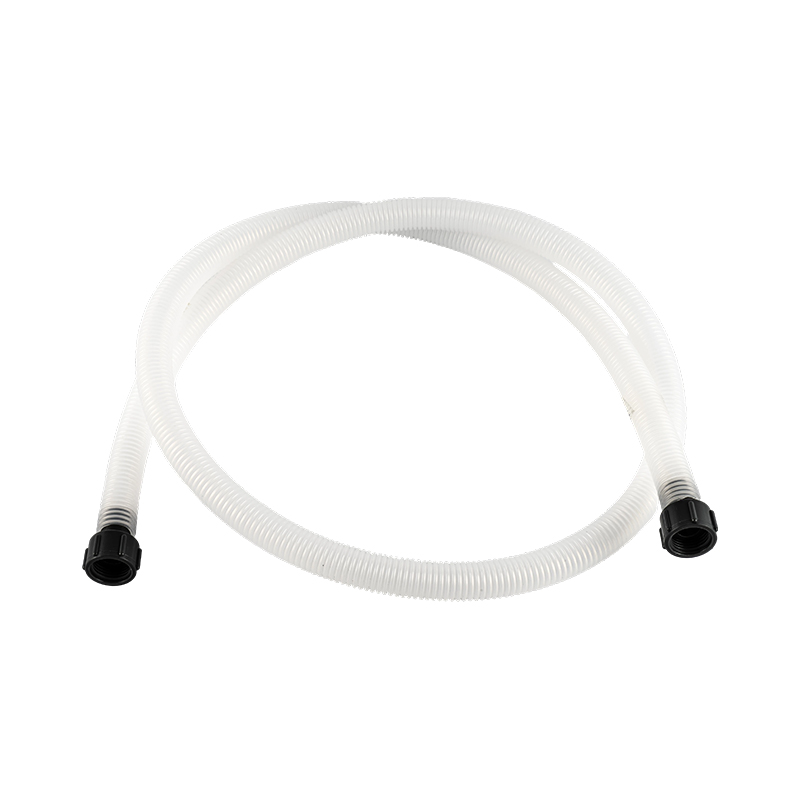
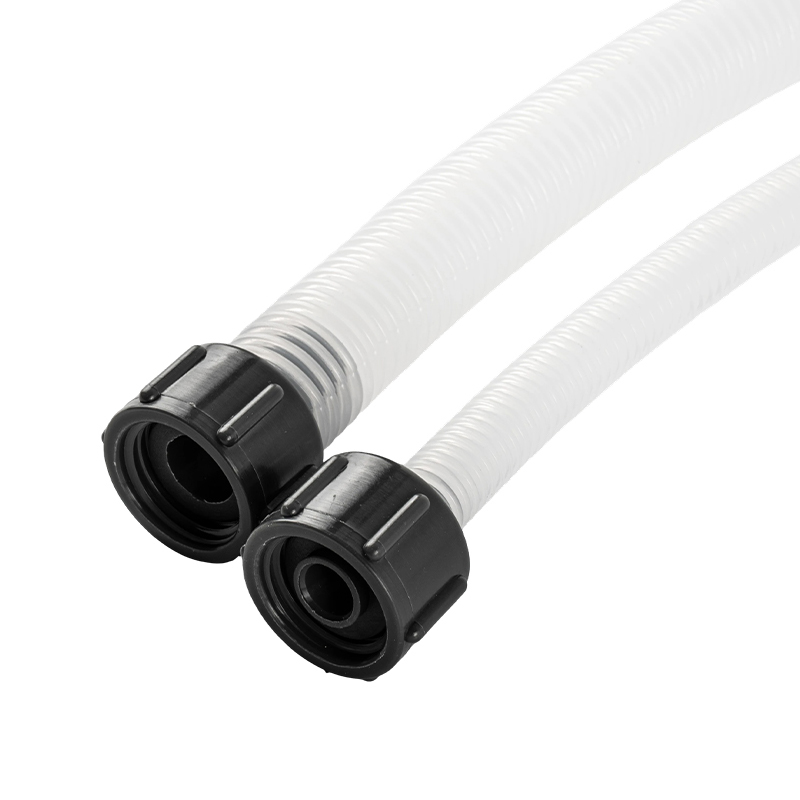
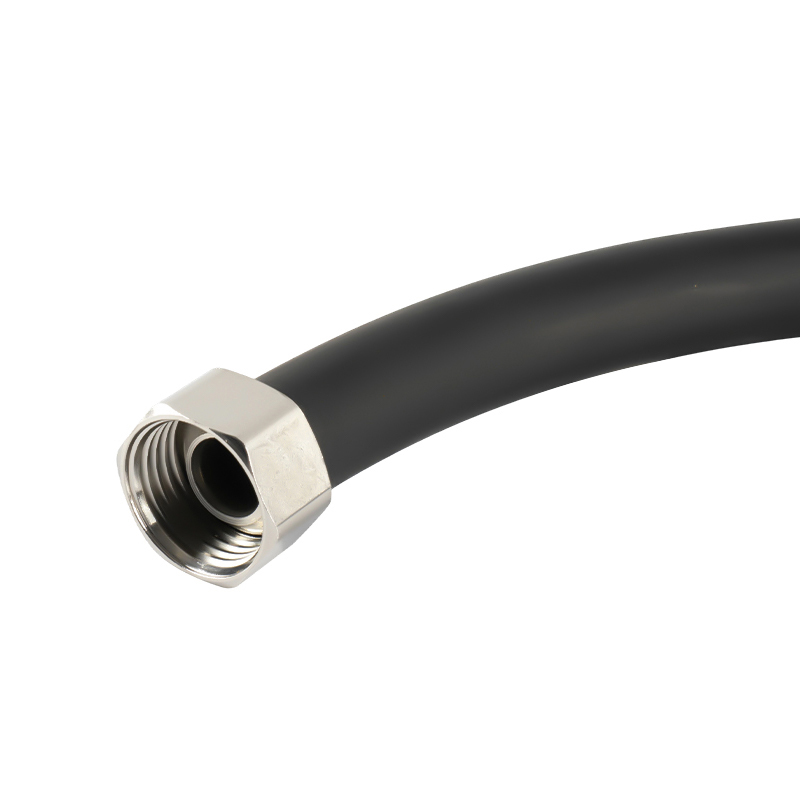
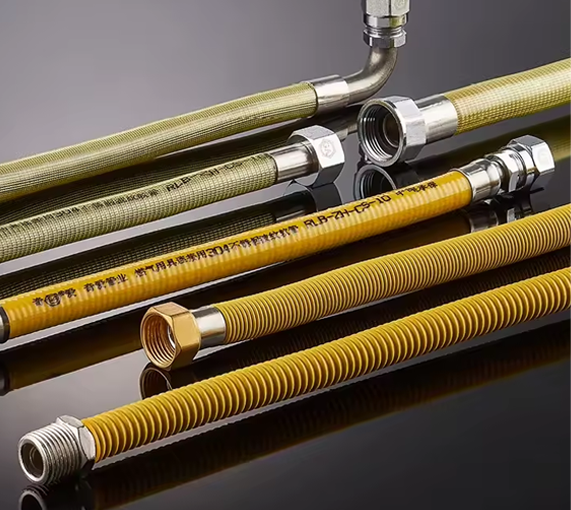
Flexible pipes, water pipes, and hose assemblies are widely used in modern building, industrial, and household plumbing systems. They not only improve the reliability of plumbing systems but also provide greater flexibility for installation, maintenance, and pipe safety.
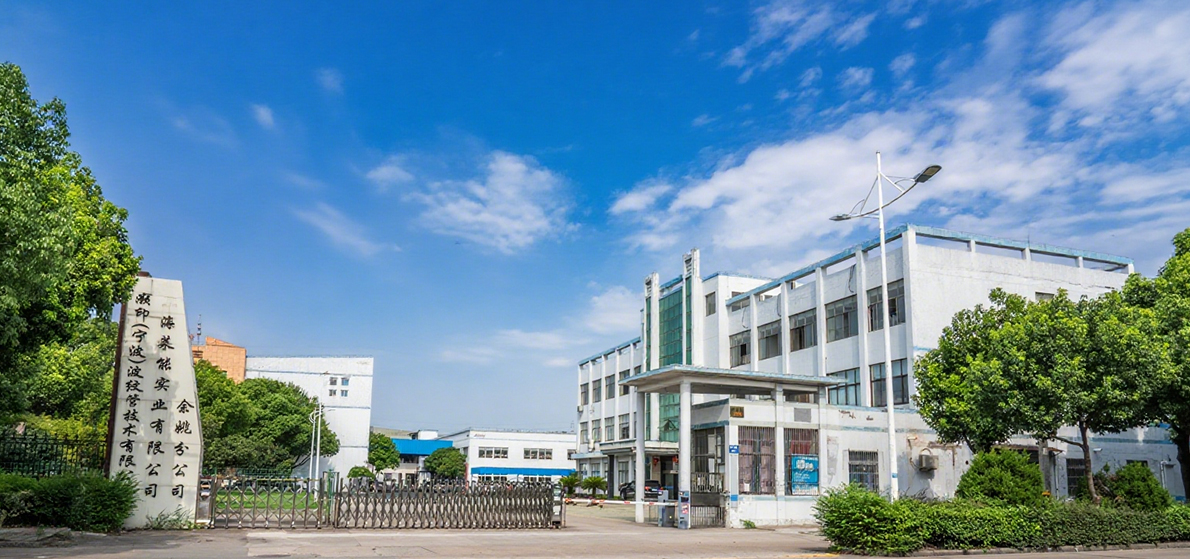
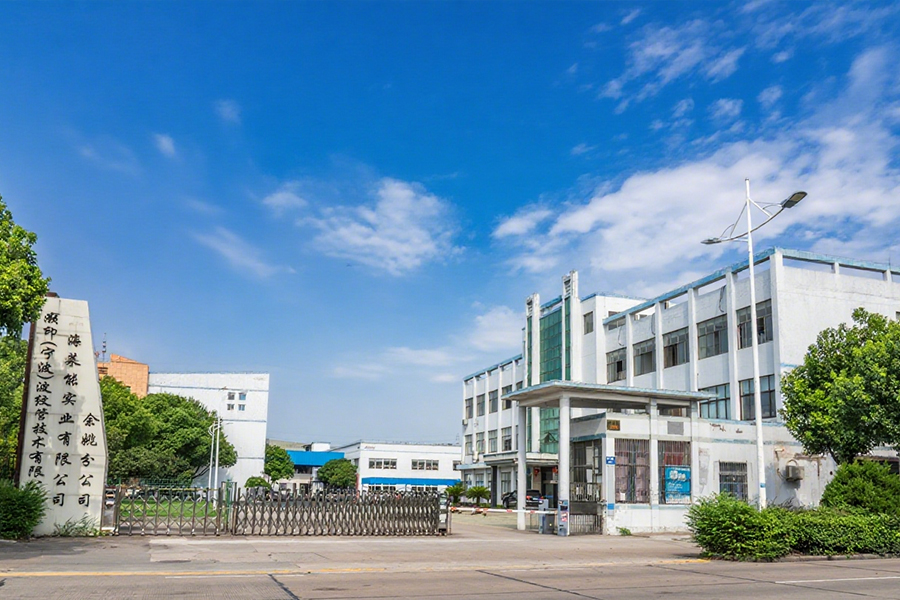
Haoyin (Ningbo) Bellows Technology Co., Ltd. is a professional enterprise specializing in the R&D, design, manufacturing, and sales of stainless steel bellows. It is committed to providing safe, efficient, and durable flexible connection solutions for gas, plumbing, heating, and other fields.
1. What are Flexible Pipes, Water Pipes, and Hose Assemblies?
Flexible Pipes
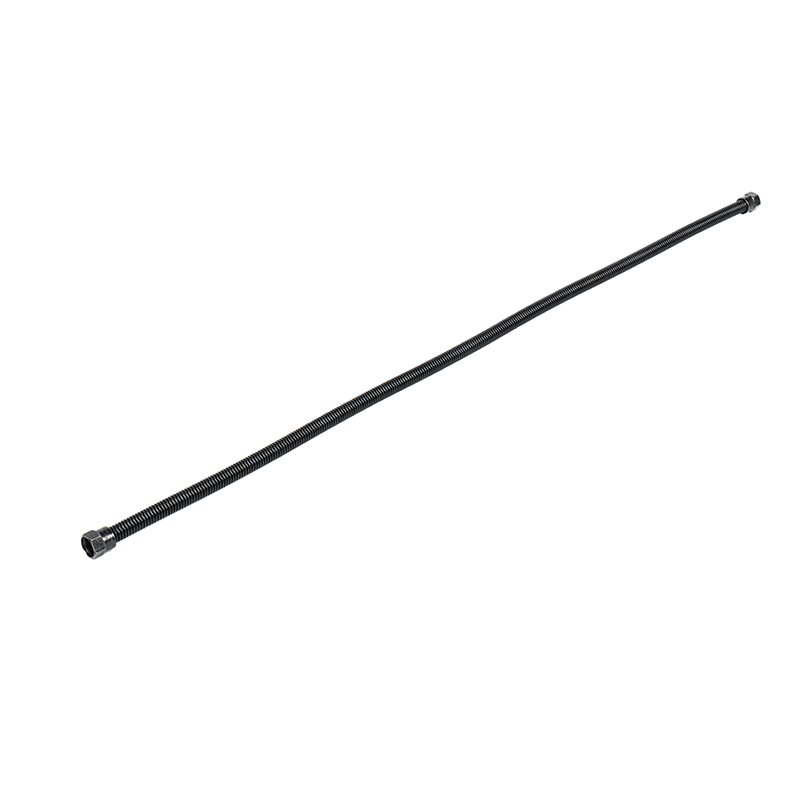
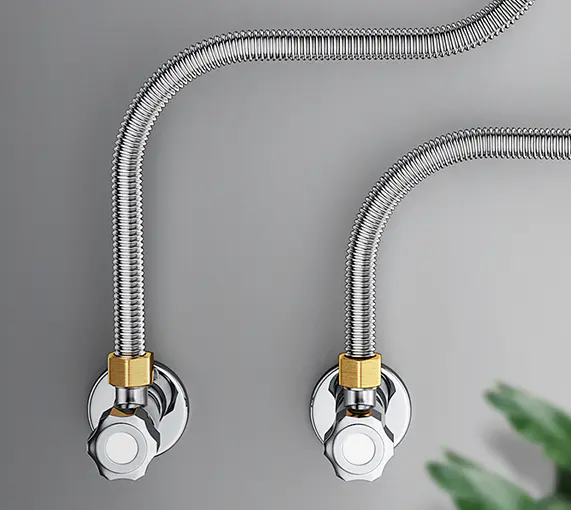
Flexible pipes are a type of pipe that can be bent and stretched, made from high-strength materials such as stainless steel, PVC, PE, or rubber. Their main function is to connect areas where fixed pipes are difficult to lay in a straight line, and they can adapt to temperature changes, equipment vibrations, or foundation settlement. Flexible pipes are widely used in industrial gas transportation, hot water supply, gas connections, and HVAC systems.
Water Pipes
Water pipes are piping systems specifically used for transporting drinking water, domestic water, or industrial water. They typically use corrosion-resistant materials such as stainless steel, copper, PPR, or PE pipes to ensure water quality safety and long-term durability. Water pipes are divided into two categories: hot and cold water systems and high-pressure systems, and are widely used in residential, commercial, and industrial facilities.
Hose Assemblies
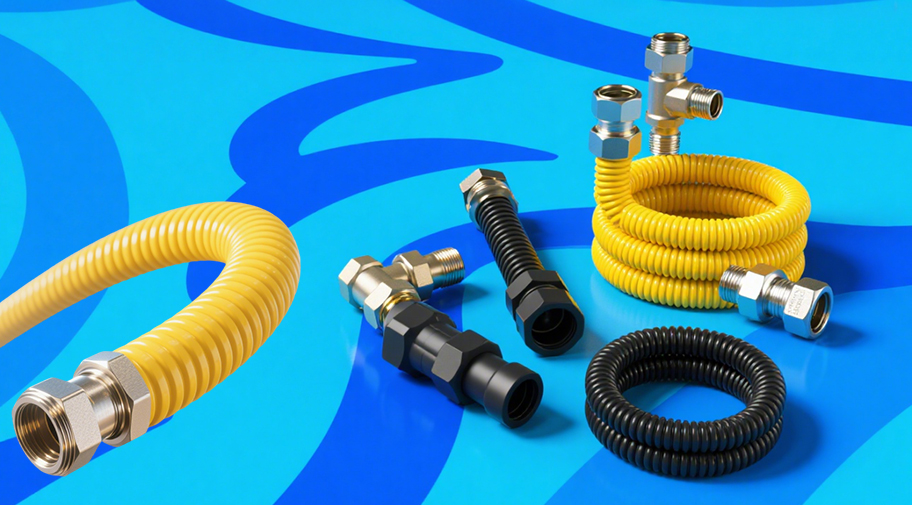
Hose assemblies are modular connection systems composed of flexible pipes and their interfaces, connectors, valves, etc. They are characterized by flexible installation and easy disassembly, allowing for quick connection to various equipment, and are suitable for gas pipelines, water supply systems, air conditioning systems, and industrial fluid transportation. Hose assemblies can be selected with different materials, diameters, and interface types depending on the application environment.
2. Advantages and Features of Flexible Pipes, Water Pipes, and Hose Assemblies
(1) Flexible installation, saving space
Flexible pipes and hose assemblies can be freely bent, adapting to complex pipe layouts or space-constrained environments, avoiding cumbersome construction such as trenching and wall demolition, and improving construction efficiency.
(2) Pressure and temperature resistant, safe and reliable
Made of high-strength materials, flexible pipes and hose assemblies can withstand higher working pressures and temperatures, ensuring the long-term safe operation of the piping system and reducing the risk of pipe bursts or leaks.
(3) Corrosion and aging resistant
Stainless steel, PE, PPR, and PVC materials have good corrosion resistance and aging resistance, enabling them to adapt to various water qualities and media, extending the life of the pipes. (4) Shock Absorption and Noise Reduction
Flexible pipes can absorb equipment vibration and pipe displacement, effectively reducing system operating noise and vibration transmission, making them suitable for both household and industrial environments.
3. Maintenance of Flexible Pipes, Water Supply Pipes, and Hose Assemblies
To ensure the safety and long-term use of the piping system, flexible pipes, water supply pipes, and hose assemblies require proper maintenance.
Regularly inspect the pipe condition
Check the pipe surface for cracks, corrosion, leaks, or signs of aging, especially at bends and joints.
Keep pipes clean
Regularly clean the inside of water supply pipes to prevent scale, sediment, or microbial growth and ensure water quality.
Check joints and seals
The sealing performance of flexible pipes and hose assemblies depends on the joints and gaskets. Aging or damaged seals should be inspected and replaced regularly.
Avoid overloading
Do not exceed the rated pressure, temperature, and expansion range of the pipes or hose assemblies to prevent material fatigue or rupture.
Prevent external damage
Pipes should not be struck by sharp objects or compressed by heavy objects to avoid damaging the pipe body or joints.
Maintenance table for flexible pipes, water supply pipes, and hose assemblies:
| Component | Maintenance Item | Frequency | Inspection Method | Corrective Action | Preventive Measures |
| Flexible Pipes | Connection leaks | Monthly | Soap bubble test | Tighten or replace gaskets | Use anti-loosening clamps |
| (Gas/Water) | Surface damage | Quarterly | Visual inspection | Replace damaged section | Avoid mechanical abrasion |
| Bend deformation | Annually | Bend radius check (≥10cm) | Re-route installation | Prevent sharp bends | |
| Water Pipes | Clogging/scale buildup | Biannually | Pressure test | Chemical/mechanical descaling | Install filters |
| (PVC/Metal) | Corrosion/aging | Annually | Tap test (metal pipes) | Replace corroded sections | Apply anti-corrosion coating |
| Loose fittings | Quarterly | Manual shake test | Re-tighten or replace washers | Use vibration-resistant mounts | |
| Hose Assemblies | Cracking/hardening | Biannually | Tactile inspection | Replace aged hoses | Avoid direct sunlight |
| (Rubber/SS) | Internal delamination | Annually | Backflush water flow | Replace hose | Select pressure-rated models |
| Clamp corrosion | Annually | Visual inspection | Replace stainless steel clamps | Use rust-resistant materials |
4. FAQ for Flexible Pipes, Water Supply Pipes, and Hose Assemblies
Q1: Can flexible pipes be used for gas or high-temperature media?
A1: Yes, but you need to select a product with the appropriate temperature and pressure rating based on the pipe material to ensure compliance with safety standards.
Q2: What should I do if the water pressure in the water supply pipes is unstable or there is a leak?
A2: First, check if the valves and joints are loose or if the seals are aging. Then check the pipes themselves for damage. Replace parts as needed.
Q3: Can hose assemblies be bent or stretched arbitrarily?
A3: They should not be excessively bent or stretched. Follow the manufacturer's recommended minimum bending radius and expansion range to avoid damage.
Q4: What is the typical lifespan of flexible pipes, water supply pipes, and hose assemblies?
A4: Depending on the material and operating environment, the lifespan is usually between 10 and 30 years. Stainless steel and high-quality PE pipes have the longest lifespan, while rubber hoses have a relatively shorter lifespan.
Q5: How to choose the right hose assembly? A5: The appropriate product must be selected based on the type of medium, temperature, pressure, pipe diameter, connection method, and installation environment, and must comply with local safety standards.
Q6: How to extend the lifespan of pipelines during daily use?
A6: Avoid overloading, keep the pipes clean, regularly inspect joints and seals, and promptly address any abnormal situations.
Haoyin (Ningbo) Bellows Technology Co., Ltd.





 English
  Español