-
+86-574-62166708
-
-


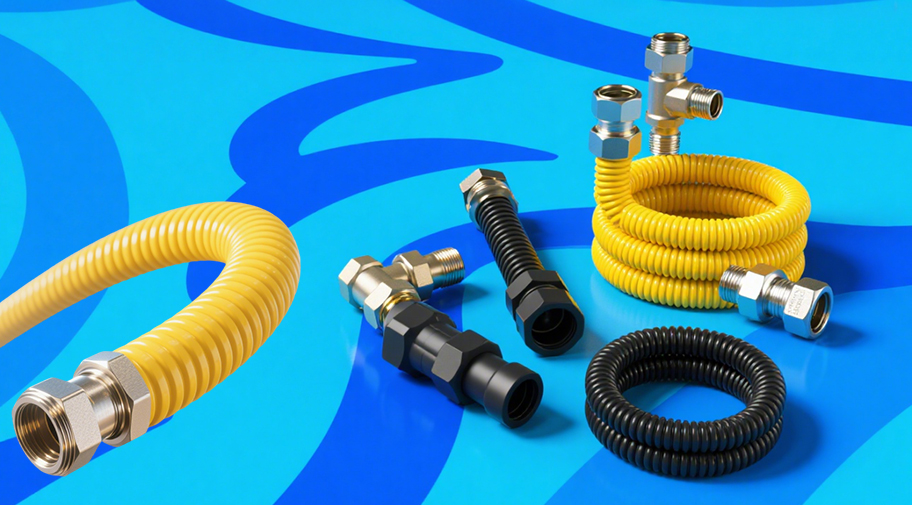


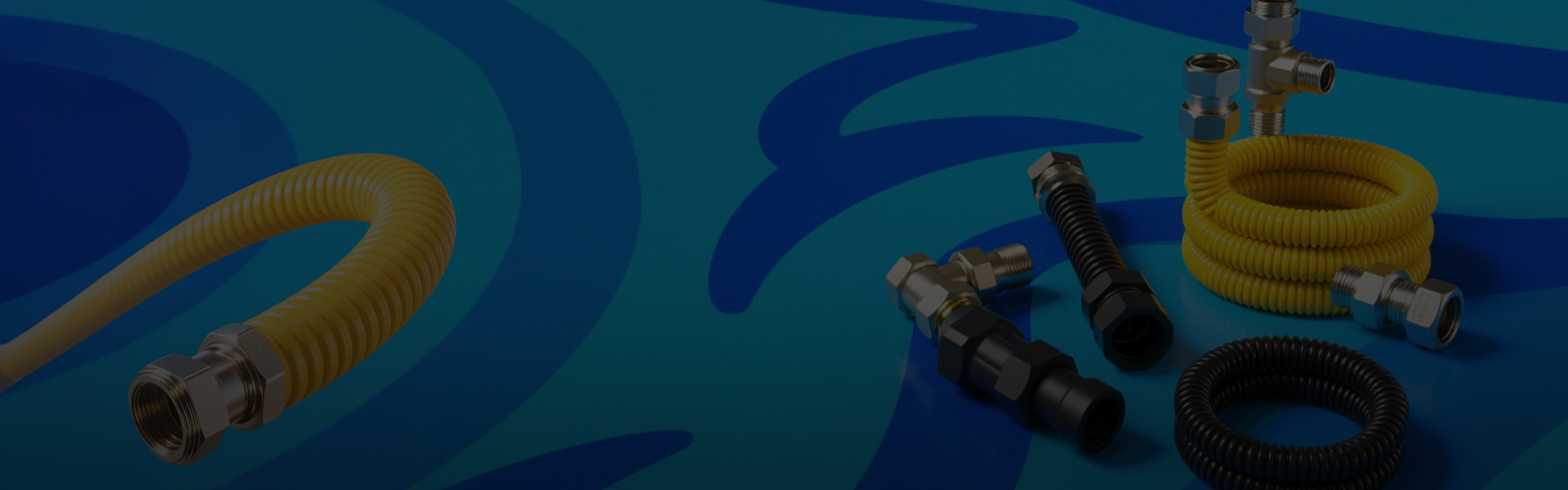
Select the product you want
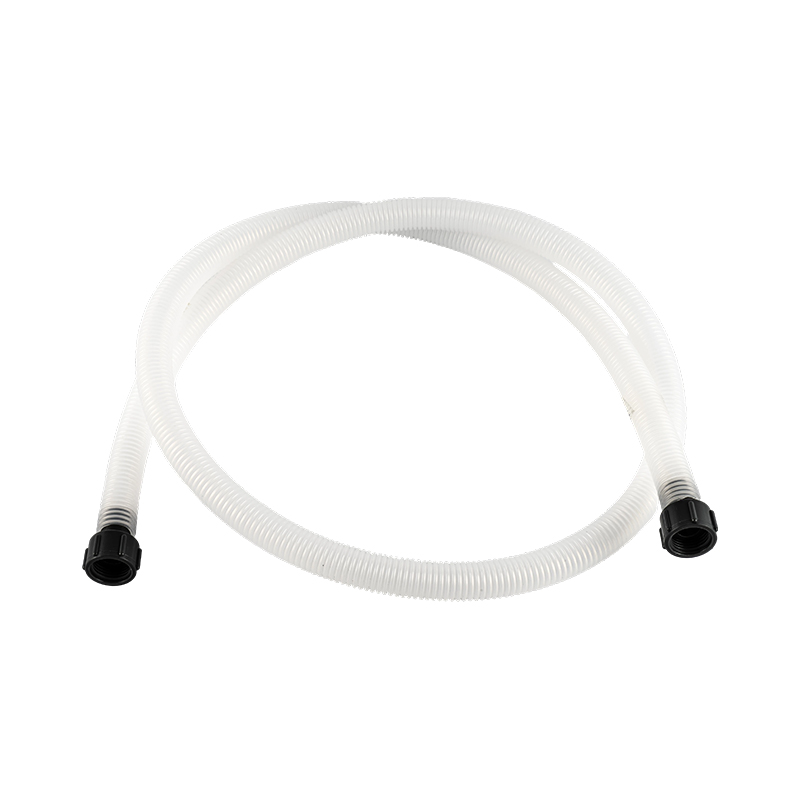
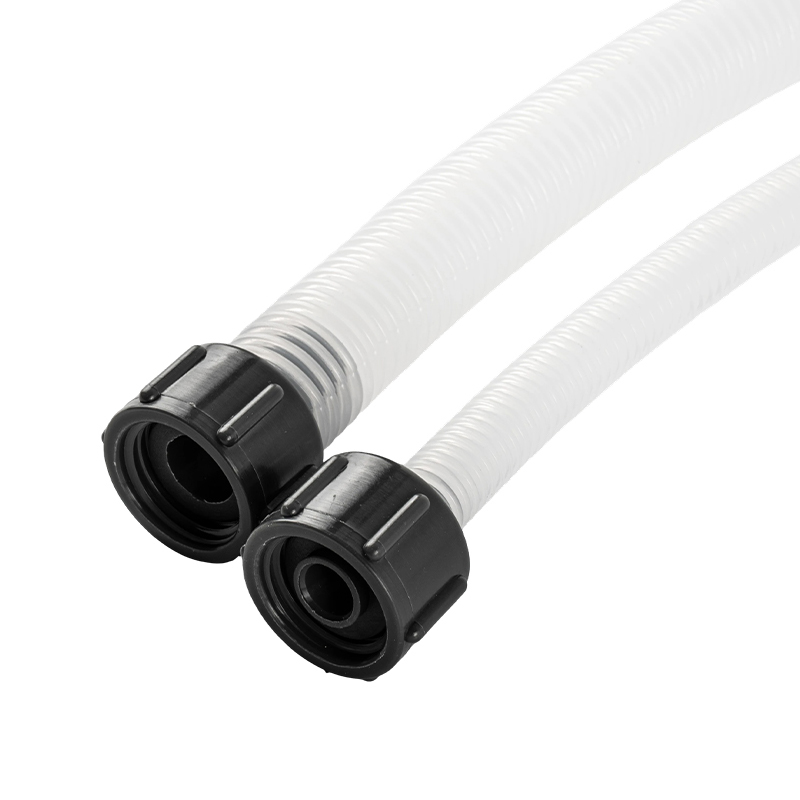
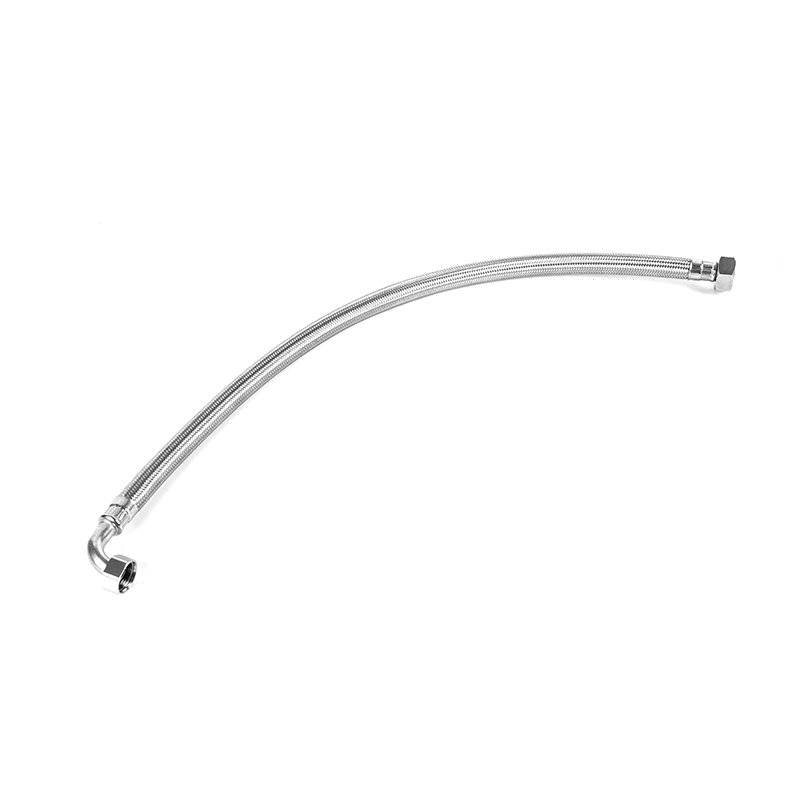
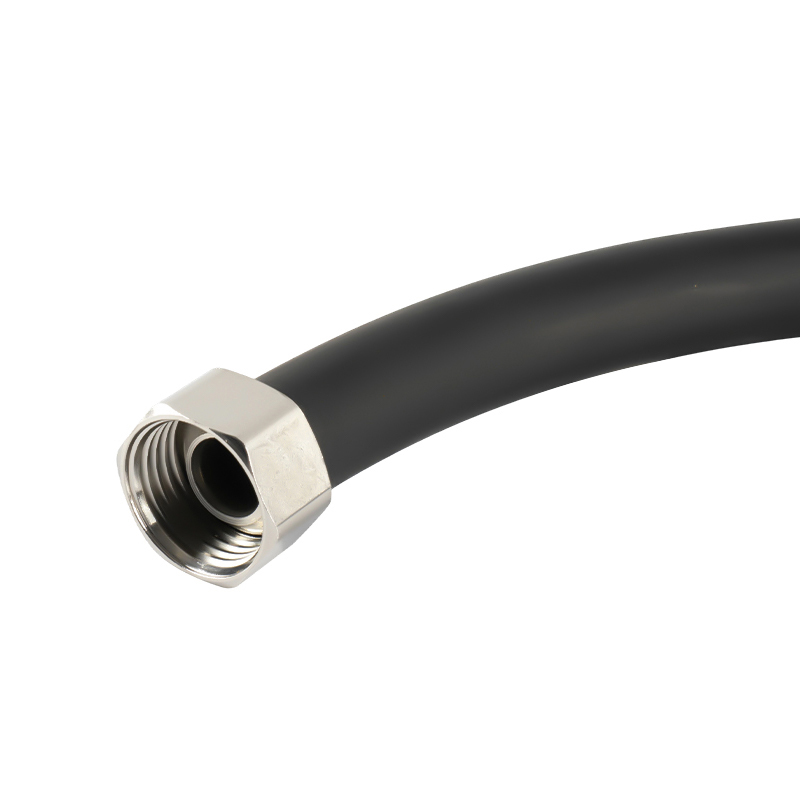
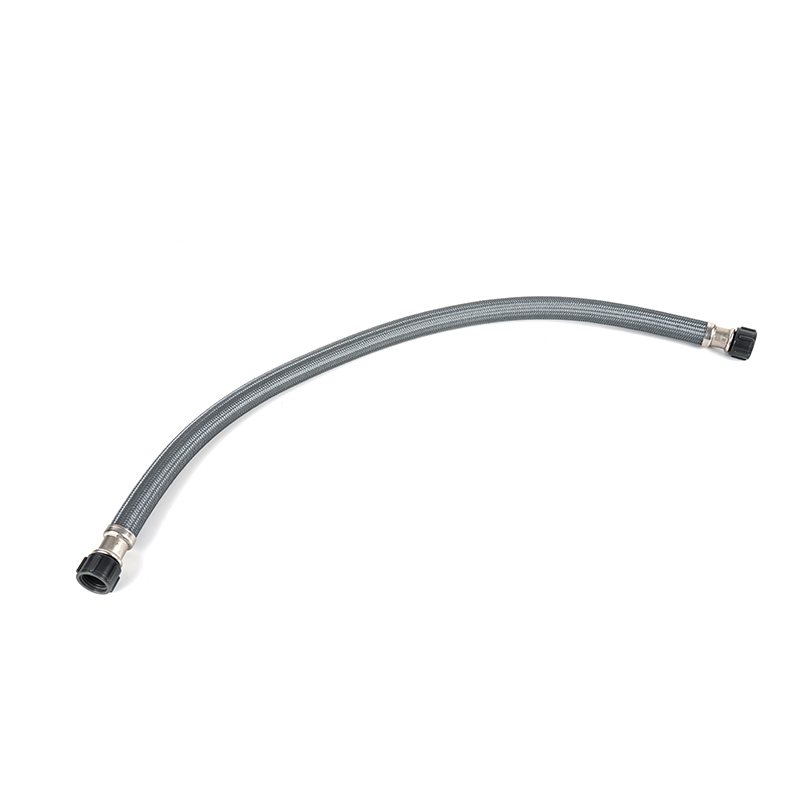
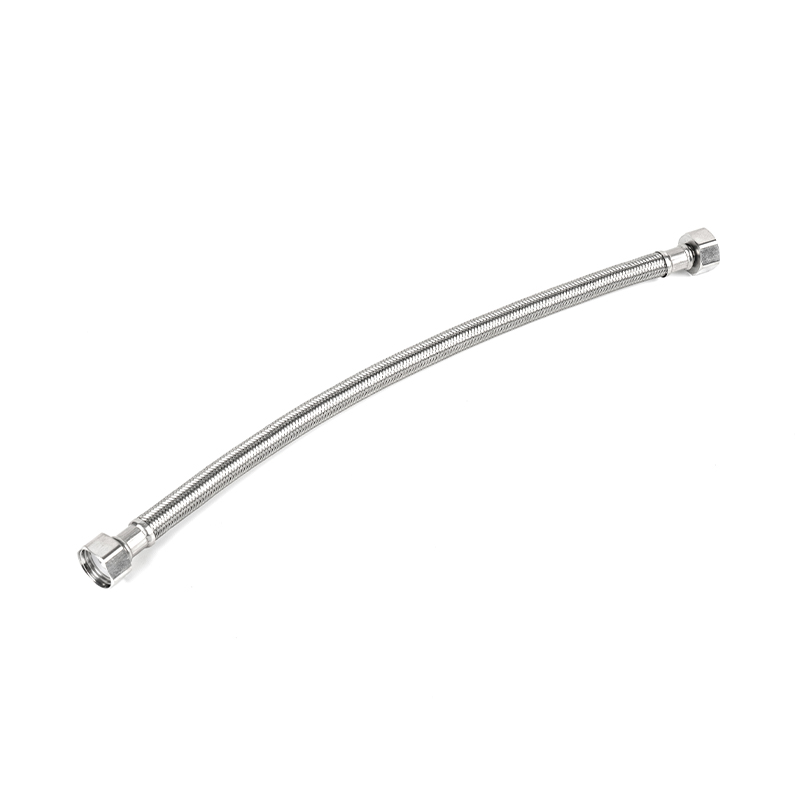
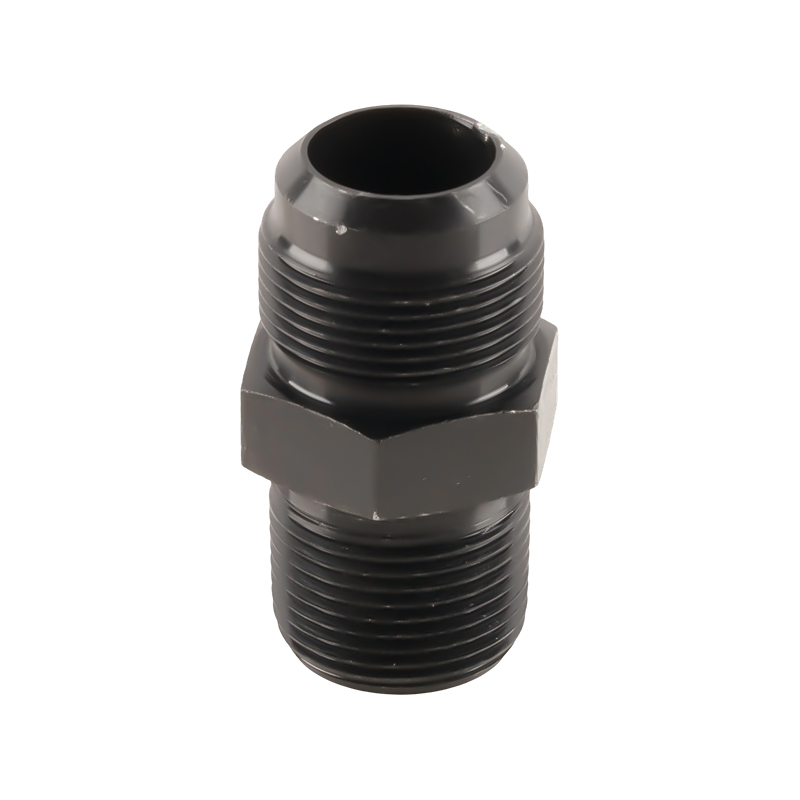
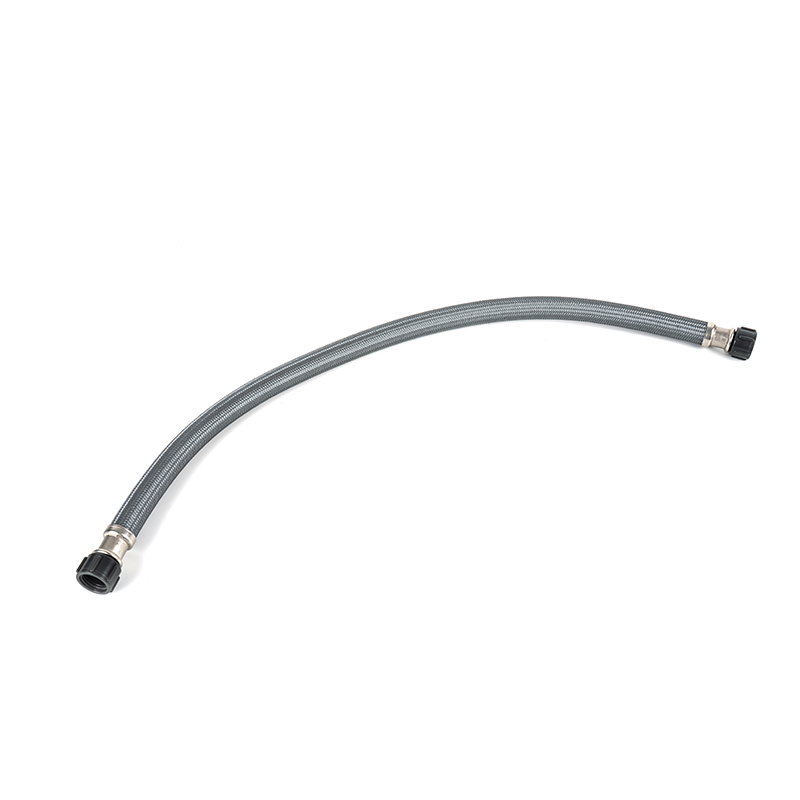
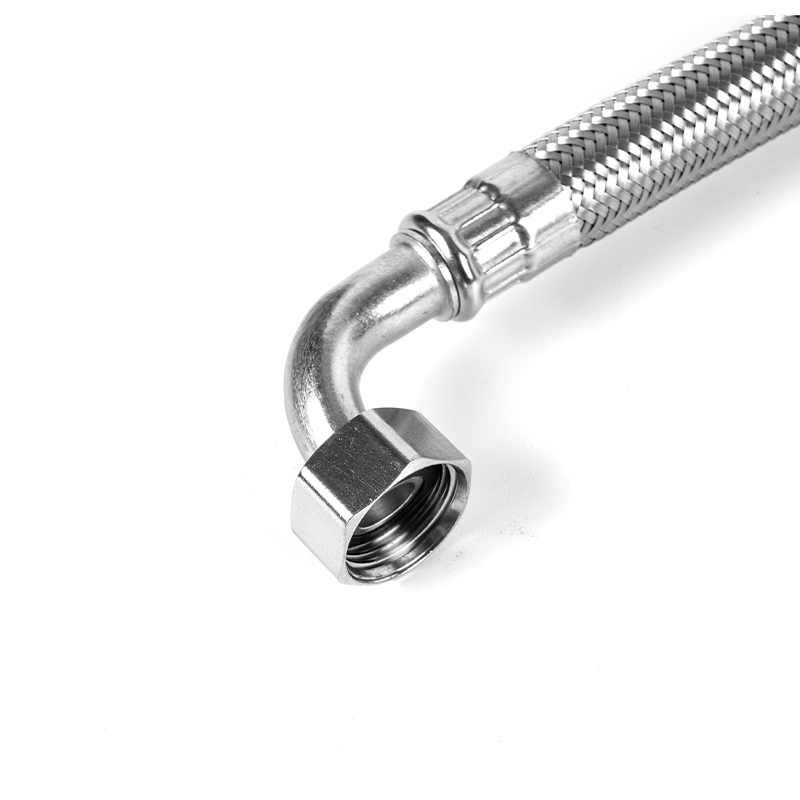
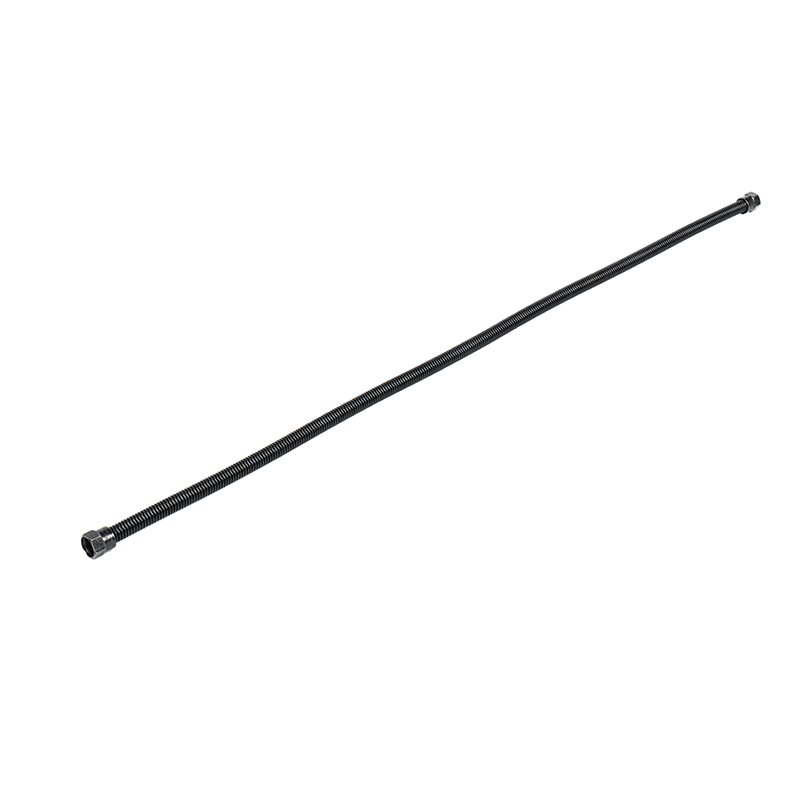
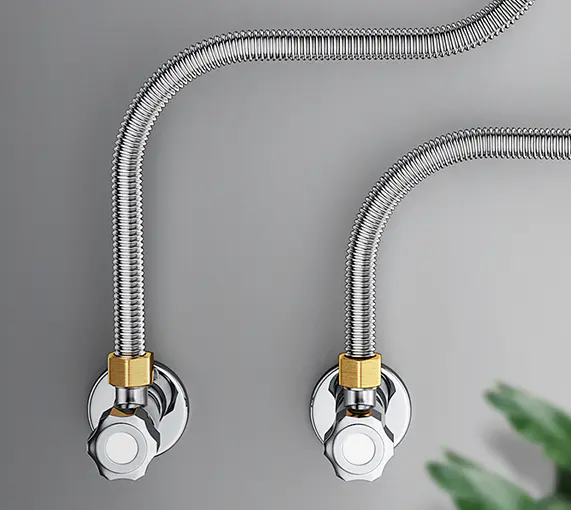
Pipe Diameter: DN12, DN14,
DN18, DN21, DN22,
Customized/Bespoke
About us
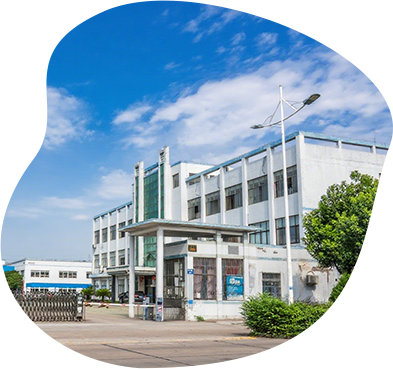


Factory Area

Advanced Equipment

employees

Monthly Production (10000 meters)
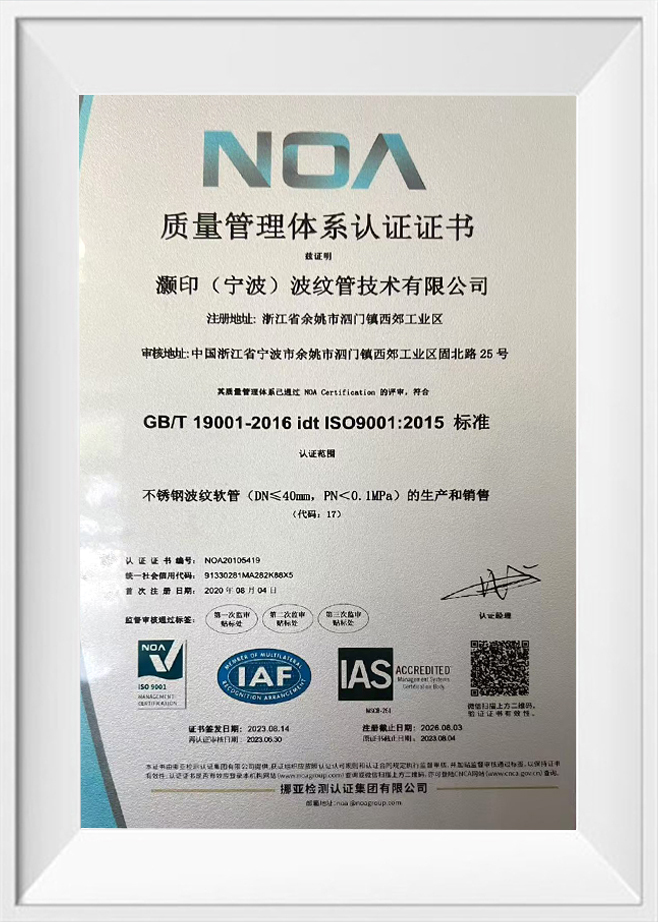
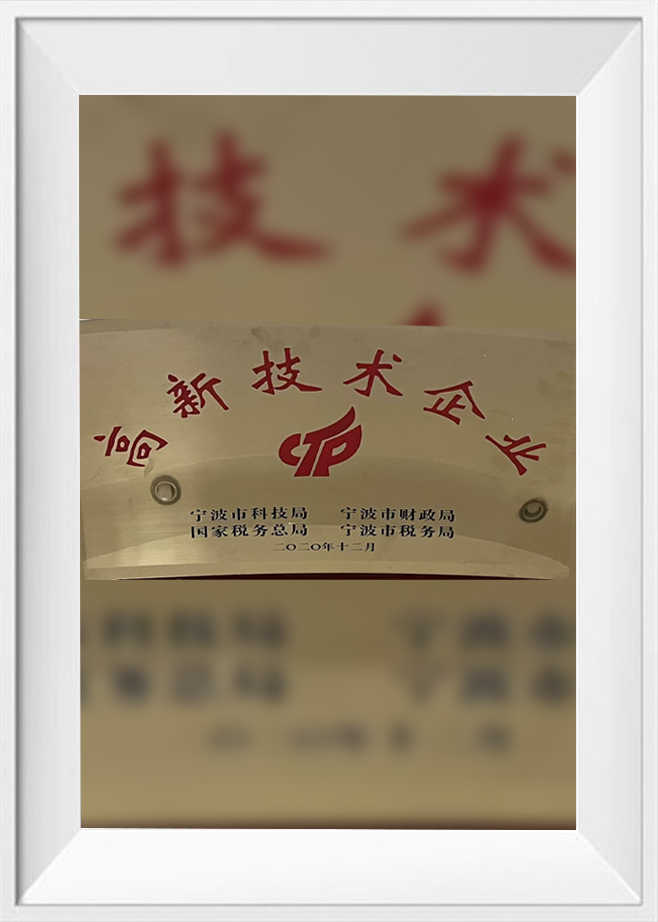
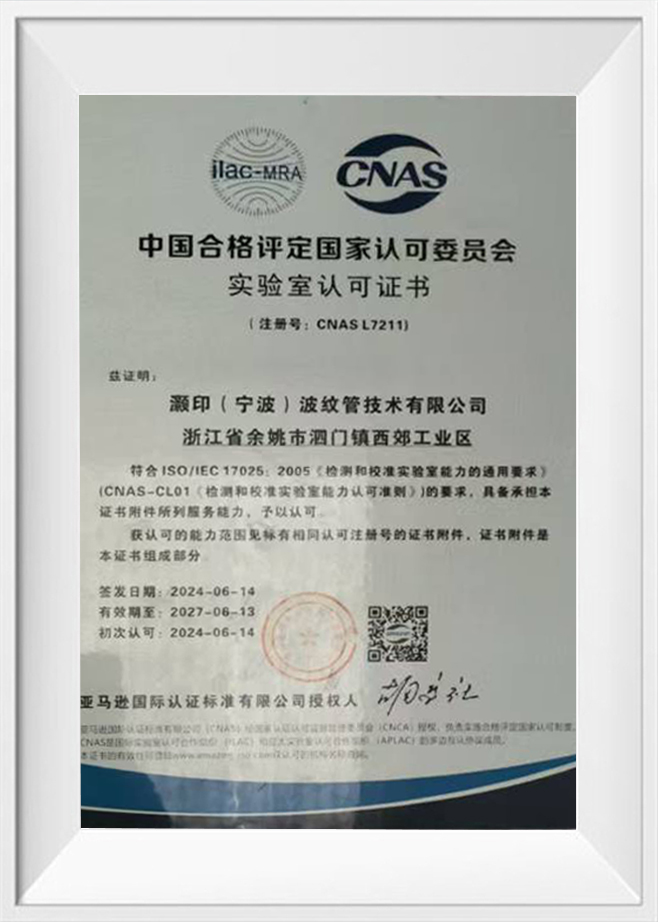
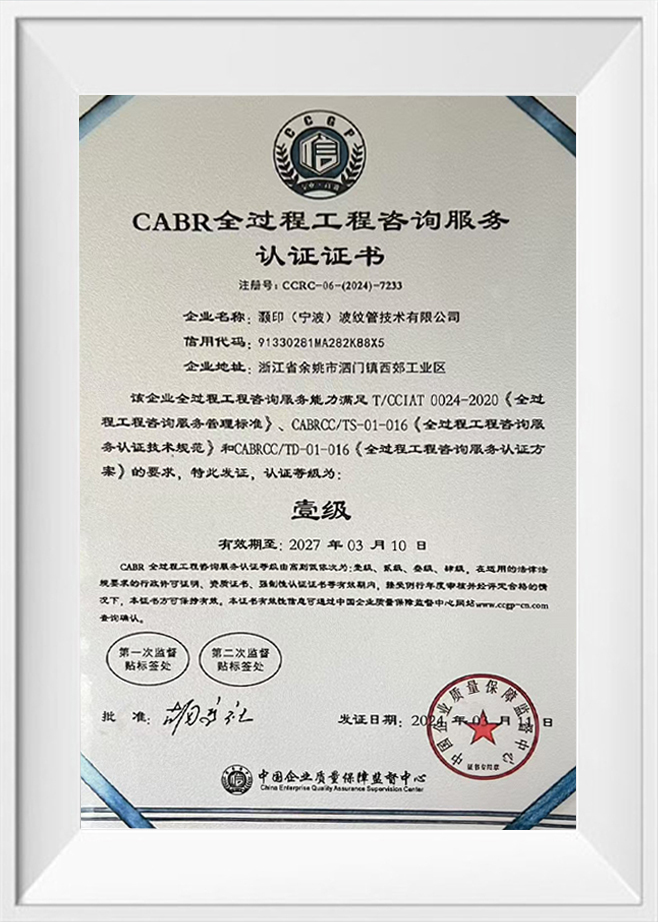
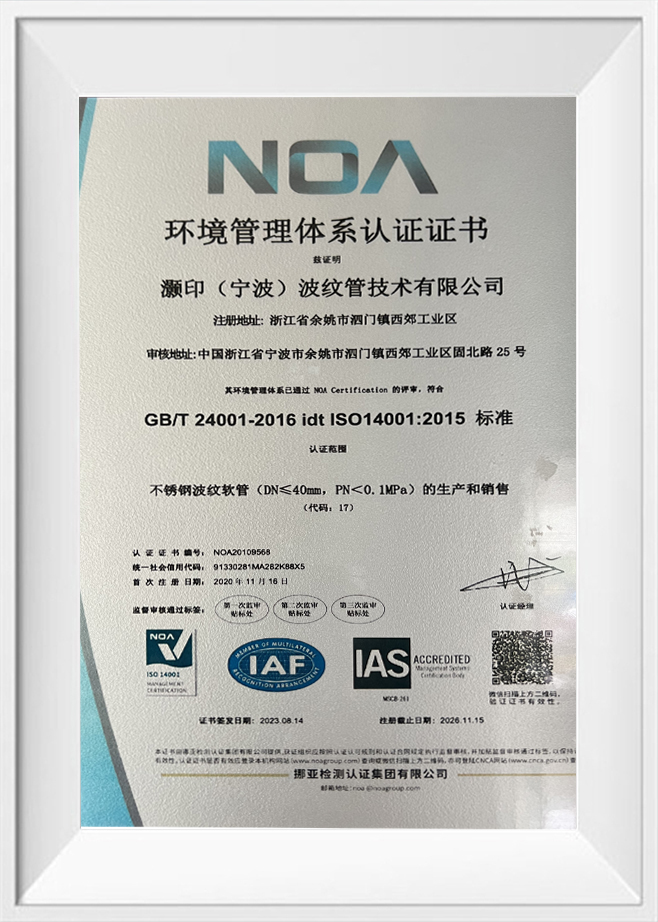
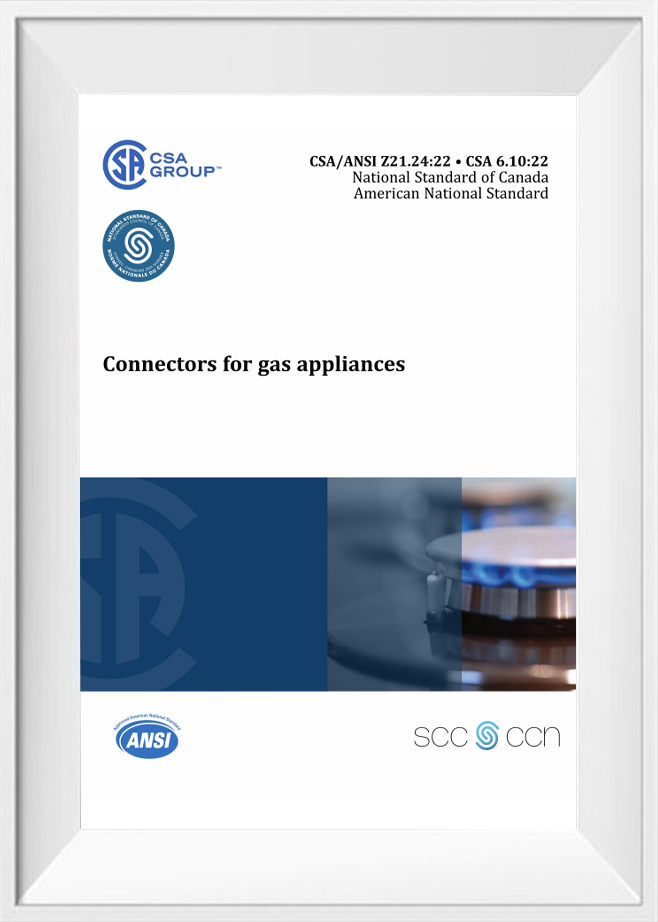
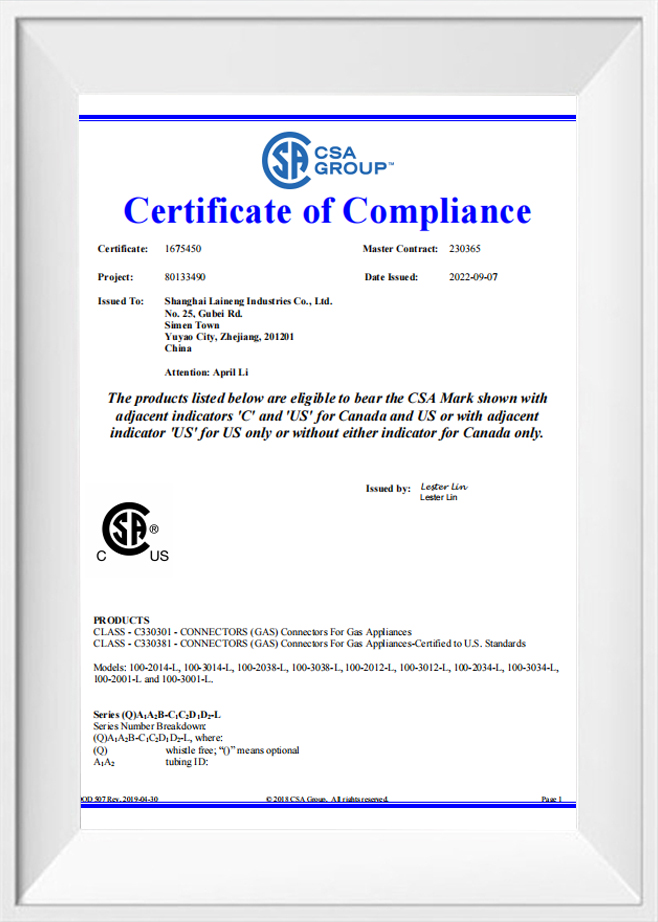
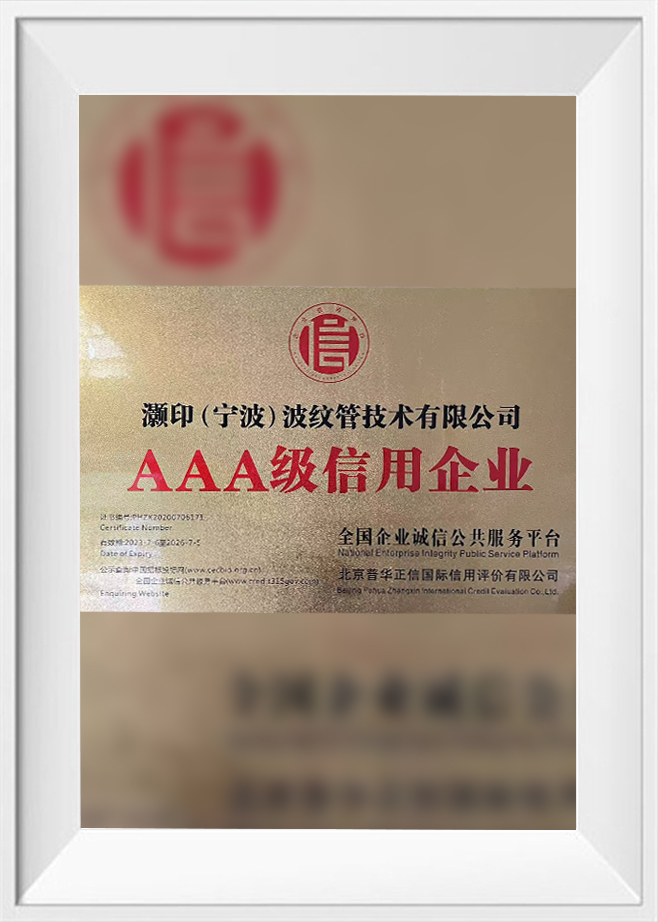
certificate
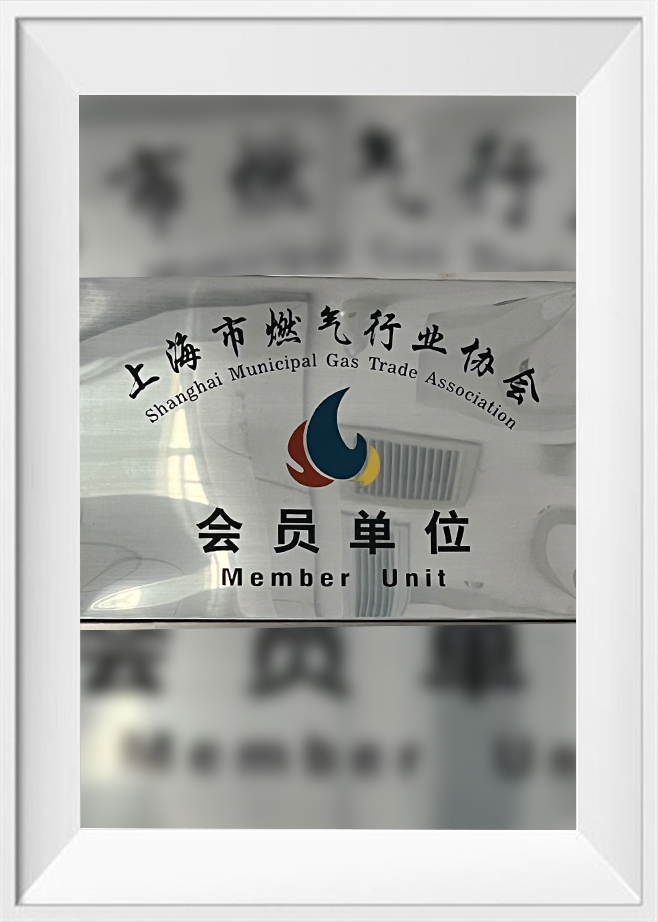
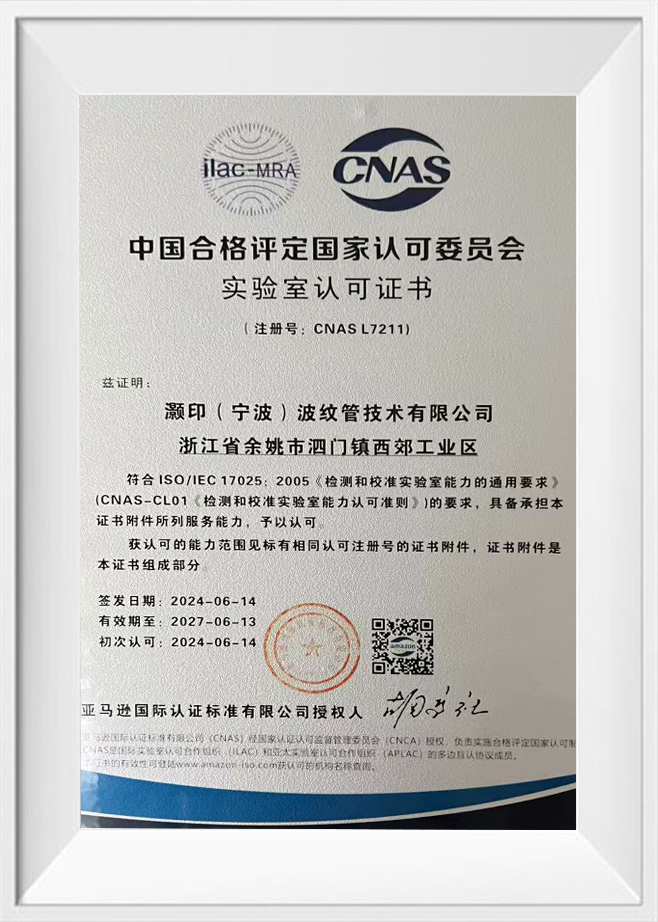
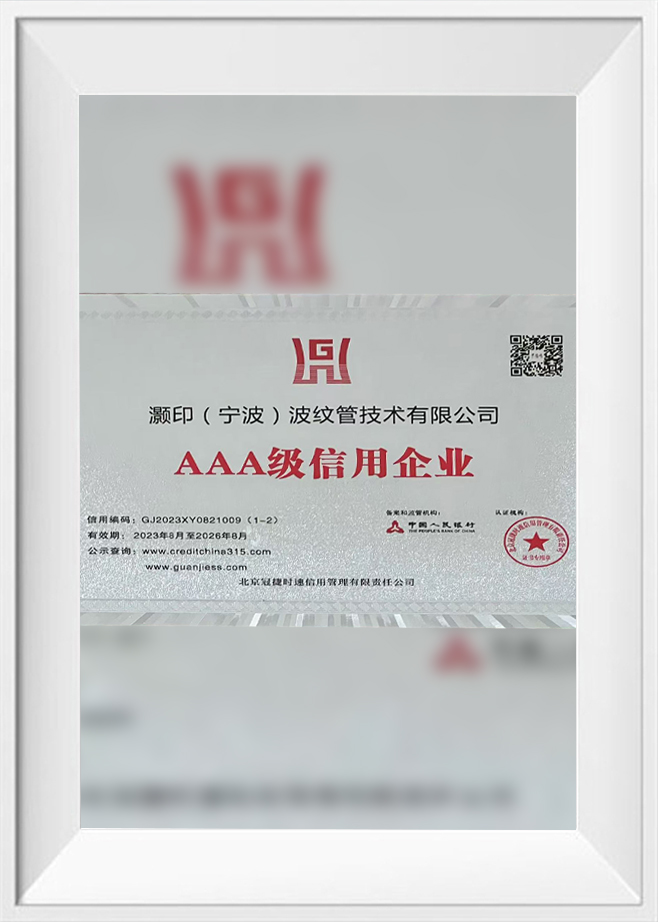
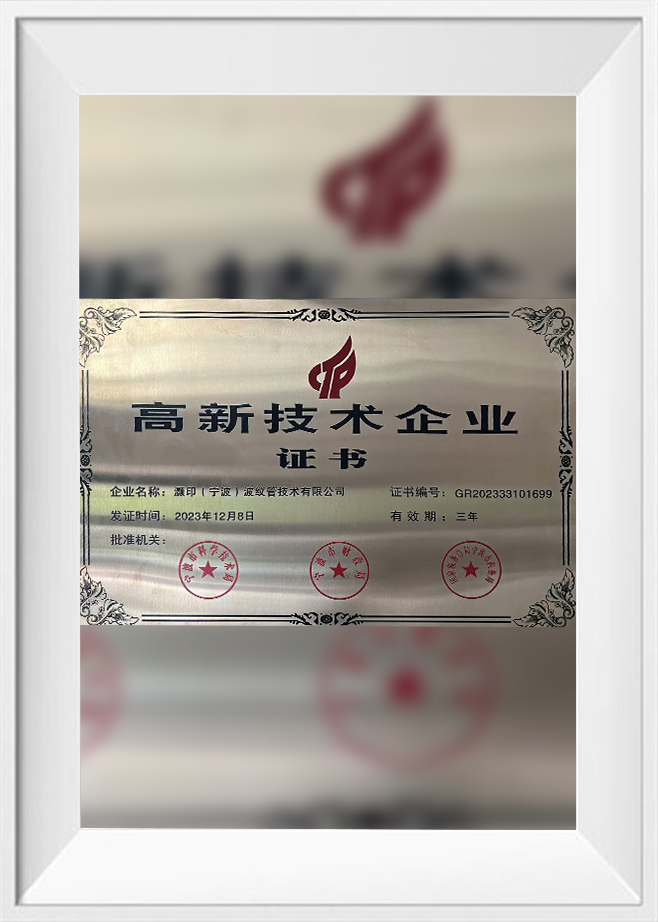
NEWS
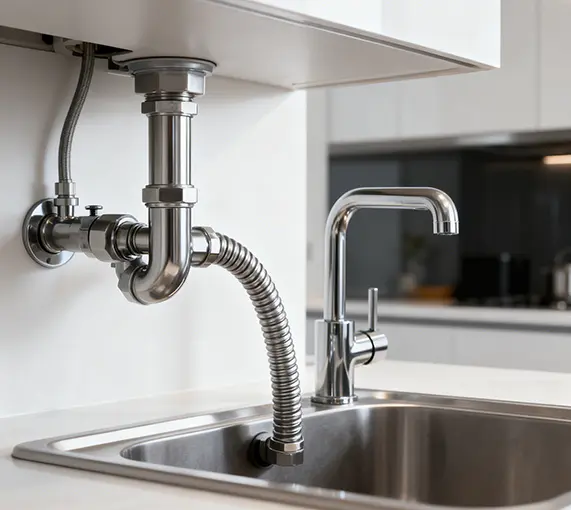

Stainless Steel Bellows Are Better for High Performance, Rubber Bellows for Flexibility and Cost The clear answer is this: Stainless Steel Bellows are better for high-temperature, high-pressure, and corrosive environments, while rubber bel...
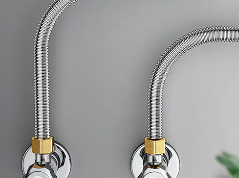
What Are Metal Hoses and Compensators, and Why Are They Essential? Metal hoses and compensators are vital components in many industrial systems. They provide flexibility, absorb movement, and offer resistance to high temperatures, pressure...
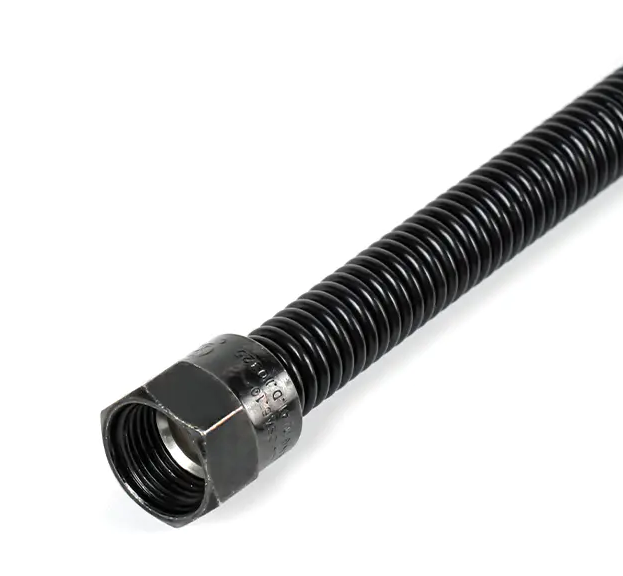
What Is the Core Advantage of Stainless Steel Bellows? The main advantage of Stainless Steel Bellows is their ability to provide flexible movement while maintaining a high-integrity seal under extreme pressure and temperature conditions. I...
With the aging of urban infrastructure and the increasing age of water pipes in residential and commercial buildings, problems such as leaks, pipe bursts, corrosion, and scaling are becoming increasingly common. Traditional pipe replacement requires demolition of walls and floors, has a long construction period, and is costly. Therefore, more and more projects are adopting pipe lining/pipe relining technology to extend the lifespan of pipes and restore normal water supply.
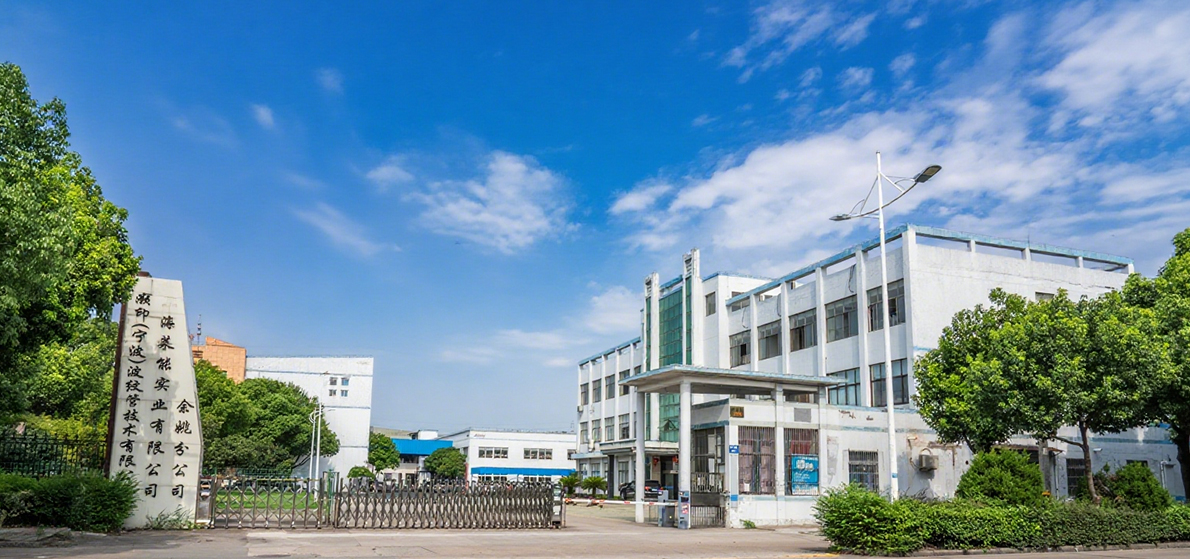
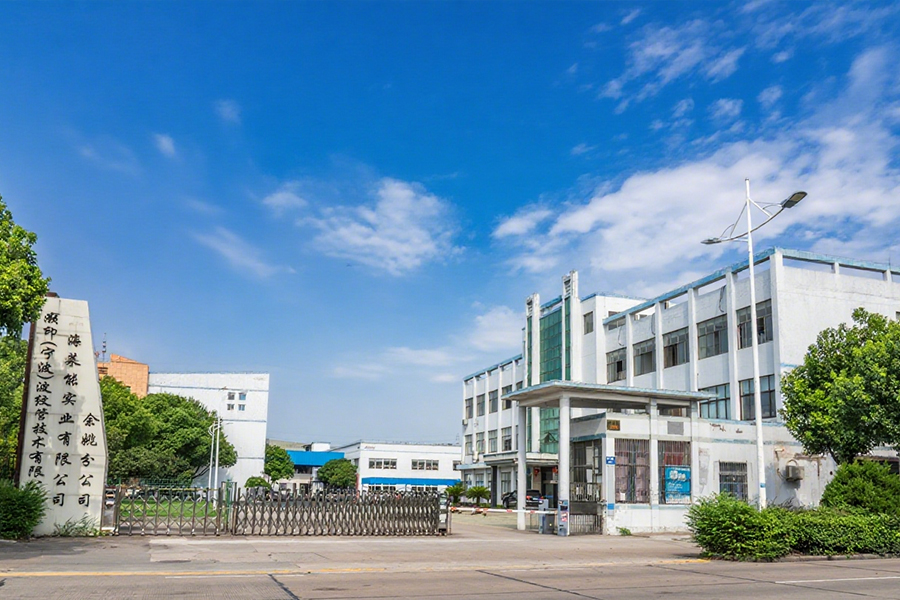
Haoyin (Ningbo) Bellows Technology Co., Ltd. is a professional enterprise specializing in the R&D, design, manufacturing, and sales of stainless steel bellows. It is committed to providing safe, efficient, and durable flexible connection solutions for gas, plumbing, heating, and other fields.
(1) What is Pipe/Water Pipe Lining?
Pipe/water pipe lining is a repair method that does not require the removal of old pipes. It involves adding a new lining layer inside the old pipe to restore its strength, sealing ability, and water flow capacity. Simply put, it's like "creating a new pipe" inside the old one, thus solving problems such as corrosion, leaks, scaling, and cracks. During construction, technicians first clean the inside of the old pipe, and then inject or install materials such as epoxy resin, fiberglass lining, or PE sleeves into the pipe. After curing, a brand-new, high-strength, and corrosion-resistant pipe structure is formed.
This technology is suitable for various types of pipes, including cold water pipes, hot water pipes, sewage pipes, municipal water supply pipes, and industrial pipelines. It is especially suitable for situations where excavation is inconvenient, pipes are hidden within walls, commercial buildings cannot be shut down, or old community pipe networks are difficult to replace. Its core value lies in achieving pipe renovation with minimal disruption, significantly reducing time, cost, and engineering difficulty.
(2) Advantages and Features of Pipe/Water Pipe Lining
Pipe lining is widely recognized because it has significant advantages over traditional pipe replacement. It requires almost no wall demolition or excavation; most projects can be completed by accessing the pipe through pipe joints or inspection ports, making it ideal for homes, office buildings, hotels, shopping malls, hospitals, and other scenarios where construction disruption is sensitive. Secondly, the lined pipes have a lifespan of 20-50 years, with significantly improved corrosion resistance, no longer affected by rust, scaling, or bacterial growth, resulting in more stable water quality and smoother water flow.
In addition, lining materials such as epoxy resin and fiberglass lining have very high sealing properties, effectively preventing leaks and seepage, and reducing damage to the building structure. Due to the smooth inner wall, water flow resistance is lower, so even with a slight reduction in pipe diameter, the actual water flow can still be significantly increased. In terms of engineering efficiency, pipe lining construction is fast; most household lining projects can be completed within one day, and commercial and industrial systems also save significantly more downtime compared to traditional pipe replacement.
(3) Key Maintenance Points for Pipe/Water Pipe Lining
Although the lined pipe structure is stable and reliable, proper maintenance can effectively extend its service life. First, the water pressure should be kept stable, avoiding prolonged exposure to high water pressure. Installing a pressure reducing valve is recommended, especially in high-rise buildings or environments with significant pressure fluctuations. Second, the pipe connections, valves, and joints should be checked regularly, because although the lining layer itself is strong, external fittings may still leak due to aging or external forces.
In addition, avoid discharging strong acid or alkaline solutions into the pipes, especially in industrial environments, as excessively corrosive substances may damage the lining material. For hot water systems, ensure that the temperature does not exceed the temperature resistance range of the lining material to prevent long-term high temperatures from degrading the material's performance. If used in a drinking water system, regular water quality testing is recommended to ensure clean and safe water without the release of harmful substances. If abnormal pressure, fluctuating water flow, localized leaks, or unusual odors are detected during use, professional personnel should be contacted as soon as possible to prevent minor problems from developing into more complex pipe issues.
Plumbing Pipe & Water Liner Maintenance Guide:
| Component | Frequency | Tools/Materials | Key Procedures |
| Pipe Interior | Annually | Endoscope camera | Check for mineral deposits or pitting; descale if >1mm accumulation |
| Liner Surface | Biennially | Tactile inspection glove | Run hand along interior (with system off) for roughness or delamination |
| Joint Connections | Semi-annually | Pressure gauge, soap solution | Pressurize to 1.5x operating PSI; check all fittings with bubble test |
| Flow Rate | Quarterly | Flow meter | Compare against original specs (卤10% acceptable variance) |
| Water Quality | After 5 years | pH/chlorine test kit | Verify pH 6.5-8.5 and chlorine <4ppm to prevent liner degradation |
(4) Pipe/Water Pipe Lining FAQ (Frequently Asked Questions)
Q1: Will pipe lining reduce the pipe diameter? Will it affect water flow?
It will slightly reduce the pipe diameter, but due to the smooth inner wall and lower resistance, water flow usually increases.
Q2: How long is the lifespan of a lined pipe?
Typically 20–50 years, with slight variations depending on the material and construction quality.
Q3: Are all pipes suitable for lining?
Most are suitable, but pipes that are completely collapsed, severely misaligned, or completely broken need to be replaced.
Q4: How long does the water need to be shut off during construction?
For households, it usually takes 6–12 hours; for commercial buildings, it is typically within 12–48 hours.
Q5: Is lining suitable for drinking water systems? Yes, many high-quality epoxy and lining materials meet drinking water safety standards such as NSF and WRAS.
Q6: Will there be any odor or pollution during construction?
Modern materials are generally odorless and completely non-toxic and safe after curing.
Q7: Is it more expensive than replacing pipes?
It is usually cheaper, saving 30–50% of the overall cost, especially in complex environments.
Q8: Can it be repaired or relined again in the future?
Yes. The lined pipe structure is stable, and it can still be inspected, cleaned, or repaired again in the future.
Haoyin (Ningbo) Bellows Technology Co., Ltd.





 English
  Español