-
+86-574-62166708
-
-


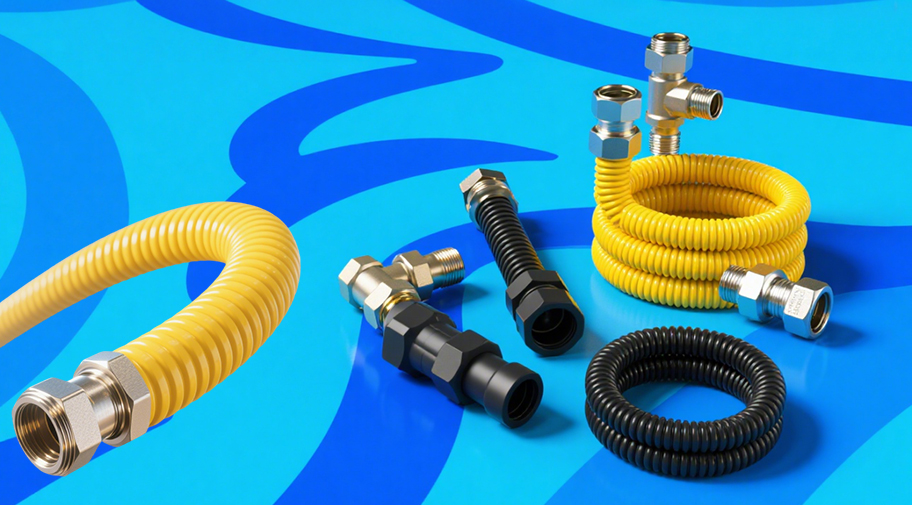




Select the product you want
About us



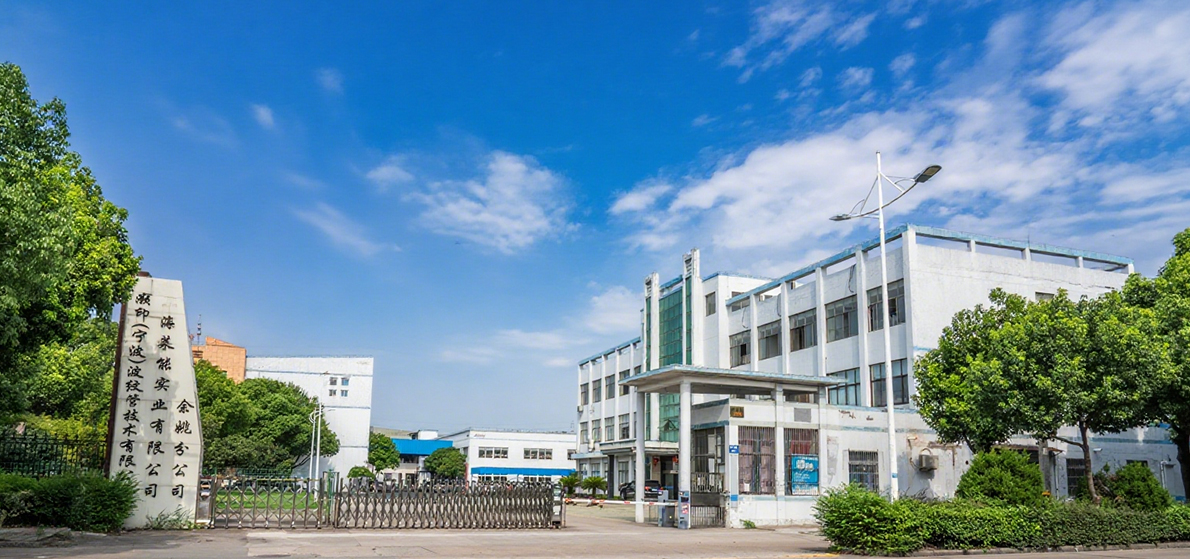
Factory Area

Advanced Equipment

employees

Monthly Production (10000 meters)
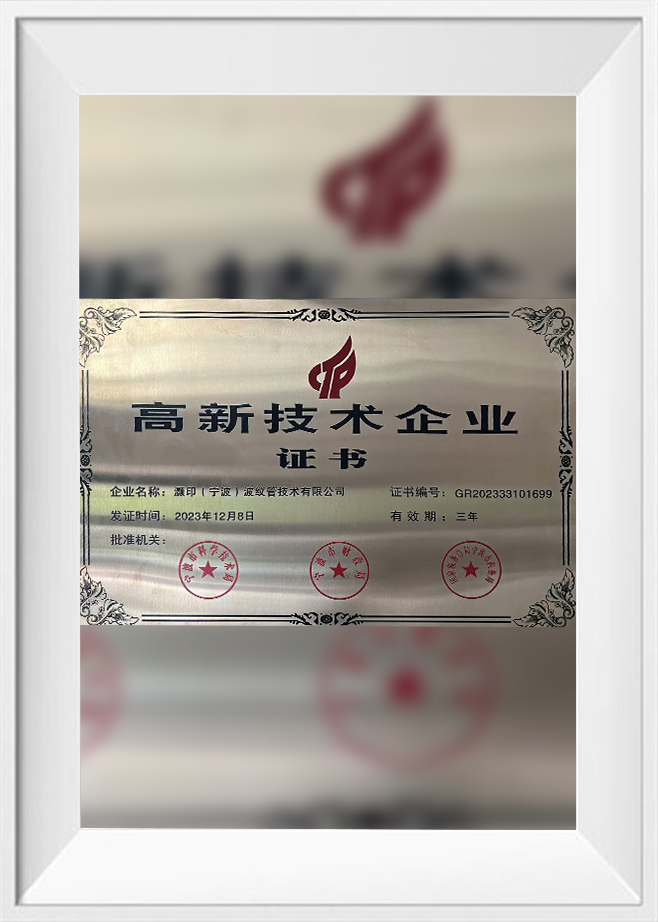
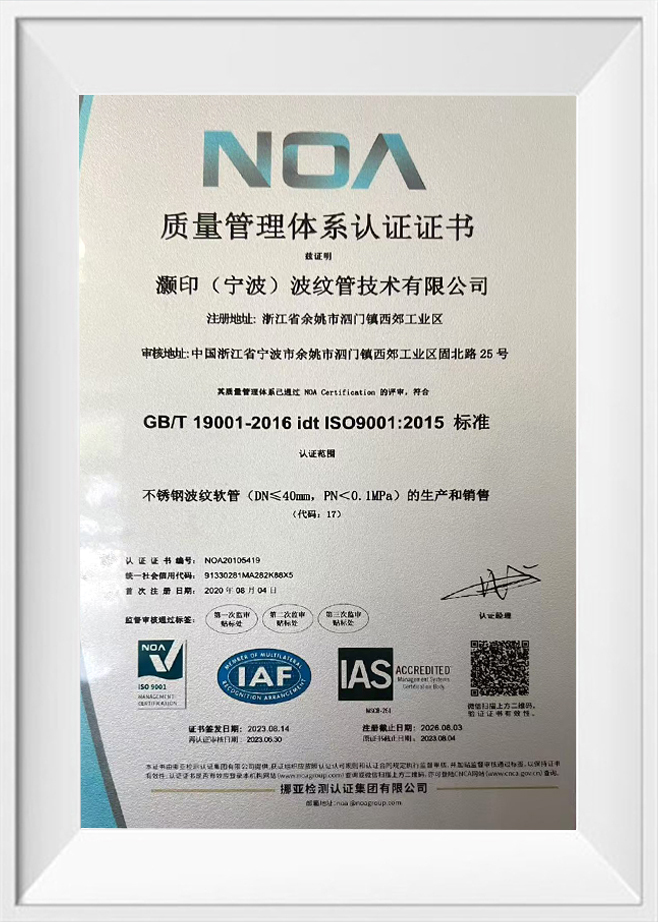
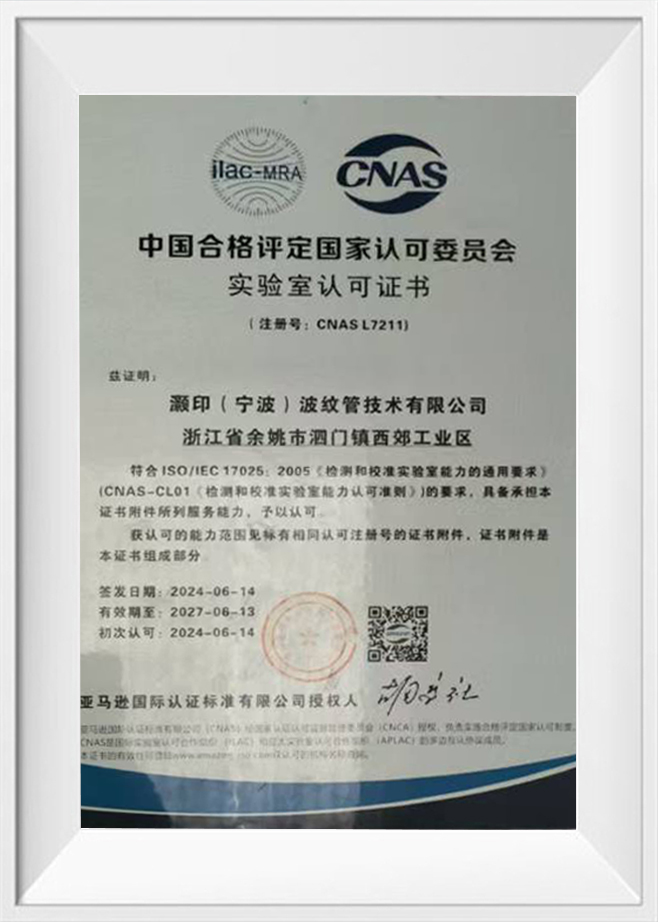
certificate
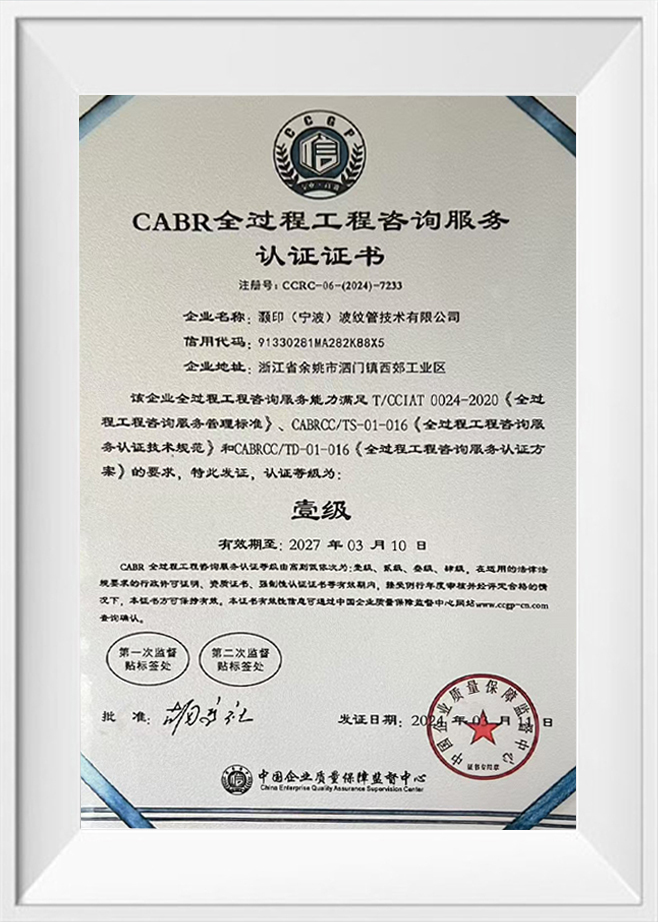
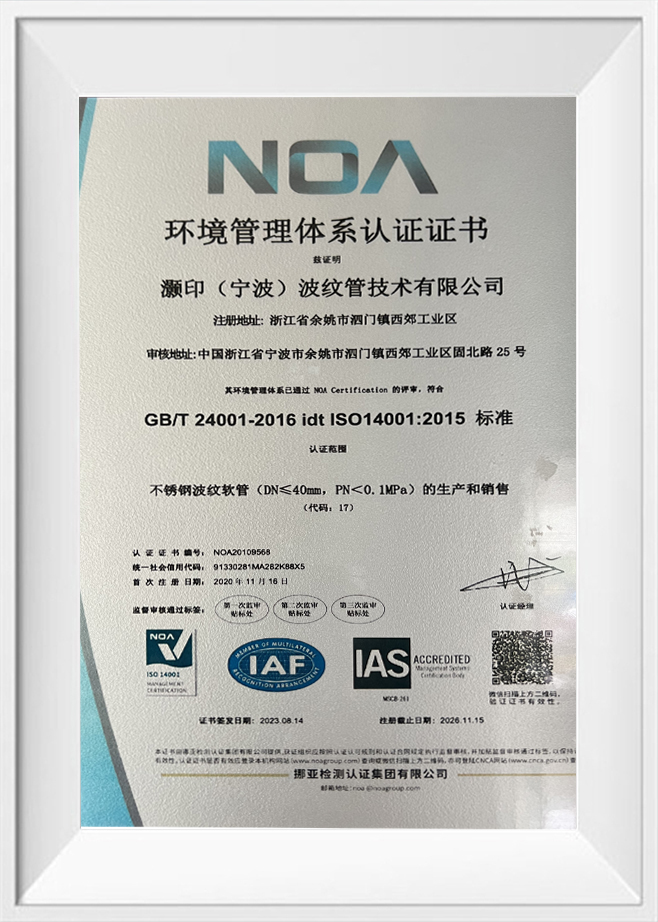
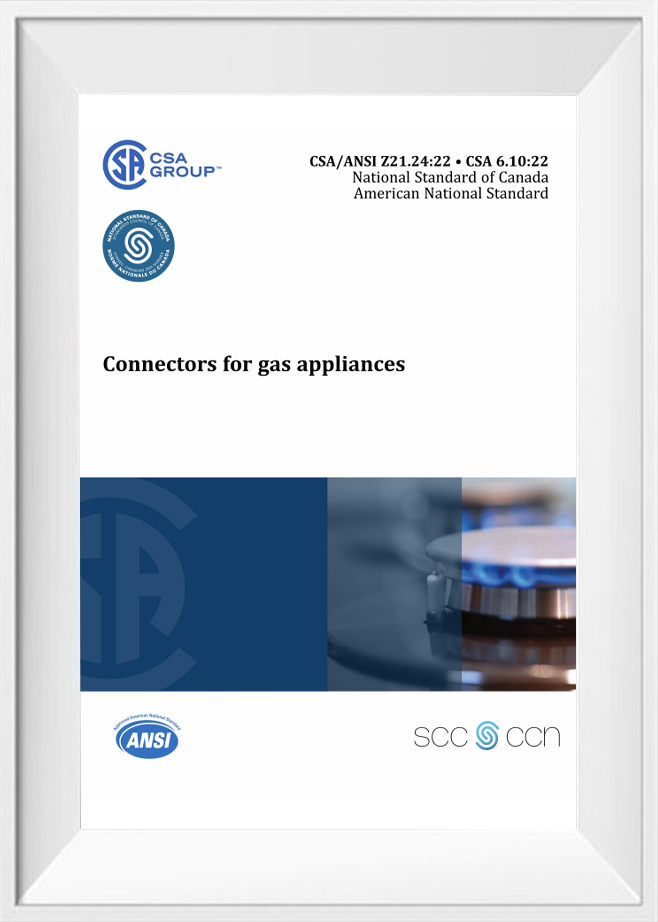
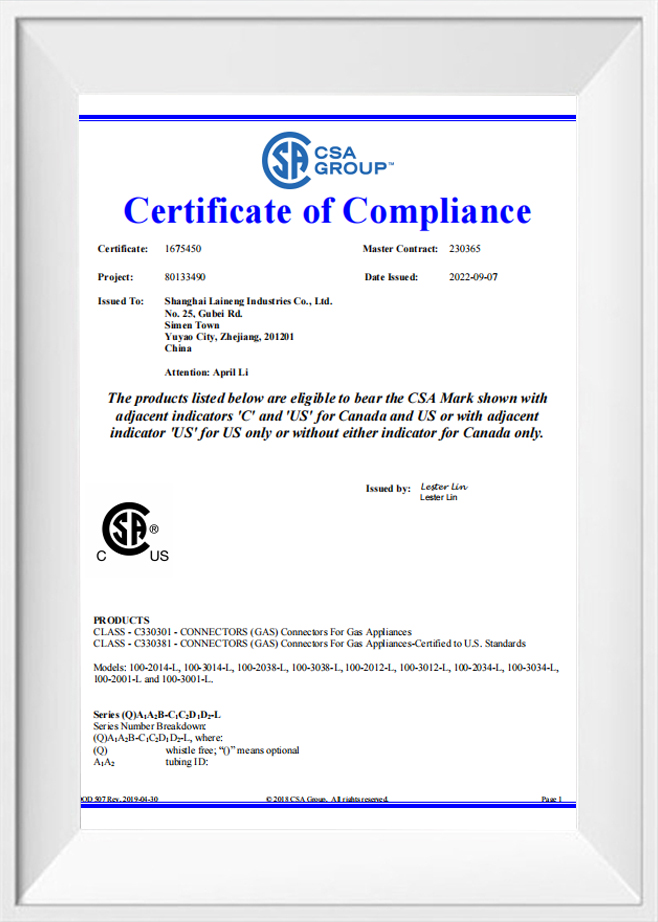
NEWS
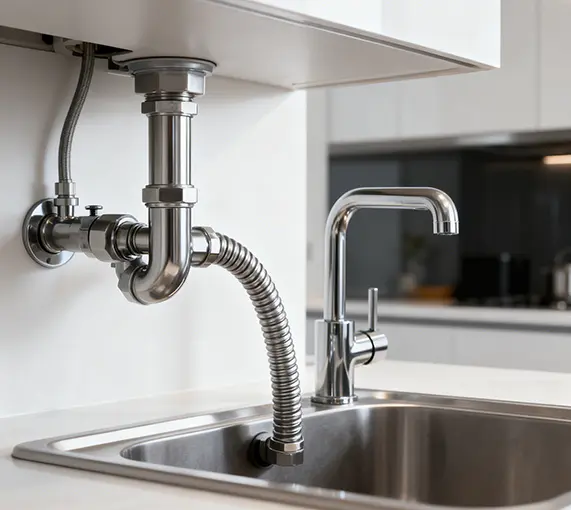

Stainless Steel Bellows Are Better for High Performance, Rubber Bellows for Flexibility and Cost The clear answer is this: Stainless Steel Bellows are better for high-temperature, high-pressure, and corrosive environments, while rubber bel...
What Are Metal Hoses and Compensators, and Why Are They Essential? Metal hoses and compensators are vital components in many industrial systems. They provide flexibility, absorb movement, and offer resistance to high temperatures, pressure...
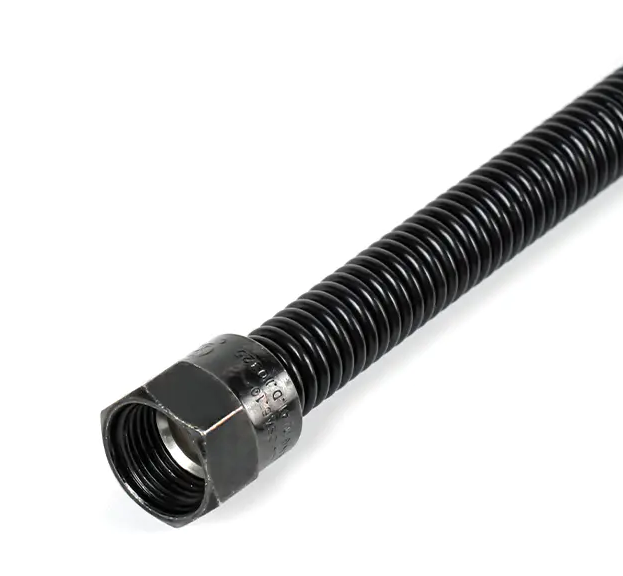
What Is the Core Advantage of Stainless Steel Bellows? The main advantage of Stainless Steel Bellows is their ability to provide flexible movement while maintaining a high-integrity seal under extreme pressure and temperature conditions. I...
Metal hoses and compensators are widely used in industrial piping systems to address pipe displacement, reduce vibration and noise, absorb thermal expansion, and improve the safety of conveying systems. Almost all industries, including petrochemicals, thermal power, metallurgy, rail transit, food processing, and HVAC, rely on these two critical components.
Haoyin (Ningbo) Bellows Technology Co., Ltd. is a professional enterprise specializing in the R&D, design, manufacturing, and sales of stainless steel bellows. It is committed to providing safe, efficient, and durable flexible connection solutions for gas, plumbing, heating, and other fields.
(1) What are metal hoses and compensators?
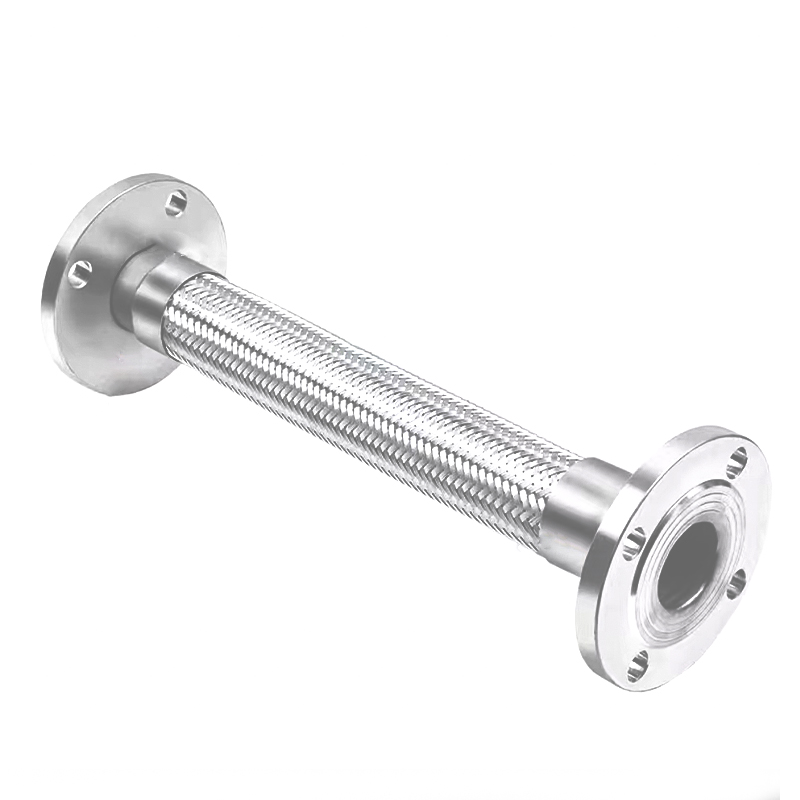
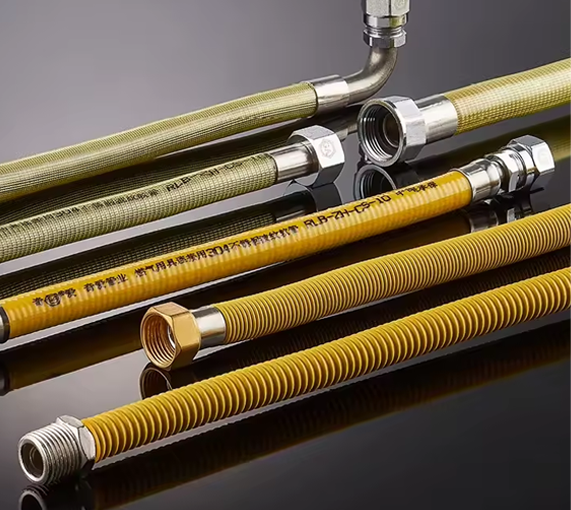
A metal hose is a flexible pipe component composed of a stainless steel corrugated tube, a metal mesh sleeve, and connectors. It features high pressure resistance, temperature resistance, and corrosion resistance, and is used for conveying steam, hot water, gases, oils, chemical media, etc. Due to its flexible structure, it can absorb a certain amount of mechanical displacement, installation errors, and vibrations, and is therefore often used in pipelines requiring flexible connections.
A compensator (also called an expansion joint) is a device used to absorb displacement and deformation of pipes caused by temperature changes, external mechanical forces, foundation settlement, and other factors. Through metal bellows or other compensation structures, the compensator can effectively release pipe stress and protect the pipe from being broken or deformed by compression. Compensators are commonly used in long-distance pipeline systems, boiler systems, heating networks, and chemical conveying pipelines, and are indispensable components of large industrial equipment.
Metal hoses focus on "flexible connection, vibration resistance, and absorption of micro-displacement," while compensators are mainly used for "absorbing large-range displacement and compensating for thermal expansion and contraction." Both are usually used together in large pipelines to ensure stable system operation.
(2) Advantages and characteristics of metal hoses and compensators
Metal hoses and compensators are widely used in the industrial field because they possess several significant advantages. First, metal hoses have extremely strong flexibility and fatigue resistance, which can solve the problem of vibration transmission during the operation of pumps, compressors, and other equipment, effectively reducing noise and preventing pipe cracking due to vibration. Their stainless steel material has high temperature resistance, high pressure resistance, and corrosion resistance, making them suitable for harsh working conditions with a wide temperature range and frequent pressure fluctuations.
The main advantage of compensators is their ability to absorb axial, lateral, and angular displacement of pipes, solving the pipe stress caused by thermal expansion and contraction. When pipelines transport high-temperature steam or hot oil, the expansion can be very significant. Using expansion joints can prevent pipe bending, deformation, and even rupture. In addition, expansion joints offer good sealing, corrosion resistance, and structural safety, extending pipeline life and reducing maintenance.
When used together, they make the entire transportation system more stable: metal hoses provide connection and vibration damping, while expansion joints absorb displacement and stress, resulting in long-term stable, safe, and low-maintenance operation.
(3) Maintenance Points for Metal Hoses and Expansion Joints
Regularly check the corrugated section of the metal hose for cracks, stretching deformation, corrosion points, or mesh damage. If the hose is subjected to excessive bending, stretching, or frequent vibration, the mounting brackets should be adjusted or the hose replaced promptly. Furthermore, avoid exposing the metal hose to pressures and temperatures exceeding the design limits, and prevent material aging due to media corrosion.
Maintenance points for expansion joints mainly include checking the bellows for fatigue cracks, oval deformation, leakage traces, and loose mounting bolts. Especially for expansion joints in thermal pipeline networks, the guide supports and fixed supports need to be checked regularly to ensure they are operating within the correct axial range. If the expansion joint is pressed by external objects, covered by welding spatter, or subjected to long-term uneven forces, its compensation capacity may be affected, and corrective measures should be taken promptly.
It is recommended to perform pressure testing after the equipment has been in operation for a period of time to ensure good system sealing. If used with corrosive media, the anti-corrosion layer of the expansion joint should also be checked regularly. The general principle is "early detection and early treatment" to prevent small problems from escalating into systemic failures.
Maintenance Checklist for Metal Hoses and Compensators:
| Component | Frequency | Tool/Method | Action if Failed |
| External Condition | Monthly (Visual) | Flashlight, mirror | Replace if damage exceeds 10% of surface area |
| Leak Test | Quarterly | Soap solution, pressure gauge | Tighten fittings or replace |
| Movement | Semi-annually | Manual movement test | Realign or replace stiff sections |
| Anchors/Guides | Annually | Torque wrench, level | Retorque to spec (typically 25-30 Nm) |
| Bellows | Annually | Magnifying glass | Replace if >3 visible cracks |
(4) FAQ (Frequently Asked Questions) about Metal Hoses and Compensators
Q1: Can metal hoses and compensators replace each other?
No. Metal hoses are used for flexible connections and absorbing small displacements, while compensators are used to absorb large displacements and thermal expansion and contraction. Their functions are different, and they are usually used together.
Q2: Can metal hoses be damaged by vibration?
Excessive vibration can indeed cause fatigue damage. Therefore, it is necessary to install support points properly, select a model with sufficient fatigue life, and avoid overloading.
Q3: Can compensators leak?
Qualified compensators will not leak, but leakage may occur due to corrosion, bellows rupture, or loose bolts. Therefore, regular inspection is necessary.
Q4: Can metal hoses be used for food or drinking water?
Yes, as long as food-grade stainless steel hoses are used and the seals meet hygiene and safety standards.
Q5: Do compensators require on-site welding?
Some models require welding for installation, while others use flange connections. The appropriate structure should be selected according to the working conditions.
Q6: What is the typical lifespan of a metal hose?
Depending on the working conditions, the lifespan is approximately 5–20 years. High-intensity vibration and high-temperature media will shorten the lifespan.
Haoyin (Ningbo) Bellows Technology Co., Ltd.





 English
  Español