




 English
  Español
  русский


When it comes to connecting gas appliances safely and reliably, the type of connector you choose matters more than most people realize. Stainless steel flexible gas connectors offer superior durability, corrosion resistance, and longevity compared to rubber gas connectors, making them the preferred choice for both residential and commercial applications. Rubber connectors, while once common, are now largely phased out in favor of safer metallic alternatives. This guide breaks down the key differences, performance data, and practical guidance to help you make the right choice.
What Are Stainless Steel and Rubber Gas Connectors?
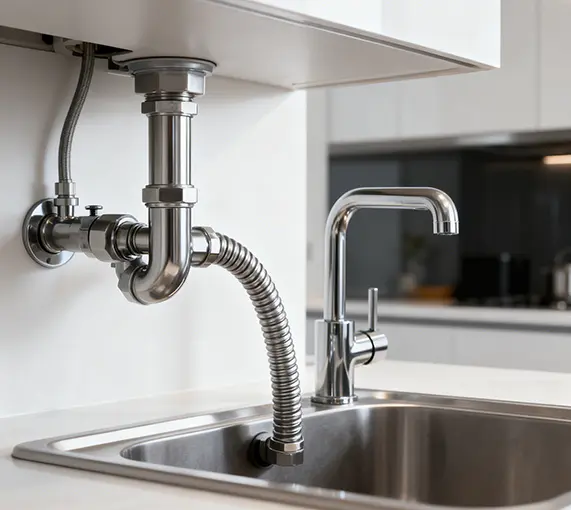
A gas connector is the flexible hose or tube that links a gas supply line to an appliance such as a stove, dryer, water heater, or furnace. These connectors must handle fluctuating pressures, minor movement, and long-term exposure to heat, moisture, and the gas itself.
Stainless Steel Flexible Gas Connectors
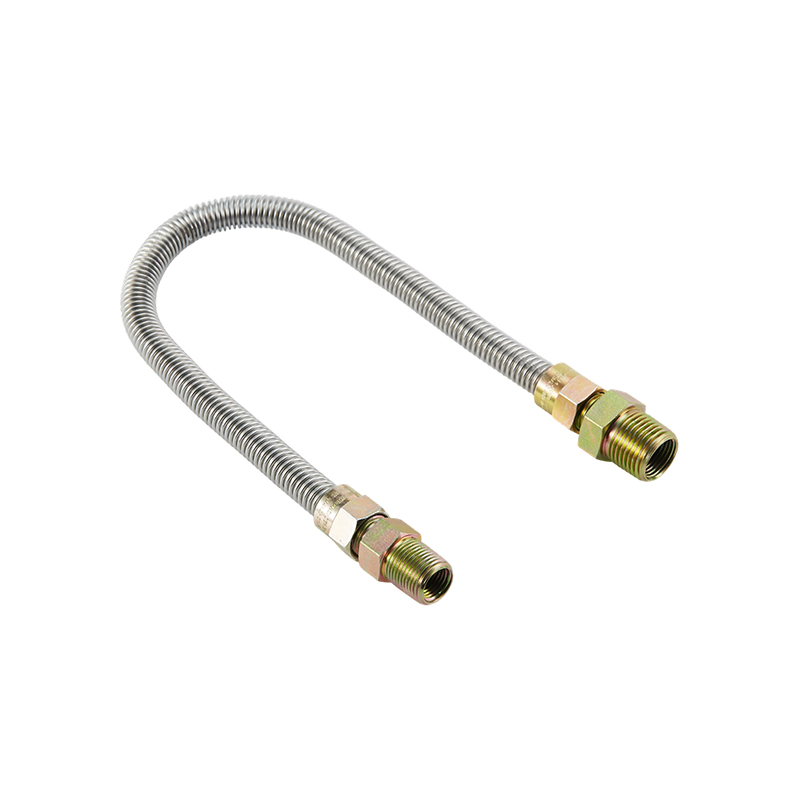
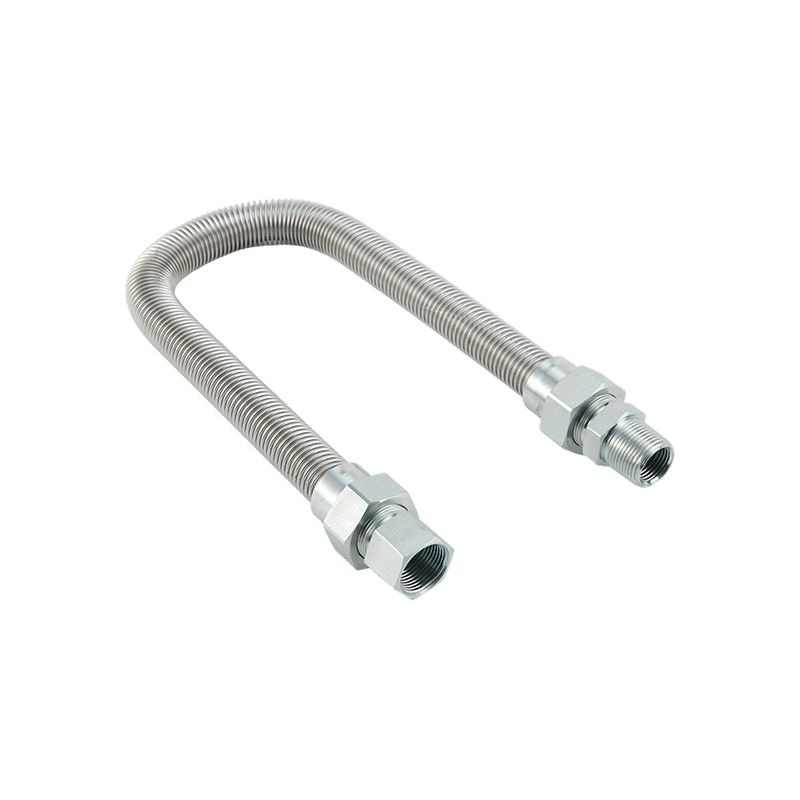
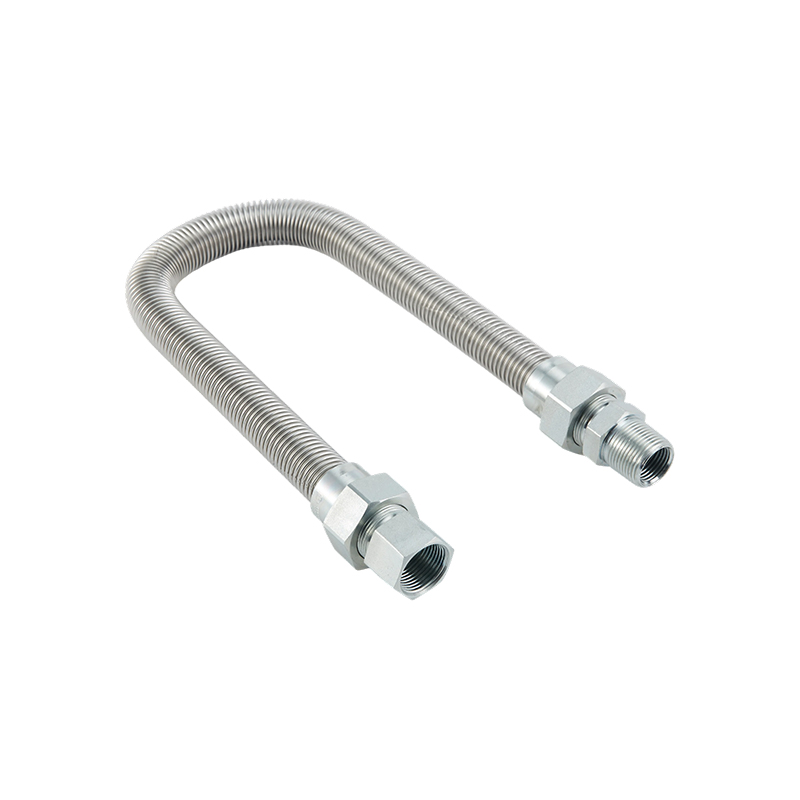
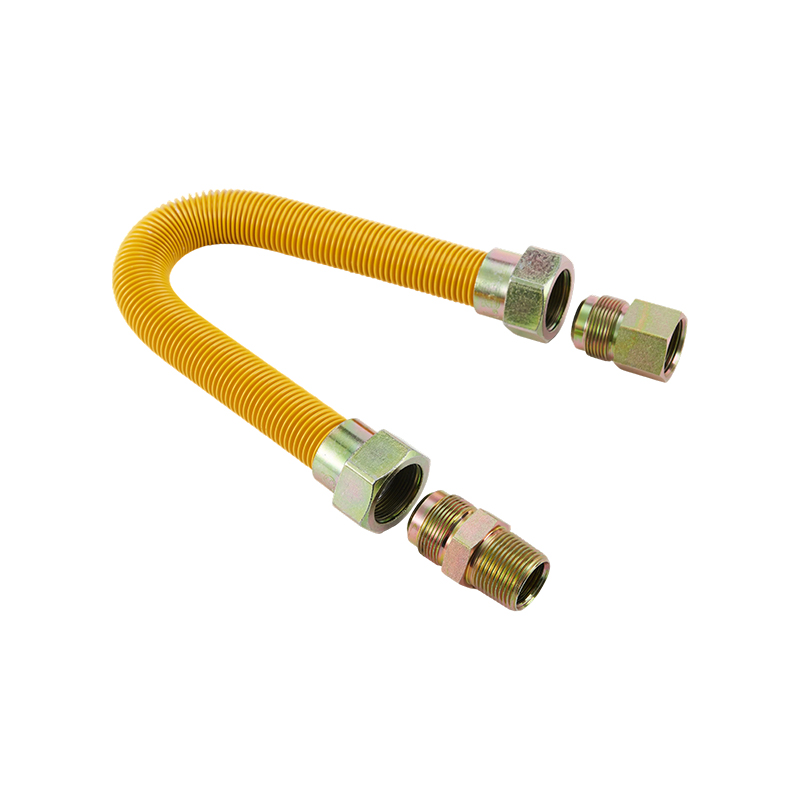
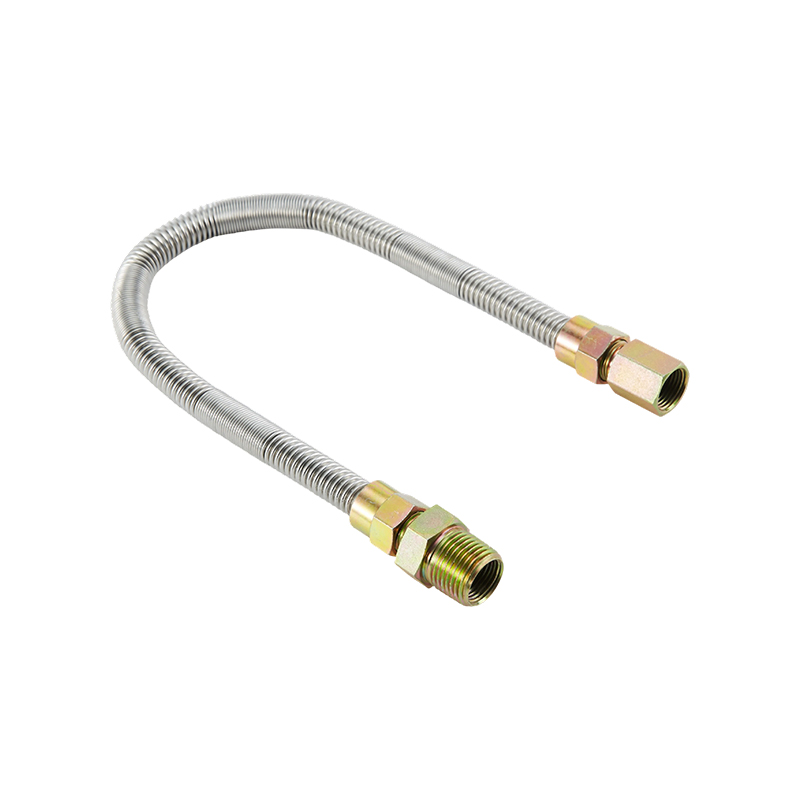
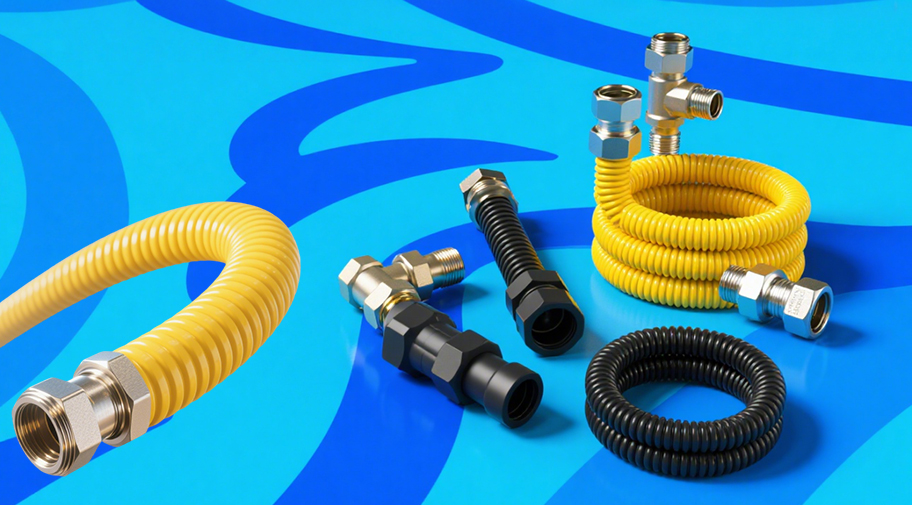
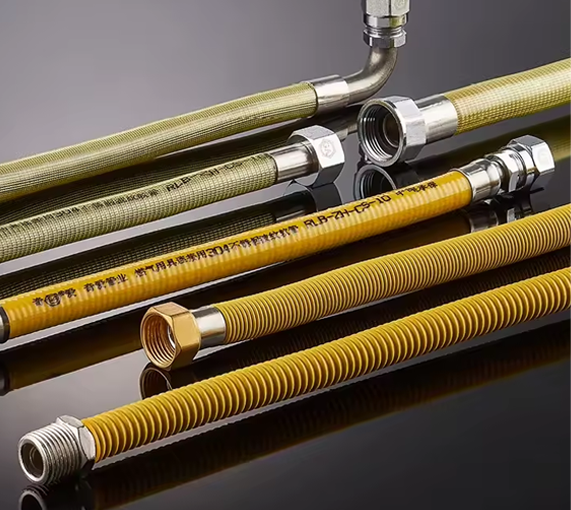
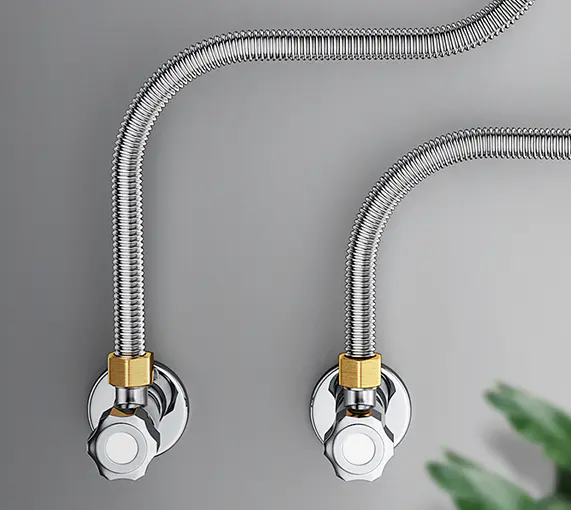
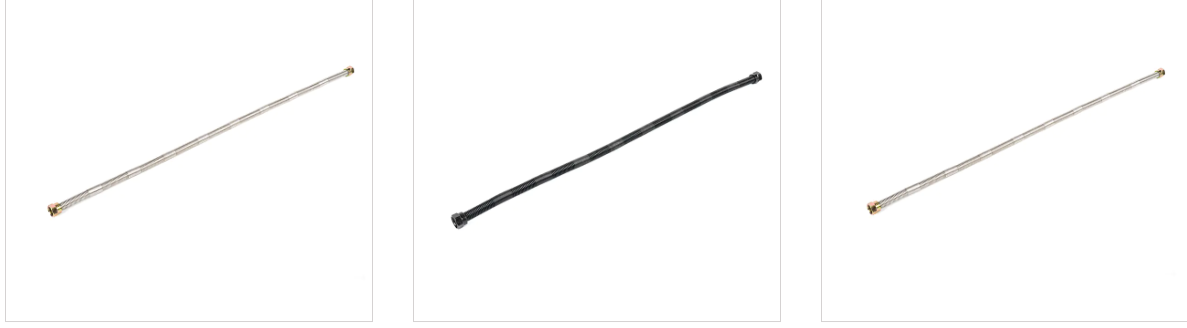
A stainless steel flexible gas connector is constructed from corrugated stainless steel tubing, typically 304 or 316 grade, formed into a bellows-like shape that allows flexibility and movement. Many versions come with a protective outer jacket — such as a PVC coated gas connector or a yellow coated stainless steel gas hose — which adds an extra layer of protection against mechanical abrasion, moisture, and chemicals. The CSST (Corrugated Stainless Steel Tubing) format is a widely adopted version used in whole-home gas distribution systems.
Rubber Gas Connectors
Traditional rubber gas connectors are made from synthetic rubber compounds, often reinforced with a fabric or wire mesh. While they were popular in older installations due to their low cost and ease of use, rubber degrades over time when exposed to heat, UV light, ozone, and certain gas compounds. Most building codes in North America and Europe have significantly restricted or banned their use in new gas installations.
Key Differences at a Glance
The table below summarizes the most critical performance and safety differences between the two connector types.
| Feature | Stainless Steel Gas Connector | Rubber Gas Connector |
|---|---|---|
| Material | 304/316 Stainless Steel | Synthetic Rubber / EPDM |
| Typical Lifespan | 20–30+ years | 5–10 years |
| Corrosion Resistance | Excellent | Poor to Moderate |
| Heat Resistance | Up to 500°C (932°F) | Up to ~120°C (248°F) |
| Code Compliance | Meets IPC, ANSI, ISO standards | Restricted in many regions |
| Flexibility | High (bellows structure) | High when new, stiffens with age |
| UV / Ozone Resistance | Excellent | Degrades significantly |
| Suitable for Outdoor Use | Yes (especially PVC-coated) | Not recommended |
Why Stainless Steel Outperforms Rubber Over Time
The performance gap between stainless steel and rubber widens significantly as connectors age. Rubber is an organic polymer — it is inherently susceptible to oxidation, ozone degradation, and thermal cycling fatigue. Studies from the American Gas Association have shown that rubber connectors can lose up to 40% of their tensile strength within the first 8 years under typical household gas use conditions.
In contrast, a stainless steel flexible gas hose maintains structural integrity through thousands of flex cycles without cracking, leaking, or corroding. The corrugated bellows design distributes mechanical stress evenly across the connector, preventing fatigue failure even in environments with vibration or repeated appliance movement.
A simple bar chart comparing average service life reinforces this point:
Average Service Life: Gas Connector Types (Years)
Stainless Steel Flexible Gas Connector
25+ yrs
CSST Gas Connector
20+ yrs
PVC Coated Gas Connector
18–22 yrs
Traditional Rubber Gas Connector
5–8 yrs
Based on standard residential installation conditions and industry reference data
Understanding CSST Gas Connectors and Their Advantages
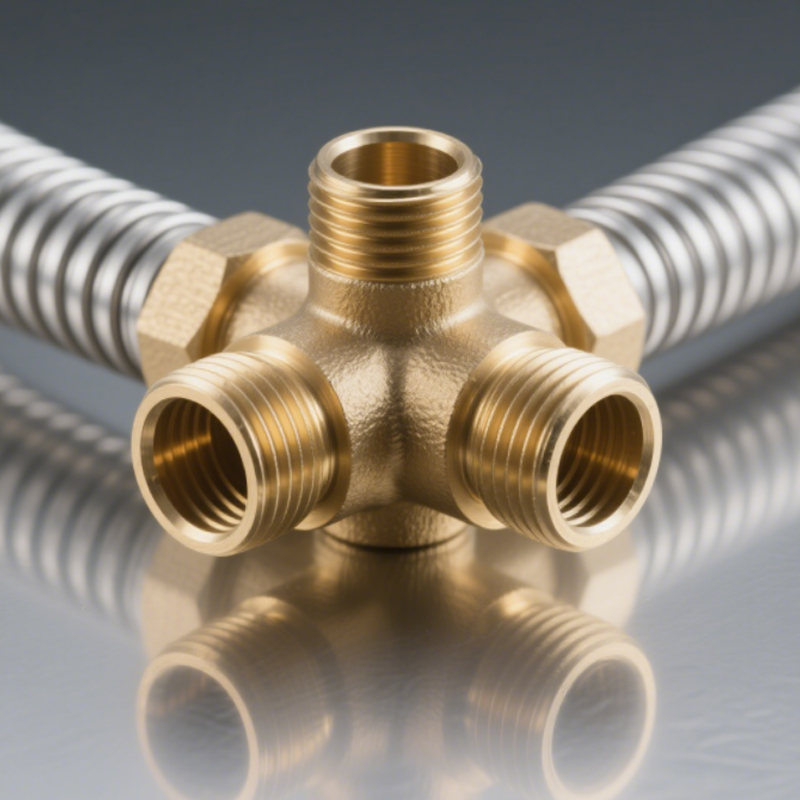
CSST (Corrugated Stainless Steel Tubing) is a specialized form of stainless steel gas piping engineered for whole-building gas distribution. Unlike short appliance connectors, CSST gas connector systems run through walls, floors, and ceilings to deliver gas from the meter to individual appliances throughout a structure.
Key advantages of CSST systems include:
- Faster installation compared to rigid black iron pipe — reducing labor time by up to 30–40% on complex jobs
- Ability to route through tight spaces and around structural obstacles without multiple fittings
- Seismic resilience — CSST flexes during ground movement rather than fracturing like rigid pipe
- Certified to ANSI LC-1 / CSA 6.26 standards in North America and equivalent European norms
Bonding and grounding requirements apply to CSST installations to mitigate lightning-related surge risks — a point that qualified gas technicians always address during installation.
PVC Coated and Yellow Coated Stainless Steel Gas Hose — What the Jacket Does
Many modern stainless steel connectors are supplied with a protective polymer coating. The two most common variants you'll encounter are:
PVC Coated Gas Connector
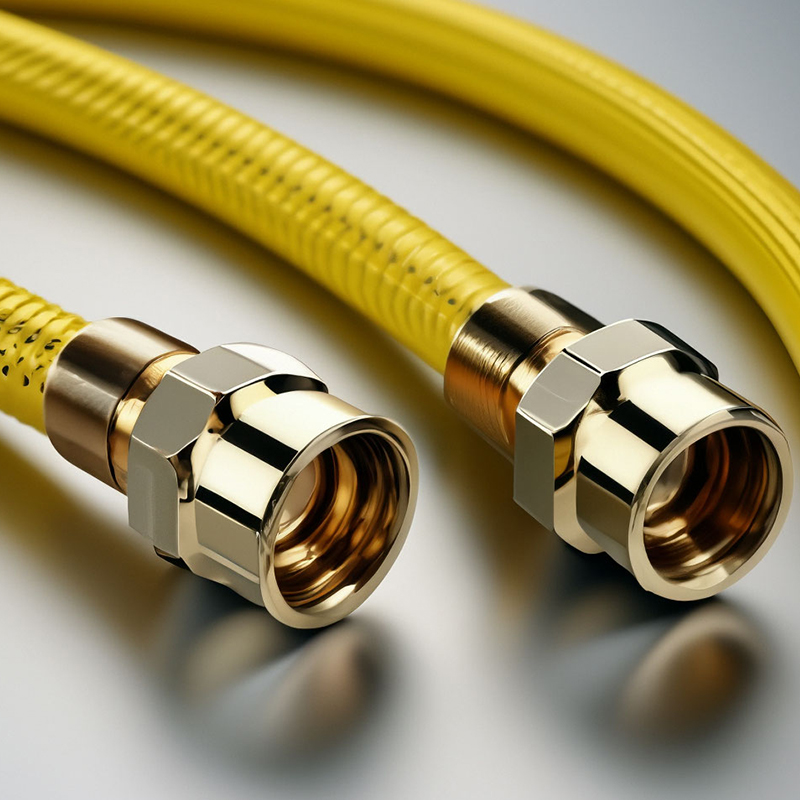
A PVC coated gas connector features a layer of polyvinyl chloride extruded over the stainless steel bellows. This coating provides resistance to abrasion, moisture infiltration, mild chemical exposure, and surface corrosion — particularly valuable in damp utility rooms, outdoor kitchens, or coastal environments where salt-laden air can accelerate surface oxidation. The coating also cushions the connector against minor impacts during appliance installation.
Yellow Coated Stainless Steel Gas Hose
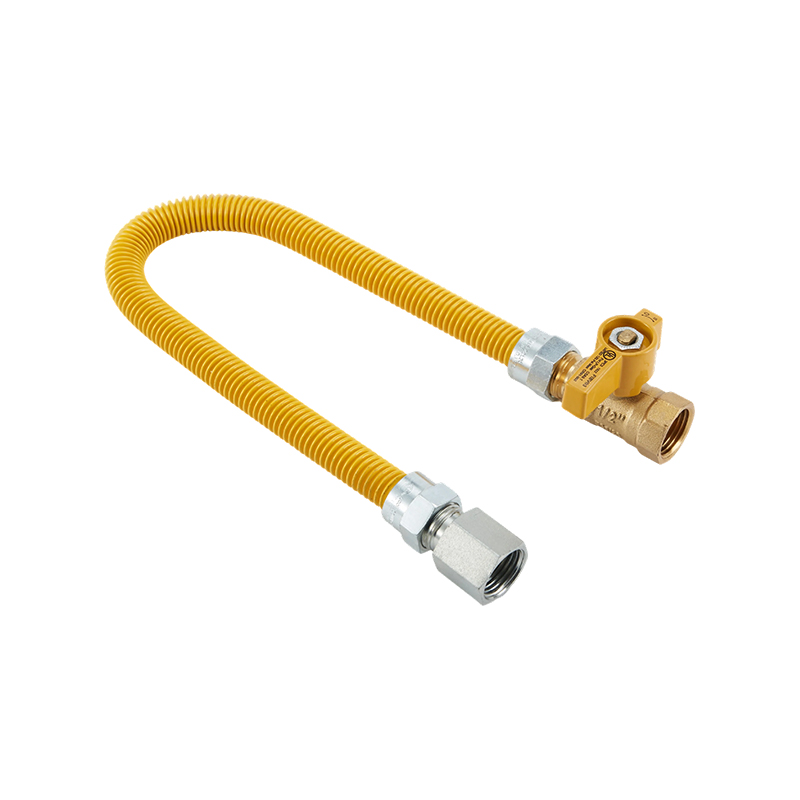
The yellow coated stainless steel gas hose is perhaps the most recognizable format in North American plumbing and appliance supply stores. The bright yellow polymer jacket serves a dual function: it provides the same protective properties as standard PVC coating while also acting as a visual identifier — yellow universally signals "natural gas" in the plumbing and gas trades. This color coding reduces the risk of accidental connection errors during installation.
Neither coating type compromises the flexibility or pressure-handling capacity of the underlying stainless steel hose. Both coated variants are suitable for use with natural gas and liquid propane (LP/LPG).
Safety and Code Compliance: What You Need to Know
Gas connector safety is heavily regulated, and for good reason — connector failure is one of the leading causes of gas leaks in residential buildings. Here is a summary of the most relevant compliance benchmarks:
- ANSI Z21.24 / CSA 6.10 — U.S./Canadian standard for appliance connectors for gas appliances
- EN 14800 — European standard for flexible hoses for gas appliances
- ISO 9001 manufacturing certification — ensures consistent production quality from the factory level
- Many jurisdictions explicitly prohibit uncoated rubber connectors in new construction as of the mid-2000s
Important: Even in areas where rubber connectors are not banned outright, most gas utility companies and insurance providers strongly recommend replacement with certified stainless steel alternatives — particularly for connectors over 8–10 years old.
How to Choose the Right Gas Connector for Your Application
Selecting the right connector involves more than just picking stainless steel over rubber. Consider the following factors:
Pressure Integrity Over Time: Stainless Steel vs Rubber (%)
Estimated pressure integrity retention under standard residential gas conditions
By Application Type
- Kitchen ranges and cooktops: Use a certified stainless steel flexible gas connector, 18–36 inches in length, matching the appliance BTU rating
- Gas dryers: A shorter connector (typically 12–18 inches) is sufficient; yellow-coated versions offer visual clarity in laundry spaces
- Water heaters and furnaces: High-temperature-rated stainless steel connectors are recommended; avoid rubber entirely near these high-heat appliances
- Outdoor grills and patio heaters: PVC coated or yellow coated stainless steel gas hose rated for outdoor use provides the best protection against weather exposure
- Whole-building distribution: CSST gas connector systems are the professional standard, offering routing flexibility and long service life inside wall cavities
Key Sizing and Rating Parameters
| Parameter | Typical Range | Notes |
|---|---|---|
| Inner Diameter | 3/8" – 3/4" | Match to appliance gas inlet size |
| Length | 12" – 72" | Never exceed manufacturer max length for rated BTU |
| Working Pressure | 0.5 PSI – 5 PSI (residential) | Higher for commercial; verify with gas utility |
| End Fitting Type | 1/2" MIP, FIP, flare | Confirm thread type before purchase |
| Gas Type Compatibility | Natural Gas, LP/LPG | Verify label; not all connectors are dual-rated |
When to Replace Your Gas Connector — Signs You Should Not Ignore
Even stainless steel connectors require periodic inspection. Replace your gas connector immediately if you observe any of the following:
- Visible cracks, splits, or corrosion pitting on the connector body or fittings
- Coating deterioration — peeling, bubbling, or discoloration on PVC or yellow-coated connectors
- Any detectable gas odor near the connector joint — this is an emergency; shut off gas and call a technician immediately
- Connector age exceeds manufacturer recommended service life, typically 10–20 years depending on product type
- After any seismic event — even CSST systems should be visually inspected for deformation following earthquakes
- A rubber connector of any age in a high-heat or outdoor environment — replacement with stainless steel is strongly advisable
About Haoyin (Ningbo) Bellows Technology Co., Ltd.
Haoyin (Ningbo) Bellows Technology Co., Ltd. is a professional enterprise specializing in the R&D, design, manufacturing, and sales of stainless steel bellows. The company is committed to providing safe, efficient, and durable flexible connection solutions for gas, plumbing, heating, and other fields. As a professional OEM Stainless Steel Flexible Gas Connector manufacturer and ODM Custom CSST Gas Connector factory, Haoyin operates across a 35-mu campus featuring 18,000 square meters of standardized workshops.
The company holds multiple internationally recognized management system certifications, including ISO9001, ISO14001, and ISO45001, and has earned designation as both a National High-tech Enterprise and a Green Factory. Guided by the production philosophy of "Striving for Excellence, Forging Quality," Haoyin has built a full-process quality management system — from raw material screening, structural design, and manufacturing through performance testing and after-sales support — continuously creating higher value for customers worldwide.