




 English
  Español
  русский


Metal bellows fail in industrial pipelines primarily due to fatigue from cyclic stress, corrosion, improper installation, and misaligned movement absorption. In practice, over 60% of premature bellow failures can be attributed to conditions that are identifiable and preventable during the design or installation phase. Whether you are working with a Stainless Steel Bellow, a Metal Expansion Bellow, or a specialized High Temperature Bellows assembly, understanding the root causes of failure is the most direct path to extending service life and protecting your pipeline investment.
This article examines the most common failure mechanisms in industrial bellows, the environmental and operational factors that accelerate damage, and the practical steps engineers and procurement teams can take to select, install, and maintain bellows assemblies correctly. Each section draws on real-world failure data and industry standards to provide actionable insight rather than generic advice.
The Most Common Causes of Metal Bellow Failure
Field data collected across petrochemical, HVAC, and power generation industries consistently points to a concentrated set of failure causes. Understanding which mode is most prevalent in your application guides both material selection and system design decisions.
Fatigue from Cyclic Loading
Every Flexible Metal Bellows is designed for a finite number of deflection cycles before fatigue cracks initiate in the convolution roots or crests. When a bellows is subjected to more movement cycles than its rated design life — or when deflection amplitudes exceed the manufacturer's specified limits — metal fatigue becomes the dominant failure mode. Studies on stainless steel bellows operating in thermal cycling applications show that exceeding 75% of the rated axial displacement can reduce fatigue life by more than 50%.
Corrosion and Chemical Attack
Even a Stainless Steel Expansion Joint is not immune to corrosion when exposed to chloride-rich environments, aggressive process fluids, or condensed acids. Stress corrosion cracking (SCC) is particularly insidious — it occurs when tensile stress and a corrosive environment act simultaneously on the metal. In coastal facilities or processes involving chlorinated water, SCC can cause catastrophic cracking in 316L stainless steel bellows within months of installation if the alloy selection is incorrect.
Over-Extension and Misalignment
A Pipe Expansion Compensator is engineered to absorb specific types of movement — axial compression/extension, lateral offset, or angular deflection — within defined limits. When multiple movement directions are applied simultaneously without proper guiding or anchoring, or when a bellows is stretched beyond its rated stroke during installation, the convolution geometry deforms permanently and structural integrity is compromised. Field surveys indicate that installation errors account for approximately 35% of all bellow failures reported in industrial pipeline systems.
Vibration-Induced Fatigue
High-frequency vibration from pumps, compressors, or flow turbulence can excite a bellows assembly near its natural resonant frequency — a condition known as "squirm." In Exhaust Bellows used in engine and industrial exhaust systems, vibration amplitudes that appear minor (0.1–0.5 mm peak-to-peak) can accumulate millions of stress cycles within a single operating shift. This is why exhaust bellows applications demand specific inter-convolution pitch and wall thickness designs that raise the resonant frequency above the dominant excitation range of the connected system.
Primary Causes of Industrial Metal Bellow Failure (% of Cases)
This chart presents a breakdown of failure causes compiled from field service records across industrial pipeline and HVAC systems. Installation error and cyclic fatigue together account for nearly 70% of all bellow failures — a striking finding that emphasizes the importance of proper engineering at both the design and installation phases. Corrosion, while responsible for 18% of failures, is often the most catastrophic when it occurs because it can lead to sudden, uncontrolled leaks rather than the gradual degradation seen in fatigue-driven failures. Addressing these top three causes through material selection, guided installation procedures, and lifecycle monitoring can significantly reduce total pipeline maintenance costs.
How Operating Temperature Accelerates Bellow Degradation
Temperature is one of the most consequential variables in the service life of any Industrial Metal Bellow. Both extreme heat and rapid thermal cycling place demands on the material that accumulate over time in ways that static stress analysis does not fully capture.
High Temperature Bellows operating continuously above 400°C in steam, flue gas, or exhaust applications face creep — the slow, permanent deformation of metal under sustained stress at elevated temperature. In austenitic stainless steels such as 321 or 316Ti, creep resistance is improved through titanium or niobium stabilization, but creep still accumulates at temperatures above 550°C. Once creep deformation distorts the convolution geometry, the bellows can no longer absorb designed movement ranges and begins to experience local stress concentrations that accelerate cracking.
Rapid thermal cycling is equally damaging. A bellows that undergoes a 200°C temperature swing with each process start/stop cycle experiences a thermal strain of approximately 2.4 mm per meter of length in 304 stainless steel (based on a thermal expansion coefficient of 16 µm/m·°C). For a 600 mm long bellows assembly, that equates to over 1.4 mm of thermally induced axial movement per cycle — directly consuming the bellows' fatigue life budget with each start and stop.
Relative Fatigue Life of Stainless Steel Bellows vs Operating Temperature
The line chart illustrates how fatigue life degrades non-linearly as operating temperature increases. At 20°C (ambient), a well-specified stainless steel bellows operates near its full design fatigue life. However, at temperatures above 450°C, fatigue life drops to less than 20% of its ambient baseline — a critical threshold that should trigger material upgrade consideration such as Inconel or stabilized 321 stainless steel. The elevated risk zone shading highlights the temperature range where standard bellows materials require careful engineering review before application, particularly for continuous-duty industrial pipelines or exhaust systems cycling daily.
| Material | Max Continuous Temp | Chloride Resistance | Typical Application |
|---|---|---|---|
| 304 / 304L SS | 400°C | Moderate | Water, HVAC, general gas |
| 316 / 316L SS | 450°C | Good | Chemical, marine, food process |
| 321 SS | 550°C | Moderate | Exhaust, steam, thermal cycling |
| Inconel 625 | 980°C | Excellent | High-temp exhaust, turbines |
Installation Errors That Cause Premature Bellow Failure
Installation is the single most controllable factor in bellow service life, yet it remains the leading cause of premature failure. A correctly specified Stainless Steel Expansion Joint installed incorrectly will fail as reliably as an under-specified one. The following errors are documented most frequently in post-failure inspections.
Pre-Stressing the Bellows During Assembly
When a bellows is stretched, compressed, or laterally offset to close a gap in the pipeline during installation — rather than positioning the pipe ends to match the neutral length of the bellows — the convolutions are placed in a permanently stressed state before the system even starts up. This pre-stress immediately consumes a portion of the fatigue life budget. In severe cases, it can reduce rated fatigue cycles by 40–60% before the first thermal cycle occurs.
Missing or Incorrectly Placed Anchors and Guides
Proper pipe anchoring and guiding are not optional accessories — they are structural requirements for the bellows to function as designed. An anchor fixes a point in the pipeline to define the direction of movement. A guide controls lateral movement of the pipe near the bellows and prevents the bellows from being subjected to combined axial-lateral loading that exceeds its multi-plane capacity. Without correct guiding, a Metal Expansion Bellow designed purely for axial movement will experience lateral forces that cause convolution distortion within weeks.
Incorrect Flow Direction in Internally Sleeved Bellows
Many Industrial Metal Bellow assemblies include an internal sleeve (liner) to protect convolutions from flow turbulence, erosion, and flow-induced vibration. If a sleeved bellows is installed with flow running against the liner overlap (opposite to the marked flow arrow), the liner can collect debris, obstruct flow, or be displaced by flow pressure — leading to direct media impingement on the unprotected convolution interior.
Failure to Remove Shipping Bars
Bellows assemblies are typically shipped with temporary tie rods or shipping bars to prevent overextension during transport. If these bars are not removed before system startup, the bellows cannot absorb any movement — all thermal expansion loads transfer directly to the pipe flanges and connected equipment, causing flange leakage or equipment damage within the first operating cycle.
Pipeline Vibration Solutions: How Flexible Metal Bellows Absorb Dynamic Loads
Pipeline vibration solutions using flexible metal bellows are one of the most effective and compact methods for isolating mechanical vibration between connected equipment and the surrounding piping system. This is a primary function of bellows in pump discharge lines, compressor outlets, engine exhaust systems, and HVAC equipment connections.
Flexible Metal Bellows absorb vibration through a combination of their inherently low spring rate (axial stiffness) and geometric compliance. The spring rate of a properly designed multi-convolution bellows can be as low as 10–50 N/mm — compared to a rigid pipe stub of the same length, which may have an effective stiffness of several thousand N/mm. This dramatic stiffness reduction attenuates vibration transmission to the connected structure by a factor of 10–100x, depending on frequency.
However, a bellows functioning as a vibration isolator must be designed with this specific role in mind. Standard expansion joint bellows are not always suitable for vibration isolation because their convolution pitch, wall thickness, and number of plies are optimized for thermal movement absorption rather than dynamic fatigue. Exhaust Bellows used in marine and automotive applications are specifically engineered with higher-frequency fatigue resistance, often using multi-ply thin-wall construction to combine flexibility with durability.
Vibration Attenuation (dB) by Bellows Configuration Type
Vibration attenuation values shown here reflect typical performance at the dominant pump or compressor excitation frequency (50–100 Hz) for each bellows configuration type. Braided flexible metal hose assemblies achieve the highest attenuation at 16 dB due to the combined compliance of the inner corrugated core and the surrounding braid, which damps energy through inter-wire friction. Exhaust-type bellows, designed for dynamic cyclic duty in engine applications, achieve 13 dB — significantly outperforming standard single-ply bellows at 6 dB. These figures underscore the importance of matching bellows construction type to the primary function in each pipeline application rather than selecting purely on pressure or temperature rating.
Metal Bellow vs Flexible Hose: Choosing the Right Pipeline Compensator
When evaluating metal bellow vs flexible hose for a pipeline application, both products address movement and vibration but through different mechanisms and with different performance profiles. Making the correct choice requires matching the compensator type to the dominant requirement — whether that is thermal expansion, vibration isolation, angular misalignment, or pressure resistance.
A Welded Bellows or formed expansion joint bellow is a precision-engineered structure with defined spring rates, fatigue life cycles, and pressure ratings derived from its convolution geometry. It delivers predictable, calculable performance that can be engineered into a pipe stress analysis. A flexible hose, by contrast, uses a braided outer sheath to contain pressure while an inner corrugated core provides flexibility — offering higher lateral flexibility but typically lower pressure capability and shorter cyclic fatigue life in pure axial service.
| Criteria | Metal Expansion Bellow | Flexible Metal Hose |
|---|---|---|
| Axial Movement | Excellent (high stroke) | Limited |
| Lateral Flexibility | Limited (requires guides) | Excellent |
| Pressure Rating | Up to 40+ bar | Typically 10–25 bar |
| Fatigue Cycles (axial) | 10,000–100,000+ | 5,000–30,000 |
| Temperature Range | -200°C to 980°C | -70°C to 600°C |
| Best Use Case | Thermal expansion, precise movement control | Equipment connection, multi-axis vibration |
Expansion Joint Applications: Where Metal Bellows Are Most Critical
Understanding expansion joint applications in depth helps engineers anticipate failure risks before they materialize. The following sectors represent the highest-demand environments for metal bellows, where incorrect specification or poor maintenance directly translates to safety risk or unplanned downtime.
District Heating and Steam Distribution Networks
Steam distribution pipelines routinely operate between 200°C and 350°C and experience significant thermal expansion during daily startup and shutdown cycles. A 100-meter steam main expands by approximately 240 mm when heated from ambient to 300°C. Without adequately rated Stainless Steel Expansion Joint assemblies placed at calculated intervals, this expansion accumulates as stress at fixed supports, ultimately causing pipe buckling or joint failure.
Industrial Exhaust and Flue Gas Systems
Exhaust Bellows in industrial generators, furnaces, and process heaters face a combination of high temperature (300–700°C), corrosive flue gas chemistry, and pulsating flow from combustion. These bellows must maintain gas-tight integrity over years of continuous operation. Bellows failure in this application leads to flue gas leakage — a health, safety, and environmental concern that typically triggers immediate equipment shutdown.
Vacuum and Cryogenic Process Systems
Vacuum Metal Bellows are used in semiconductor manufacturing, electron beam systems, and scientific research equipment where ultra-low pressure environments must be maintained with zero leakage. These bellows are typically formed from thin-wall 316L stainless steel or electroformed nickel, achieving extremely low spring rates combined with metal-to-metal sealing integrity at pressures below 10⁻⁶ mbar. Material purity, weld quality, and surface cleanliness are held to aerospace-grade standards to prevent outgassing that would contaminate the process environment.
Gas Distribution and Building Services
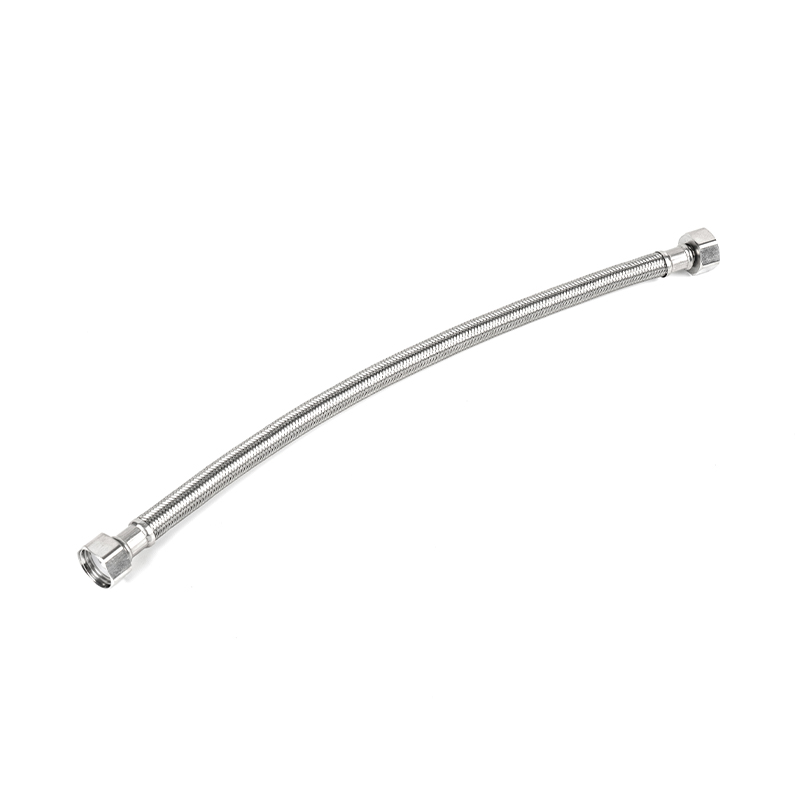
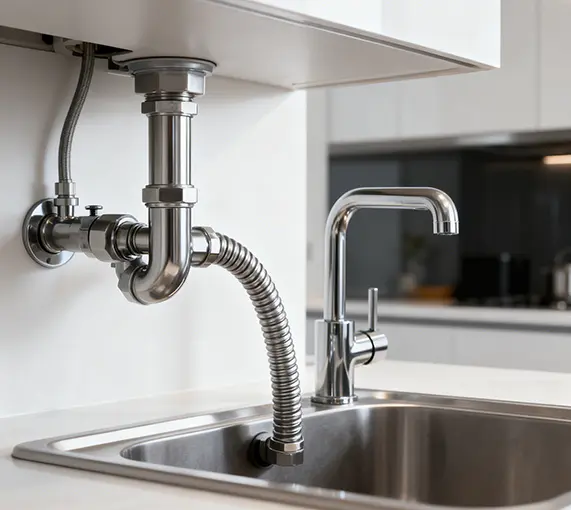
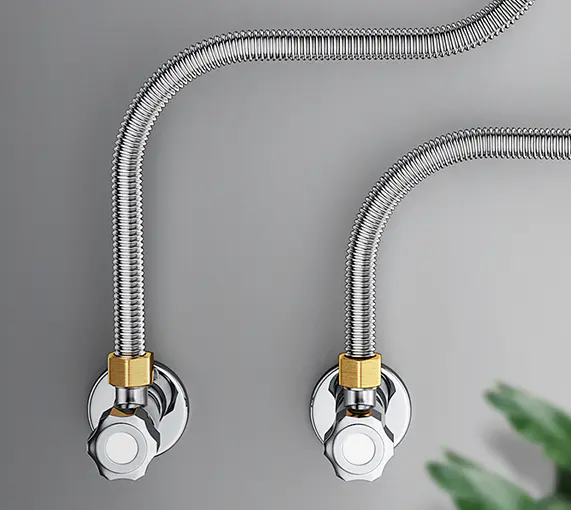
In commercial and residential building services, Stainless Steel Bellow connectors are used at gas meter connections, boiler inlets, and water heater connections to absorb vibration from equipment and minor misalignment from installation. These small-diameter bellows must maintain long-term gas-tight sealing in environments subject to accidental mechanical contact and occasional seismic movement — making material quality and convolution design directly relevant to building safety codes.
Bellows Performance Requirements by Application Sector (Radar)
This radar comparison highlights the distinct performance profiles required for steam/heating applications versus exhaust/flue gas environments. Steam systems demand the highest temperature and pressure ratings, while exhaust applications place greater emphasis on fatigue resistance and vibration tolerance given the dynamic loading from combustion pulsation. Neither profile can be fully covered by a single generic bellows specification — this visual reinforces why proper application engineering is essential before selecting a metal expansion bellow for any industrial pipeline. Procurement teams should share these profile requirements with suppliers to ensure that the selected product is validated for the combination of demands present in their specific system.
How to Extend Metal Bellow Service Life: Practical Maintenance Strategies
Extending the service life of a Metal Expansion Bellow is not only about selecting the right product — it requires an active maintenance strategy that monitors the bellows condition over its operational lifecycle and addresses minor issues before they escalate into failures.
- Visual inspection every 6 months: Look for signs of external corrosion, mechanical damage to convolutions, deposit buildup in inter-convolution spaces, and any evidence of leakage (staining, mineral deposits, or discoloration around welds).
- Movement measurement check: Verify that the bellows is operating within its specified axial, lateral, and angular movement range using survey markers or measurement tags installed at commissioning. Movement outside rated limits is a leading indicator of anchor or guide failure.
- Cleaning of external surfaces: Remove accumulated salts, process chemicals, or insulation debris from the external bellows surface at each scheduled shutdown. Chemical deposits on the outer surface of a stainless steel expansion joint can initiate external stress corrosion cracking even in otherwise benign environments.
- Anchor and guide integrity check: Inspect all pipeline supports, anchors, and guides connected to the same pipe run as the bellows. A loose or failed anchor can transfer unexpected forces to the bellows within hours of failure.
- Cycle count tracking: For bellows in high-cycle applications (pump connections, reciprocating compressors), maintain a cycle count log. When approaching 70% of rated fatigue life, plan for scheduled replacement before failure occurs.
Cumulative Failure Rate (%) vs Inspection Interval — Industrial Bellows Study
This chart compares cumulative failure rates over a 36-month period for bellows operated with no scheduled maintenance versus those on a 6-month inspection cycle. Without maintenance, cumulative failure rates reach approximately 58% by 36 months — meaning more than half the installed bellows population is expected to fail before the 3-year mark. With structured 6-month inspections, the failure rate drops to approximately 19% over the same period — a reduction of more than 65%. The data strongly supports the business case for proactive inspection programs, where the cost of routine checks is substantially lower than the combined costs of emergency repair, production downtime, and potential safety incidents from uncontrolled pipeline failures.
About Haoyin Bellows: Professional Stainless Steel Bellow Solutions
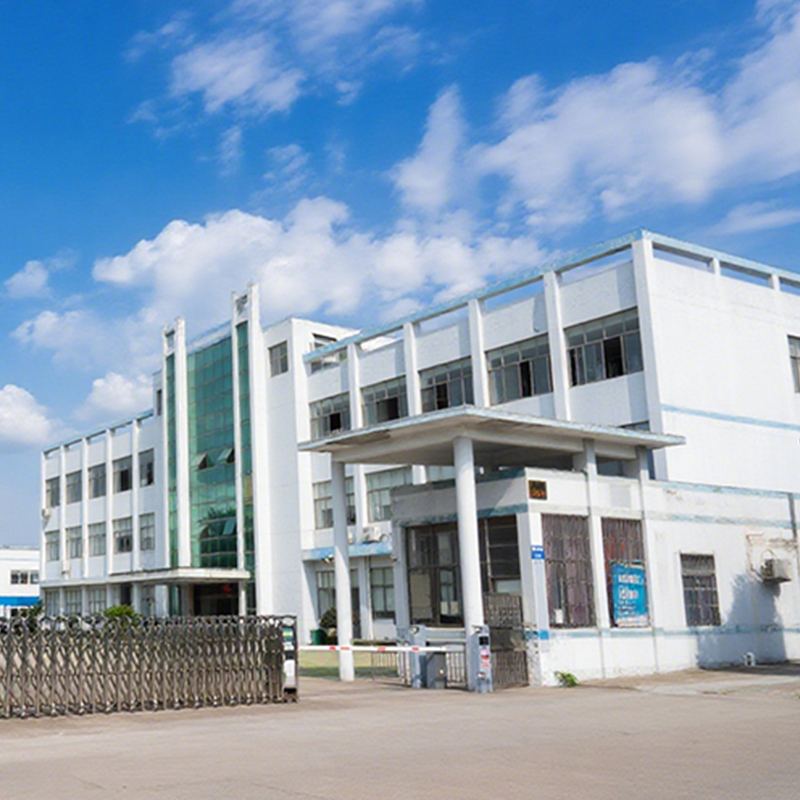
Haoyin (Ningbo) Bellows Technology Co., Ltd. is a professional enterprise specializing in the R&D, design, manufacturing, and sales of stainless steel bellows, committed to providing safe, efficient, and durable flexible connection solutions for gas, plumbing, heating, and a broad range of industrial applications. As a professional OEM Stainless Steel Bellows supplier and ODM factory, Haoyin serves diverse industries with custom-engineered solutions built to precise application requirements.
Operating from a 35-mu facility with 18,000 square meters of standardized workshops, Haoyin has obtained multiple management system certifications including ISO9001, ISO14001, and ISO45001 — reflecting a comprehensive commitment to product quality, environmental responsibility, and occupational safety. Recognized as both a "National High-tech Enterprise" and a "Green Factory," Haoyin adheres to the philosophy of "Striving for Excellence, Forging Quality" at every stage of production.
Haoyin's full-process quality management system spans raw material screening, structural design, manufacturing, performance testing, and after-sales support — ensuring that every Flexible Metal Bellows, expansion joint, and pipeline compensator leaving the facility meets the performance and durability requirements that industrial applications demand.
Frequently Asked Questions About Metal Bellows Failure and Selection
Q1: What are the early warning signs that a metal bellow is about to fail?
Early warning signs include visible cracking or pitting on convolution surfaces, mineral deposit staining around weld joints (indicating micro-leakage), increased pipeline vibration levels, visible convolution distortion (asymmetry between convolutions), and measured movement exceeding rated displacement limits. In steam or hot water systems, unusually high heat loss in the vicinity of a bellows is also a reliable indicator of developing leakage.
Q2: How long does a stainless steel expansion joint typically last?
Service life varies significantly by application. In low-cycle thermal expansion applications (1–2 cycles per day), a correctly specified stainless steel expansion joint can last 15–25 years. In high-cycle vibration or pump discharge applications (thousands of cycles per day), life expectancy is defined by fatigue cycles rather than calendar years — often 2–7 years at rated deflection. Correct installation, regular inspection, and operating within rated movement limits are the primary factors that determine actual service life in both cases.
Q3: Can I weld directly to a stainless steel bellow during installation?
Welding directly to bellow convolutions should never be attempted — the heat input from welding will alter the material microstructure, introduce residual stress, and potentially cause immediate cracking in the heat-affected zone. Bellows are connected to piping through end fittings, flanges, or tangent ends that are designed and rated for field welding. Always follow the manufacturer's installation welding procedure, which specifies the minimum distance from the nearest convolution and any required heat-shielding precautions.
Q4: What is the difference between a single-ply and multi-ply flexible metal bellows?
A single-ply bellows uses one layer of metal for the convolution wall, while a multi-ply bellows stacks two or more thin layers. Multi-ply construction allows the total wall thickness — and thus pressure and spring rate — to be achieved with thinner individual plies, resulting in lower inter-ply bending stress and higher fatigue life for a given total thickness. Multi-ply bellows are preferred for high-cycle applications and wherever maximum flexibility combined with adequate pressure rating is required.
Q5: Are vacuum metal bellows suitable for use in cryogenic liquid pipelines?
Yes, vacuum metal bellows made from 316L austenitic stainless steel or Inconel alloys are used in cryogenic systems operating with liquid nitrogen (-196°C), liquid oxygen, and LNG. These materials retain ductility at cryogenic temperatures — a critical property since many other metals become brittle below -50°C. The bellows convolution design must also account for the large thermal contraction that occurs when cooling from ambient to cryogenic temperatures, which places the bellows in significant axial compression. Proper pre-positioning at installation is essential for reliable cryogenic service.
Q6: How do I choose between a pipe expansion compensator with tie rods versus without?
A tied expansion joint (with tie rods) restrains the bellows so that it can only absorb lateral or angular movement — pressure thrust loads are carried by the rods and transferred to the structure, not to the pipeline anchors. An untied (unrestrained) bellows absorbs axial movement but transfers full pressure thrust to the piping anchors. Tied configurations are used where anchoring costs are high or where the pipeline cannot safely carry pressure thrust. The correct choice depends on the movement type to be absorbed and the pipe support and anchor arrangement — a fact best determined through a formal pipe stress analysis.