




 English
  Español
  русский


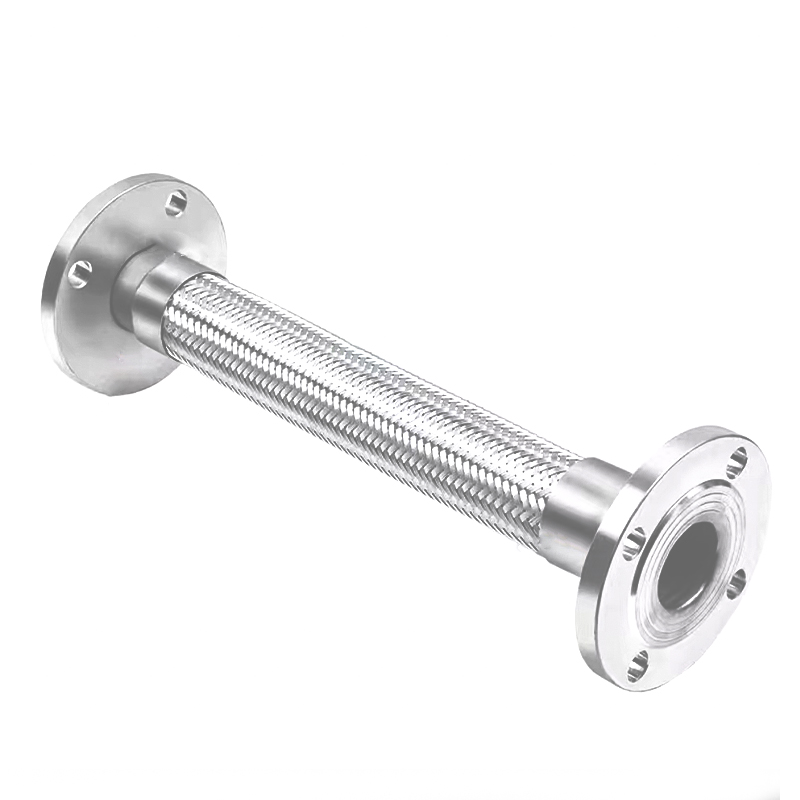
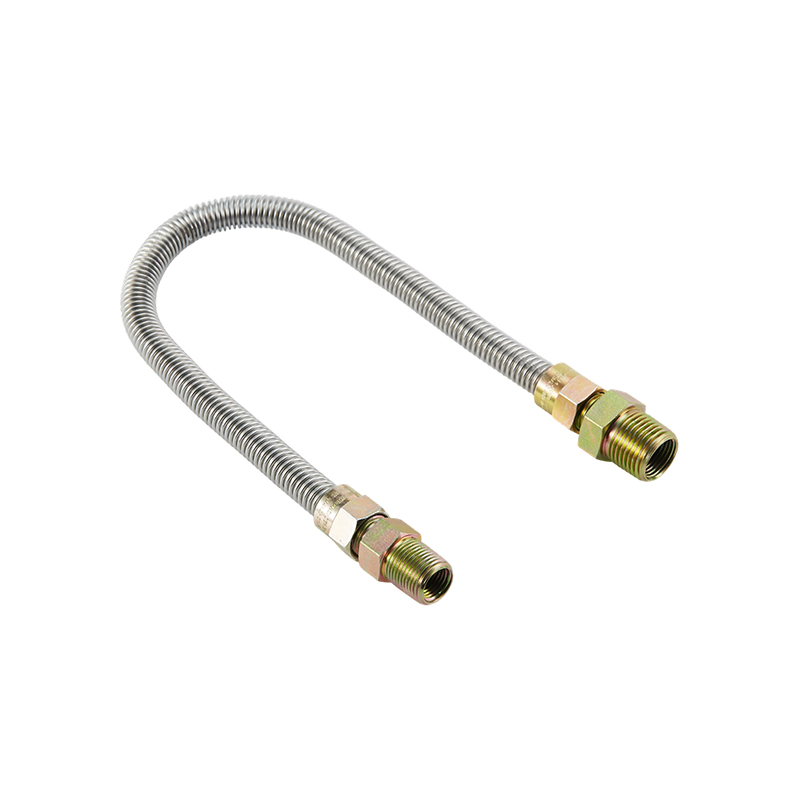
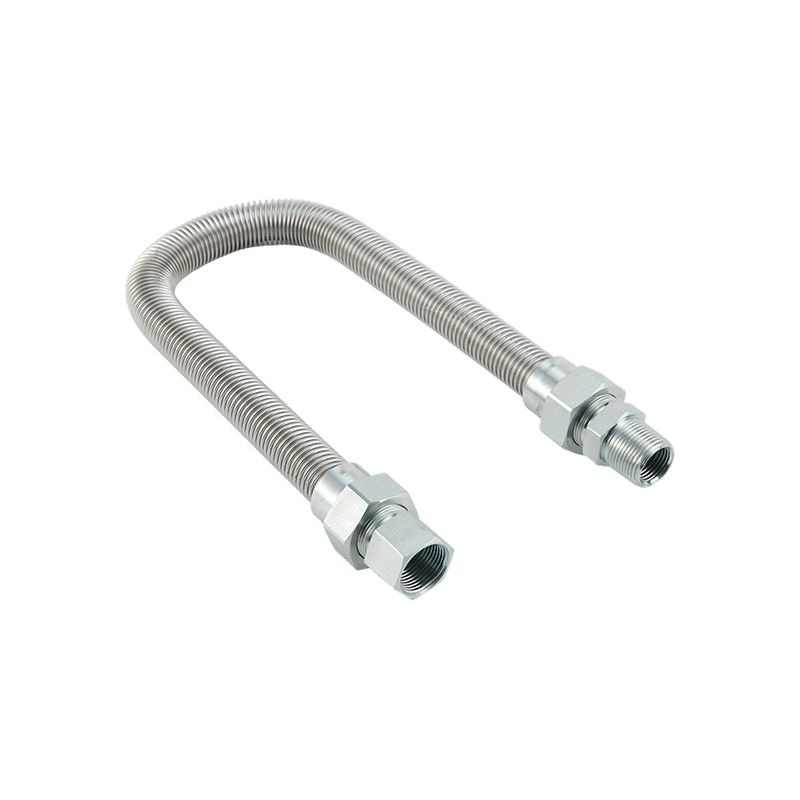
When a piping engineer asks about “types of expansion bellows,” the real question is usually about movement and anchors. A single bellows absorbs axial motion, a universal bellows handles lateral offset, hinged and gimbal bellows control rotation, and a pressure-balanced bellows cancels pressure thrust. Choose the configuration that matches the dominant displacement, and the rest of the design—convolution count, material grade, end fittings—falls into place.
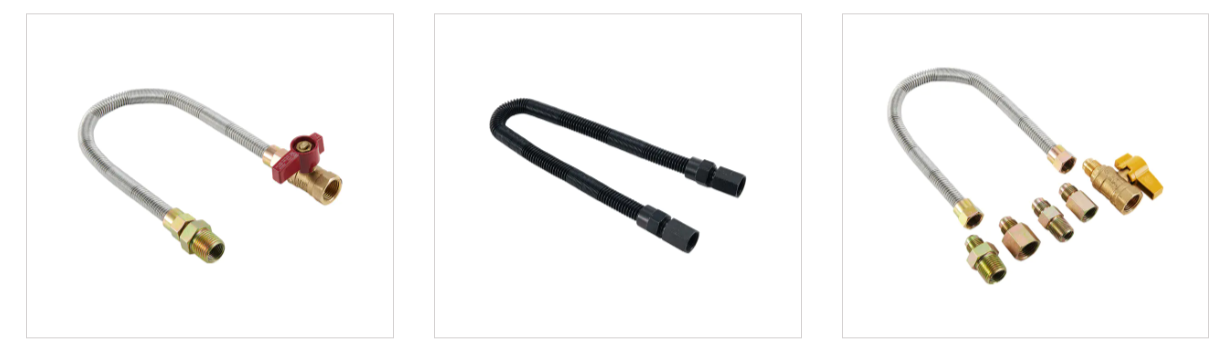
For more than twenty years, Haoyin (Ningbo) Bellows Technology has manufactured stainless steel bellows for gas, water, and heating systems. From that experience, five metal bellows types cover nearly every common piping scenario: single, universal, hinged, gimbal, and pressure-balanced. Rubber and fabric versions also exist, but the metal types dominate industrial and commercial specification work.
What Are the Main Types of Expansion Bellows?
Single Expansion Bellows
A single expansion bellows is one convolution set welded between two end fittings. It is the most efficient type for axial take-up: as the pipe heats and grows, the bellows compresses; when the system cools, it recovers. Because pressure thrust acts on the end area, the pipe anchors must resist that force. In short runs, pump connections, and ducts, single bellows are compact and cost-effective.
Universal Expansion Bellows
A universal bellows has two bellows elements separated by an intermediate pipe. The two elements divide the total axial displacement and transform part of it into lateral deflection. That makes universal bellows the preferred type for long pipelines, where the pipe must absorb thermal growth along two axes. Many universal units include tie rods to restrain axial pressure thrust, so the external anchors see less load than with a single bellows.
Hinged and Gimbal Expansion Bellows
Hinged bellows are fitted with hinge pins through the end hardware. The hinges permit angular rotation in one plane and allow the pipe to change direction without bending flanges. Gimbal bellows use two perpendicular hinge sets, so the assembly rotates in any plane while axial movement is locked out. These types appear in constrained rooms, rooftop piping, and process lines where the anchor points are light.
Pressure-Balanced, Toroidal, Rubber, and Fabric Types
Pressure-balanced bellows contain a second, smaller bellows element that produces an opposing force. This cancels the pressure thrust, so the external structure does not need a heavy main anchor. They are used in steam, condensate, and chemical systems. Toroidal bellows, rubber joints, and fabric joints round out the family: toroidal units suit very high pressure axial service, while rubber and fabric units isolate vibration in low-pressure ducting and pumps.
Expansion Bellows Comparison by Movement and Thrust
The table below compares the normal capability of each metal bellows type. “Excellent” means the configuration is the common choice for that movement; “limited” means it can accommodate the movement only in small amounts; “none” means it is structurally not intended for that movement.
| Type | Axial | Lateral | Angular | Pressure thrust control |
|---|---|---|---|---|
| Single | Excellent | Limited | Limited | None (anchors required) |
| Universal | Limited | Excellent | Good | None (anchors required) |
| Hinged | None | Limited | Good (one plane) | Reacts through hinges |
| Gimbal | None | Good | Good (multi-plane) | Reacts through gimbal |
| Pressure-balanced | Good | Limited | Limited | Self-balanced |
The bar chart shows why universal and gimbal types are used when a pipe must move sideways. The radar chart adds the pressure-thrust and installation-ease dimension: single bellows are simple to install but need heavy anchors, while pressure-balanced bellows solve the anchor problem at the cost of a longer assembly.
How to Choose the Right Expansion Bellows
Use this sequence when specifying a bellows for a new line:
- Define movement: axial, lateral, angular, and combined, including thermal growth and seismic movement.
- Calculate pressure thrust: thrust equals pressure times effective bellows area; if anchors are not available, choose pressure-balanced or tie-rod universal.
- Check installed length: universal and pressure-balanced types need more space; gimbal types can fit into shorter spool pieces.
- Confirm media and temperature: the material grade and number of plies must match the fluid and operating temperature.
- Review fatigue: estimate the number of thermal cycles and compare required life with the bellows convolution geometry.
A common mistake is to select a single bellows and then add external guides to absorb lateral movement. This increases bending stress at the edge of the convolution and shortens fatigue life. The correct response is either to change to a universal type or to redesign the anchor layout.
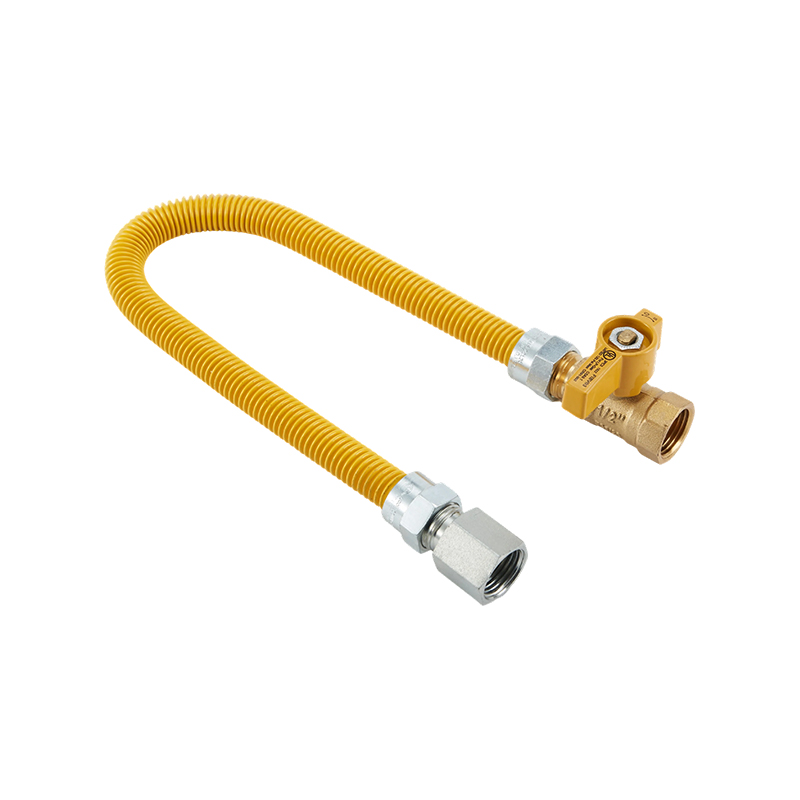
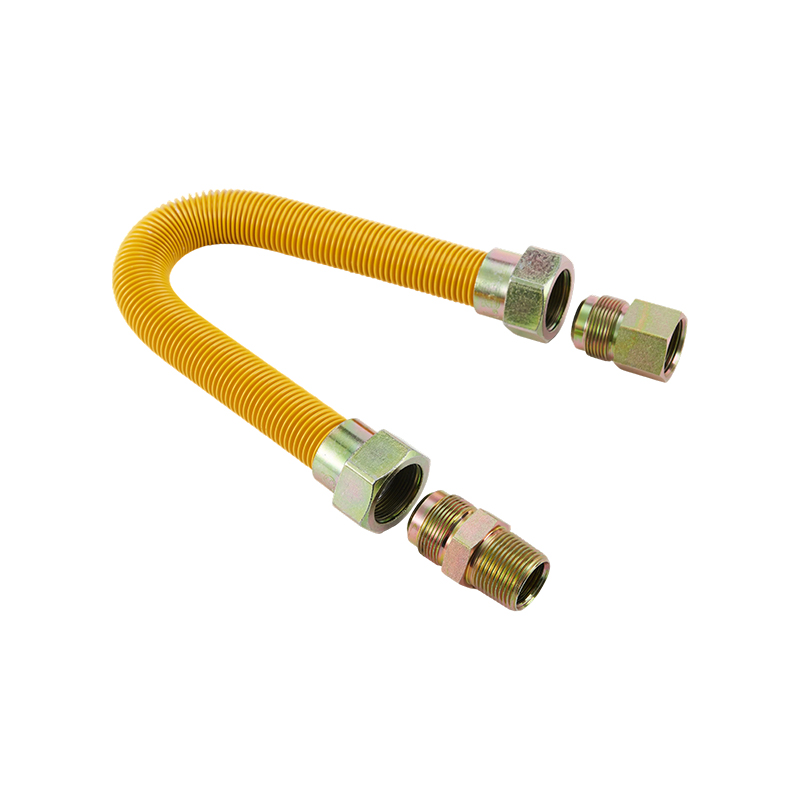
For clean water, heating, and general industrial services, a flexible metal compensator corrugated expansion joint from a stainless steel bellows manufacturer offers the corrosion resistance, pressure rating, and fatigue performance needed for most thermal expansion systems.
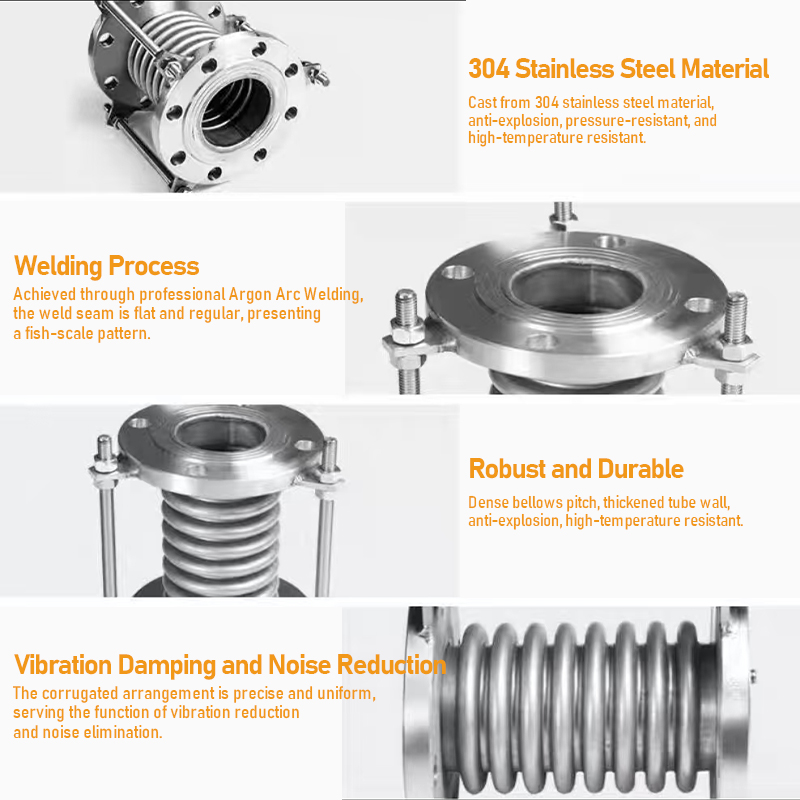 Flexible Metal Compensator Corrugated Expansion Joint Manufacturers, Factory - HHaoyin Bellows Technology Co., Ltd is Top China OEM/ODM Flexible Metal Compensator Corrugated Expansion Joint manufacturers and custom fa...View Product →
Expansion Bellows FAQ
Q1. What is an expansion bellows used for?
A1. It absorbs thermal expansion, vibration, and pipe misalignment in gas, steam, water, oil, or chemical piping systems.
Q2. What is the difference between a bellows and an expansion joint?
A2. A bellows is the flexible pleated element; an expansion joint is the complete assembly with end fittings, liners, tie rods, or hinges.
Q3. How long do stainless steel bellows last?
A3. Service life depends on cycles, pressure, temperature, and media. With moderate thermal cycling, quality stainless steel bellows often exceed 20 years.
Q4. Can metal expansion bellows handle high temperatures?
A4. Yes, depending on material. Stainless steel grades such as 321 and 316L resist elevated temperatures, but the bellows rating and limit stops must match operating conditions.
Q5. How do I choose between single and universal expansion bellows?
A5. Use single for axial movement with strong anchors; use universal for lateral offset, parallel misalignment, or when the pipe grows in two directions.
Q6. What causes metal bellows to fail?
A6. The most common causes are unplanned lateral movement, missing pipe guides, water hammer, vibration, corrosion, and anchor failure.