




 English
  Español
  русский


A maintenance supervisor walks into the plant store and asks for a bellows for a hot water line. The store offers four different constructions, four different prices, and four different ways the part can fail. Which one is correct? The answer decides whether the connection lasts two years or twenty.
In gas piping, plumbing, HVAC, and industrial process lines, a bellows is not one product but a family of flexible elements grouped by manufacturing method and duty. The four main metallic types are formed, edge-welded, machined, and deposited. Formed bellows cover most gas and water connections; edge-welded bellows serve precision and high-cycle duties; machined bellows handle extreme pressures; and deposited bellows suit compact instrumentation. This guide explains each type, compares their real-world trade-offs, and lays out a selection process you can use before ordering.
What Is a Bellows and How Does It Work?
A bellows is a flexible, corrugated tubular element that absorbs axial movement, lateral movement, angular rotation, or a combination of all three while keeping fluid or gas contained. When the pipe moves, the convolutions open and close elastically instead of transferring stress to the pipe wall, a pump, a valve, or a supporting bracket.
Before comparing types, it helps to know the four terms that appear on every bellows datasheet: convolution, pitch, wall thickness, and end fitting. The isometric diagram below shows these parts on a typical metallic bellows.
The manufacturing process decides how much movement a bellows can absorb, how many cycles it can survive, and what pressure it can contain. Buyers should therefore compare bellows by manufacturing type first, and by price second.
The Four Main Types of Bellows by Manufacturing Method
The most common classification of metallic bellows comes from the way the corrugations are produced: formed, edge-welded, machined, or deposited.
Formed (Hydroformed) Bellows
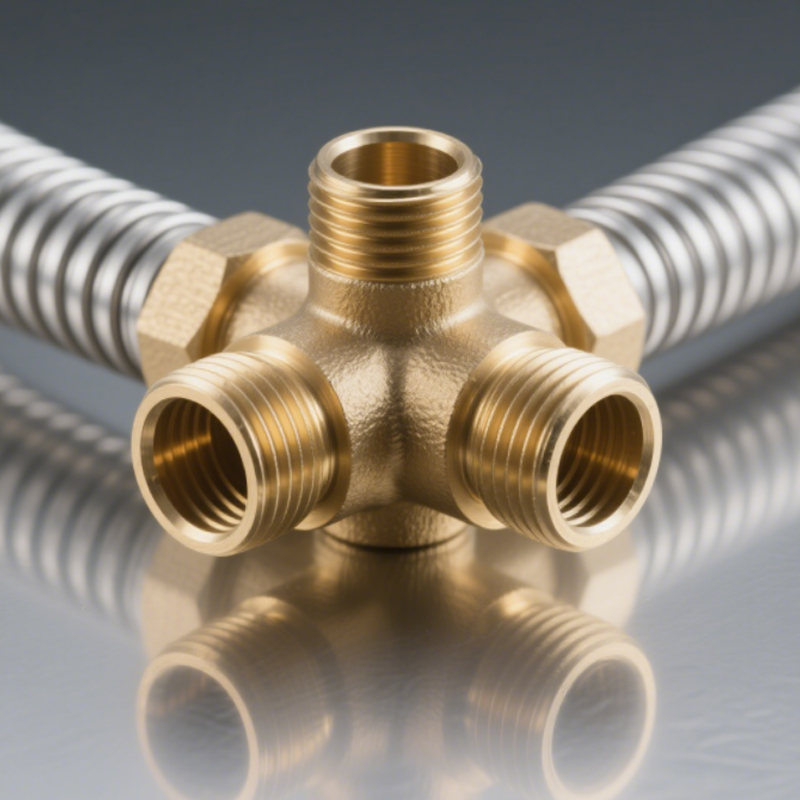
Formed bellows are made by placing a welded or seamless tube inside a die and applying internal hydraulic pressure so the tube expands into convolutions. Multi-ply versions press two or three thin layers together for a higher pressure rating while keeping the spring rate low. The process is economical for production batches, so formed bellows dominate gas connectors, flexible water lines, and pipeline expansion joints. They offer large movement, moderate to good pressure capacity, and a long track record in stainless steel grades 304 and 316L.
Edge-Welded (Diaphragm) Bellows
Edge-welded bellows are assembled from thin annular diaphragms welded alternately at the inner and outer diameters. The stacked weld seams produce a low spring rate and high sensitivity to small pressure changes, which makes the type a first choice for mechanical seals, sensor actuators, and vacuum valves. The cost is higher because welding is labor-intensive, but the cycle life is usually excellent.
Machined Bellows
Machined bellows are cut from a solid bar or tube on a CNC lathe. Because the walls remain part of one solid piece, this construction achieves the highest pressure rating of the four types. Movement is small, weight is high, and the price is the highest of the group. Machined bellows appear in aerospace hydraulic systems and high-pressure instrumentation where the safety margin matters more than the unit cost.
Deposited (Electroformed) Bellows
Deposited bellows are produced by electroforming: nickel is plated onto a dissolvable aluminum mandrel to a controlled wall thickness, and the mandrel is then removed chemically. The process creates very small, precise bellows with uniform walls, suited to miniature sensors, medical devices, and tight instrument spaces. They are less rugged than formed parts and rarely appear above a few inches in diameter.
Bellows Types by Application in Gas, Water, and Heating Lines
For most plant and building pipework, the duty decides the bellows type. The three most common applications are expansion joints and compensators, flexible gas connectors, and flexible water or plumbing lines.
Expansion Joints and Compensators
Long pipelines expand and contract with temperature. A metallic expansion joint absorbs that movement at defined points and protects pumps, valves, and anchors from excessive thrust. Formed bellows dominate this application because they accept axial travel, lateral displacement, and angular rotation in one element. For steam, hot oil, and process piping, a flexible metal compensator corrugated expansion joint is the standard package, usually supplied with flanged or weld-end connections. Check the movement rating in millimeters and the rated cycle life before choosing the number of convolutions.
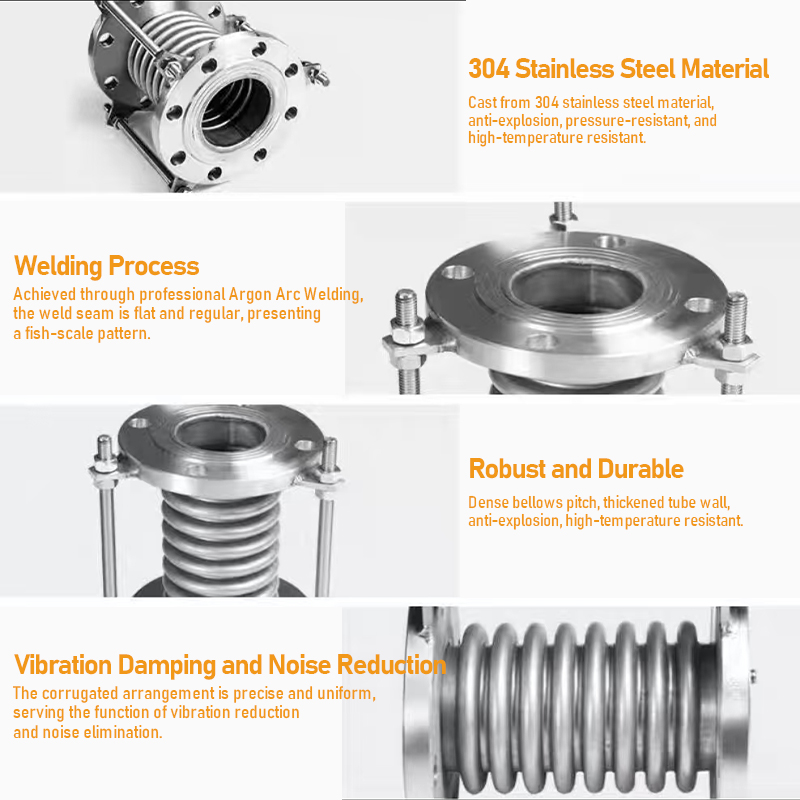 Flexible Metal Compensator Corrugated Expansion Joint Manufacturers, Factory - HHaoyin Bellows Technology Co., Ltd is Top China OEM/ODM Flexible Metal Compensator Corrugated Expansion Joint manufacturers and custom fa...View Product →
Flexible Gas Connectors
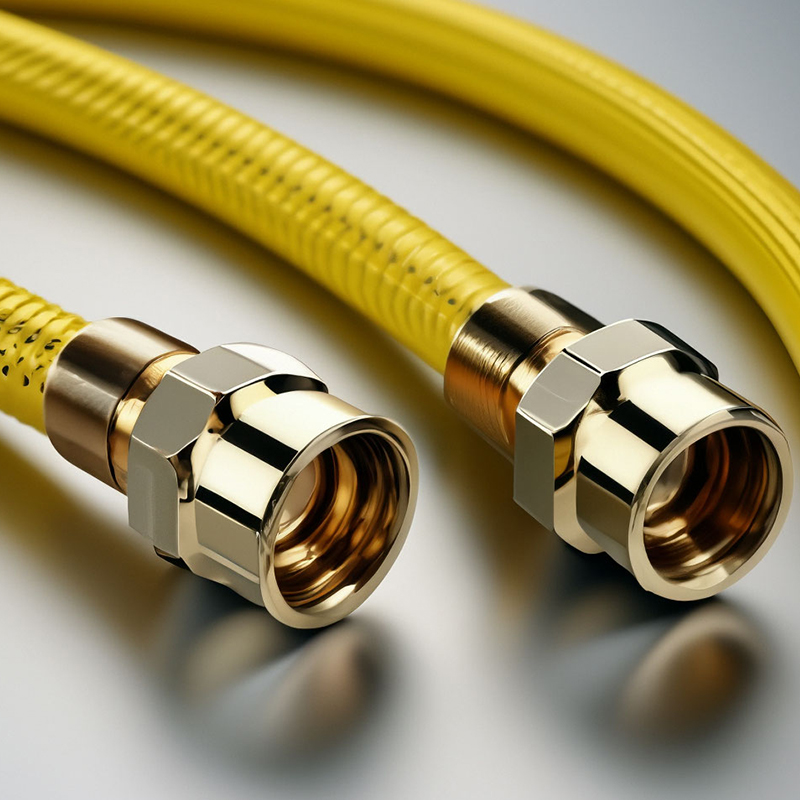
Gas appliances such as ranges, heaters, and furnaces rely on short flexible connectors that stay leak-tight while absorbing vibration and minor misalignment. Formed stainless steel bellows are the accepted worldwide solution. A CSA-certified stainless steel gas connector should carry the certification mark, the gas type, and the nominal diameter. Sizes in most catalogs run from DN10 to DN25, and an outer braid of stainless steel or a PVC coating protects the corrugated core. The reasons why stainless steel bellows are preferred for gas pipelines come down to corrosion resistance and burst strength, both of which beat rubber on gas service.
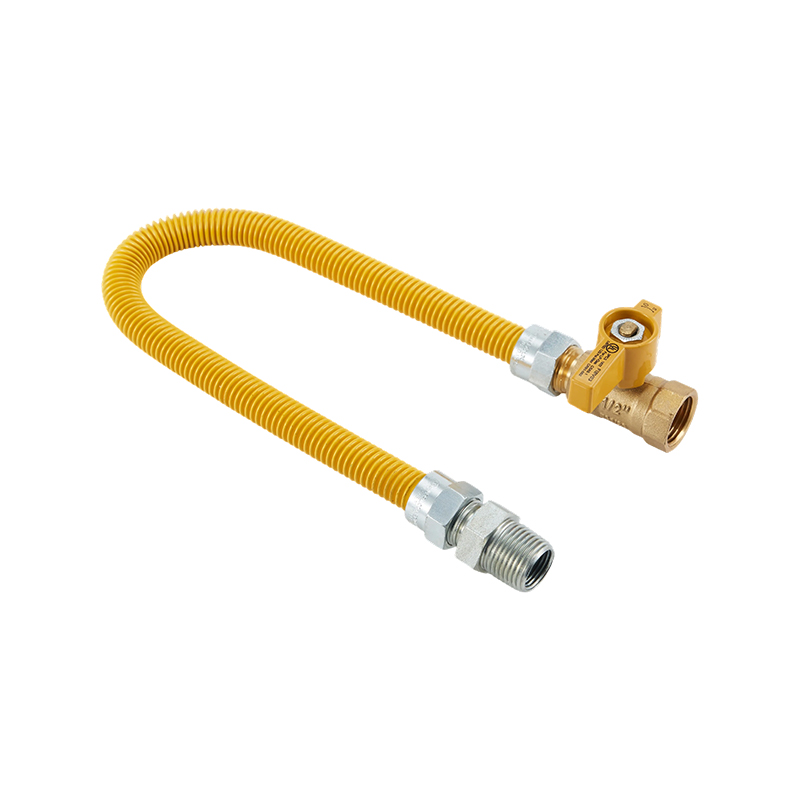 DN15 Stainless Steel Gas Connector Manufacturers, Factory - Haoyin Bellows TechHaoyin Bellows Technology Co., Ltd is Top China OEM/ODM DN15 Stainless Steel Gas Connector manufacturers and custom factory, This DN15 ...View Product →
Water and Plumbing Lines
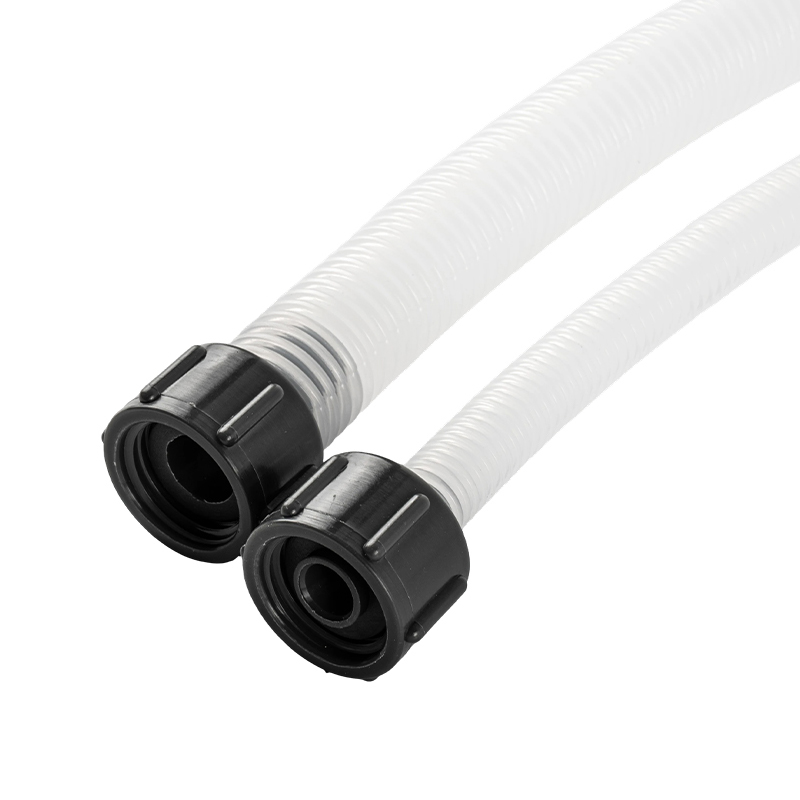
Flexible water piping uses a bellows-like construction: a polymeric liner inside a corrugated or braided shell, closed by a nut made of brass, nylon, or stainless steel. The liner controls the service life. An EPDM plumbing pipe water liner resists chlorine and fits drinking-water and heating circuits, while PE and PVC liners cover other duties. These products are often called plumbing water liners rather than metal bellows, but they perform the same job: absorbing vibration and providing a safe, code-compliant flexible connection.
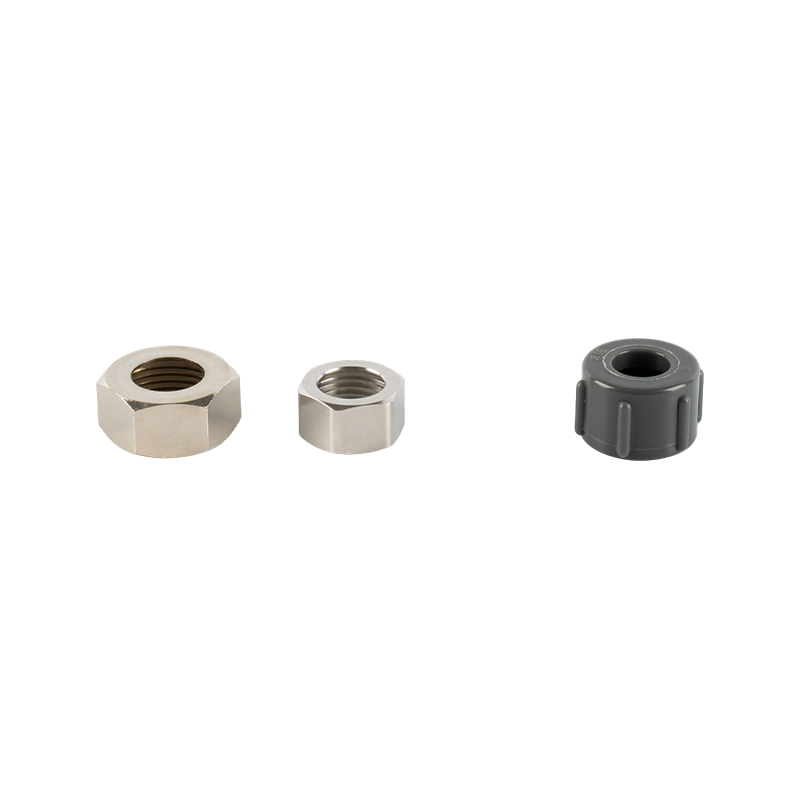 EPDM Plumbing Pipe Manufacturers, Factory - Haoyin Bellows Technology Co., LtdHaoyin Bellows Technology Co., Ltd is Top China OEM/ODM EPDM Plumbing Pipe manufacturers and custom factory, Ethylene-Propylene-Diene Mo...View Product →
Side-by-Side Comparison of Bellows Types
A side-by-side comparison of manufacturing method, materials, cost, and intended duty helps procurement teams narrow down the options quickly.
The relative manufacturing cost chart shows a clear purchasing trade-off. Formed bellows are by far the most economical at scale, which is why most gas and water products on the market use the formed method. Machined bellows cost the most per unit and are justified only when the pressure requirement leaves no alternative.
| Bellows type | Manufacturing | Typical materials | Relative cost | Best suited for |
|---|---|---|---|---|
| Formed / hydroformed | Hydraulic expansion of a tube | Stainless 304, 316L | Low | Gas connectors, expansion joints, water lines |
| Edge-welded | Welded stamped diaphragms | Stainless 316L, Inconel | Medium | Mechanical seals, sensors, vacuum valves |
| Machined | CNC machining from a solid tube | Stainless, titanium alloys | High | Extreme pressure hydraulic systems |
| Deposited / electroformed | Electroforming onto a mandrel | Nickel, nickel alloys | Medium-high | Miniature instruments and medical devices |
The radar chart below compares the two most common choices, formed and edge-welded bellows, on six performance axes.
Formed bellows win on pressure capacity and cost effectiveness, while edge-welded bellows win on flexibility and cycle life. Temperature resistance is close, because both types are made in stainless grades that tolerate most plant media.
How to Choose the Right Type of Bellows
Selection is a four-step process, and the order of the steps matters.
- Define pressure and temperature. Include surge and fault conditions, not just the normal operating values.
- Define movement and cycle life. Axial, lateral, and angular duty call for different convolution counts and configurations.
- Check certification. Gas service requires marks such as CSA; pressure applications may require ASME or EN compliance. Confirm which standard the product is stamped with.
- Compare total installed cost. A low-cost formed connector is the right answer for a low-cycle gas line, while a machined bellows is justified in a hydraulic circuit where a failure stops the whole plant.
Also consider the fluid. Chlorinated water, sour gas, and high-temperature steam each restrict the material choice. Between rubber and metal, practical comparisons of stainless steel versus rubber bellows usually land on stainless steel where durability, temperature, and fire safety are decisive, while rubber stays competitive in low-pressure, low-cost duties. Buyers can also browse the complete bellows and connector product range to compare certified options before sending an inquiry.
FAQs About Types of Bellows
Q1. What is a bellows?
A bellows is a flexible corrugated component that absorbs movement, vibration, and thermal expansion in piping while keeping fluid or gas contained. It is usually made of stainless steel or engineered polymers.
Q2. What are the main types of bellows?
The four main metallic bellows types are formed (hydroformed), edge-welded, machined, and deposited (electroformed). Formed bellows are the most common in gas and water piping.
Q3. How long do stainless steel bellows last?
In normal gas or water service, stainless steel bellows can last 20 years or more. Actual life depends on pressure cycles, operating temperature, and water chemistry.
Q4. Are stainless steel flexible gas connectors safe?
Yes, when certified to CSA or equivalent standards. Stainless steel flexible gas connectors offer far higher corrosion resistance and burst strength than rubber hoses.
Q5. What is the difference between formed and welded bellows?
Formed bellows are expanded from a single tube, making them economical with large movement capacity. Edge-welded bellows use welded diaphragms for low spring rate and high cycle life.
Q6. How do I choose the right size and pressure rating?
Match the nominal size to the pipe bore, and choose a pressure rating at least 1.5 to 2 times the maximum operating pressure. Always check the manufacturer's pressure-temperature chart.