




 English
  Español
  русский


Stainless steel gas connectors are indispensable components in modern gas systems, widely used in gas pipeline connections in homes, businesses, and industries. Due to their corrosion resistance, high temperature resistance, and high strength, stainless steel gas connectors can maintain good performance during long-term use. However, neglecting their maintenance and inspection can lead to leaks, corrosion, or other safety hazards. To ensure the safe operation of the gas system, regular maintenance of stainless steel gas connectors is essential.
This article will guide you on how to maintain stainless steel gas connectors to ensure their safety and service life.
1. Regularly Inspect the Integrity of the Connector
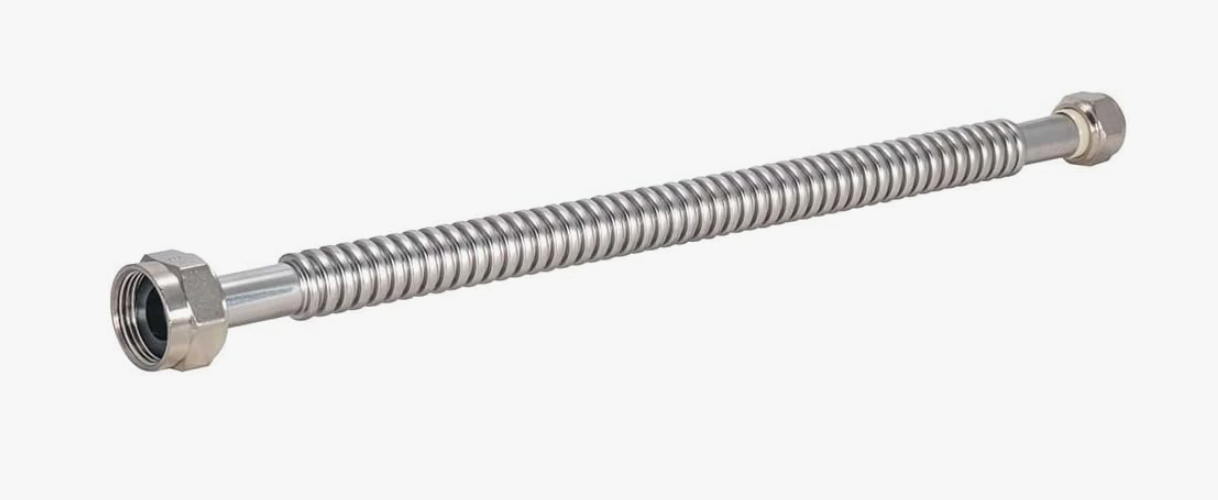
Stainless steel gas connectors are exposed to the gas environment for extended periods and may be affected by corrosion, mechanical damage, or chemical reactions. Therefore, regular inspection of the connector's integrity is very important. During inspection, pay attention to the following:
Check the surface for cracks, dents, or deformation: These problems can lead to gas leaks, especially at the connection points.
Check the condition of the joints and seals: Ensure that the joints are not loose and that the seals are not aged or damaged to prevent gas leaks.
Check the protective layer on the outside of the connector: If the stainless steel surface is scratched or worn, it may expose the metal itself, increasing the risk of corrosion.
If any problems are found during the inspection, replace the damaged connector or seals promptly to prevent accidents.
2. Keep the Connector Clean
If gas connectors are exposed to humid or contaminated environments for extended periods, they can easily accumulate dust, grease, or corrosive substances. This dirt not only affects the appearance but may also accelerate the corrosion process of the stainless steel. Therefore, regular cleaning of stainless steel gas connectors is very important.
Cleaning method:
Wipe the surface of the connector with a clean, soft cloth, avoiding scratching the surface with hard objects.
For oil stains or other stubborn stains, use a neutral detergent for cleaning, avoiding strong acidic or alkaline detergents to prevent corrosion of the stainless steel surface.
Check for corrosive substances (such as salt, chemicals, etc.) around the connector, and clean them promptly if present. Precautions:
Avoid using overly abrasive tools (such as steel brushes) during cleaning, as these tools may scratch the stainless steel surface and reduce its corrosion resistance.
After cleaning, ensure the connector surface is completely dry to prevent rust caused by moisture.
3. Ensure Correct Installation and Tightening
The installation of stainless steel gas connectors must strictly follow the specifications. Improper installation will not only affect the service life of the connector but may also lead to safety hazards such as gas leaks.
Select the correct connector specifications: Choose connectors that match the pipe and equipment interfaces, avoiding the use of connectors of inappropriate sizes.
Use appropriate tools during installation: Professional torque tools should be used during installation to ensure that the threaded connections of the connector are properly tightened, but avoid excessive force to prevent damage to the sealing ring or unnecessary pressure.
Check the sealing after installation: After installation, use soapy water or other testing liquid to check for bubbles at the joints to confirm that the connection is well sealed.
If the connector becomes loose or leaks during installation, it must be repaired immediately to avoid safety risks caused by gas leaks.
4. Avoid Excessive Bending and Stretching
Stainless steel gas connectors have a certain degree of flexibility, but excessive bending or stretching will affect their structural strength, leading to connector breakage or leakage. Therefore, excessive external force should be avoided on the connector during use.
Avoid friction between the connector and other objects: Especially during the installation of the piping system, avoid collision with hard objects or excessive bending of the connector.
Plan the pipe routing reasonably: Ensure that the connector's routing conforms to the design requirements of the gas piping system, avoiding unnecessary bending or tension.
5. Regular Professional Inspections
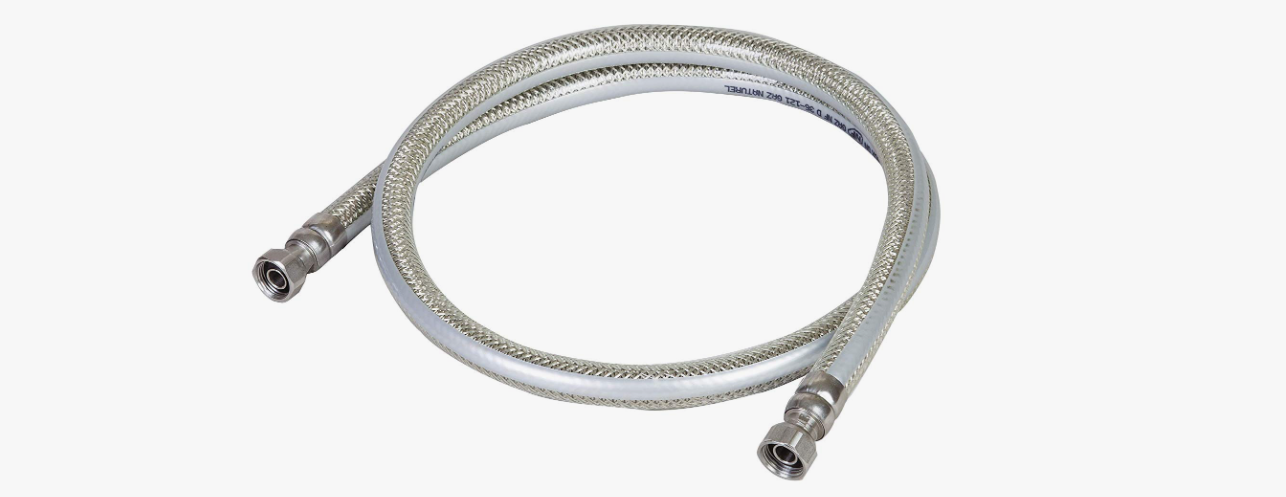
In addition to daily maintenance, it is recommended to have a professional conduct a comprehensive inspection of the gas system regularly, especially after long-term use. Professional inspections can detect problems that are difficult to find during daily inspections, such as internal corrosion and hidden cracks.
Detect gas leaks: Professionals can use specialized tools for airtightness testing to ensure that the entire gas system is free of leaks.
Check if the pressure is normal: Confirm that the gas connector and system are not subjected to excessive pressure to avoid damage or malfunction due to overpressure.
Replace aging components: Wear-prone parts such as sealing rings and valves need to be replaced regularly to ensure the safety of the gas system.
6. Avoid Contact with Chemicals
Avoid contact between stainless steel gas connectors and corrosive chemicals, as these chemicals can accelerate the corrosion of stainless steel. For example, certain cleaning agents, strong acids, or strong bases may damage the stainless steel surface. When using chemical cleaning agents, ensure they are suitable for stainless steel materials and avoid splashing them onto the connector surface.
7. Replace Connectors Regularly
Although stainless steel has excellent corrosion resistance, over time, connectors may lose some of their functionality due to chemical reactions, wear, or external damage. Depending on the usage environment and frequency, regularly replacing stainless steel gas connectors can effectively prevent potential safety hazards.
The key to maintaining stainless steel gas connectors lies in regular inspection, cleaning, proper installation, and avoiding excessive wear and tear. By regularly checking the integrity of the connectors, ensuring proper sealing, avoiding contact with chemicals, and preventing excessive stretching, the service life of stainless steel gas connectors can be significantly extended, and the safe operation of the gas system can be ensured.