




 English
  Español
  русский


To install a stainless steel flexible gas connector safely, shut off the gas supply completely, verify the connector's pressure rating and length before fitting, apply thread sealant to all male threads, hand-tighten then wrench-tighten 1.5–2 turns, and perform a leak test with soapy water before restoring gas flow. Following this sequence eliminates the most common installation errors and ensures the connection meets residential and commercial safety standards.
Why Connector Type and Material Selection Matter Before You Start
Not all gas connectors are interchangeable. The material and construction of a connector directly affects its suitability for indoor versus outdoor use, corrugated versus smooth-bore systems, and natural gas versus propane applications. Selecting the wrong connector type is one of the leading causes of gas leaks during DIY installations.
A stainless steel flexible gas connector offers superior corrosion resistance, pressure durability up to 1/2 PSI for appliance connections and up to 5 PSI for CSST systems, and a service life exceeding 20 years under normal conditions. Below is a comparison of the most common connector types available today.
| Connector Type | Material | Typical Application | Key Advantage |
|---|---|---|---|
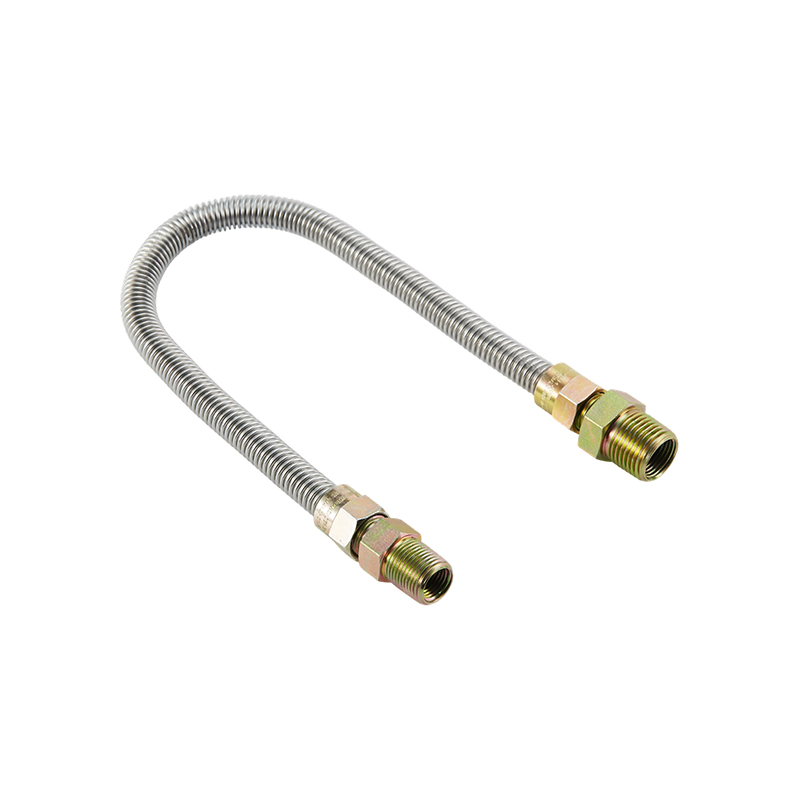
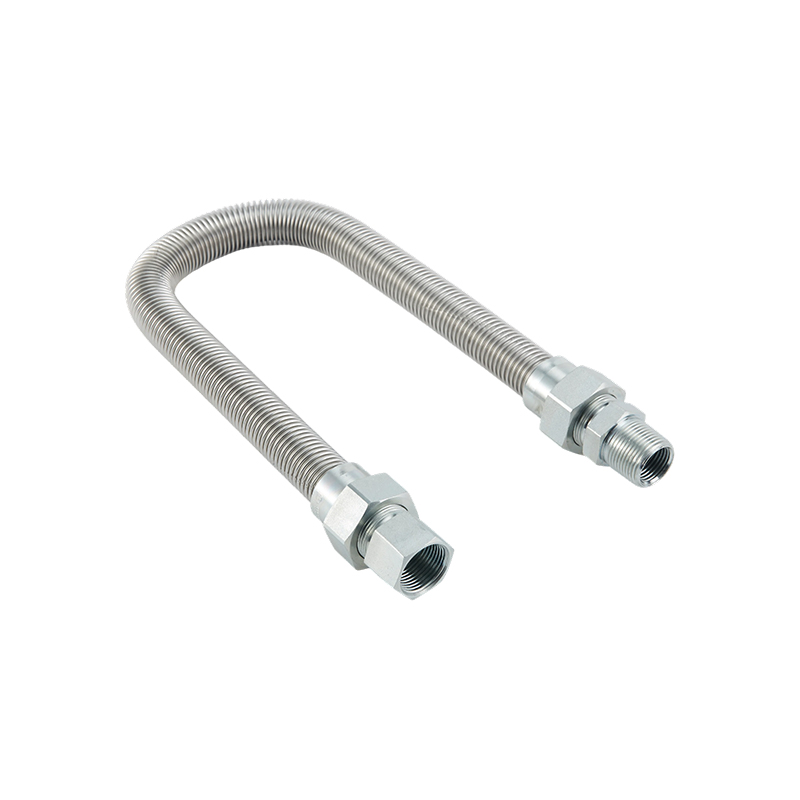
| Stainless Steel Flexible Gas Connector | 304/316 SS corrugated | Appliances, ranges, dryers | Corrosion-resistant, long service life |
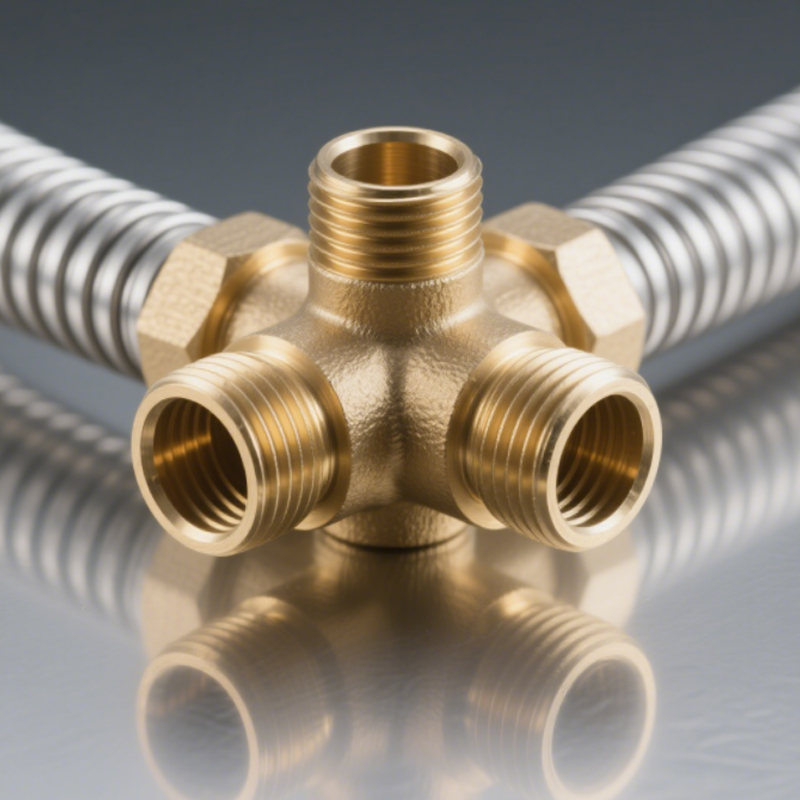
| CSST Gas Connector | Corrugated SS tubing | Whole-building gas distribution | Flexible routing, fewer fittings |
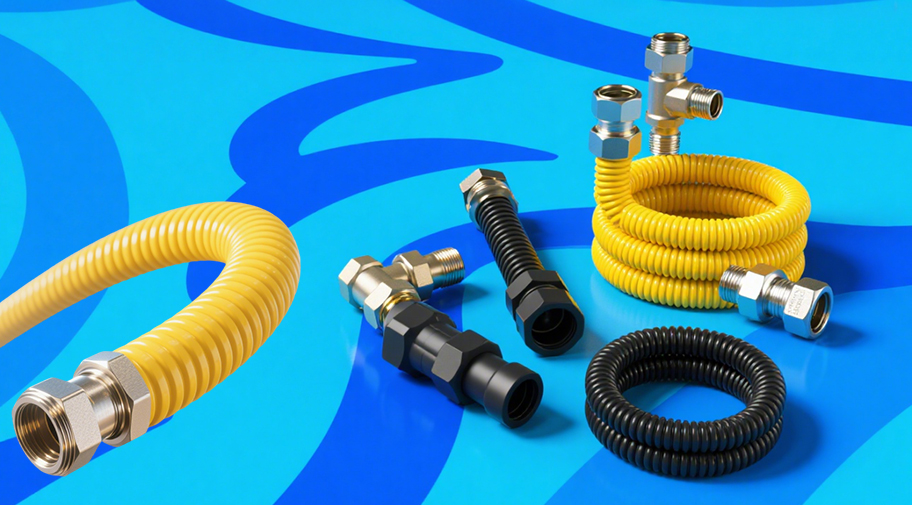
| PVC Coated Gas Connector | SS core + PVC jacket | Outdoor, humid, or coastal environments | Extra moisture and abrasion protection |
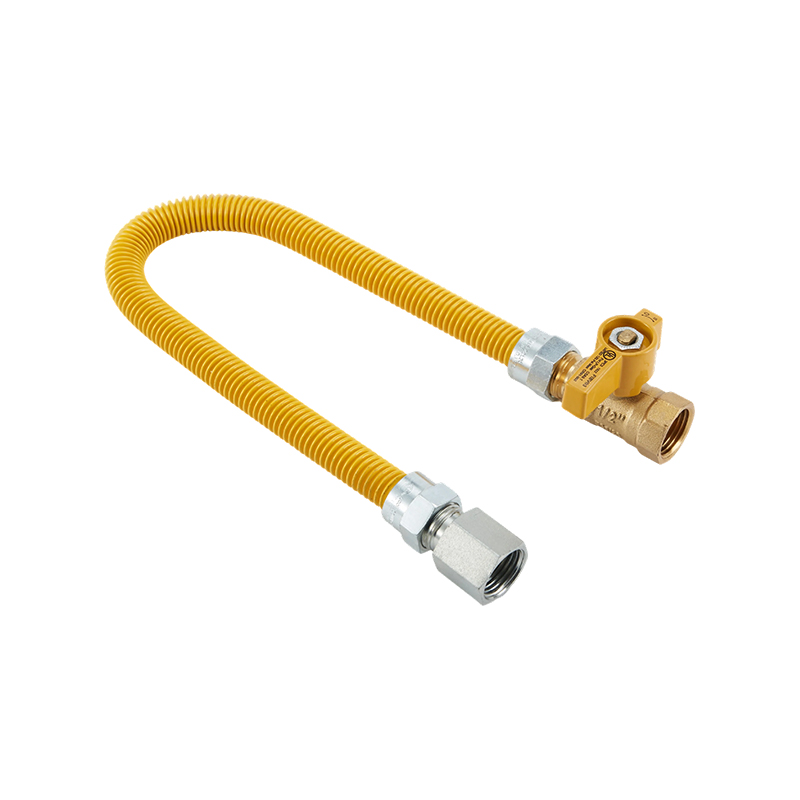
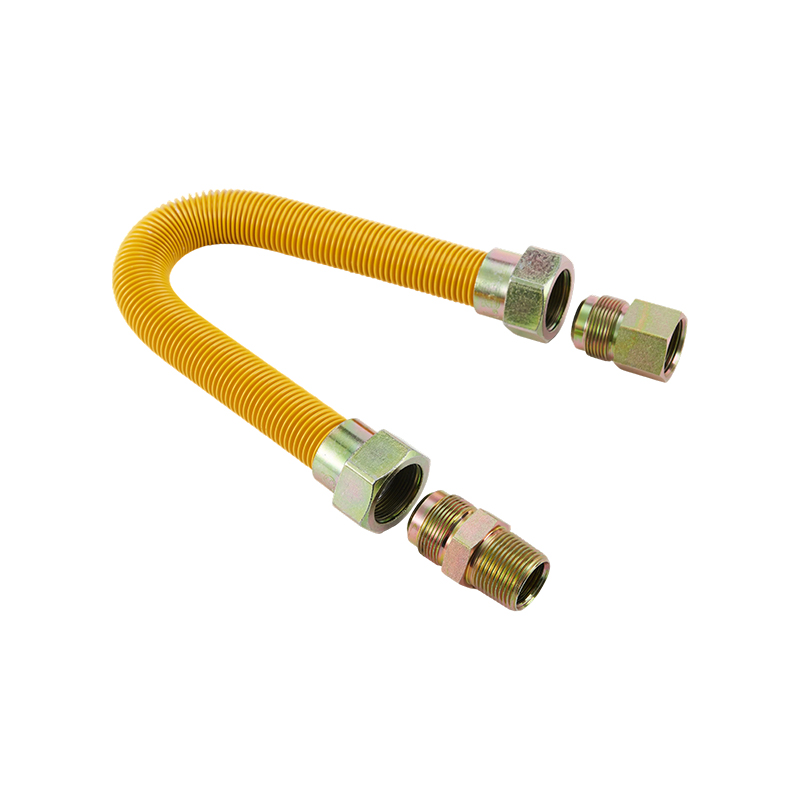
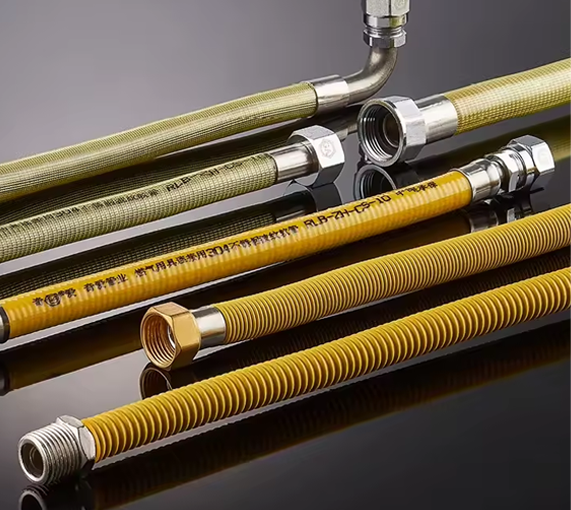
| Yellow Coated Stainless Steel Gas Hose | SS core + yellow PE coat | Residential appliances, easy identification | Visible gas line identification |
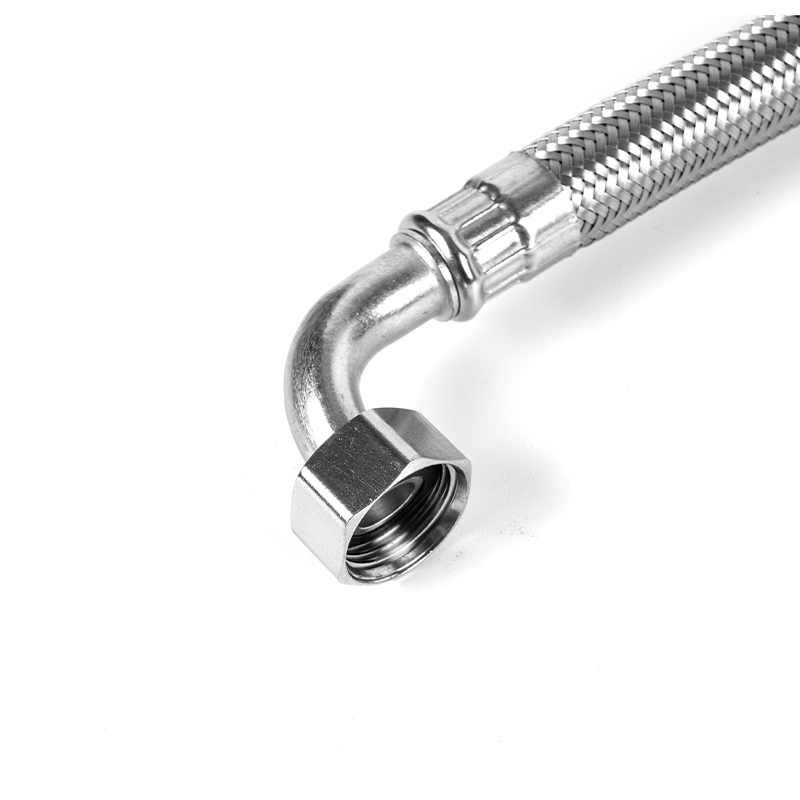
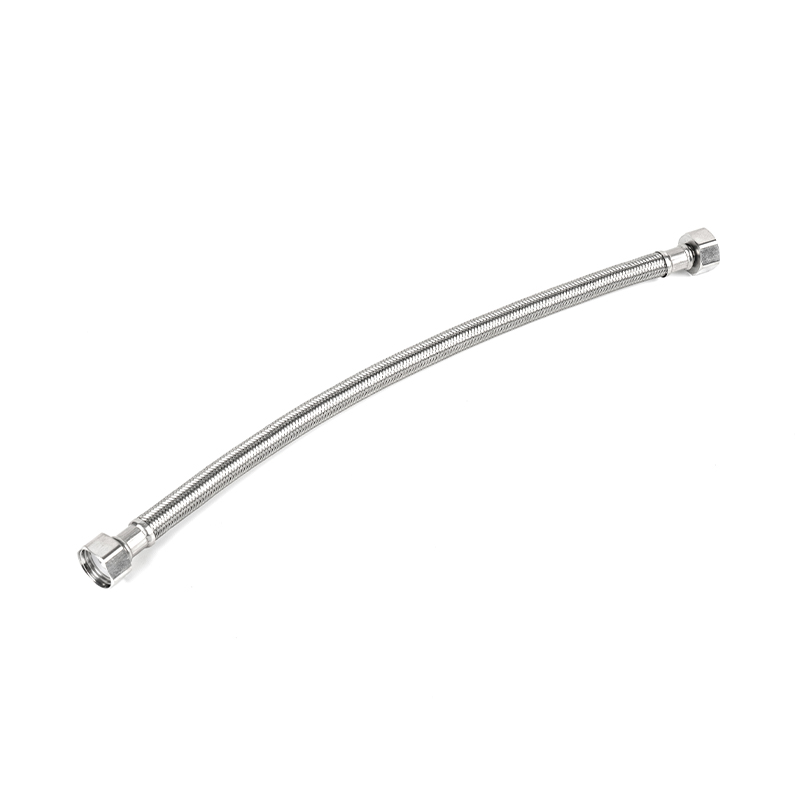
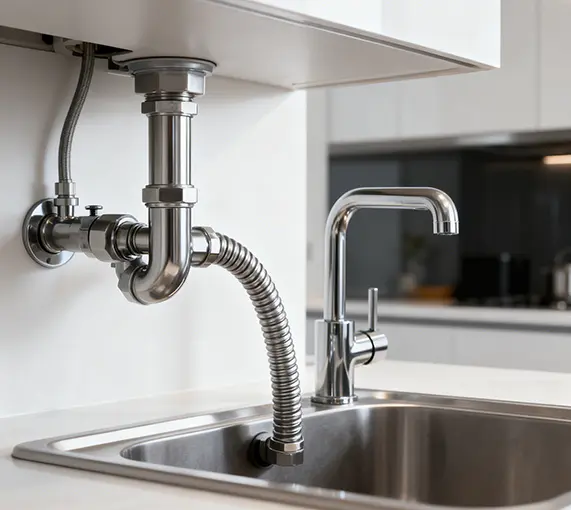
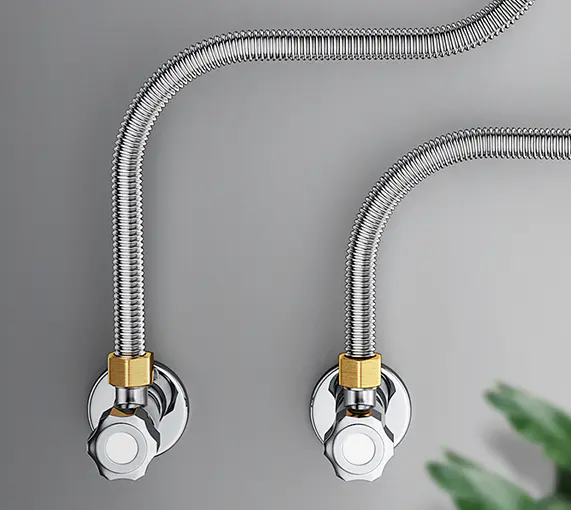
| Stainless Steel Flexible Gas Hose (Uncoated) | Bare 304 SS corrugated | Indoor appliances, commercial kitchens | Heat-resistant, easy inspection |
Tools and Materials You Need Before Beginning Installation
Preparing the correct tools before starting prevents mid-installation interruptions and reduces the risk of rushed fittings that lead to leaks. Every installation of a stainless steel flexible gas hose or CSST gas connector requires the following:
- Two adjustable wrenches or open-end wrenches (for counter-torquing fittings)
- PTFE (Teflon) tape rated for gas service — yellow tape only, not white plumbing tape
- Pipe joint compound approved for gas use (optional, in addition to PTFE tape)
- Gas leak detection solution or soapy water in a spray bottle
- Flashlight for inspecting fittings in confined spaces
- Replacement connector of the correct diameter, end type (flare or NPT), and length
- Gas shutoff key or valve wrench if the shutoff valve requires a tool to operate
Never reuse an existing stainless steel flexible gas connector, even if it appears undamaged. Standards such as ANSI Z21.24 specify single-use installation — a connector that has been removed must be replaced, not reinstalled.
Step-by-Step Installation of a Stainless Steel Flexible Gas Connector
Follow these steps in sequence. Do not skip the leak test at the end — it is not optional, and it takes under two minutes to complete.
Step 1: Shut Off the Gas Supply
Turn the appliance shutoff valve to the closed position — the handle should be perpendicular to the pipe. If you are replacing a connector on a live appliance line, also shut off the main gas meter valve. Wait at least 5 minutes before disconnecting any fittings to allow residual gas in the line to dissipate.
Step 2: Remove the Old Connector
Use one wrench to hold the supply fitting stationary and a second wrench to loosen the connector nut. Always use two wrenches — applying torque to a single fitting can twist and crack the gas supply pipe inside the wall. Remove the old connector and dispose of it; it must not be reused.
Step 3: Select the Correct Connector Length
Measure the distance between the supply outlet and the appliance inlet with the appliance in its final position. The connector should reach comfortably without stretching, kinking, or being coiled. Most residential appliance connectors range from 12 inches (30 cm) to 60 inches (152 cm). For a stainless steel flexible gas hose, allow slight slack — approximately 2–3 cm of free movement — to absorb appliance vibration without stressing the fittings.
Step 4: Apply Thread Sealant to Male NPT Threads
Wrap yellow gas-rated PTFE tape clockwise around male NPT threads — 3 full wraps minimum, starting from the first thread and overlapping each layer by 50%. Do not apply PTFE tape or compound to flare fittings — flare connections seal metal-to-metal and sealant on flare threads can prevent proper seating and cause leaks.
Step 5: Connect and Tighten the Fittings
Thread the connector onto the supply fitting by hand until snug. Then tighten with a wrench to 1.5 to 2 full turns beyond hand-tight — this is the standard for both NPT and flare connections on a stainless steel flexible gas connector. Again use two wrenches — one to hold the supply fitting and one to tighten the connector nut. Connect the appliance end using the same method.
Step 6: Perform a Soap-and-Water Leak Test
Restore the gas supply slowly. Apply soapy water or a gas leak detection solution to every fitting, joint, and along the body of the connector. Any bubbling indicates a leak — shut off the gas immediately and re-tighten or re-seal the affected fitting. Do not use an open flame to check for leaks under any circumstances.
Figure 1: Primary causes of gas connector installation failures in residential settings.
Key Differences Between CSST Gas Connectors and Standard Appliance Connectors
CSST (Corrugated Stainless Steel Tubing) gas connectors are designed for whole-building gas distribution systems and are installed by licensed plumbers or gas fitters as part of the building's permanent gas infrastructure. They differ from standard stainless steel flexible gas connectors in several important ways.
| Feature | CSST Gas Connector | Standard Appliance Connector |
|---|---|---|
| Typical Length | Up to 250 ft (continuous run) | 12 in – 60 in |
| Operating Pressure | Up to 5 PSI | Up to 1/2 PSI |
| Installation Type | Permanent building infrastructure | Appliance final connection |
| Installer Requirement | Licensed gas fitter required | DIY-permissible in many regions |
| Bonding Requirement | Electrical bonding required | Not required |
| Coating Options | Yellow PE jacket standard | Bare SS, PVC coated, or yellow coated |
In many jurisdictions, CSST gas connector systems must be electrically bonded to the building's grounding system to prevent damage from nearby lightning strikes. Failure to bond a CSST system is a code violation in most U.S. states and Canadian provinces. Always consult local building codes before starting any CSST installation.
Choosing Between PVC Coated and Yellow Coated Stainless Steel Gas Hose
Both PVC coated gas connectors and yellow coated stainless steel gas hoses share the same core construction — a corrugated stainless steel body — but the outer jacket serves a different purpose in each case. Selecting the right coating for the installation environment extends service life and maintains code compliance.
PVC Coated Gas Connector
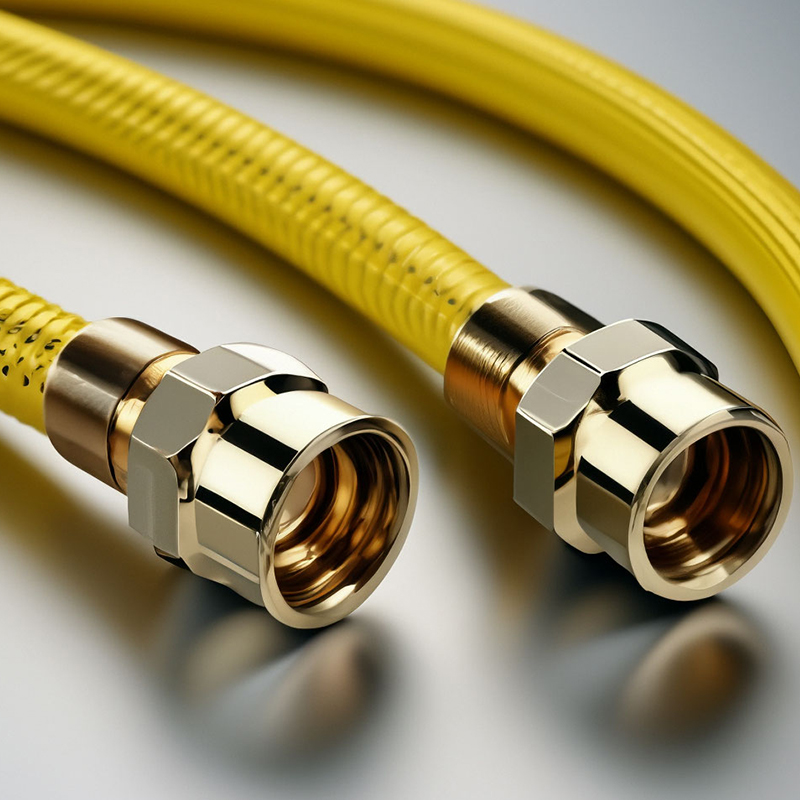
A PVC coated gas connector is designed for environments with higher moisture exposure, mechanical abrasion risk, or chemical contact. The PVC jacket prevents chloride-induced pitting corrosion, which can develop on bare stainless steel in humid coastal areas within 3–5 years of installation. These connectors are well suited to outdoor BBQ connections, patio heaters, and poolside gas appliances.
Yellow Coated Stainless Steel Gas Hose
The yellow coated stainless steel gas hose uses a yellow polyethylene jacket that serves a dual purpose: it provides light mechanical protection and makes the gas line immediately identifiable during inspections, maintenance, and emergency shutdowns. This hose type is widely used for residential ranges, water heaters, and furnaces. The yellow jacket also functions as an indicator — any cracking, peeling, or discoloration of the jacket signals that the connector should be inspected and potentially replaced.
Figure 2: Estimated service life retention comparison across gas connector types (coastal/humid environment).
Safety Rules and Common Mistakes to Avoid
The majority of gas connector incidents are preventable. The following rules apply to every installation of a stainless steel flexible gas connector, CSST gas connector, or coated gas hose.
- Do not route a gas connector through walls, floors, or ceilings — flexible connectors are designed for exposed final connections only. Use rigid black iron pipe or CSST inside concealed spaces.
- Never kink, stretch, or sharply bend a stainless steel flexible gas hose — bending radius should not be tighter than the connector's minimum bend radius, which is typically 2–4 inches depending on diameter.
- Do not use a connector rated for natural gas on a propane (LP) system without verifying the connector's LP approval rating — gas pressure and combustion properties differ significantly.
- Avoid over-tightening: more than 2.5 turns past hand-tight on a flare fitting can crack the flare seat and create a permanent leak path.
- Inspect the connector annually — check for kinks, abrasion, corrosion on exposed metal, and any discoloration or cracking of the jacket on PVC coated gas connectors or yellow coated stainless steel gas hoses.
- Replace any connector that is more than 5 years old or shows any sign of physical damage, regardless of whether a leak has been detected.
Sizing and Length Reference for Common Appliance Connections
Selecting the correct diameter and length for a stainless steel flexible gas connector ensures adequate gas flow and prevents excess connector length that creates tripping hazards or becomes pinched behind appliances.
| Appliance | Recommended Diameter | Typical Length | End Fitting Type |
|---|---|---|---|
| Gas Range / Cooktop | 1/2 in | 24–36 in | 3/4 in Flare x 1/2 in MIP |
| Gas Dryer | 1/2 in | 36–48 in | 1/2 in MIP x 1/2 in MIP |
| Water Heater | 1/2 in or 3/4 in | 18–36 in | 3/4 in FIP x 3/4 in MIP |
| Gas Fireplace / Log Set | 1/2 in | 12–24 in | 1/2 in MIP x 1/2 in FIP |
| Outdoor Grill / Patio Heater | 3/8 in or 1/2 in | 48–60 in | 3/8 in Flare x 3/8 in MIP |
About Haoyin (Ningbo) Bellows Technology Co., Ltd.
Haoyin (Ningbo) Bellows Technology Co., Ltd. is a professional enterprise specializing in the R&D, design, manufacturing, and sales of stainless steel bellows. Committed to providing safe, efficient, and durable flexible connection solutions for gas, plumbing, heating, and other fields, Haoyin serves as a professional OEM Stainless Steel Flexible Gas Connector Manufacturer and ODM Custom CSST Gas Connector Factory.
Covering an area of 35 mu, the company operates 18,000 square meters of standardized workshops and has obtained multiple management system certifications including ISO9001, ISO14001, and ISO45001. Recognized as a National High-tech Enterprise and Green Factory, Haoyin adheres to the production philosophy of "Striving for Excellence, Forging Quality." The company has built a full-process quality management system — from raw material screening, structural design, and manufacturing through performance testing and after-sales support — continuously creating higher value for customers worldwide.
Frequently Asked Questions
In most regions, homeowners may install a standard appliance gas connector (range, dryer, water heater) themselves, provided they follow local codes and perform a proper leak test. CSST gas connector installation for building distribution systems requires a licensed gas fitter in most jurisdictions. Always check your local building code before proceeding.
A quality stainless steel flexible gas hose in a dry indoor environment can last 15–20 years. However, most manufacturers and codes recommend replacing appliance connectors every 5 years as a precaution, or immediately upon any sign of physical damage, corrosion, or kinking. Outdoor connectors exposed to moisture should be inspected annually.
Both have the same stainless steel corrugated core. The PVC jacket on a PVC coated gas connector adds protection against moisture, abrasion, and chloride corrosion — making it suitable for outdoor, coastal, or humid environments. Uncoated connectors are fine for dry indoor use and allow easier visual inspection of the metal body.
Yes, in most U.S. states and Canadian provinces, CSST gas connector systems are required by code to be electrically bonded to the building's grounding system. This protects against lightning-induced arcing, which can perforate the thin corrugated tubing. Always check current local code requirements — bonding requirements have been updated several times in recent years.
Yellow coated stainless steel gas hoses provide basic mechanical protection and are suitable for covered outdoor areas with limited moisture exposure. For fully exposed outdoor installations — such as rooftop units or coastal applications — a PVC coated gas connector offers superior corrosion resistance and is the better long-term choice.
Use yellow gas-rated PTFE tape (not white plumbing tape) wrapped clockwise at least 3 full turns on male NPT threads. For additional security, a gas-approved pipe joint compound can be applied over the tape. Never use any sealant on flare-to-flare connections — these seal metal-to-metal and sealant prevents proper seating.