




 English
  Español
  русский


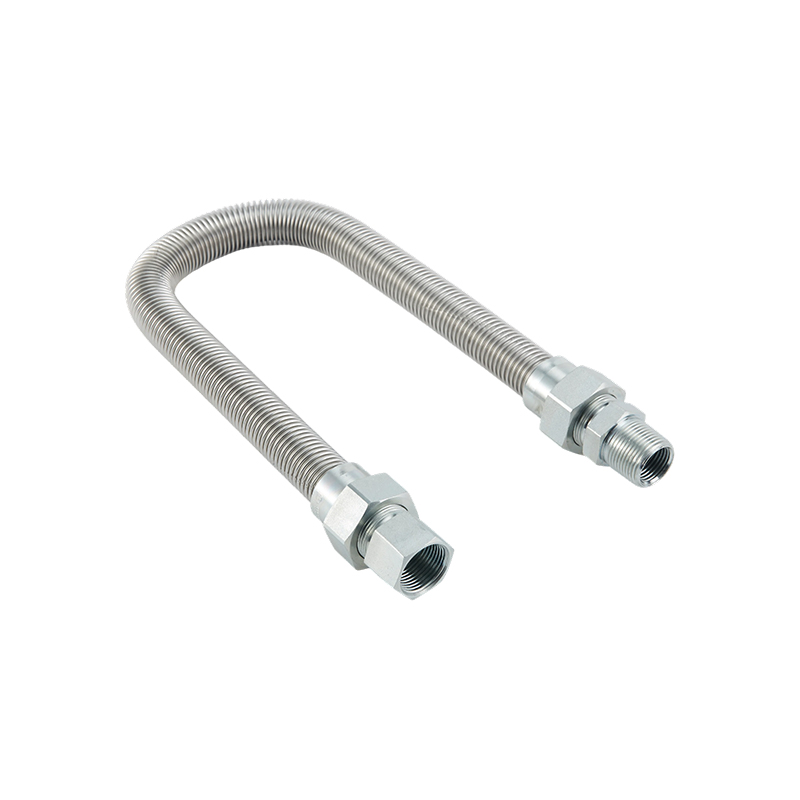
A stainless steel flexible gas hose typically lasts 10 to 30 years under normal residential or commercial conditions—but the actual lifespan depends heavily on installation environment, coating type, operating pressure, and maintenance practices. In optimal conditions, a properly installed CSST gas connector or corrugated stainless steel hose can remain fully serviceable for decades. In harsh environments with mechanical stress or chemical exposure, degradation can begin much sooner.
This article breaks down exactly what determines service life, how different products compare, and the warning signs that tell you it is time to replace your gas connector before a problem develops.
Typical Lifespan by Product Type
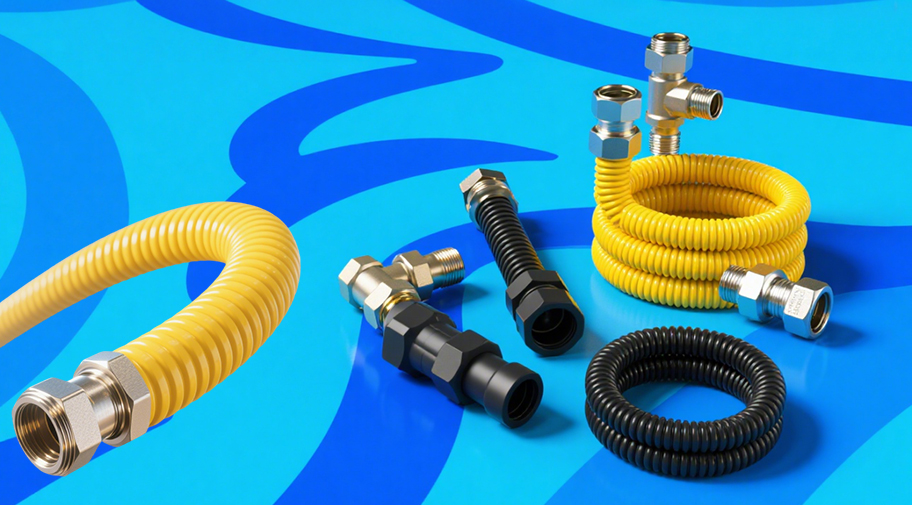
Not all flexible gas connectors age at the same rate. The core material, outer coating, and end fittings all contribute to how long a connector remains safe and leak-free. Here is how the main product types compare:
| Product Type | Typical Lifespan | Key Strength | Main Limitation |
|---|---|---|---|
| Stainless Steel Flexible Gas Connector (uncoated) | 10–20 years | High pressure resistance | Exposed to condensation and corrosion |
| CSST Gas Connector (coated) | 20–30 years | Flexible routing, bonding protection | Requires proper bonding/grounding |
| PVC Coated Gas Connector | 15–25 years | Moisture and chemical resistance | UV degradation if exposed outdoors |
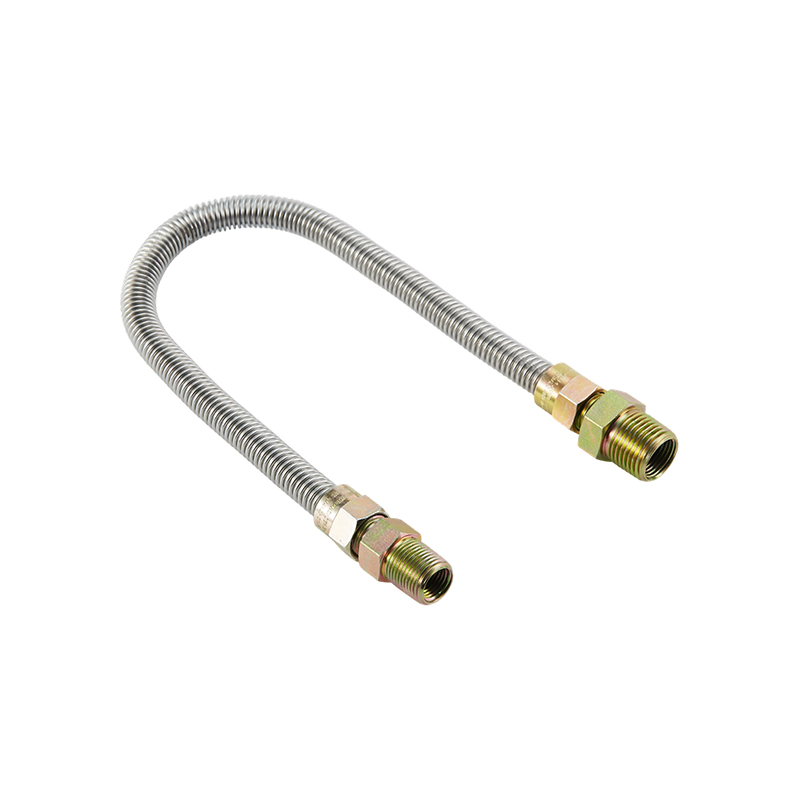
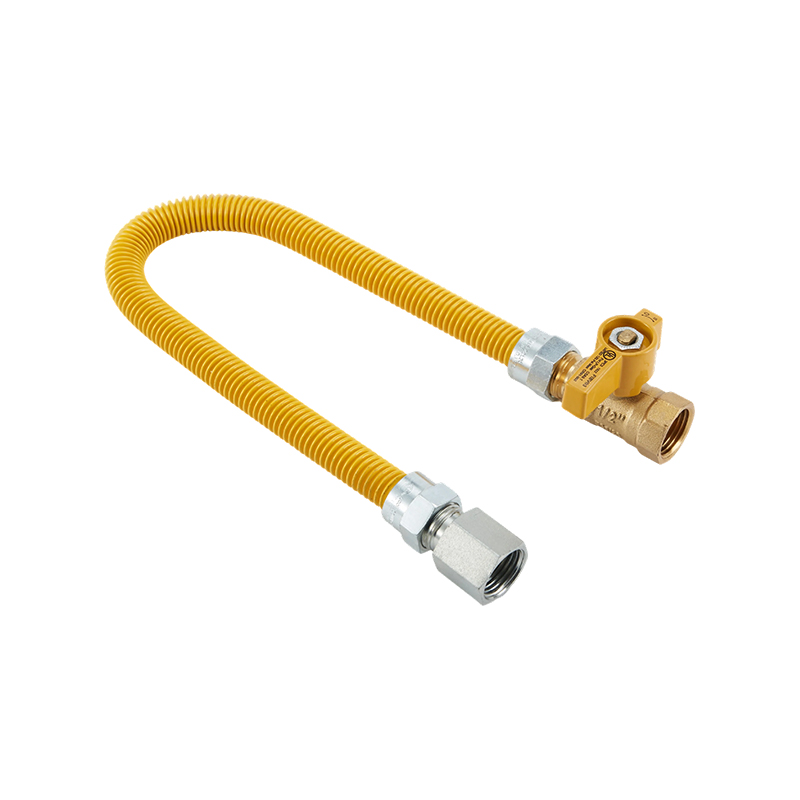
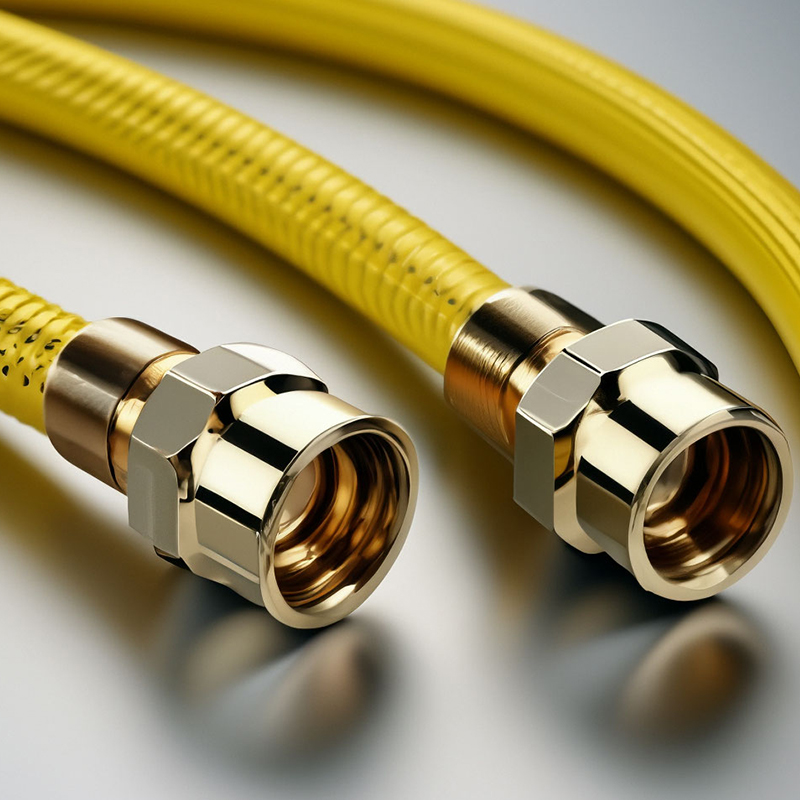
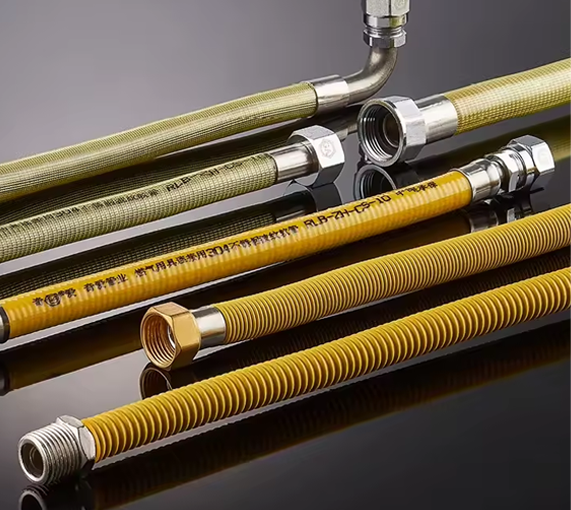
| Yellow Coated Stainless Steel Gas Hose | 20–30 years | Visual identification, coating durability | Coating integrity must be maintained |
The Yellow Coated Stainless Steel Gas Hose and coated CSST options consistently outlast bare stainless connectors in real-world installations because the outer coating provides an additional barrier against moisture, chemicals, and mechanical abrasion.
Key Factors That Determine How Long Your Gas Hose Lasts
1. Installation Environment
Indoor, dry installations in residential kitchens or utility rooms represent the least aggressive environment—a quality stainless steel flexible gas hose here can easily reach the upper end of its rated lifespan. Outdoor or semi-exposed installations (rooftop units, outdoor cooking equipment, industrial facilities) subject the connector to temperature cycling, UV radiation, humidity, and airborne chemicals that accelerate aging.
2. Coating Integrity
The outer coating on a PVC Coated Gas Connector or Yellow Coated Stainless Steel Gas Hose does far more than provide color identification. It acts as a physical barrier against:
- Condensation moisture that causes external corrosion on the corrugated body
- Cleaning chemicals, grease, and solvents in kitchen environments
- Mechanical abrasion from contact with walls, cabinets, or other components
- Electrolytic corrosion where the connector contacts dissimilar metals
Any cut, crack, or peeling in the coating should be treated as a maintenance alert. Once the protective layer is compromised, the corrugated stainless body is exposed and corrosion can develop within 1–3 years in humid conditions.
3. Operating Pressure and Gas Type
Standard residential natural gas connectors operate at pressures between 0.25 psi and 2 psi. Commercial and industrial applications may run at 5–60 psi. A hose rated only for low-pressure residential service that is exposed to commercial supply pressure will experience accelerated fatigue in the corrugated wall, shortening its service life significantly. Always verify the rated working pressure on the product specification before installation.
LP gas (propane/butane) and natural gas behave differently with elastomeric seals—ensure your CSST gas connector or end fittings carry the correct certification for the gas type in use.
4. Mechanical Stress and Bending
Flexible gas hoses are designed for flexibility during installation, not repeated flexing in service. A connector installed with excessive tension, sharp bends below the minimum bend radius, or subject to vibration from connected appliances will develop fatigue cracking in the corrugated section—typically starting at the point of maximum stress concentration. Maintaining a bend radius of at least 4–6 times the nominal diameter is a standard best practice.
5. End Fitting and Connection Quality
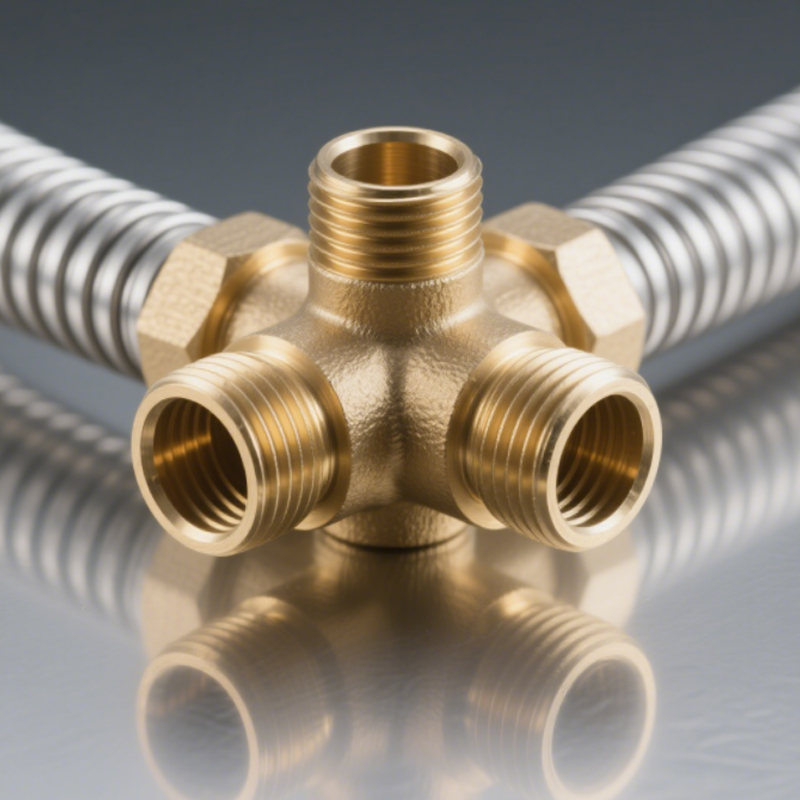
The most common failure point in a flexible gas connector is not the corrugated tube itself but the end fittings. Loose, cross-threaded, or improperly sealed connections allow micro-leaks that worsen over time. Brass and stainless steel fittings with PTFE or properly applied thread sealant maintain a gas-tight seal significantly longer than those installed without adequate preparation.
Figure 1: Estimated Lifespan Reduction (%) by Key Risk Factor
CSST vs. Standard Stainless Steel Connectors: Which Lasts Longer?
CSST (Corrugated Stainless Steel Tubing) is designed as a semi-permanent gas distribution system within buildings, rated for significantly longer service life than appliance connectors. When properly bonded and installed according to manufacturer specifications, a CSST gas connector system is engineered to last the lifetime of the building—often cited as 30+ years by manufacturers.
Standard flexible gas appliance connectors (shorter, used at the final connection to an appliance) carry more conservative ratings—typically 10–20 years—because they are subject to more frequent mechanical disturbance when appliances are moved or serviced.
The critical difference is bonding: CSST systems require proper electrical bonding to prevent arc damage from lightning-induced transient voltages. This is a code requirement in most jurisdictions and a key factor in achieving the full rated service life.
Warning Signs: When to Replace Your Flexible Gas Hose
Do not wait for a leak to decide it is time for replacement. The following signs indicate the connector should be replaced immediately regardless of its age:
- Visible corrosion or rust spots on the corrugated body or fittings
- Cracked, peeling, or missing coating on PVC coated or yellow coated hoses
- Kinks or sharp bends that have deformed the corrugated wall
- Any smell of gas near the connector—use soapy water to check for bubbles at all joints
- Discoloration or heat damage from proximity to burners or hot surfaces
- Physical damage from being struck, pinched, or caught under appliance feet
- Age exceeding the manufacturer's rated service life, even with no visible defects
A simple annual visual inspection—checking coating condition, fitting tightness, and hose routing—takes under five minutes and can identify developing issues before they become safety concerns.
How Coating Type Affects Long-Term Durability
The outer coating on a flexible gas connector is not decorative—it is a functional protective system. Two dominant coating types are in common use:
PVC Coating
A PVC Coated Gas Connector provides excellent resistance to moisture, mild acids, oils, and cleaning agents. PVC maintains flexibility at normal operating temperatures (typically -15°C to +60°C) and provides a smooth outer surface that resists dirt accumulation. It is the standard choice for kitchen, laundry, and indoor heating applications. Limitation: PVC can become brittle with prolonged UV exposure, making it less suitable for outdoor or rooftop installations.
Yellow Polymer Coating (CSST-Style)
The Yellow Coated Stainless Steel Gas Hose uses a thicker polymer jacket formulated for higher impact resistance and broader temperature tolerance. The yellow color serves as a universal gas identification marker in building systems. This coating type is more resistant to puncture from sharp edges and provides better protection in commercial or multi-unit residential installations where the hose may contact building materials or structural elements.
Figure 2: Coating Integrity (%) Over Time — Indoor vs. Outdoor Installation
Best Practices to Maximize Service Life
Extending the service life of a Stainless Steel Flexible Gas Connector is straightforward when installation and maintenance guidelines are followed consistently:
- Select the correct length: Install with enough slack to avoid tension but without excessive loops that create mechanical stress points.
- Respect the minimum bend radius: Never kink a flexible hose during installation. Use a radius at least 4–6 times the nominal pipe diameter.
- Use appropriate thread sealant: Apply gas-rated PTFE tape or anaerobic sealant to male threads; never use pipe dope incompatible with the gas type.
- Avoid contact with hot surfaces: Keep the hose away from burner heat, exhaust flues, and any surface exceeding 65°C unless the hose is specifically rated for higher temperatures.
- Inspect annually: Check coating condition, fitting tightness, and hose routing. Use leak detection solution at all threaded joints.
- Replace after appliance moves: If the connected appliance is relocated, replace the flexible connector—flexed connectors may have developed micro-fatigue cracks invisible to the eye.
- Bond CSST systems properly: For CSST gas connector installations, ensure all bonding and grounding is completed per local code before pressurizing the system.
About Haoyin (Ningbo) Bellows Technology Co., Ltd.
Haoyin (Ningbo) Bellows Technology Co., Ltd. is a professional enterprise specializing in the R&D, design, manufacturing, and sales of stainless steel bellows. Committed to providing safe, efficient, and durable flexible connection solutions for gas, plumbing, heating, and other fields, Haoyin serves clients across residential, commercial, and industrial markets worldwide.
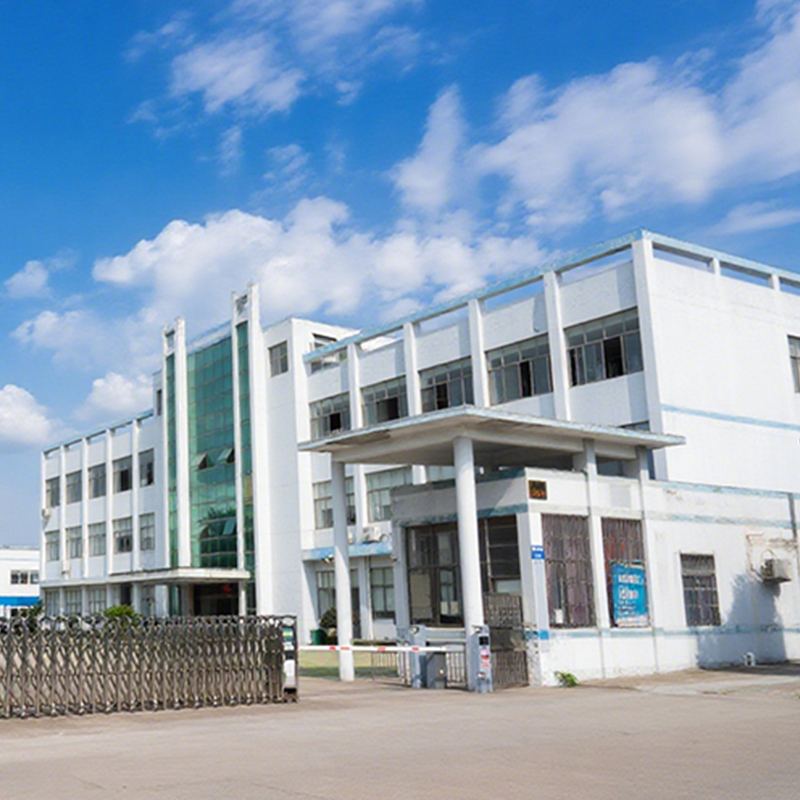
As a professional OEM Stainless Steel Flexible Gas Connector Manufacturer and ODM Custom CSST Gas Connector Factory, Haoyin covers an area of 35 mu with 18,000 square meters of standardized workshops. The company holds multiple management system certifications including ISO9001, ISO14001, and ISO45001, and has been recognized as a National High-tech Enterprise and Green Factory.
Haoyin adheres to the production philosophy of "Striving for Excellence, Forging Quality," maintaining a full-process quality management system from raw material screening and structural design through manufacturing, performance testing, and after-sales support—continuously creating higher value for customers.