




 English
  Español
  русский


The Direct Answer: Replace Your Stainless Steel Flexible Gas Hose If You See Any of These Signs
A stainless steel flexible gas hose must be replaced immediately if you detect any visible corrosion, kinking, crushing, damaged end fittings, or a gas smell near the hose. Even without visible damage, most manufacturers and national gas safety standards recommend replacing flexible gas hoses every 5 years as a precautionary maximum service life — regardless of apparent condition. A failed gas hose is one of the leading causes of residential gas leaks and fires. Because stainless steel braided hoses can appear intact on the outside while the inner corrugated tube has already cracked or corroded, visual inspection alone is not always sufficient. This guide covers every check you should perform and exactly when replacement is non-negotiable.
Understanding the Structure of a Stainless Steel Flexible Gas Hose
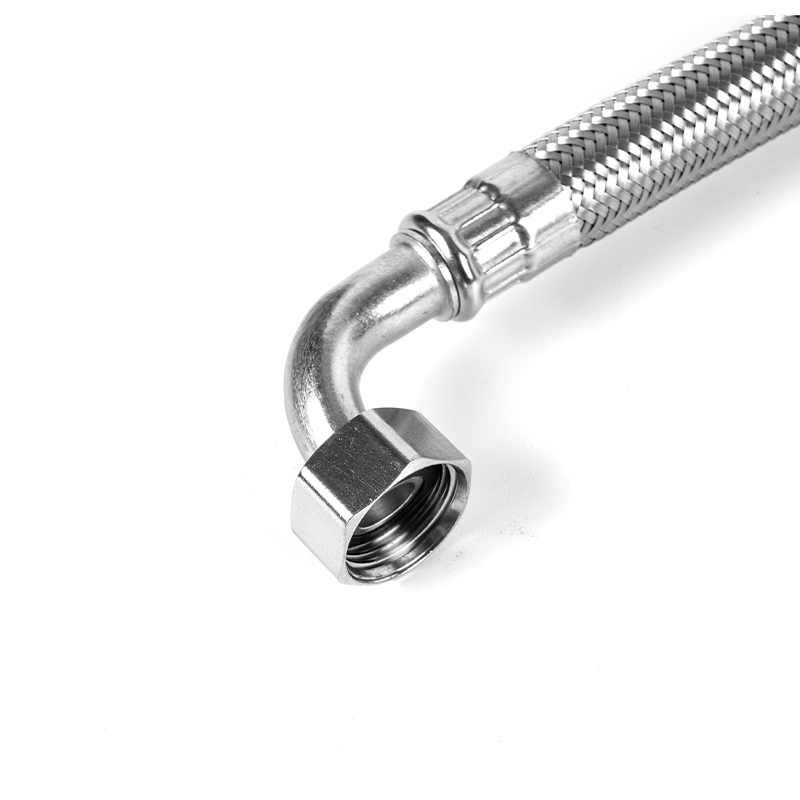
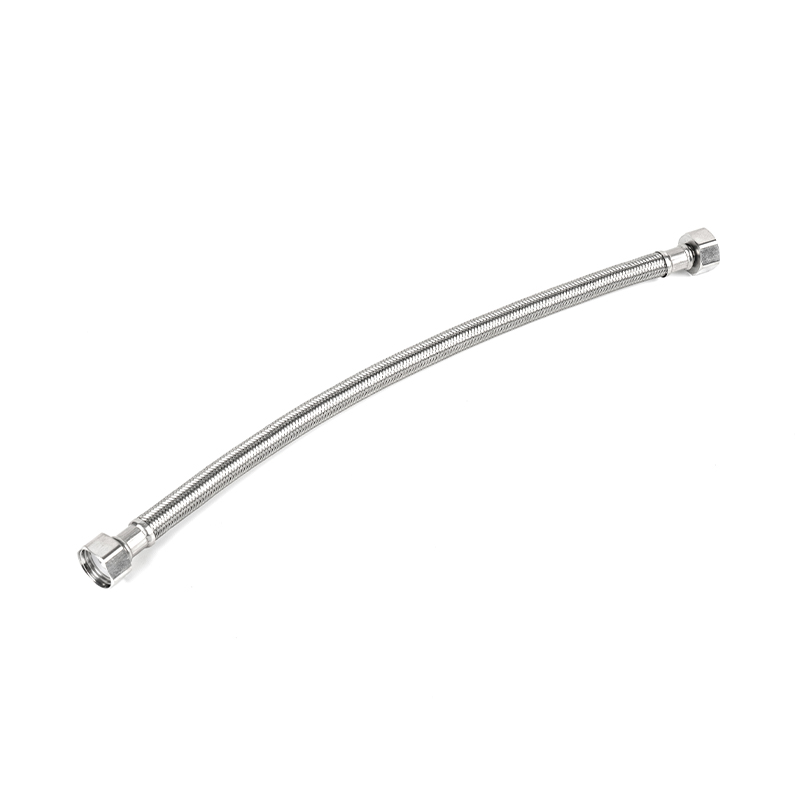
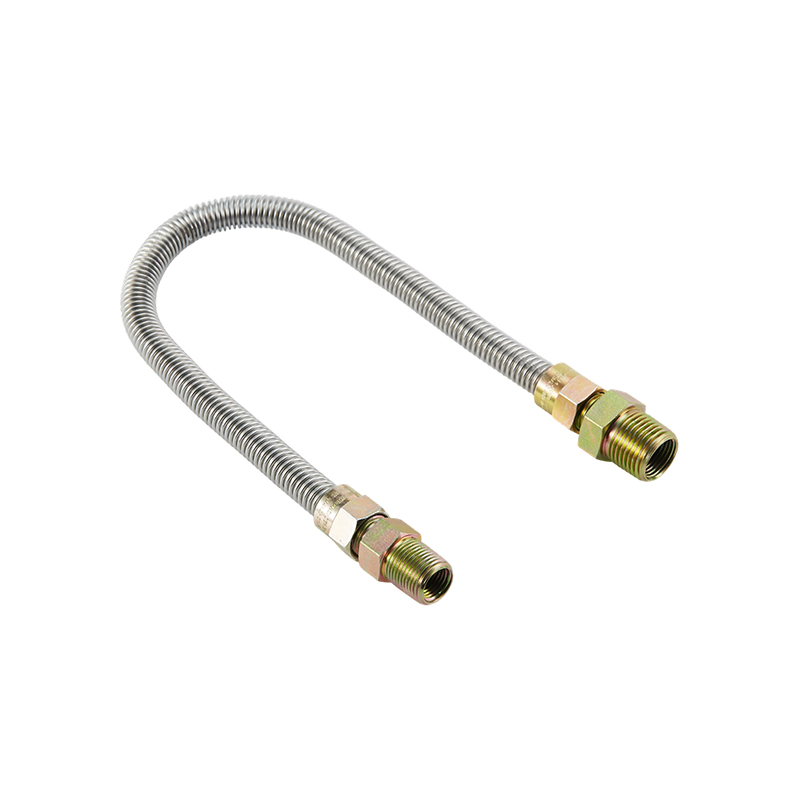
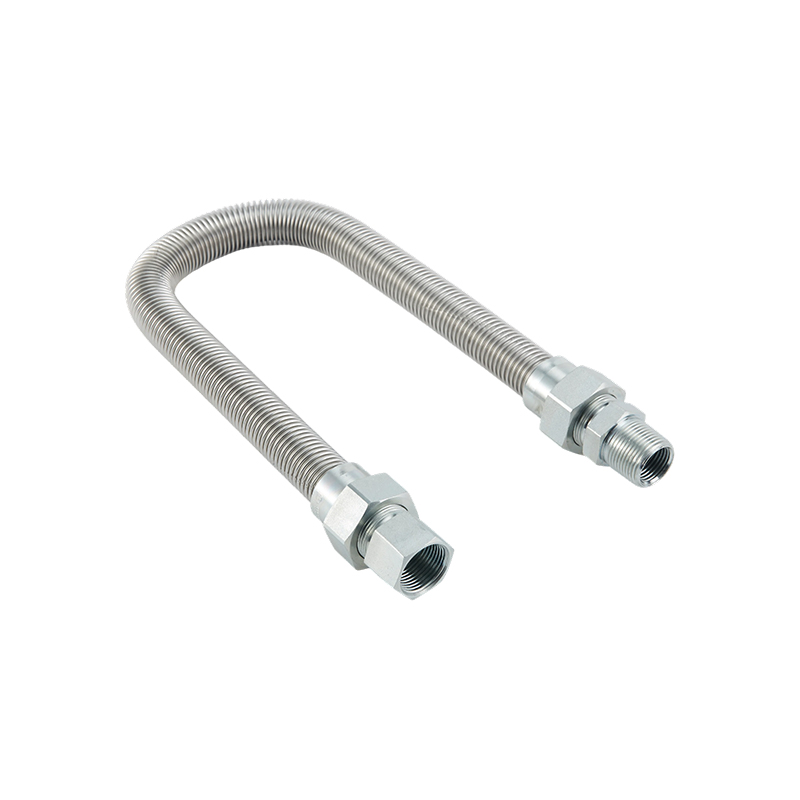
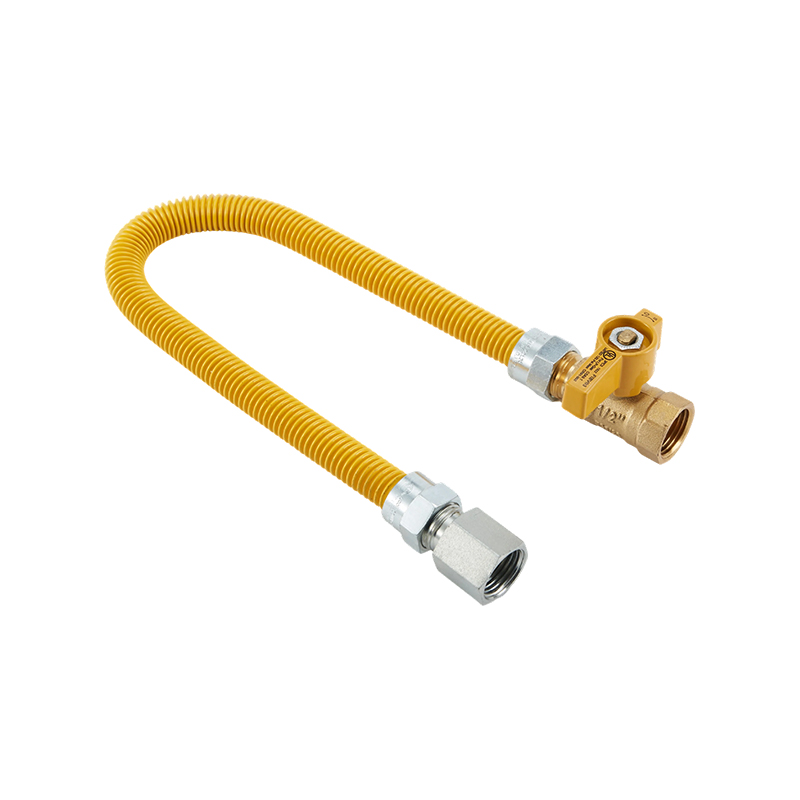
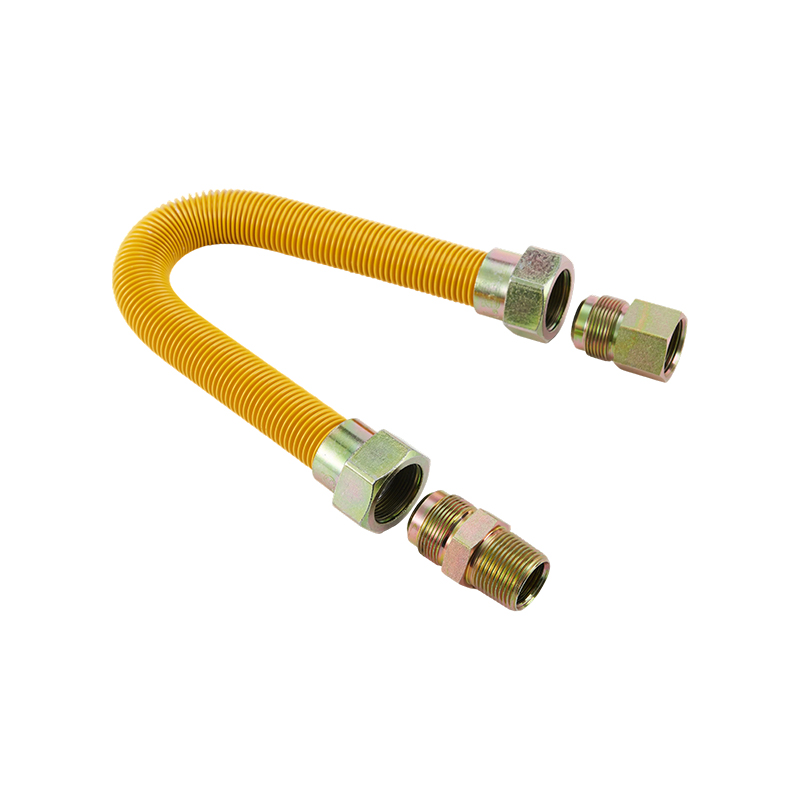
Before inspecting the hose, it helps to understand what you are looking at. A standard stainless steel flexible gas hose consists of three main components, each of which can fail independently.
- Inner corrugated tube: Typically made from 304 or 316 stainless steel, this carries the gas. Corrugations allow flexibility. This is the component most vulnerable to stress corrosion cracking (SCC) — a failure mode that is invisible from the outside.
- Outer stainless steel braid: A woven layer of stainless steel wire that provides mechanical protection and pressure containment. Rust spots, broken wires, or unraveling in this layer are visible warning signs.
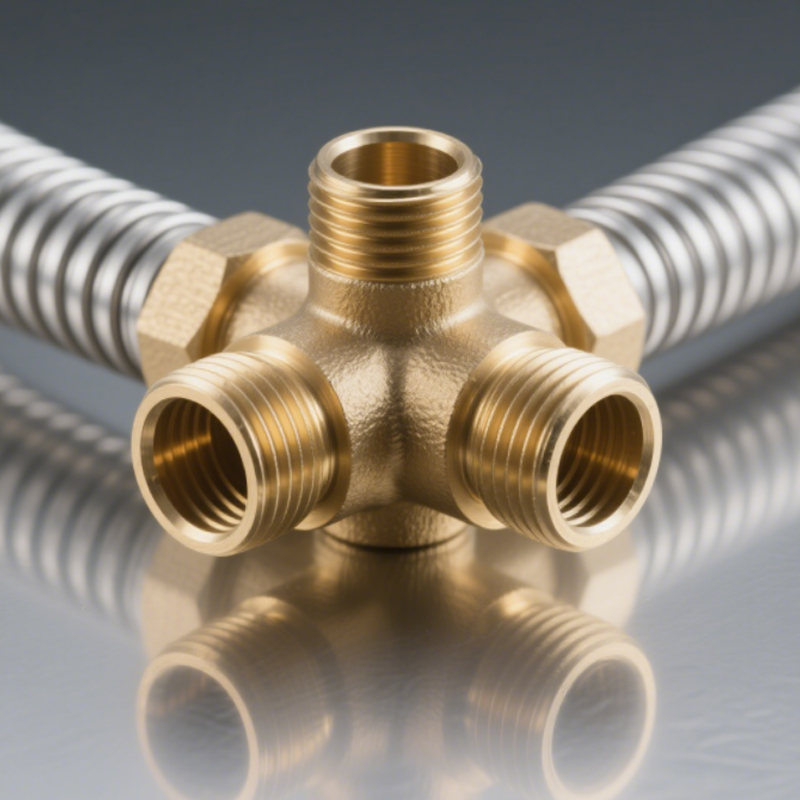
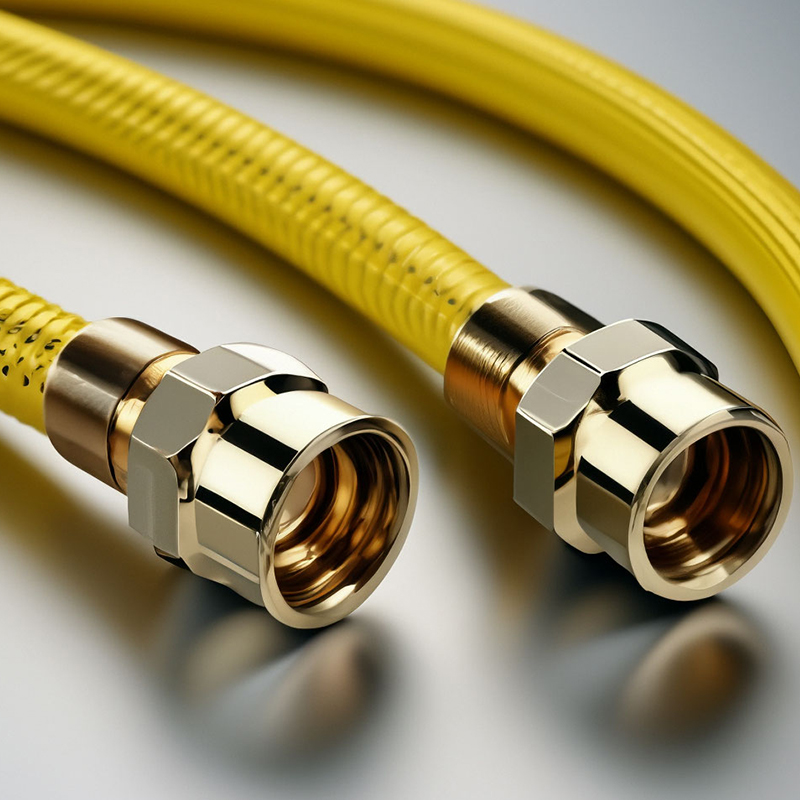
- End fittings (connectors): Usually brass or stainless steel threaded couplings crimped or swaged onto each end. Leaks most commonly occur at these junctions where the fitting meets the hose body.
Most consumer-grade stainless steel flexible gas hoses are rated for operating pressures of 0.5–5 bar and temperatures up to 200°C (392°F), though always verify your specific product's rating against your installation requirements.
Step-by-Step Visual Inspection Checklist
Perform this inspection with the gas supply turned off and in good lighting. Use a torch if the hose is installed in a confined or poorly lit space such as behind a cooker or under a boiler.
- Check the manufacture date: Most compliant hoses have a manufacture date stamped on the fitting or printed on a label. If the hose is more than 5 years old, replace it regardless of visual condition.
- Inspect the outer braid for rust or discoloration: Run your fingers along the full length of the braid. Any brown or orange rust staining, especially around the corrugation crests, indicates moisture penetration and potential inner tube corrosion.
- Look for broken or frayed braid wires: Hold the hose up to a light source and look for individual wires that are broken, protruding, or unraveling. Even a few broken wires weaken the pressure containment of the hose significantly.
- Check for kinks or permanent bends: A kinked hose restricts gas flow and creates stress concentration points that can crack the inner corrugated tube. Any hose with a visible kink must be replaced — do not attempt to straighten it.
- Examine the end fittings and crimps: Look for cracks, corrosion, deformation, or green/white deposits around the crimp zone where the fitting meets the braid. These indicate moisture infiltration or galvanic corrosion at the joint.
- Check for crushing or flattening: Any section that has been compressed flat — from a heavy appliance being pushed against it — has permanently damaged internal corrugations and must be replaced.
- Check that the hose is not in contact with hot surfaces: Prolonged exposure to heat above the rated temperature accelerates metal fatigue. If the hose has been touching an oven side panel, burner, or pipe carrying hot water, inspect carefully for heat discoloration.
How to Test for a Gas Leak at the Hose
A visual inspection cannot detect small gas leaks from pinhole cracks in the inner tube. A leak test should be performed during every inspection — this is the most important safety check you can do.
Soap Solution Method (Safe for All Gas Types)
- Turn the gas supply on at the meter or cylinder — do not light any appliances
- Mix a solution of dish soap and water (approximately 1 part soap to 3 parts water) or use a commercially available leak detection spray
- Apply the solution liberally along the full length of the hose, paying particular attention to both end fittings and the crimp zones
- Wait 30–60 seconds and watch carefully for bubbles forming — even very slow bubble formation indicates a gas leak
- If any bubbles appear: turn off the gas supply immediately, ventilate the area, do not operate any electrical switches, and replace the hose before restoring the gas supply
What Not to Use for Leak Testing
- Never use a naked flame to check for gas leaks — this is extremely dangerous and illegal in many jurisdictions
- Do not rely on smell alone — small leaks from pinhole cracks in the inner corrugated tube may be below the odor detection threshold, especially in ventilated spaces
Replacement Triggers: A Clear Decision Reference
| Condition Observed | Action Required | Urgency |
|---|---|---|
| Gas smell near hose | Turn off gas, ventilate, replace hose | Immediate |
| Bubbles during leak test | Turn off gas, replace hose before reuse | Immediate |
| Visible rust on braid | Replace hose | Immediate |
| Kink or permanent bend | Replace hose — do not straighten | Immediate |
| Crushed or flattened section | Replace hose | Immediate |
| Broken or frayed braid wires | Replace hose | Immediate |
| Damaged or corroded end fittings | Replace hose | Immediate |
| Hose over 5 years old | Replace as preventive measure | Scheduled replacement |
| No date stamp / unknown age | Replace — age cannot be verified | As soon as practicable |
| Hose too short / under tension | Replace with correct length | Prompt |
The Hidden Risk: Stress Corrosion Cracking in Stainless Steel Gas Hoses
Stress corrosion cracking (SCC) is the most serious and least visible failure mode in stainless steel flexible gas hoses. It occurs when three conditions exist simultaneously: a susceptible material (austenitic stainless steel such as 304), a tensile stress (present in the corrugated tube by design), and a corrosive environment (chloride ions from cleaning products, coastal air, or cooking steam).
SCC causes microscopic cracks to develop in the inner corrugated tube that are completely invisible from the outside — the outer braid and fittings may look perfectly normal while the inner tube has already developed multiple through-cracks. This is why the 5-year replacement rule is not optional — it exists specifically to address SCC risk before it results in failure.
SCC risk is higher in kitchens where bleach-based cleaners are regularly used, in coastal areas with high ambient chloride levels, and in installations where the hose is exposed to steam from cooking appliances over many years.
Installation Errors That Accelerate Hose Deterioration
Many premature hose failures result from incorrect installation rather than product defects. Inspect for these common installation problems during your check:
- Hose under tension or over-stretched: A hose that is pulled taut between two fittings creates constant tensile stress on the corrugations and end connections, accelerating fatigue failure. There should always be a gentle curve with slack in the hose run.
- Hose routed through walls or floors: Flexible gas hoses must never be concealed inside walls, floors, or ceiling voids. They are designed for visible, accessible installations only — concealment prevents inspection and ventilation of any minor leaks.
- Hose in contact with sharp edges: Metal cabinet edges, brackets, or pipe hangers pressing against the braid will abrade the wires and eventually cut through to the inner tube.
- Incorrect hose length: A hose that is too long will sag and can become kinked; one that is too short is under tension. The correct length allows a natural, relaxed curve between connection points with no strain.
- Overtightened fittings: Thread fittings overtightened during installation can crack the fitting body or distort the crimp zone — both of which create leak paths over time.
How to Choose a Replacement Stainless Steel Flexible Gas Hose
When selecting a replacement hose, matching the specification to your installation is essential for both safety and compliance.
- Certification: Ensure the replacement hose carries the relevant national approval mark — for example, AS/NZS 1869 in Australia/New Zealand, EN 14800 in Europe, or ANSI/AGA standards in North America. Uncertified hoses should never be used on gas installations.
- Gas type compatibility: Confirm the hose is rated for your gas type — natural gas (methane), LPG (propane/butane), or both. Not all hoses are suitable for all gas types.
- Correct thread type and size: Match the thread standard (BSP, NPT, metric) and size exactly. Common sizes for domestic appliances are ½ inch BSP for the appliance end and ½ or ¾ inch BSP for the supply end.
- Correct length: Measure the distance between connection points and select a hose long enough to form a relaxed curve — typically 100–150 mm longer than the straight-line distance.
- 316 stainless steel for higher-risk environments: In coastal areas or kitchens with frequent bleach use, select hoses made with 316 stainless steel inner tubes rather than 304, as 316 has significantly better chloride corrosion resistance.
Frequently Asked Questions About Stainless Steel Flexible Gas Hoses
How often should a stainless steel flexible gas hose be replaced?
The standard recommendation from gas safety authorities and most hose manufacturers is to replace stainless steel flexible gas hoses every 5 years, regardless of visible condition. This interval accounts for the risk of stress corrosion cracking in the inner tube, which cannot be detected through external inspection. In high-risk environments — coastal locations, kitchens using chlorine bleach cleaners frequently, or hoses installed near steam sources — a more conservative 3-year replacement cycle is advisable. Always replace sooner if any inspection finding warrants it, using the 5-year limit as a maximum, not a target.
Can I replace a stainless steel flexible gas hose myself, or does it need a licensed tradesperson?
This depends entirely on your local jurisdiction. In many countries — including Australia, the UK, and most of Europe — all gas work, including hose replacement, must be performed by a licensed gas fitter. In some regions, a homeowner may replace a flexible hose connecting a freestanding cooker under specific conditions, but this varies by state, province, or country. Always check your local gas safety regulations before attempting any gas connection work. If in doubt, engage a licensed professional — the cost is minimal compared to the risk of an incorrect installation.
Is a stainless steel flexible gas hose better than a rubber gas hose?
For most permanent indoor appliance connections, stainless steel flexible hoses are generally preferred over rubber hoses for several reasons: they resist mechanical damage, rodent attack, and accidental cuts better than rubber; they have a longer rated service life in many applications; and they are less vulnerable to UV degradation. However, rubber hoses remain appropriate and compliant for certain applications — particularly LPG cylinder connections and some outdoor installations — where flexibility and the ability to disconnect frequently are priorities. Both types must carry current certification for the specific gas type and application.
What should I do if I smell gas near my flexible hose but cannot see any damage?
Treat any gas smell as a serious emergency — do not wait to investigate further. Immediately turn off the gas supply at the meter or cylinder, open windows and doors to ventilate the space, do not operate any electrical switches, light switches, or appliances, extinguish any naked flames, and leave the building. Call your gas emergency service number from outside the building. Do not re-enter or restore the gas supply until a licensed gas fitter has inspected and confirmed the installation is safe. A gas smell without visible hose damage often indicates a crack in the inner corrugated tube — which is not visible from outside the braid.
Can a kinked stainless steel flexible gas hose be straightened and reused?
No — a kinked stainless steel flexible gas hose must be replaced and must never be straightened and reused. When the corrugated inner tube is kinked, the stainless steel at the kink point undergoes plastic deformation — the metal is permanently strained beyond its elastic limit. This creates a zone of work-hardened, weakened metal that is highly susceptible to cracking under the cyclic pressure and thermal stresses of normal gas service. Straightening the hose does not restore the original metal properties — it may actually accelerate cracking at the deformed zone by introducing additional stress. Replace any kinked hose immediately.
Does the length of a stainless steel flexible gas hose affect safety or performance?
Yes, on both counts. A hose that is too short is placed under continuous tensile stress, which accelerates fatigue failure at the end fittings and corrugation roots — this is a common cause of premature hose failure. A hose that is too long may sag onto hot surfaces, become kinked, or be accidentally compressed by the appliance being moved. Most gas safety codes specify a maximum hose length — commonly 1.2–1.5 metres for domestic appliance connections — to limit pressure drop and reduce the length of unprotected flexible pipe in the installation. Always select a hose that allows a natural, unconstrained curve between the two connection points without excess slack.