



 English
  Español
  русский


Flexible water liners and flexible plumbing pipes outperform rigid alternatives in installation speed, leak resistance, freeze tolerance, and adaptability to complex routing — making them the practical choice for most residential, outdoor, and garden plumbing applications. Whether you are retrofitting an existing system, installing a garden pond liner, or laying a new drinking water supply line, flexible pipe reduces labor time, fittings count, and long-term maintenance. This article explains the specific advantages with supporting data, covers the key material options, and helps you match the right flexible water liner to your application.
What Flexible Plumbing Pipe and Water Liners Actually Are
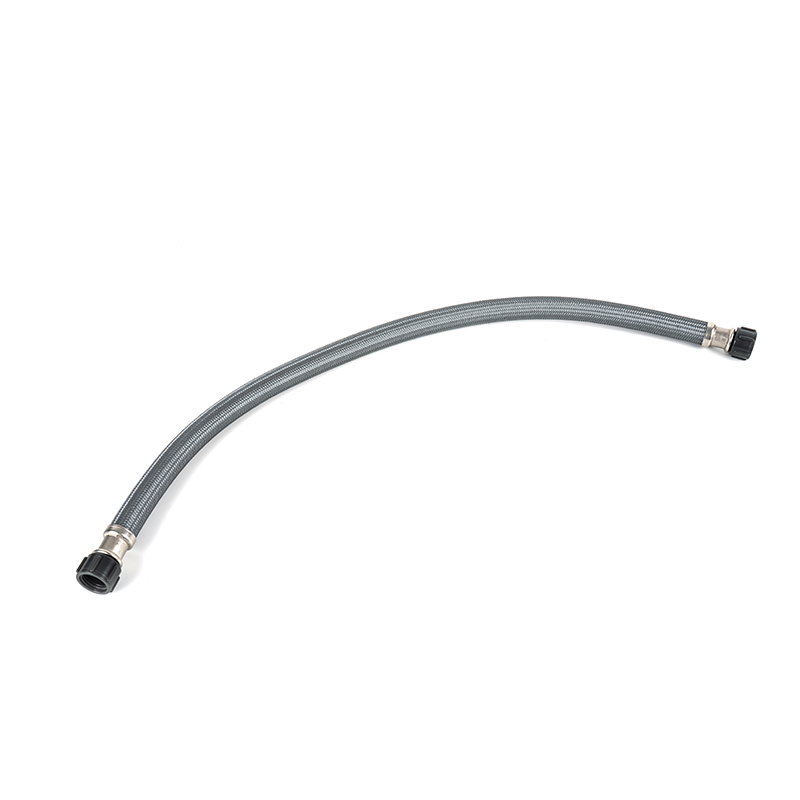
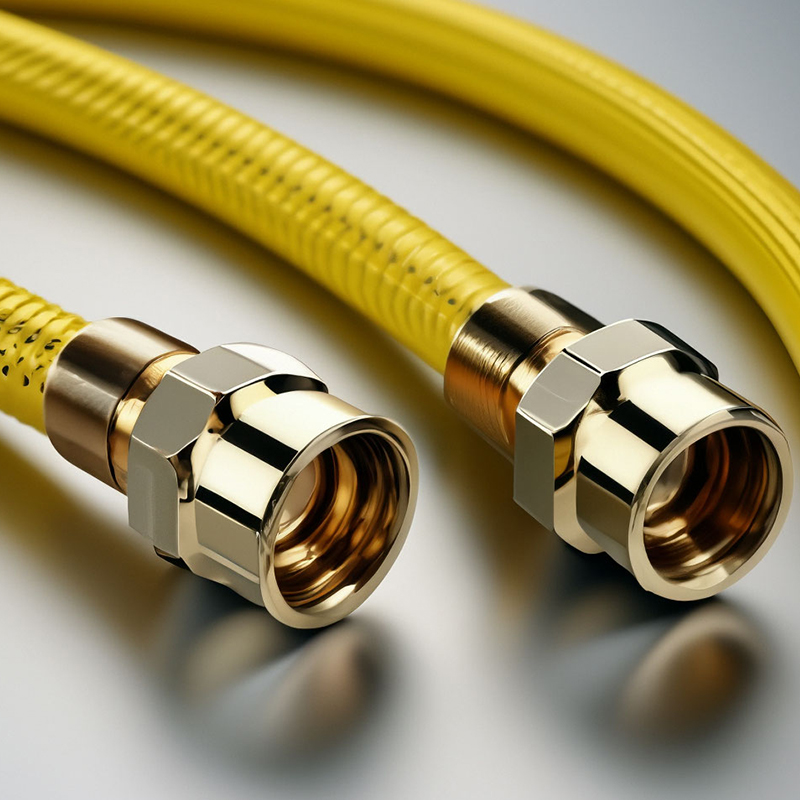
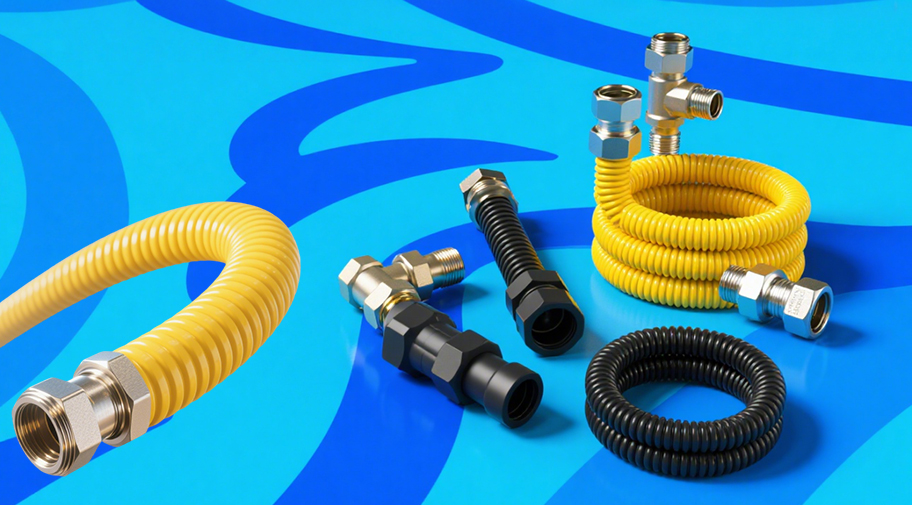
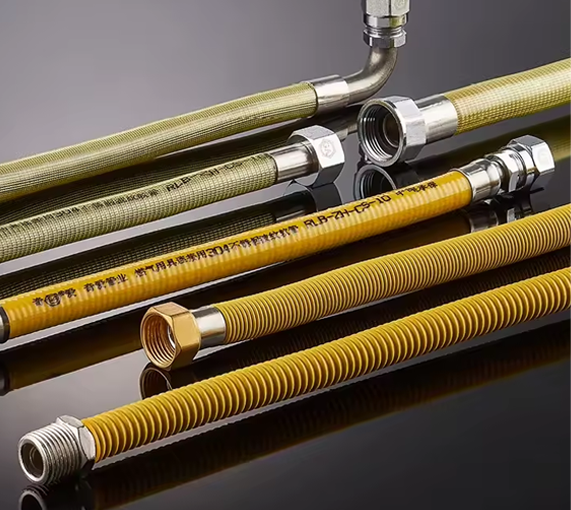
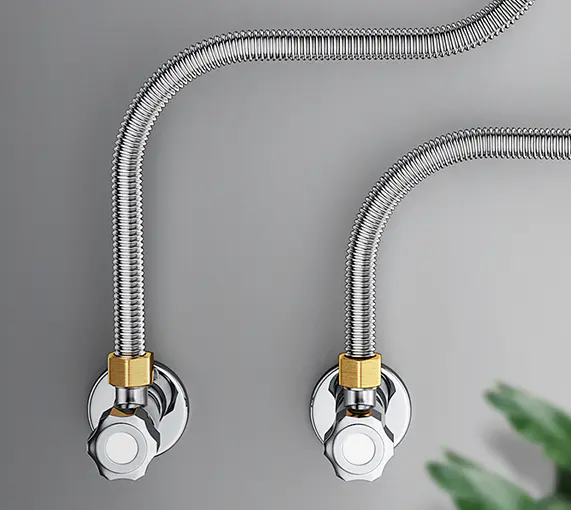
The term flexible plumbing pipe / water liner covers a family of products unified by their ability to bend, route, and conform without requiring elbow joints or heat forming. In plumbing contexts, this includes cross-linked polyethylene (PEX), thermoplastic rubber (TPR), and corrugated stainless steel tubing (CSST). In pond and water feature contexts, it refers to EPDM rubber liners, PVC pond liners, and HDPE flexible sheeting — all of which create a watertight, conformable barrier between water and the surrounding substrate.
The defining characteristic is bending radius. A standard rigid PVC pipe requires a minimum bend radius of 8–12 times its diameter, meaning an elbow fitting is mandatory for any direction change. A flexible PEX pipe of the same diameter bends to 5–6 times its diameter without fittings, and EPDM liner material conforms to irregular substrates with virtually no radius limitation.
| Material | Typical Use | Temp. Range | Potable Water Safe | UV Resistant |
|---|---|---|---|---|
| PEX-A / PEX-B | Indoor plumbing, radiant heating | -40°C to 93°C | Yes (NSF/ANSI 61) | Low — requires sheathing |
| HDPE flexible pipe | Outdoor water supply, irrigation | -50°C to 60°C | Yes (NSF/ANSI 61) | High (carbon black grade) |
| EPDM rubber liner | Garden ponds, water features | -45°C to 120°C | Fish-safe grades available | Excellent — 20+ year lifespan |
| PVC flexible liner | Ponds, decorative water features | -15°C to 60°C | Non-potable only | Moderate — 10–15 year lifespan |
| CSST (stainless) | Gas and hot water supply lines | -20°C to 230°C | Yes | High |
Installation Advantages: Fewer Fittings, Less Labor, Fewer Leak Points
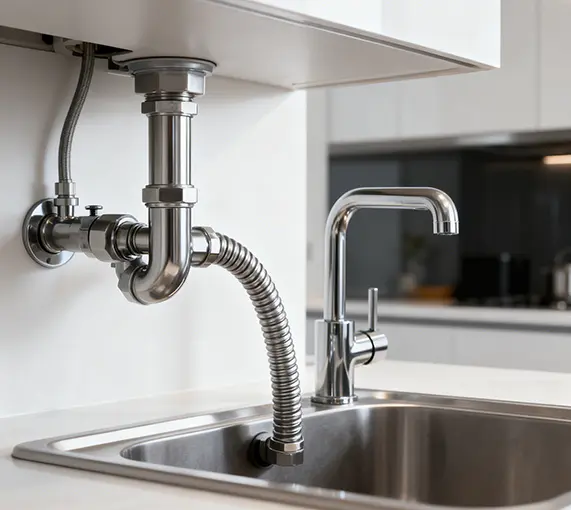
Every fitting in a rigid pipe system is a potential leak point. A typical rigid copper installation for a bathroom with three fixtures requires 18–24 soldered or compression fittings. The equivalent PEX flexible plumbing pipe installation achieves the same layout with 6–10 fittings, routing bends through wall cavities and around obstacles without joints. This reduction directly translates to lower leak risk over the system's service life.
Installation time reflects this difference measurably. Plumbing contractors consistently report that flexible pipe rough-in takes 30–50% less time than equivalent copper or rigid PVC work, driven by the elimination of measuring, cutting, and joining at every direction change.
Figure 1 — Average Fittings Required: Rigid Copper vs. Flexible PEX (3-Fixture Bathroom)
Fewer fittings mean fewer potential leak points across the system's lifetime
Flexible Plumbing Pipe for Outdoor Use: Cold Weather and Ground Movement
Flexible plumbing pipe for outdoor use solves two problems that rigid pipe handles poorly: freeze-thaw cycles and soil movement. When water freezes inside a rigid pipe, pressure builds until the pipe cracks — a failure mode responsible for an estimated 250,000 home water damage incidents per year in cold climates. Flexible pipe materials such as PEX and HDPE expand elastically under freeze pressure and return to their original diameter when thawed, without cracking.
Soil settlement, tree root pressure, and seismic micro-movement cause rigid buried pipes to crack at joints over years of service. Flexible pipe bends and shifts with ground movement rather than fracturing, which is why it is the preferred material for underground service lines in frost-prone and geologically active regions.
Key Selection Criteria for Outdoor Flexible Pipe
- UV resistance: For above-ground outdoor runs, use carbon-black HDPE or UV-stabilized polyethylene. Standard PEX degrades in sunlight within 6–12 months unless sheathed or buried.
- Pressure rating: Outdoor service lines typically require pipe rated to a minimum of 10 bar (145 psi) at 20°C to handle peak municipal supply pressure.
- Burial depth: Even flexible pipe should be buried below the local frost line — typically 600–1,200 mm depending on climate zone — to prevent freeze damage at the soil surface.
- Chemical compatibility: In areas with acidic or mineral-rich soil, confirm the pipe material is resistant to the specific soil chemistry. HDPE and PEX both offer broad chemical resistance, outperforming copper in acidic ground conditions.
Waterproof Flexible Water Liner for Garden Ponds: Choosing and Installing Correctly
A waterproof flexible water liner for garden ponds is the most reliable and cost-effective method for creating a leak-free pond basin, regardless of shape. Unlike preformed rigid pond shells, flexible liners conform to any excavated shape — irregular contours, gradual slopes, and multi-depth planting shelves — without requiring precise excavation matching a fixed mold.
EPDM vs. PVC Pond Liner: Which to Choose
EPDM rubber liners are the preferred choice for most garden pond applications. They remain flexible at temperatures as low as -45°C, are fish and plant safe in their pure formulation, and carry a typical service lifespan of 20–30 years when protected from direct UV exposure by water coverage. PVC liners cost less upfront but become brittle after 8–12 years of UV exposure at pond edges and are generally not recommended for aquatic life applications without explicit "fish-safe" certification.
- Liner sizing formula: Length = pond length + (2 × max depth) + 600 mm overhang. Width = pond width + (2 × max depth) + 600 mm overhang. Always add the overhang allowance — insufficient edge coverage is the leading cause of liner failure at the pond perimeter.
- Underliner protection: Always install a geotextile underlay or sand bed (minimum 50 mm compacted sand) beneath the liner. A single sharp stone can puncture a liner under the weight of a full water column — approximately 1 tonne per cubic meter of water volume.
- Seaming: Where liner panels must be joined, use manufacturer-supplied EPDM tape or two-part contact adhesive rated for continuous water immersion. Mechanical overlaps without adhesive will separate over time under hydrostatic pressure.
Interactive: Garden Pond Liner Size Calculator
Enter your pond dimensions to calculate the minimum liner size needed.
Non-Toxic Flexible Plumbing Pipe for Drinking Water: Safety Standards Explained
For any application where flexible pipe carries potable water, material safety is not optional — it is a regulatory requirement. Non-toxic flexible plumbing pipe for drinking water must meet independently verified standards that confirm the pipe does not leach harmful compounds into the water supply at any point in its service life.
The two most widely recognized standards are NSF/ANSI 61 (North America) and BS EN 1420 (Europe). Both require testing of extractable compounds across a range of water temperatures and contact durations. A pipe carrying these certifications has been independently verified to leach no heavy metals, plasticizers, or organic compounds above permitted threshold levels.
- PEX pipe and NSF/ANSI 61: Certified PEX-A and PEX-B pipe is safe for drinking water use at temperatures up to 60°C for hot supply lines. Some PEX formulations with MTBE (methyl tert-butyl ether) crosslinking agents have faced scrutiny — specify "MTBE-free" or "NSF 61 certified" when sourcing.
- PVC flexible pipe: Standard PVC formulations contain plasticizers (typically phthalates) that can leach into water. Only use PVC pipe in drinking water systems if it carries explicit NSF 61 or WRAS certification — unrated flexible PVC should never be used for potable supply.
- HDPE flexible pipe: HDPE is inherently non-toxic and is widely certified for drinking water use globally. It contains no plasticizers and does not leach at typical supply temperatures, making it one of the safest flexible pipe materials for potable applications.
| Material | NSF/ANSI 61 | BS EN 1420 | WRAS (UK) | Notes |
|---|---|---|---|---|
| PEX-A / PEX-B | Yes (certified grades) | Yes | Yes | Specify MTBE-free grade |
| HDPE flexible pipe | Yes | Yes | Yes | No plasticizers, broad certification |
| Flexible PVC | Certified grades only | Certified grades only | Certified grades only | Verify plasticizer-free formulation |
| EPDM rubber liner | Fish-safe grades only | N/A (not pipe) | N/A (not pipe) | Not for potable water supply |
Long-Term Performance: How Flexible Pipe Compares to Rigid Over 20 Years
The true value of flexible water liners and piping systems becomes clearest when viewed across a full service cycle. Rigid copper and PVC systems accumulate maintenance costs through pinhole corrosion, joint failures, and frost damage. Properly installed flexible systems have a fundamentally different long-term failure profile.
Figure 2 — Estimated Cumulative Maintenance Events per 100m of Pipe Over 20 Years
Indicative data based on aggregate plumbing maintenance records in mixed-climate residential properties
The performance gap widens after year 10, when copper pinhole corrosion and joint degradation begin accumulating, particularly in properties with soft or acidic water. PEX and HDPE systems in the same timeframe typically show near-flat maintenance curves, with most recorded interventions attributable to fitting connections rather than pipe body failures.
Application Match Guide: Which Flexible Liner or Pipe for Each Use Case
Selecting the correct flexible pipe or liner type prevents premature failure and ensures regulatory compliance. Use the interactive guide below to find the right match for your project.
Select Your Application
Common Installation Mistakes and How to Avoid Them
Flexible pipe and liner systems are forgiving of complex routing, but installation errors still cause premature failures. The following mistakes account for the majority of field complaints.
- Exceeding the minimum bend radius: Even flexible pipe has a minimum bend radius. Forcing a tighter bend kinks the pipe wall, creating a stress point that fails under pressure cycling. For 15 mm PEX, the minimum bend radius is typically 100 mm. Use a pipe bending guide or support coil for tight turns.
- Leaving PEX exposed to UV: PEX degrades in direct sunlight. All above-ground runs must be protected with UV-resistant conduit, cladding, or insulation. Unprotected PEX becomes brittle and prone to cracking within one to two outdoor seasons.
- Under-sizing pond liner: The most common pond liner failure is insufficient edge overhang. Many installers cut liner to the exact pond dimensions — the correct allowance is depth on each side plus a minimum 300 mm overlap at the pond edge, held down by coping stones or edging material.
- Using non-certified pipe for drinking water: Flexible pipe sold for non-potable irrigation or pond use is not manufactured or tested to drinking water standards. Using it in a potable supply line is a health risk and a code violation in most jurisdictions.
- Connecting dissimilar metals directly to flexible pipe fittings: Where PEX or HDPE pipe connects to a copper or brass fitting in a hard water area, use a dielectric union to prevent galvanic corrosion at the transition point.
Frequently Asked Questions
Q1: Can flexible plumbing pipe be used for hot water supply lines?
Yes. PEX-A and PEX-B are both rated for hot water service up to 93°C at standard supply pressures, making them suitable for domestic hot water, radiant floor heating, and hydronic systems. Always confirm the pipe's pressure-temperature rating at the operating temperature of your system — rated pressure decreases as temperature increases.
Q2: How long does an EPDM pond liner last?
A quality EPDM fish-safe pond liner installed with proper underlay and adequate edge coverage typically lasts 20–30 years. The submerged portion lasts significantly longer than the exposed edges, which face UV radiation and physical disturbance. Regularly inspect and protect the edge overlap zone to maximize overall liner service life.
Q3: Is flexible HDPE pipe suitable for drinking water in all climates?
Yes. NSF 61-certified HDPE flexible pipe is approved for potable water use across all climate zones. It remains functional at temperatures from -50°C to 60°C, tolerates freeze-thaw cycling without cracking, and does not corrode in acidic or mineral-rich ground conditions. It is the most widely certified flexible pipe material for outdoor drinking water supply globally.
Q4: Can I repair a punctured flexible pond liner without replacing it?
Yes, for both EPDM and PVC liners. EPDM repairs use self-adhesive EPDM patch tape or two-part bonding adhesive with a patch cut from the same material. The pond must be drained and the liner surface must be completely dry and clean before patching. Properly bonded EPDM patches are permanent and watertight when applied correctly.
Q5: Do flexible water liners affect water chemistry in garden ponds?
Standard-grade EPDM liners may slightly alter water pH during the initial fill period — a temporary rise of 0.2–0.5 pH units is common in the first two weeks. Fish-safe certified EPDM liners are formulated and tested to minimize this effect. Before introducing fish or sensitive aquatic plants, allow the filled pond to stabilize for 14–21 days and test pH to confirm it is within the acceptable range for your aquatic life.