




 English
 Español
 русский



If you are comparing quotes for corrugated stainless steel pipe, the first question is not “what is the best price per meter?” It is “what exactly is the product?” The term can describe fuel-gas CSST, a short appliance connector, a braided flexible water hose, or the bellows inside a metal expansion joint. These products share a corrugated stainless steel core, but they differ in jacket, braid, end fittings, certification, pressure rating, and installation rules. Start with the service and the standard, then confirm the tube, fittings, and test records.
What Corrugated Stainless Steel Pipe Covers
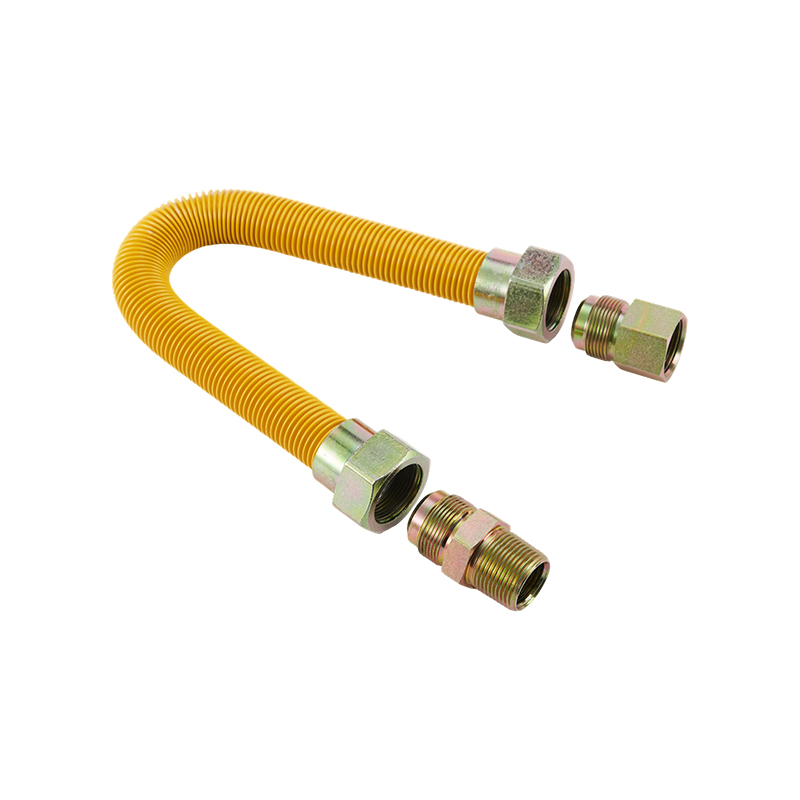
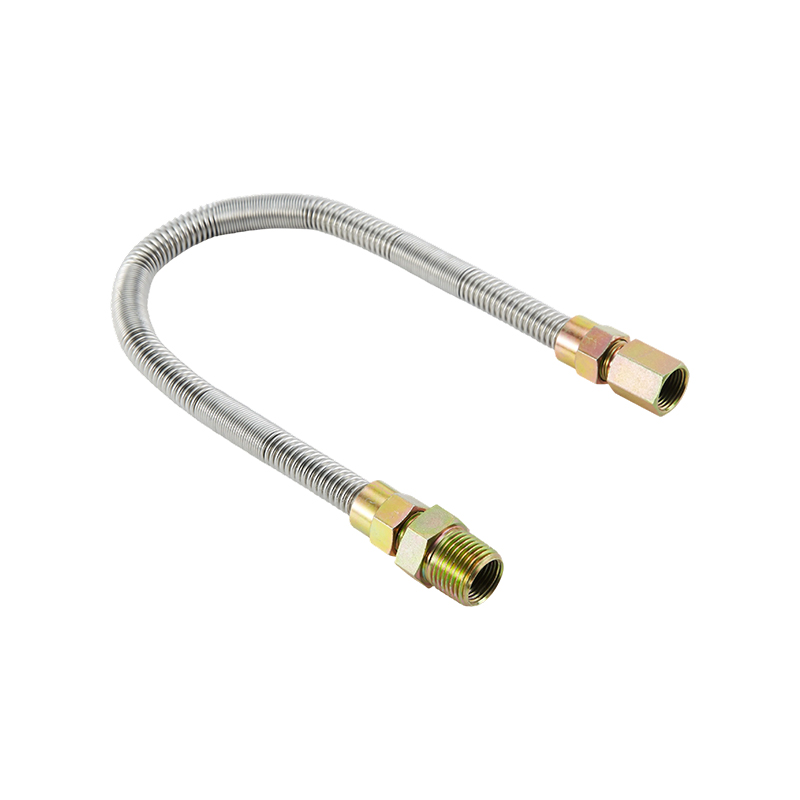
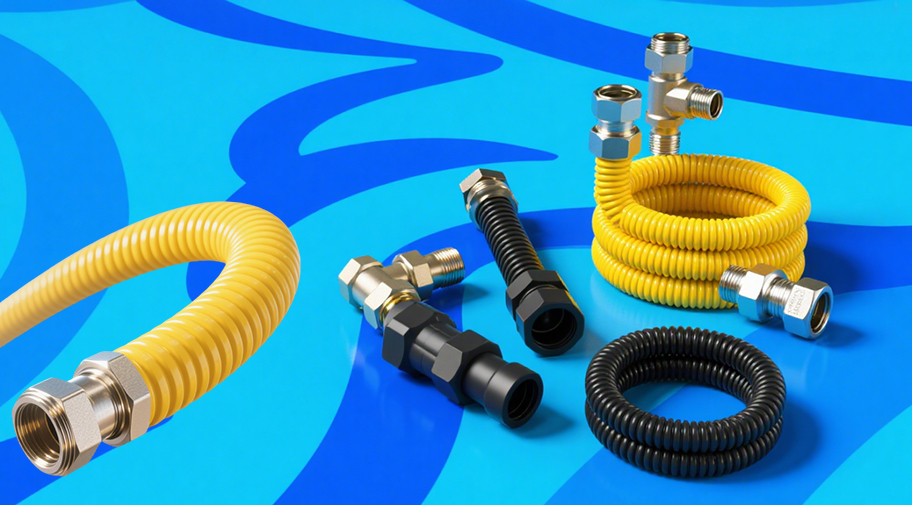
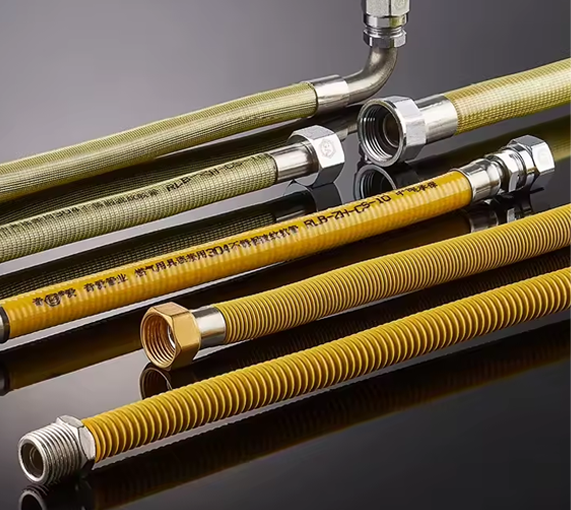
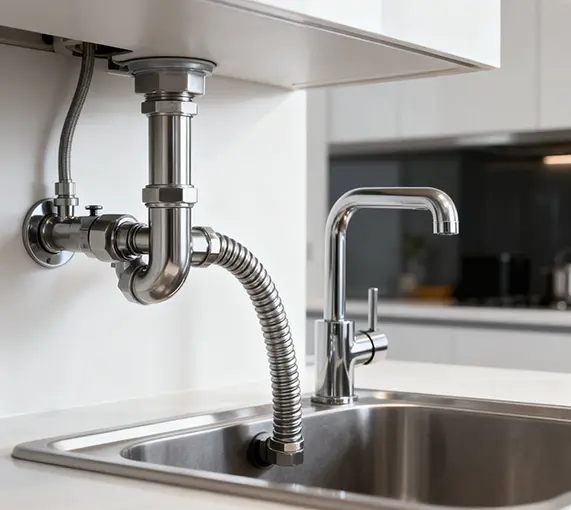
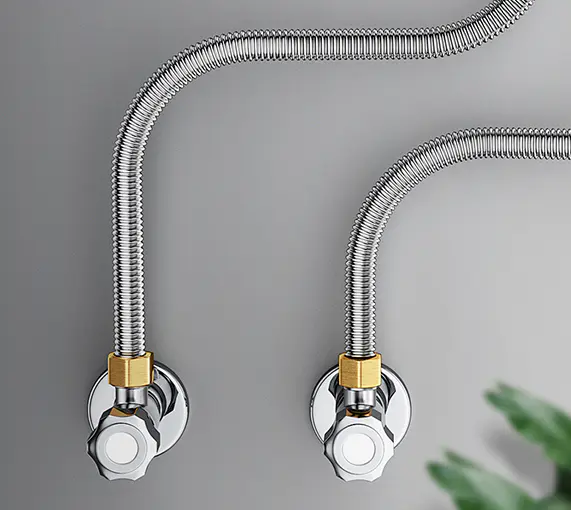
In North America, CSST usually refers to corrugated stainless steel tubing for fuel gas. It is semi-flexible, often supplied in coils, and commonly has a polymer jacket for abrasion protection. Appliance connectors are shorter assemblies with terminals or adapters. Corrugated stainless steel hose may include a stainless steel braid for pressure or mechanical protection. Expansion joints use a formed bellows to absorb movement in piping systems. The same word “pipe” is used loosely, so never select by name alone.
This is why why corrugated stainless steel tube is chosen depends on the application. A gas connector, water connector, and expansion joint may all use stainless steel, but they are not interchangeable. The wetted material, jacket, fitting, and acceptance tests change with the service.
Construction and Material Choices
Most products use austenitic stainless steel. Grades 304 and 304L are common for general corrugated tube; 316 and 316L add molybdenum for better chloride resistance. For aggressive water, coastal air, or certain chemical exposures, 316L may be preferred, but the final choice depends on water chemistry, temperature, cleaning agents, and local code. The corrugation profile also matters: annular corrugation provides flexibility but affects flow resistance, while other profiles can change pressure drop and bend behavior.
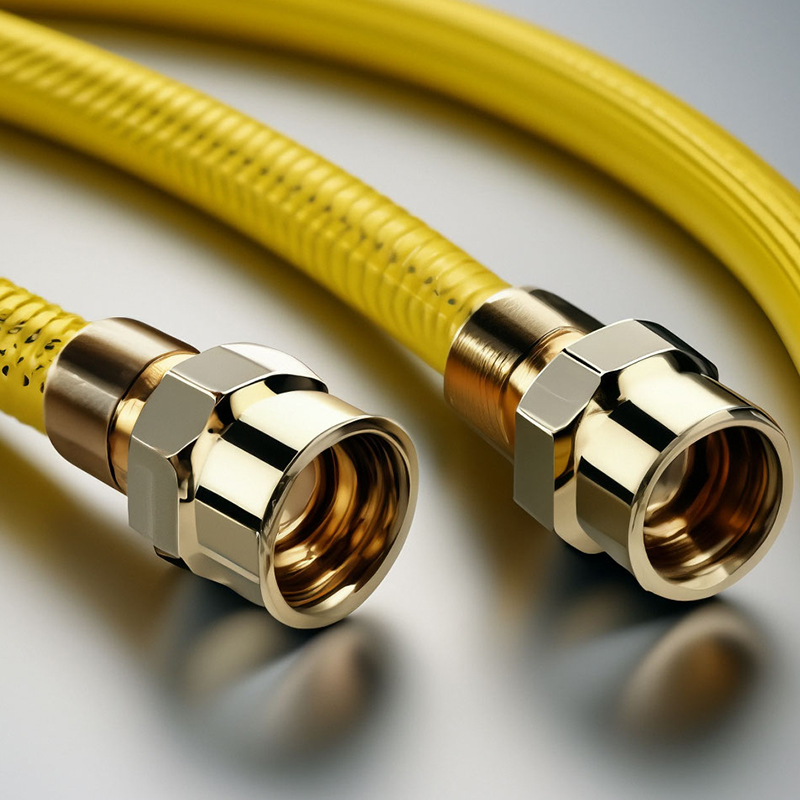
For fuel-gas connectors, a polymer jacket protects the tube from abrasion and household chemicals; it is not the pressure boundary. On a flexible hose, a braided outer layer carries axial load and protects the bellows. Fittings may be brass, copper, or stainless steel. Mixed-metal joints need attention to galvanic corrosion and thread compatibility. Ask for a drawing that shows tube grade, wall thickness, braid or liner, nut material, seal, and marking.
| Component | What to confirm | Why it matters |
|---|---|---|
| Tube | Grade, wall thickness, corrugation type, temper | Affects flexibility, pressure containment, and corrosion resistance |
| Jacket or braid | Material, thickness or wire size, coverage | Protects the tube; braid also carries mechanical load |
| End fitting | Thread standard, seal, nut material, torque | Leak path and installation reliability depend on the joint |
| Marking | Size, standard, lot, certification mark | Supports traceability and inspection |
Sizing, Flow, and Pressure Drop
DN size alone does not guarantee appliance performance. A DN15 connector at one meter and a DN15 line at fifteen meters with several elbows are not equivalent. Gas sizing must account for gas type, input rate, supply pressure, allowable pressure drop, and local code. Water connectors must account for flow rate, temperature, and pressure surge. Expansion joints must account for axial, lateral, and angular movement, plus spring rate and cycle life.
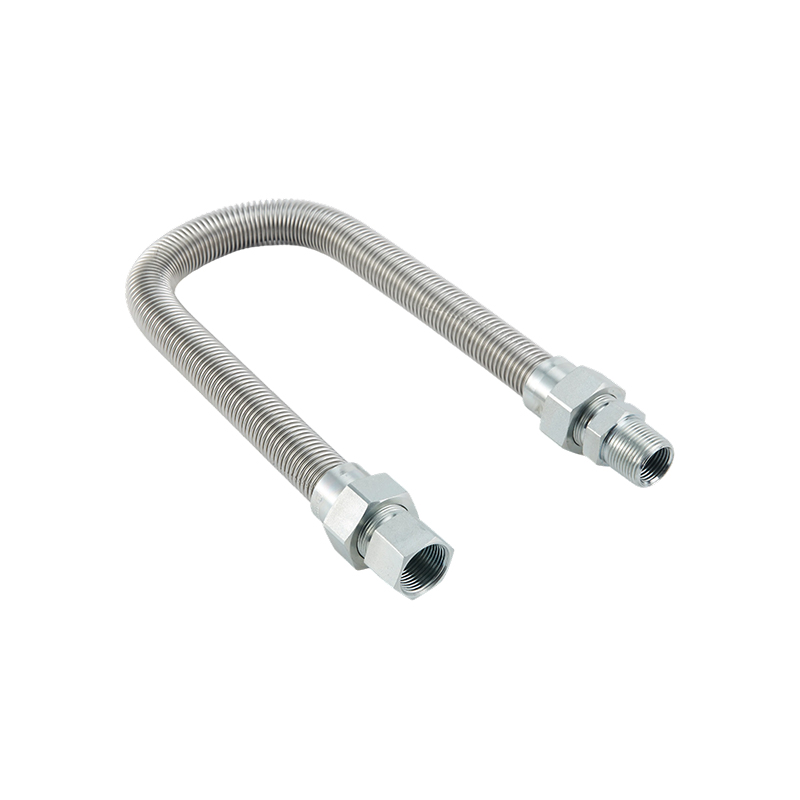
The CSA gas connector range from Haoyin covers DN10, DN12, DN15, DN20, and DN25; whistle-free versions use the same nominal series. These are useful starting points, not a substitute for sizing. For fuel gas, use the manufacturer’s flow table and the authority’s requirements. For water, confirm the inner liner and end fitting are rated for potable water when that is the intended service.
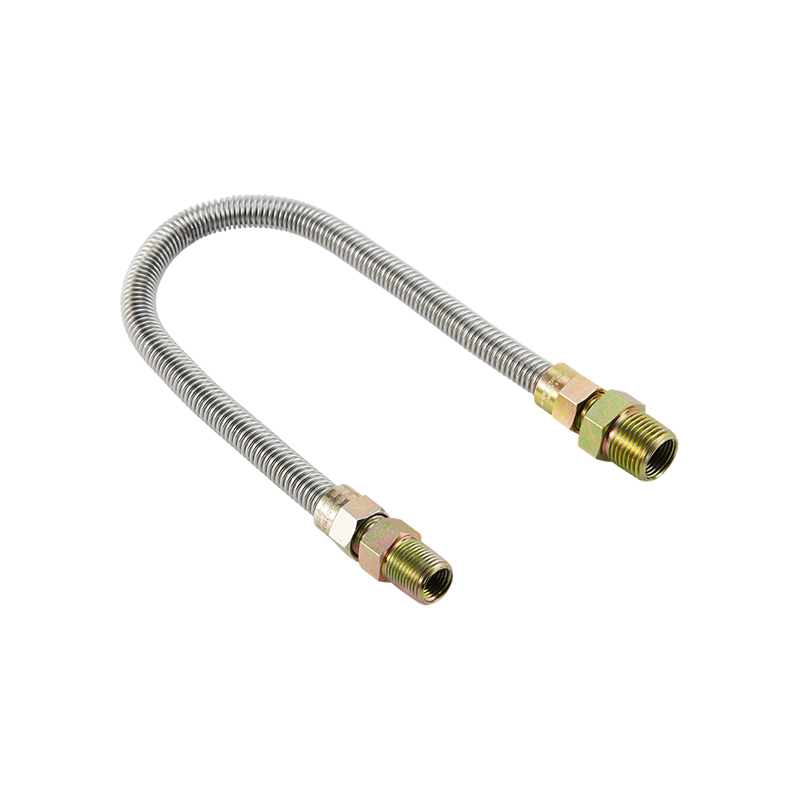 CSA-Certified Stainless Steel Gas Connectors, DN10–DN25Flexible 304 stainless steel connectors in DN10–DN25 and multiple lengths for gas appliances; confirm sizing, flow-table limits, and potable-water suitability where applicable.View Product →
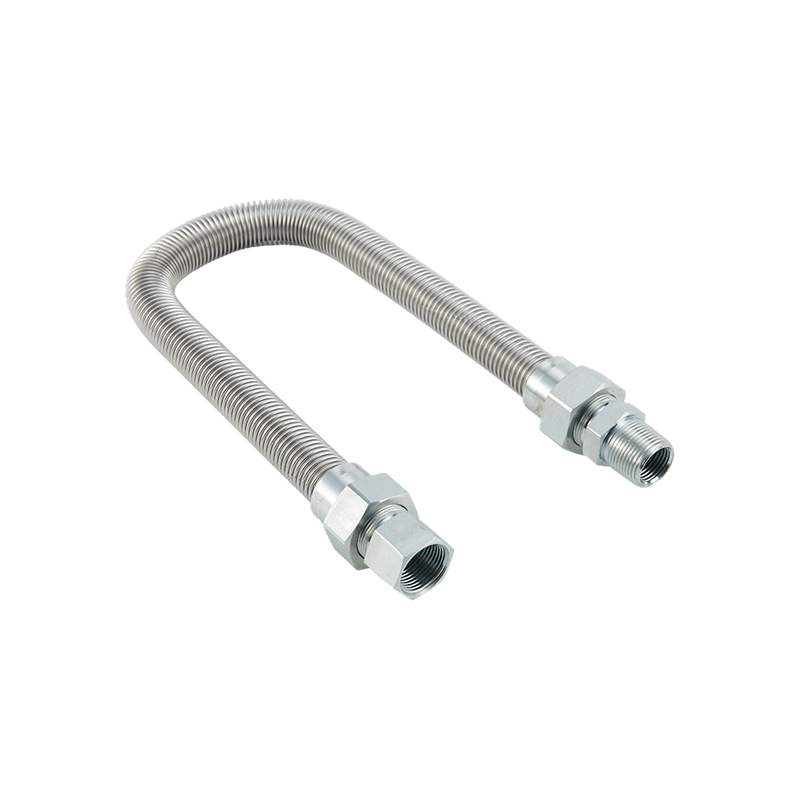
Whistle-free gas connectors are not a cosmetic option. In some installations, gas flow through a corrugated tube can produce noise; the product design changes the internal flow path or geometry to reduce it. If noise is a complaint, ask for the test condition and the appliance or flow range, not only the product label.
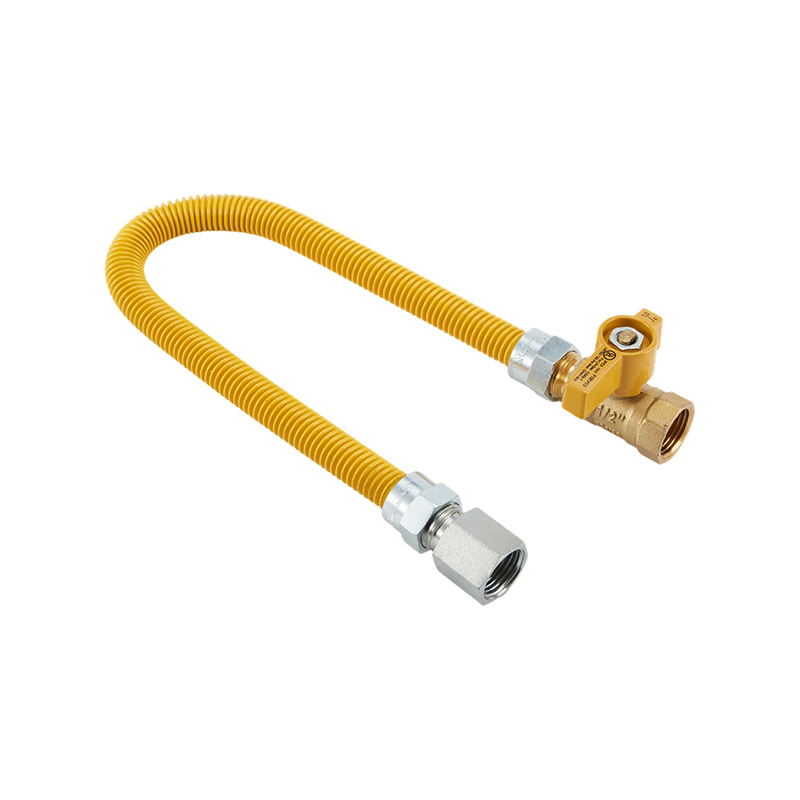 Whistle-Free Stainless Steel Gas Connectors, DN10–DN20Flexible corrugated stainless steel hoses in DN10–DN20 with protective outer layers and end fittings; review noise test conditions, bend limits, and installation guidance.View Product →
Installation Requirements That Affect Approval
Approval usually depends on installation, not only the product. Keep the bend radius within the manufacturer’s limit. Do not stretch, kink, crush, or use the connector to pull equipment into position. Support the pipe as required, protect it from sharp edges and heat, and keep it away from incompatible materials. Use the specified fittings and seals. For fuel gas, bonding and grounding must follow the listing, local code, and utility requirements; practices vary by jurisdiction.
After assembly, leak test with an approved method. Never use an open flame. If a connector is removed after being bent, check the manufacturer’s policy before reuse; many assemblies are intended for one-time installation. For water lines, flush before final connection and check that the liner is compatible with disinfectants and water treatment.
- Confirm service, pressure, temperature, and fluid.
- Verify product marking, certification, and size.
- Inspect the tube, braid, jacket, and fittings before installation.
- Follow bend radius, support, and fitting torque limits.
- Pressure or leak test, then document the result.
Quality Checks and Supplier Evaluation
For a repeat order, a certificate is only one part of the file. Ask for the current certificate scope and the exact model it covers. Request an inspection plan, material certificates, dimensional report, leak or pressure test record, and packaging specification. If the product has a braid, check wire diameter, braid angle, and fitting pull-off requirements. If it has a liner, check liner grade and thickness. If it has a jacket, check wall thickness and marking durability.
Factory capability should match the order. A manufacturer that controls tube forming, corrugation, annealing, and assembly can usually resolve deviations faster than a trader. Haoyin (Ningbo) Bellows Technology states ISO 9001, ISO 14001, and ISO 45001 certification, an 18,000 m² workshop, more than 50 machines, and monthly output above 300,000 meters. Treat these as published claims to verify during a supplier audit, not as a substitute for sample approval.
Applications: Gas, Water, and Expansion Joints
Fuel-gas connectors are used for appliances and gas piping where a flexible connection is permitted. Water connectors are used in plumbing and water heater connections, often with EPDM, PE, or PVC inner liners and PET or stainless steel outer reinforcement. Expansion joints are used where thermal growth, vibration, or settlement must be absorbed. Each application has different acceptance criteria; a gas connector should not be used for water, and a plumbing connector should not be used for gas unless it is listed for that service.
For expansion joints, selection is more than bore size. You need movement type, movement amount, design pressure, temperature, cycle life, and anchor or guide arrangement. A flexible metal compensator can absorb movement, but it cannot correct a poor piping layout. The stainless steel bellows selection guide covers technical questions to bring to a quote.
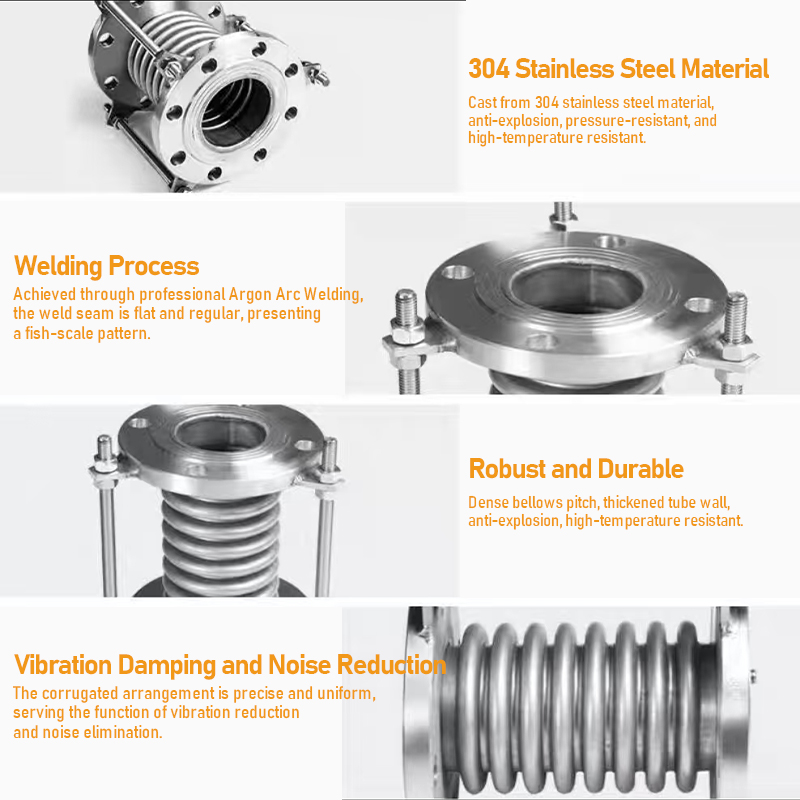 Flexible Metal Compensator Corrugated Expansion Joint304 or carbon steel expansion joint for DN255–DN600 at 0.6–1.6 MPa, with flange, welding, or quick-connect options; specify movement, pressure, temperature, and cycle life.View Product →
Cost Factors and Purchasing Considerations
Price usually follows material grade, tube diameter, wall thickness, braid construction, fitting material, test requirements, certification, and order quantity. A 304 tube may be suitable for a dry indoor application; 316L, extra braid, or special cleaning can raise cost. MOQ, coil length, cut length, labeling, and packaging also affect landed cost. Ask for a quotation with the specification attached, not only a per-meter price.
For OEM or ODM projects, provide a drawing or sample, service conditions, required standard, end fitting details, marking, packaging, and annual volume. A manufacturer can propose a feasible corrugation and fitting combination, but the buyer should approve samples and test reports before mass production. If a supplier cannot explain the pressure boundary, material traceability, or leak test method, that is a warning sign.
| Item | Document or check | Buyer action |
|---|---|---|
| Material | Mill certificate, grade, wall thickness | Match certificate to drawing and lot marking |
| Performance | Pressure or leak test record | Confirm test method, pressure, and duration |
| Certification | Current certificate and scope | Verify the exact model and standard |
| Production | Inspection plan, sample approval | Audit critical processes before repeat orders |
FAQ
Q1. Is corrugated stainless steel pipe the same as CSST?
Not always. CSST usually means corrugated stainless steel tubing for fuel gas, often with a polymer jacket. Other flexible connectors may use similar tubing, but certification, fittings, and service ratings decide the application.
Q2. Which stainless steel grade should I specify?
304 or 304L is common for general service. 316 or 316L may be considered where chloride exposure is a concern. The final choice should match the fluid, cleaning chemicals, temperature, and applicable code.
Q3. How do I choose the right DN size?
Use the required flow rate, supply pressure, allowable pressure drop, length, and number of bends. For gas appliances, follow the manufacturer’s sizing table and local code. DN size alone is not enough.
Q4. Can a gas connector be used for water?
Only if the product is specifically listed and rated for that service. Gas and water connectors may look similar, but jacket, liner, fittings, and test criteria can differ. Do not substitute without written confirmation.
Q5. What tests should I request before shipment?
Ask for material certificates, dimensional inspection, leak or pressure test records, and a visual inspection report. For braided or lined products, add braid and liner checks. Test methods should be stated, not only “passed.”
Q6. What affects MOQ, lead time, and OEM cost?
MOQ and lead time depend on tube size, fitting type, certification, packaging, and order volume. OEM or ODM work also requires drawing approval and sample confirmation. Confirm these items in the quotation rather than assuming a standard lead time.
Have a specification, sample, or target price to review? Send the service, size, standard, fitting details, and annual volume to the manufacturer so the quotation can be based on the actual product, not a generic pipe size.