




 English
  Español
  русский


Yes, stainless steel flexible gas connectors are safe when properly selected, installed, and maintained. Corrugated stainless steel tubing (CSST) and stainless steel gas hoses have become the industry standard for connecting gas appliances precisely because they outperform older brass and black iron alternatives in durability, corrosion resistance, and flexibility. However, safety depends on choosing a product that meets recognized certifications such as CSA B149.1, ANSI Z21.24, and ensuring correct installation practices. This article covers everything — materials, performance data, lifespan, certifications, and practical guidance — so you can make an informed decision.
What Is a Stainless Steel Flexible Gas Connector?
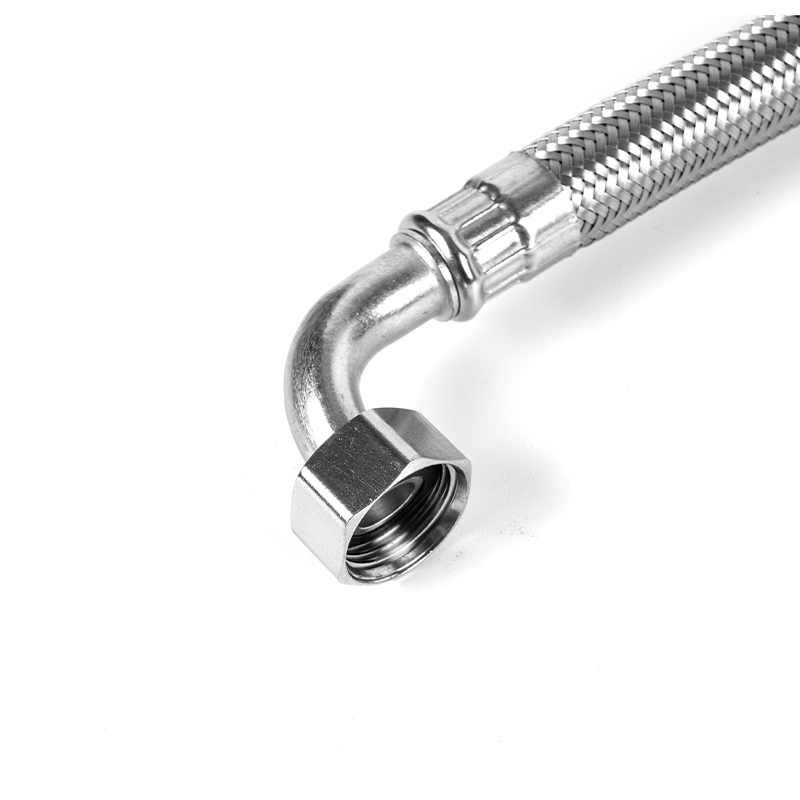
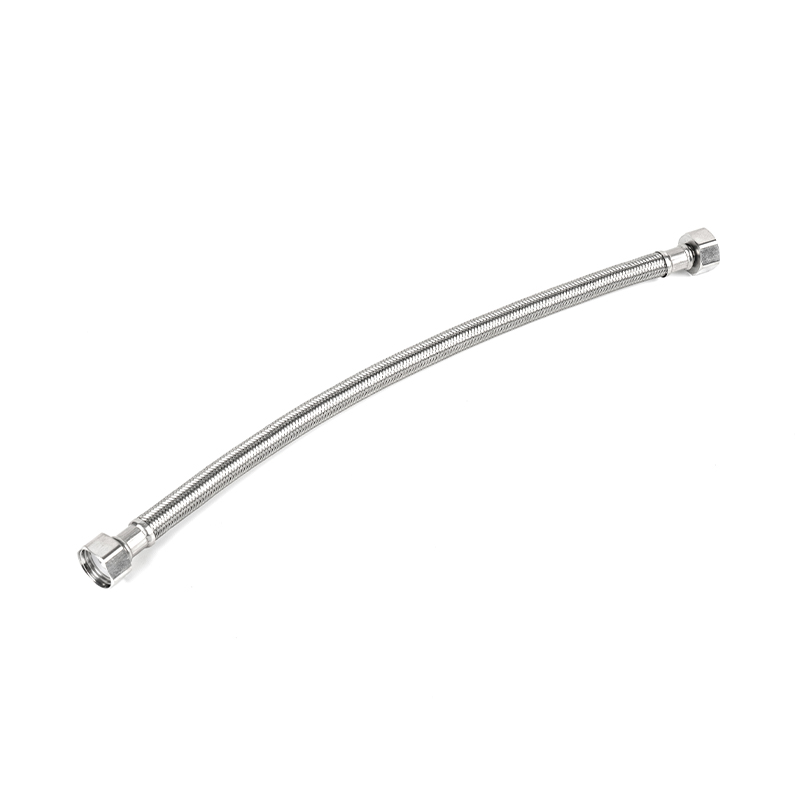
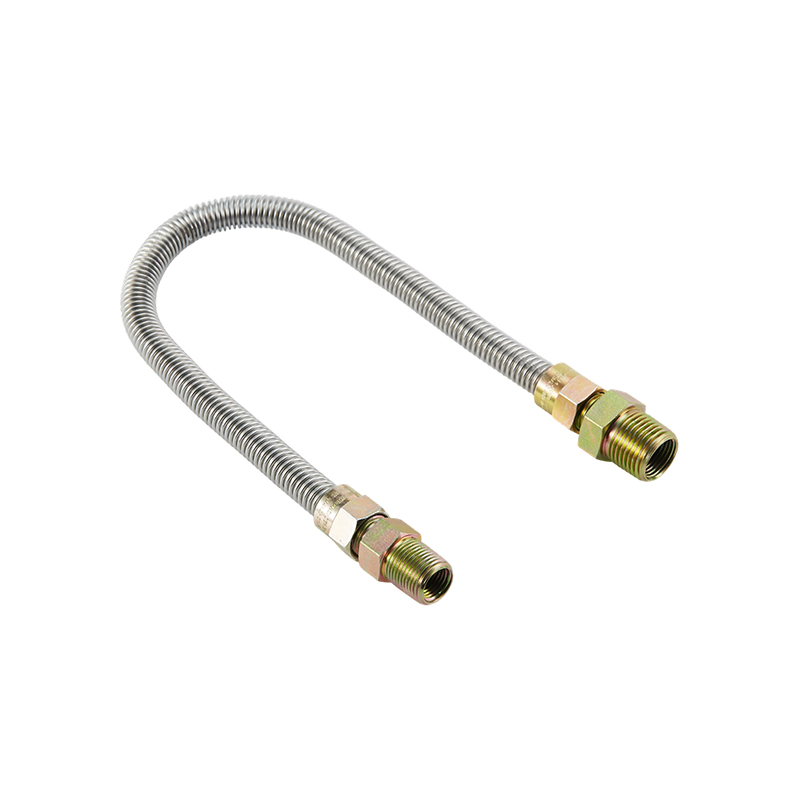
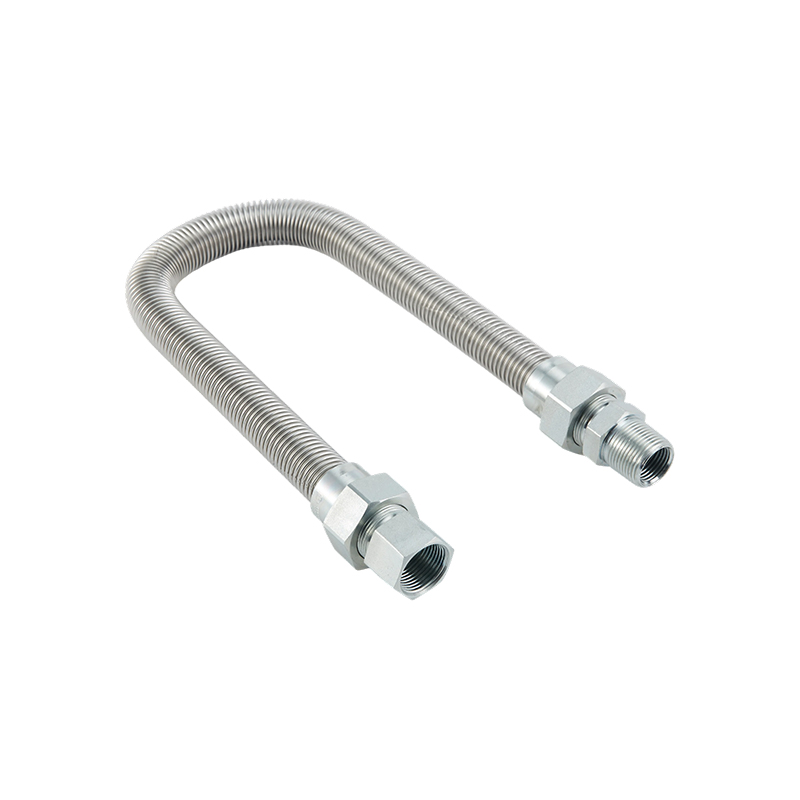
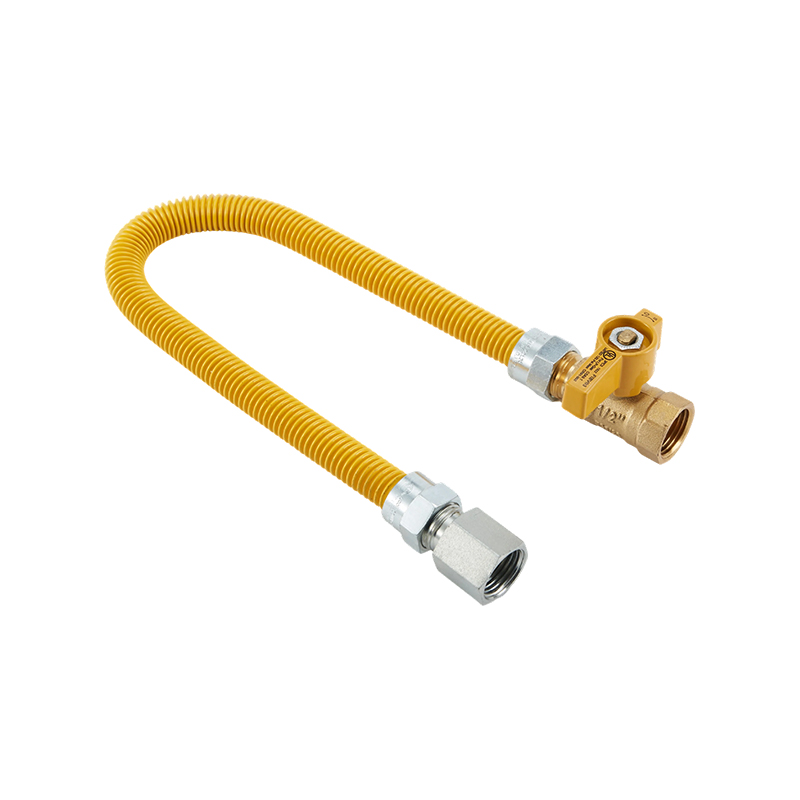
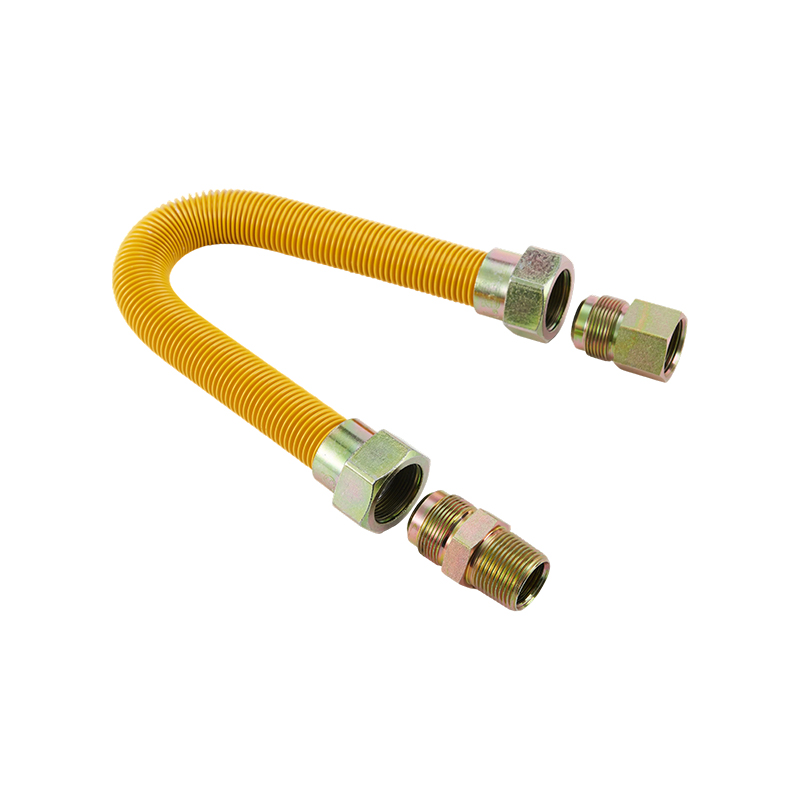
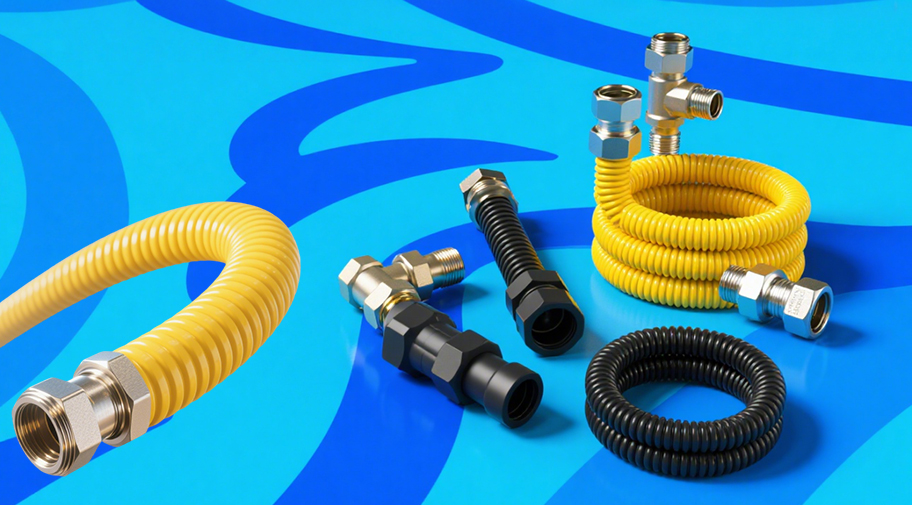
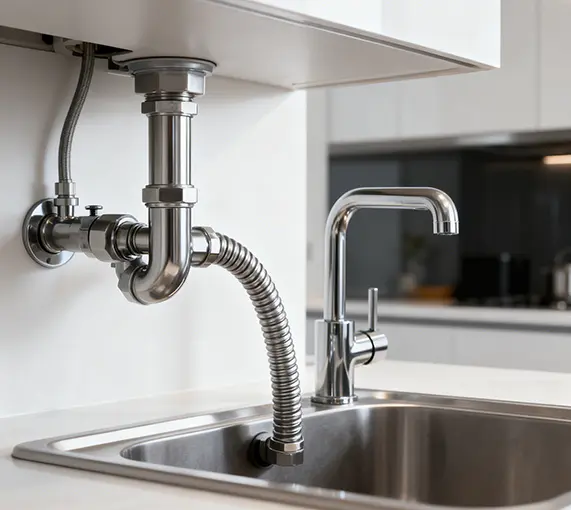
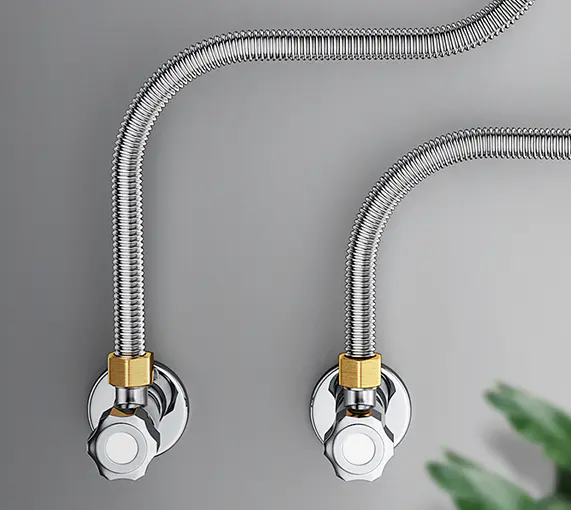
A stainless steel flexible gas connector is a short, corrugated metal tube designed to create a secure, gas-tight link between a rigid gas supply line and a movable or stationary gas appliance. Unlike rigid iron pipe, a flexible gas line can absorb vibration, accommodate slight positional misalignment, and simplify installation in tight spaces behind ranges, dryers, water heaters, and commercial cooking equipment.
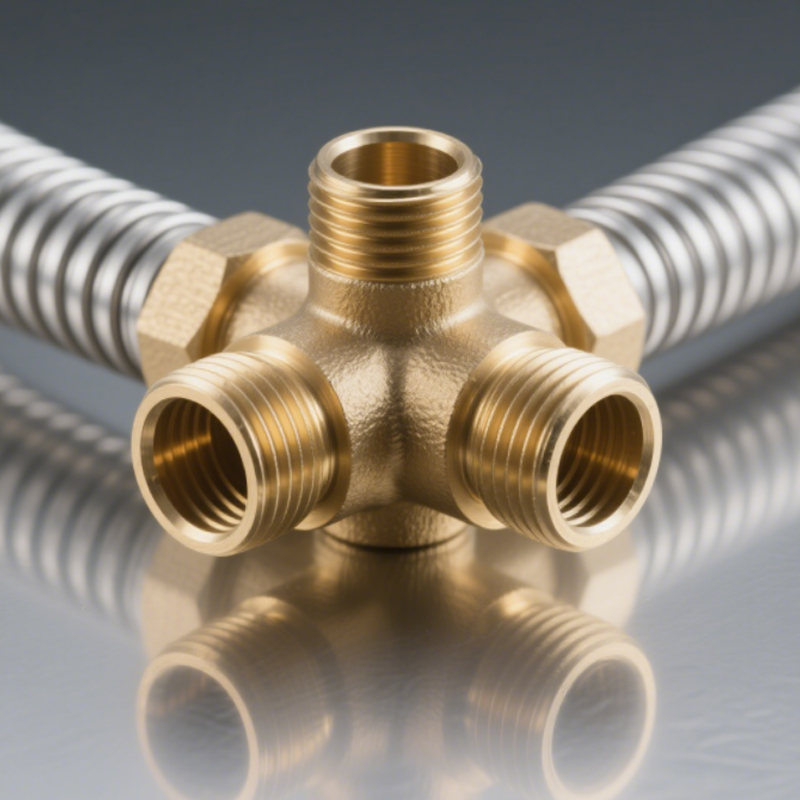
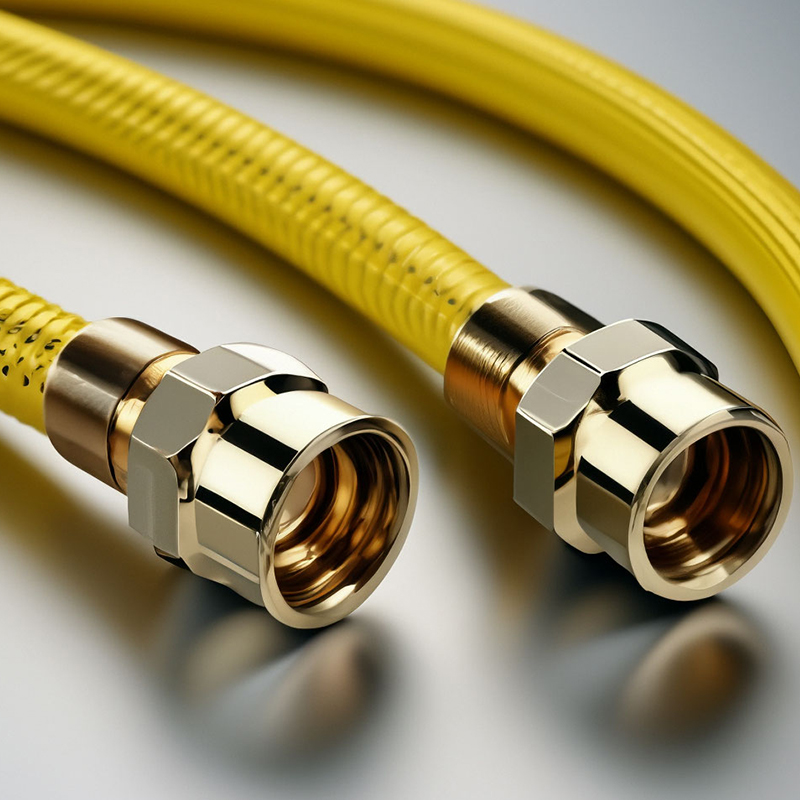
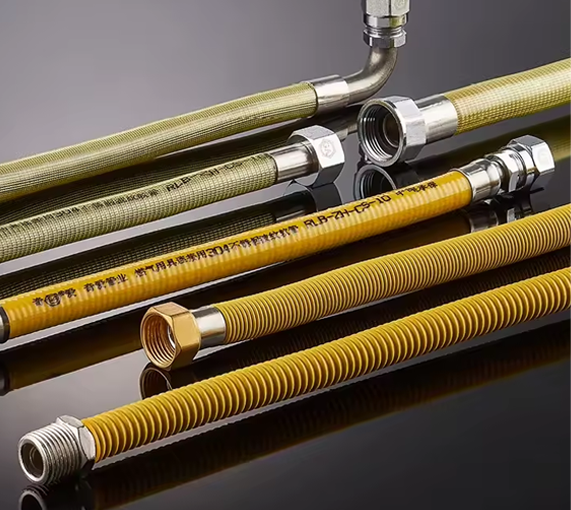
The core of the connector is a corrugated stainless steel gas connector body — typically 304 or 316 grade stainless steel — encased in a protective outer jacket or left exposed. End fittings are usually brass or stainless steel, formed into standard NPT or flare connections. The corrugated profile is what gives the hose its flexibility while maintaining structural integrity under pressure.
As a leading stainless steel flexible gas connector manufacturer, Haoyin (Ningbo) Bellows Technology Co., Ltd. produces a full range of connectors compatible with natural gas, propane, and mixed gas systems, serving residential, commercial, and OEM customers worldwide.
Core Construction Components
| Component | Material | Function |
|---|---|---|
| Corrugated Hose Body | SS304 / SS316 | Gas containment, flexibility, pressure resistance |
| End Fittings | Brass / Stainless Steel | Leak-proof connection to supply and appliance |
| Outer Jacket (optional) | PVC / Stainless Mesh | Mechanical protection, UV and abrasion resistance |
| Sealing Gasket | EPDM / PTFE | Gas-tight seal at connection points |
Why Stainless Steel Outperforms Other Connector Materials
When evaluating a flexible gas connector supplier, material choice is the single most consequential factor for long-term safety and durability. Stainless steel — particularly grades 304 and 316 — offers a combination of properties no other common material matches across the full range of residential and commercial gas applications.
Older uncoated brass connectors, once the default for gas appliance connections, are susceptible to stress corrosion cracking and dezincification over time, particularly in humid environments. Aluminum corrugated connectors, though lightweight, have lower pressure ratings and reduced fatigue life compared to stainless alternatives. The shift toward stainless steel gas hose products reflects decades of field performance data and evolving safety codes.
Material Performance Comparison (Score out of 10)
Figure 1: Composite safety and durability score across corrosion resistance, pressure rating, and fatigue life. Stainless steel leads with a score of 9.5 out of 10, reflecting its superior metallurgical properties. Brass performs adequately but is vulnerable to stress corrosion in certain environments. Rubber connectors have the lowest composite score and are generally not recommended for permanent gas installations.
The corrugated design of a stainless steel gas line also provides inherent vibration damping. When gas appliances cycle on and off, micro-vibrations travel through the connection point. A rigid pipe connection can loosen fittings over years of cyclic stress; a corrugated connector absorbs those forces without fatigue failure at the joint.
Safety Certifications and Standards to Look For
Not all flexible gas connectors sold on the market carry genuine third-party certification. When sourcing from a flexible gas connector supplier or an OEM gas connector manufacturer, verifying certifications is a non-negotiable step. The key standards governing gas appliance connectors in North America and internationally include:
- ANSI Z21.24 / CSA 6.10 — The primary standard for connectors for gas appliances in the U.S. and Canada, covering burst pressure (minimum 5× working pressure), bending, and leak tests.
- CSA B149.1 — Canadian natural gas and propane installation code, often referenced by CSA certified gas connector products.
- EN 14800 / CE Marking — European standard for flexible hose assemblies for gas appliances, covering pressure testing up to 5 bar (72.5 psi).
- ISO 9001 Quality Management — Systemic quality assurance from manufacturing through delivery, required by most professional buyers sourcing from a stainless steel gas hose factory.
- UL Listed — Underwriters Laboratories listing for applicable connector products sold in the U.S. market.
Haoyin holds ISO9001, ISO14001, and ISO45001 certifications and is recognized as a National High-tech Enterprise, operating from an 18,000 m² standardized production facility. Products are designed to meet multiple international certification requirements, making them suitable for both domestic and export markets.
How Stainless Steel Flexible Gas Connectors Work Under Pressure
Understanding the operating mechanics of a flexible gas line helps installers and buyers appreciate why certain design features matter. A residential natural gas supply typically operates at 0.25 psi (1/4 inch water column) at the appliance, while the upstream line may carry up to 2 psi. Propane systems often operate at higher pressures — commonly 11 inches water column (0.4 psi) at the regulator outlet, with higher-pressure commercial applications reaching several psi.
Quality corrugated stainless steel gas connectors are tested to burst pressures exceeding 500 psi, providing enormous safety margins above normal operating conditions. The corrugated profile distributes hoop stress evenly along the tube wall, preventing stress concentration at any single point — a key engineering advantage over smooth-bore flexible tubing.
Operating vs. Burst Pressure Across Gas Connector Types (psi)
Figure 2: Burst pressure ratings compared to typical operating pressure for major connector materials. SS316 corrugated connectors achieve the highest burst ratings (~530 psi), providing a safety factor exceeding 250× normal residential operating pressure. This enormous margin is why stainless steel flexible gas connectors are the preferred choice in safety-critical applications. Aluminum and brass connectors offer lower burst thresholds, reducing the effective safety factor especially in higher-pressure commercial installations.
Natural Gas vs. Propane: Choosing the Right Connector
The distinction between a natural gas flexible connector and a propane gas connector hose matters significantly at the fitting and rating level. While the stainless steel hose body itself is chemically compatible with both gases, connector assemblies must be rated and labeled for the specific gas type and pressure range being used.
- Natural gas connectors are typically rated for supply pressures up to ½ psi (14 inches water column) for residential use. They are labeled "NG" and should not be used with LP gas without explicit dual-rating.
- Propane connectors must accommodate higher inlet pressures and are often labeled "LP" or "LP/NG" for dual use. Propane is also denser than air and can pool at low points, so connector integrity is especially critical in enclosed spaces.
- Commercial gas connectors for restaurant ranges, fryers, and industrial equipment often require higher-pressure ratings (up to 5 psi or more), larger diameter hoses (¾" or 1"), and may need stainless steel mesh-jacketed assemblies for compliance with commercial kitchen codes.
Haoyin offers both residential and commercial gas connector configurations, with custom OEM options for diameter, length, fitting type, and gas compatibility — making it a practical choice for distributors seeking a wholesale flexible gas connector supply with engineering customization capability.
Recommended Connector Diameter by Appliance Type (inches)
Figure 3: Standard connector diameter recommendations by appliance category. Residential appliances typically use ½" or 3/8" connectors, while commercial and industrial systems require ¾" or 1" hoses to meet BTU demand and pressure drop requirements. Selecting the correct diameter is essential for both safe operation and appliance efficiency; undersized connectors restrict flow and can starve burners of adequate gas supply.
Lifespan, Maintenance, and When to Replace
One of the most frequent questions asked of any stainless steel flexible gas connector manufacturer is how long a connector will last. The answer depends on installation quality, environment, gas type, and whether the connector has ever been kinked, stretched, or subjected to mechanical stress beyond its design limits.
Under normal residential conditions, a quality stainless steel gas hose has an expected service life of 10 to 20 years. However, most North American model codes and the appliance manufacturer's installation instructions recommend inspection every 5 years and replacement whenever a connector is disturbed, kinked, or shows visible corrosion. The American Gas Association (AGA) has historically recommended replacing connectors when an appliance is moved or replaced, regardless of the connector's apparent condition.
Performance Attribute Radar: SS304 vs. Brass Connector
Figure 4: Radar comparison of SS304 stainless steel versus brass connectors across five key performance attributes. Stainless steel demonstrates clear superiority in corrosion resistance, pressure rating, and long-term lifespan — the three attributes most directly linked to gas connection safety. Brass connectors score higher only on cost efficiency in initial purchase price, but this advantage is eroded when total cost of ownership accounts for more frequent replacement cycles and the consequences of connection failure.
Signs That a Gas Connector Needs Replacement
- Visible corrosion, pitting, or green/white deposits on fittings
- Kinks, bends exceeding the minimum bend radius, or physical deformation of the corrugated body
- Any detectable gas odor near the connector (use approved gas leak detector solution — never open flame)
- Connector age exceeding manufacturer's stated service life or local code maximum (commonly 5 years for uncoated brass, 20 years for stainless)
- Appliance has been moved, causing the connector to be stretched or re-bent
OEM and Wholesale Sourcing: What to Demand from Your Manufacturer
For distributors, importers, and contractors sourcing in volume, the choice of OEM gas connector manufacturer or wholesale flexible gas connector partner involves factors beyond price per unit. Quality consistency across production batches, documentation support for market certification, and supply chain reliability all contribute to total procurement risk.
Key criteria to evaluate when selecting a stainless steel gas hose factory include: raw material traceability (mill certificates for SS coil), documented process control for corrugation tooling and end-fitting assembly, hydrostatic and leak testing on 100% or statistically valid sample rates, and third-party certification support documentation.
Haoyin covers 35 mu (approximately 23,000 m²) of production campus with 18,000 m² of standardized workshops, enabling controlled manufacturing environments. As a National High-tech Enterprise, the company has invested in R&D capabilities that allow true ODM (original design manufacturing) for customers requiring custom connector configurations not found in standard catalogs.
Importance of Supplier Evaluation Factors for B2B Gas Connector Buyers (%)
Figure 5: Survey-based importance ranking of supplier evaluation criteria among professional gas connector buyers and distributors. Certification compliance tops the list at 96%, reflecting the legal and liability consequences of selling non-compliant gas products. Quality consistency and on-time delivery follow closely, while custom OEM capability is highly valued by distributors serving multiple regional markets with differing code requirements.
Proper Installation Practices for Flexible Gas Lines
Even the highest-quality flexible gas line can create hazards if incorrectly installed. The following installation principles are consistent with ANSI Z21.24, IPC (International Plumbing Code), and general appliance manufacturer guidance. Always defer to local code requirements and a licensed plumber or gas fitter for work on live gas systems.
- Never reuse a connector that has been removed. Corrugated connectors are intended for one-time installation. Removing a connector deforms the ferrule or compression seat and compromises the seal geometry.
- Never run a connector through walls, floors, or ceilings. A gas flex line is designed for the appliance connection only — from the rigid shut-off valve to the appliance inlet. Hidden runs require rigid pipe or listed CSST tubing with proper bonding.
- Maintain minimum bend radius. Every corrugated connector has a minimum bend radius specification. Exceeding it — especially at the fitting ends — causes stress concentration that can lead to fatigue cracking over time.
- Apply thread sealant correctly. Use only gas-rated thread sealant (not standard plumber's tape, which can shred and contaminate gas orifices). Apply to male threads only, leaving the first thread clear.
- Pressure test after installation. After any new connector installation, test for leaks using an approved leak-detection solution or an electronic gas detector. Never use an open flame for leak testing.
- Allow adequate slack. The connector should not be under tension. Provide a gentle loop or curve to absorb appliance vibration and prevent stress at the fittings.
About Haoyin (Ningbo) Bellows Technology Co., Ltd.
Haoyin (Ningbo) Bellows Technology Co., Ltd. is a professional enterprise specializing in the R&D, design, manufacturing, and sales of stainless steel bellows, committed to providing safe, efficient, and durable flexible connection solutions for gas, plumbing, heating, and related fields. As a recognized OEM Stainless Steel Flexible Gas Connector Manufacturer and ODM Custom CSST Gas Connector Factory, Haoyin serves clients across residential, commercial, and industrial sectors globally.
The company covers an area of 35 mu with 18,000 square meters of standardized workshops and has obtained multiple management system certifications, including ISO9001, ISO14001, and ISO45001. As a National High-tech Enterprise and Green Factory, Haoyin adheres to the production philosophy of "Striving for Excellence, Forging Quality," building a full-process quality management system from raw material screening and structural design through manufacturing, performance testing, and after-sales support.
Frequently Asked Questions
Q1: What is a stainless steel flexible gas connector?
A stainless steel flexible gas connector is a corrugated metal hose assembly used to connect a gas supply line to an appliance. It accommodates minor misalignment and vibration while maintaining a gas-tight seal. It is typically made from SS304 or SS316 with brass or stainless fittings.
Q2: Are stainless steel gas connectors safe?
Yes, when properly rated, certified, and installed. Stainless steel corrugated connectors meet or exceed ANSI Z21.24 and CSA standards, with burst pressures often exceeding 500 psi — well above normal operating conditions. Always verify the connector carries appropriate third-party certification for your gas type.
Q3: What is the lifespan of a flexible gas connector?
A quality stainless steel flexible gas connector can last 10 to 20 years under normal residential conditions. Most codes and manufacturers recommend inspection every 5 years and replacement whenever an appliance is moved or a connector is disturbed, kinked, or shows any visible damage.
Q4: Can flexible gas connectors be reused?
No. Flexible gas connectors are designed for single use. Removing a connector deforms the seating surfaces at the fittings, making a reliable gas-tight reinstallation unsafe. Always install a new connector when moving or replacing a gas appliance.
Q5: What are flexible gas lines made of?
Most modern flexible gas lines are made of corrugated stainless steel (SS304 or SS316) with brass or stainless steel end fittings. Some older products used uncoated brass or aluminum, but stainless steel has become the prevailing material due to its superior corrosion resistance and mechanical strength.
Q6: Why use stainless steel gas connectors over brass?
Stainless steel outperforms brass in corrosion resistance, fatigue life, and burst pressure rating. Brass is susceptible to stress corrosion cracking and dezincification over time, particularly in humid environments. Stainless steel connectors typically carry a longer service life and are required by many updated plumbing codes.
Q7: How does a flexible gas connector work?
A flexible gas connector bridges the final connection between a fixed gas supply shut-off valve and an appliance inlet. The corrugated stainless steel body allows bending and vibration absorption, while threaded or flare end fittings create a gas-tight mechanical seal. Gas flows through the interior cavity at controlled pressure without leakage when correctly installed.
Q8: What certifications should a gas connector have?
Look for ANSI Z21.24 / CSA 6.10 listing for North American markets, CSA B149.1 compliance for Canadian installations, and CE marking for European use. Manufacturer ISO9001 certification indicates systematic quality control. A CSA certified gas connector label means the product has been independently tested against rigorous safety standards.