



 English
  Español
  русский


Before purchasing flexible plumbing pipe, the most important things to verify are: material grade, pressure rating, certifications for your target application (potable water, gas, heating), connection type compatibility, and whether the supplier offers OEM customization. Buyers who skip these steps often face costly returns, failed inspections, or system failures after installation. This guide is designed to give you a clear, structured framework for evaluating every dimension of a flexible water pipe purchase — from material science to supplier qualification.
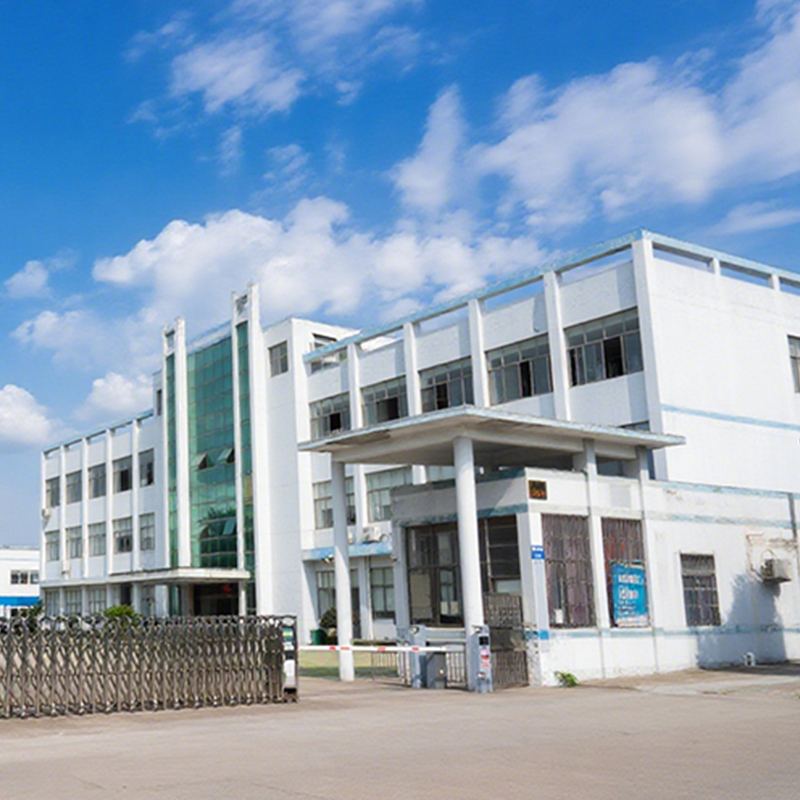
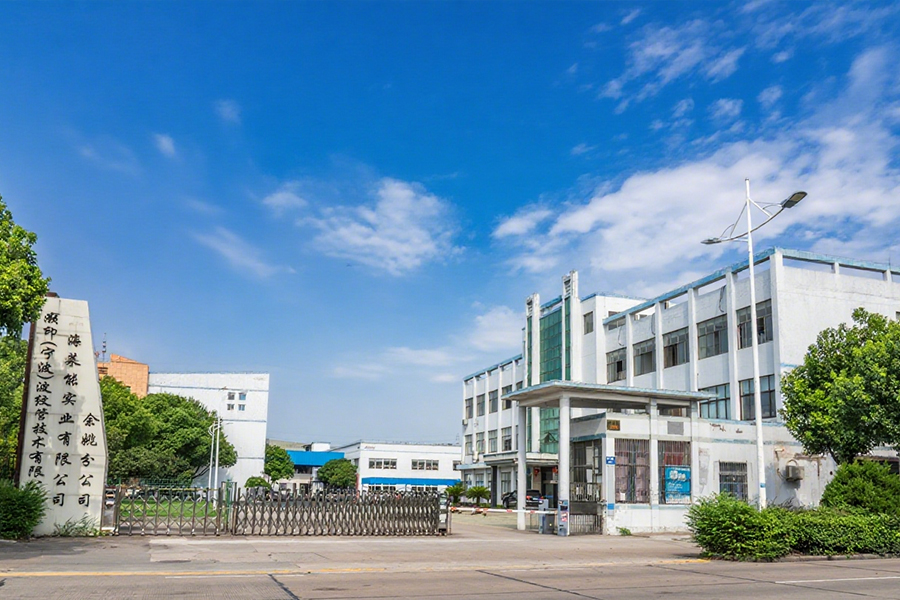
Haoyin (Ningbo) Bellows Technology Co., Ltd. is a professional OEM flexible plumbing pipe manufacturer and ODM water piping and hose assemblies factory based in Ningbo, China. With 18,000 square meters of standardized workshops across 35 mu of land, and certifications including ISO9001, ISO14001, and ISO45001, the company represents the type of vertically integrated, quality-driven operation that international buyers should benchmark against when evaluating any flexible pipe factory in China.
Why Flexible Piping Has Become the Industry Standard
Rigid pipe systems dominated plumbing infrastructure for most of the 20th century, but flexible piping systems have steadily replaced them in residential, commercial, and industrial contexts since the 1990s. The shift is driven by several practical advantages: easier installation in confined or irregular spaces, superior vibration absorption, seismic resilience, and reduced installation labor cost. According to a 2022 report by MarketsandMarkets, the global flexible pipe market was valued at USD 12.4 billion and is expected to grow at a CAGR of 5.1% through 2027, with plumbing and HVAC applications representing the largest demand segments.
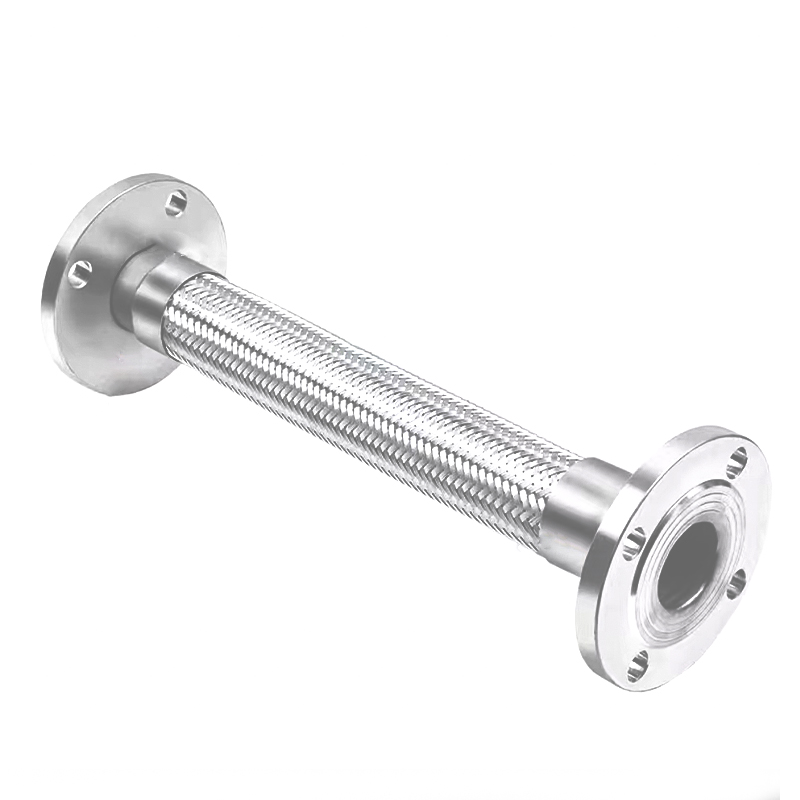
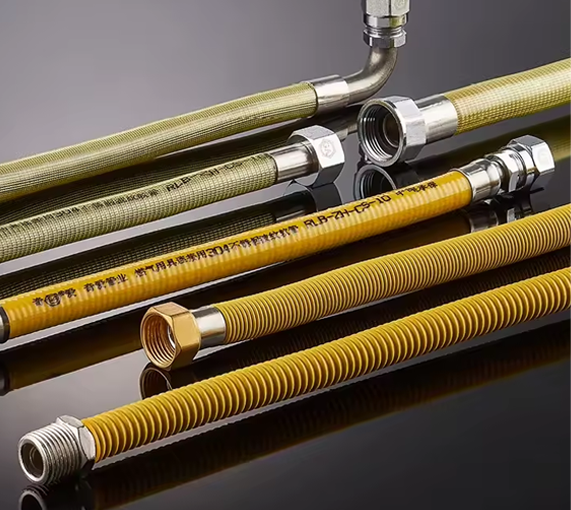
Braided water hoses, corrugated stainless steel tubing, and composite plumbing hoses each address different installation scenarios. Understanding which category your application requires is the first decision any buyer must make before approaching a flexible water pipe supplier.
Global Flexible Pipe Market Size (2019–2027, USD Billion)
The global flexible pipe market dipped briefly in 2020 due to pandemic-driven construction slowdowns, then rebounded sharply through 2021 and 2022. Growth projections through 2027 remain robust at above 5% CAGR, driven by residential plumbing upgrades, seismic-resilient construction codes in earthquake-prone regions, and rapid urbanization in Asia and the Middle East. For buyers, this market trajectory means that flexible plumbing pipe manufacturers are investing heavily in capacity and innovation — making it an increasingly competitive and option-rich supply landscape.
Types of Flexible Plumbing Pipe: A Buyer's Classification Guide
The term "flexible pipe" covers a wide family of products, each engineered for specific pressures, temperatures, media types, and installation environments. Buying the wrong category for your application is one of the most common and costly sourcing mistakes.
| Pipe Type | Core Material | Max Pressure | Typical Application | Potable Water Safe |
|---|---|---|---|---|
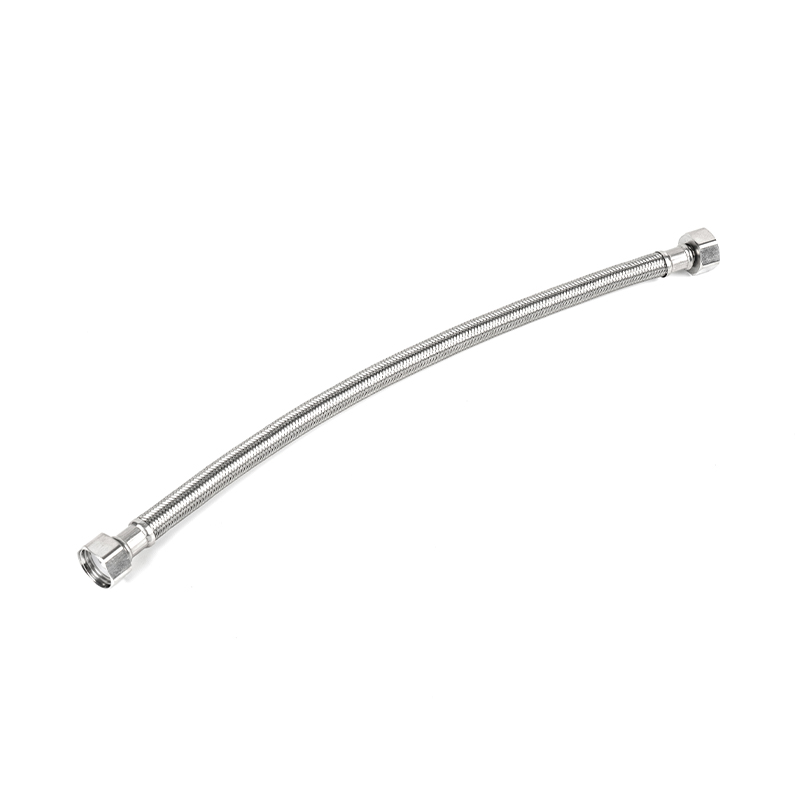
| Stainless Steel Braided Hose | SS304/SS316 over EPDM or PTFE core | Up to 16 bar | Under-sink connections, appliance hookups | Yes (EPDM/PTFE core) |
| Corrugated Stainless Steel Tube (CSST) | SS304 corrugated inner tube | Up to 25 bar | Gas supply, water heating, HVAC | Yes |
| Rubber Flexible Hose | EPDM / NBR rubber | Up to 10 bar | General plumbing, drainage | Grade dependent |
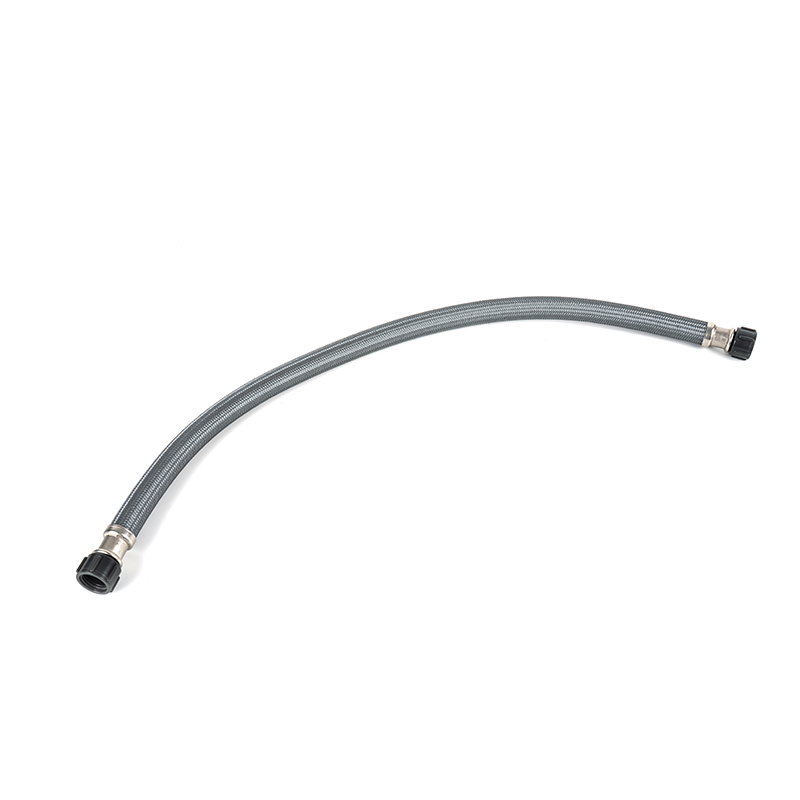
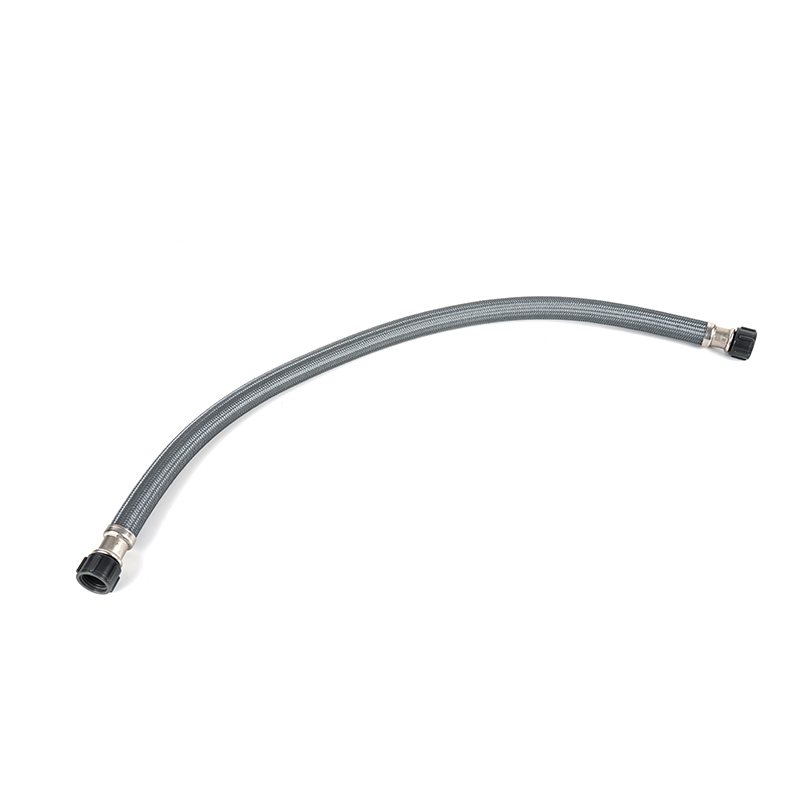
| Water Hose Assembly | SS braid + brass/SS fittings | 10–16 bar | Toilet cisterns, faucet supply lines | Yes |
| PEX Flexible Tube | Cross-linked polyethylene | Up to 8 bar | In-wall hot/cold distribution | Yes (NSF/ANSI 61) |
Among these, stainless steel braided hoses and corrugated stainless steel tubing represent the highest-demand categories for OEM buyers sourcing from Chinese manufacturers. These products combine high pressure tolerance, corrosion resistance, and long service life — typically 10–15 years in normal plumbing conditions — making them the preferred choice for international distributors serving professional installers and contractors.
Material Selection: What Grade of Stainless Steel Actually Matters
Material grade is the single most technically significant decision in sourcing any flexible water pipe. Many buyers focus on dimension and price without scrutinizing the alloy composition, which directly determines corrosion resistance, mechanical strength, and suitability for specific media. The two most common stainless steel grades used in flexible plumbing pipe manufacturing are SS304 and SS316.
SS304 vs. SS316: When Each Grade Is Appropriate
SS304 (18% chromium, 8% nickel) is the standard grade for most residential and light commercial plumbing hose applications. It provides excellent general corrosion resistance and is cost-effective for high-volume production. SS316 adds 2–3% molybdenum, which significantly improves resistance to chloride corrosion — critical for applications in coastal environments, saltwater systems, or where the water supply contains elevated chloride levels. A professional custom flexible pipe manufacturer like Haoyin will advise on grade selection based on application data, not just catalog defaults.
For inner core materials in braided water hoses, EPDM rubber is the most widely used option for potable water applications due to its broad temperature range (−40°C to +150°C), chemical inertness, and compliance with WRAS, NSF, and KTW drinking water standards. PTFE (polytetrafluoroethylene) cores are preferred for chemical and high-purity applications where zero contamination is required.
Material Performance Comparison: SS304 vs SS316 vs Rubber (Score /10)
SS316 consistently outperforms SS304 in corrosion resistance and longevity, making it the preferred choice for marine, industrial, or high-chloride water supply environments. Rubber (EPDM) leads in raw flexibility, making it suitable for connections requiring significant angular movement or vibration damping. For most standard potable water hose and residential plumbing applications, SS304 with an EPDM core offers the best performance-to-cost balance. Buyers sourcing from a braided water hose supplier should always specify the grade in writing to avoid substitution during production.
Understanding Water Hose Assemblies: Components and Configuration
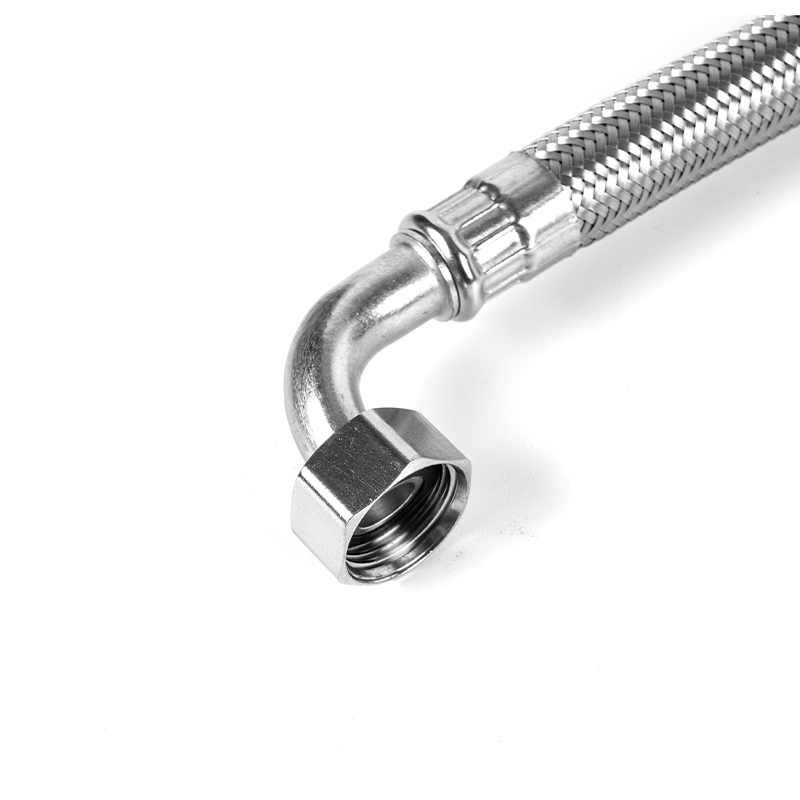
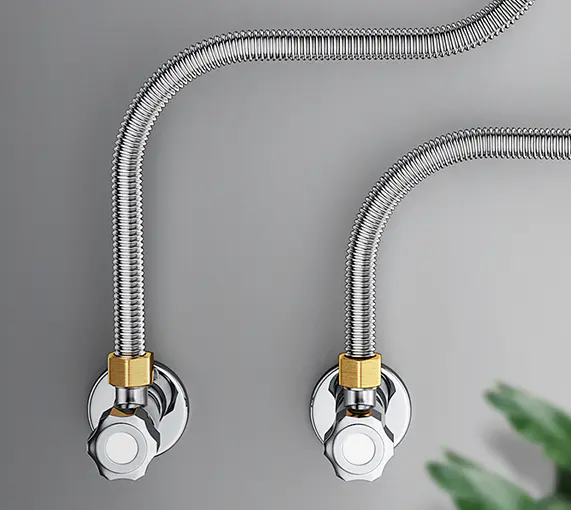
A water hose assembly is not just a hose — it is a complete engineered unit comprising the flexible conduit, end fittings, ferrules, and any integrated valves or connectors. The quality of the assembly is determined not only by the hose itself but by how the fittings are attached, the type of crimp or swage used, and whether the assembly has been hydrostatically tested as a complete unit.
Key Components of a Standard Water Hose Assembly
- Inner Core: EPDM, PTFE, or silicone tube providing the fluid-contact surface. Must comply with potable water standards if used in drinking water systems.
- Reinforcement Braid: Single or double layer of SS304/SS316 wire braid for pressure containment and mechanical protection.
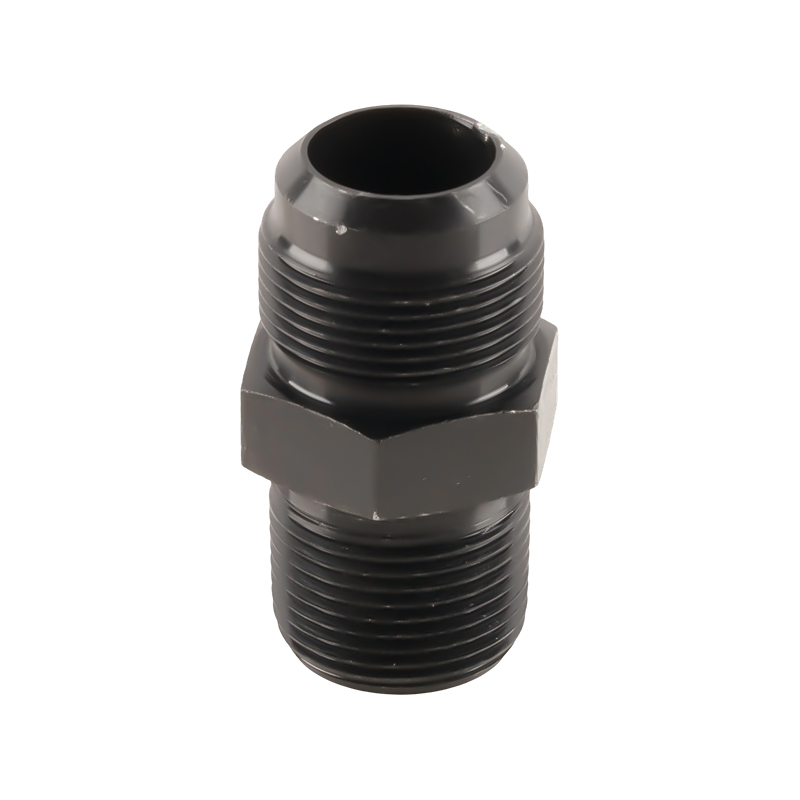
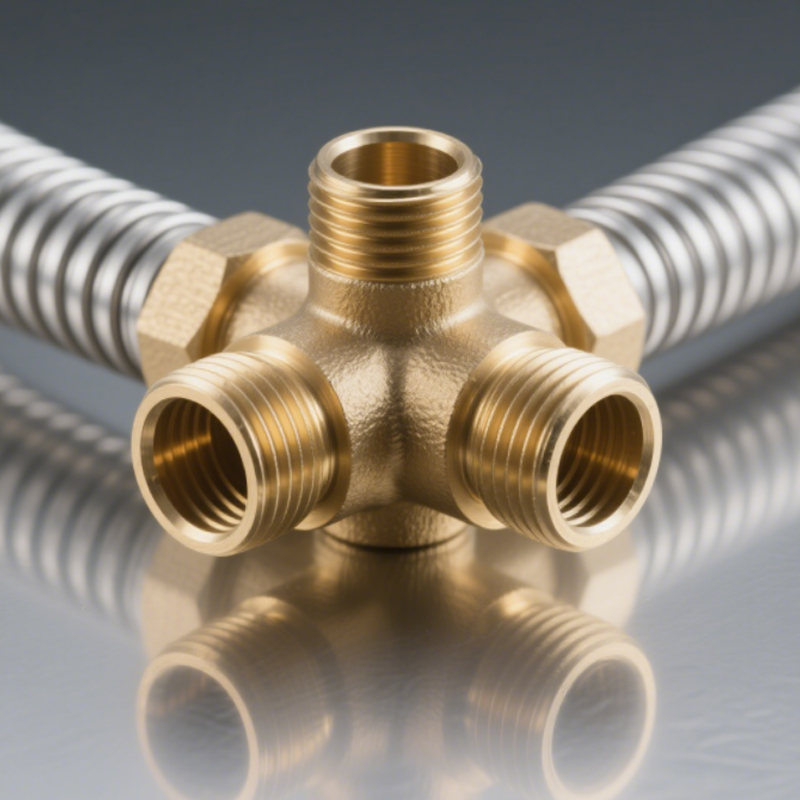
- End Fittings: Brass (nickel-plated or chrome-plated) or stainless steel — available in BSP, NPT, metric, or custom thread standards.
- Ferrule / Crimp Sleeve: Secures the fitting to the hose end. Machine-crimped ferrules provide better consistency than hand-crimped versions.
- Optional Components: Integrated check valves, angle adaptors, or shutoff valves can be incorporated into the assembly at the factory stage.
An experienced OEM water hose assembly manufacturer like Haoyin maintains separate quality checkpoints for each component before assembly, and conducts hydrostatic burst testing on finished assemblies as standard practice. Buyers should request test reports confirming burst pressure at minimum 4× the rated working pressure.
Working vs. Burst Pressure by Hose Assembly Type (bar)
This chart illustrates why stainless steel braided hoses and CSST carry a significant safety margin — burst pressures of 4× the working rating ensure that even in pressure surge events, the assembly retains structural integrity. Rubber hoses offer adequate safety margins for low-pressure domestic applications but should not be used in systems where pressure fluctuations are common. Buyers sourcing any flexible piping system for pressurized applications should always verify both the rated working pressure and the burst test pressure from the plumbing pipe exporter before finalizing specifications.
What Is a Water Liner and Why Buyers Need to Specify It Correctly
The water liner — sometimes called the inner core or inner tube — is the fluid-contact layer inside a braided hose assembly. It is arguably the most critical component for potable water safety, chemical compatibility, and long-term system hygiene. Despite its importance, it is frequently under-specified in buyer purchase orders, leading to product substitution or compliance failures in regulated markets.
Common water liner materials include EPDM (ethylene propylene diene monomer), PTFE (polytetrafluoroethylene), PVC, and silicone. Each has distinct regulatory approval pathways: EPDM liners should carry WRAS (UK), KTW (Germany), or NSF/ANSI 61 (North America) approval for drinking water use. PTFE liners are generally considered chemically inert and suitable for the broadest range of media, but are higher in cost and less common in standard plumbing assemblies.
- EPDM liner: Best for hot and cold potable water, temperature range −40°C to +150°C, widely certified.
- PTFE liner: Chemical inertness, suitable for aggressive media, used in pharmaceutical and industrial applications.
- PVC liner: Low-cost option for non-potable water and irrigation; not recommended for hot water above 60°C.
- Silicone liner: Food-grade applications, excellent flexibility at low temperatures, but limited pressure capability.
Haoyin, as a specialist water liner manufacturer and bellows technology company, maintains strict control over liner material sourcing, verifying raw material compliance before any production run. This upstream quality management practice is what separates true manufacturing partners from assemblers who source liners from unverified third parties.
Certifications and Standards Every Buyer Must Verify
One of the most common sourcing errors among first-time international buyers is treating certifications as optional documentation rather than mandatory entry tickets for specific markets. A flexible plumbing pipe that lacks the appropriate certification for your target country may be confiscated at customs, rejected by building inspectors, or trigger significant product liability exposure.
| Target Market | Key Certification | Scope | Issuing Body |
|---|---|---|---|
| European Union | CE Marking / EN standards | Pressure equipment, materials | Notified Bodies |
| United Kingdom | WRAS Approval | Potable water contact materials | WRAS (UK) |
| North America | NSF/ANSI 61 / UPC / IPC | Drinking water system components | NSF International |
| Germany | KTW / DVGW | Potable water rubber and plastics | DVGW |
| Australia / NZ | Watermark Certification | All plumbing and drainage products | SAI Global / WaterMark |
| China (domestic) | GB Standards / CCC | National product standards | CNCA |
Haoyin holds multiple management system certifications including ISO9001 (quality management), ISO14001 (environmental management), and ISO45001 (occupational health and safety), as well as recognition as a National High-tech Enterprise and Green Factory by Chinese authorities. These credentials indicate a mature quality management infrastructure that extends beyond individual product certificates to cover the entire production ecosystem.
Radar Comparison: Evaluating Flexible Pipe Manufacturers
When buyers evaluate multiple flexible water pipe suppliers, it helps to have a structured comparison framework that goes beyond product specifications. Factory capability, certification depth, OEM flexibility, and after-sales support all contribute to the total value of a supplier relationship.
Supplier Capability Radar: Haoyin vs. Industry Average
Haoyin outperforms industry averages across all six evaluated dimensions, with the most pronounced gaps in OEM capability, certification depth, and quality control systems. These three areas are precisely where sourcing risk is highest — a supplier with weak OEM flexibility forces buyers into catalog products that may not meet market requirements, while certification gaps create import compliance risks. The narrower gap in lead time reflects the reality that even well-equipped factories operate within physical production constraints, though Haoyin's automated production lines help minimize cycle times for standard product configurations.
OEM and Custom Flexible Pipe Manufacturing: What Can Be Tailored
For distributors and importers building their own product lines, the ability to work with a custom flexible pipe manufacturer on OEM specifications is a significant competitive advantage. Standard catalog products are available to every buyer from every factory; differentiated private-label products create margin and reduce direct price comparison.
Dimensions Commonly Customized in OEM Programs
- Hose Length: Any length from 150mm to 3,000mm in standard increments or fully custom cuts.
- Inner Diameter: DN8 through DN32 for most residential and light commercial applications; larger diameters for industrial use.
- Fitting Type and Thread Standard: BSP, NPT, metric, or custom thread profiles; straight, elbow, or T-configuration.
- Fitting Material and Finish: Brass (chrome, nickel, or raw), SS304, SS316, or zinc alloy; plating thickness and finish grade.
- Braid Layer Count: Single braid for standard applications; double braid for high-pressure or high-vibration environments.
- Inner Core Material: EPDM, PTFE, silicone, or PVC; wall thickness per pressure and temperature requirements.
- Packaging: Retail blister, hanging card, bulk carton, or custom-branded packaging with buyer's logo and product labeling.
- Color Coding: Red/blue indicator collars for hot/cold designation; full custom color options for branded product ranges.
As a recognized OEM water hose assembly manufacturer, Haoyin operates an in-house R&D and structural design team capable of developing new assembly configurations from buyer-supplied drawings or functional specifications. Prototype development typically requires 15–25 days, after which the buyer reviews samples before mass production authorization.
About Haoyin (Ningbo) Bellows Technology Co., Ltd.
Haoyin (Ningbo) Bellows Technology Co., Ltd. is a professional enterprise specializing in the R&D, design, manufacturing, and sales of stainless steel bellows and flexible plumbing pipe products. The company is committed to providing safe, efficient, and durable flexible connection solutions for gas, plumbing, heating, and related fields. As a qualified OEM flexible plumbing pipe manufacturer and ODM water piping and hose assemblies factory, Haoyin serves international buyers across multiple continents with a full-process quality management system.
The company covers an area of 35 mu with 18,000 square meters of standardized workshops. Management system certifications include ISO9001, ISO14001, and ISO45001. Haoyin has been recognized as a National High-tech Enterprise and Green Factory by Chinese industry authorities — designations that reflect both technological capability and commitment to sustainable manufacturing practices.
Adhering to the production philosophy of "Striving for Excellence, Forging Quality," Haoyin has built a full-process quality management system spanning raw material screening, structural design, manufacturing, performance testing, and after-sales support. This end-to-end approach is what allows the company to serve as a dependable long-term plumbing hose supplier for distributors who need consistent quality across large, repeated order volumes.
Haoyin Full-Process Quality Management: Stage-by-Stage Coverage
Haoyin's quality management pipeline covers all five critical stages of production without outsourcing any phase to unverified subcontractors. This integrated approach is what enables consistent product performance across batches — a key requirement for international distributors managing flexible water pipe inventory across multiple SKUs and markets. The after-sales support stage is particularly valuable for buyers who encounter installation or performance questions after goods arrive at their destination market.
Buyer's Pre-Order Checklist for Flexible Piping Procurement
Before finalizing any purchase order with a flexible pipe factory in China or any other origin, work through the following structured checklist. Each item represents a sourcing risk point that has caused costly problems for buyers who skipped the verification step.
- Confirm manufacturer status — direct factory or trading intermediary? Request factory registration documentation.
- Specify inner core material explicitly — EPDM, PTFE, or other; include in the purchase order as a binding specification.
- Verify stainless steel grade — SS304 or SS316? Request material mill certificates for the braid wire lot used in your order.
- Request relevant market certifications — CE, WRAS, NSF/ANSI 61, KTW, WaterMark — and verify expiry dates.
- Clarify fitting thread standard — BSP, NPT, or metric; specify male or female and size in writing.
- Order samples before bulk production — test for pressure rating, fitting torque, and liner integrity.
- Confirm hydrostatic burst test protocol — request test report showing burst at minimum 4× working pressure.
- Agree on QC inspection terms — pre-shipment inspection by third-party agency or factory QC report with photographic evidence.
- Clarify shipping terms and packaging — FOB, CIF, or EXW; carton drop test rating; container loading configuration.
- Establish warranty and defect policy — define acceptable defect rate (AQL standard) and replacement or credit procedure.
Frequently Asked Questions
Q1. What is a flexible plumbing pipe?
A flexible plumbing pipe is a conduit designed to carry water, gas, or other fluids while accommodating movement, vibration, or angular misalignment that rigid pipes cannot handle. They are widely used in residential and commercial plumbing for connections between fixed supply points and appliances, fixtures, or equipment.
Q2. What are water hose assemblies used for?
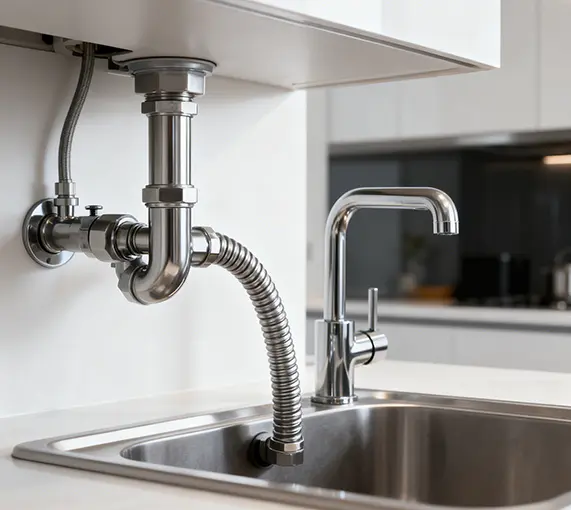
Water hose assemblies are pre-manufactured flexible hose units with fittings attached at each end, used to connect toilet cisterns, faucets, washing machines, dishwashers, and other plumbing appliances to the water supply. They eliminate the need for on-site fitting attachment, reducing installation time and leak risk.
Q3. What is a water liner and why is it important?
A water liner is the inner core material of a braided hose that directly contacts the fluid. It determines chemical compatibility, potable water safety, and service temperature range. For drinking water applications, the liner must carry certifications such as WRAS, NSF/ANSI 61, or KTW to confirm it does not leach harmful substances into the water supply.
Q4. How do flexible pipes work in plumbing systems?
Flexible pipes work by combining a pressure-resistant inner core with a reinforcing outer braid or corrugated structure that allows bending and movement while maintaining a sealed fluid path. The braided outer layer contains internal pressure while the flexible geometry absorbs thermal expansion, vibration, and installation misalignment without stressing the connection points.
Q5. Stainless steel braided hose vs rubber hose: what's the difference?
Stainless steel braided hoses offer higher pressure tolerance (up to 16 bar), better mechanical protection, longer service life, and superior resistance to kinking and UV degradation. Rubber hoses are more flexible and lower in cost but have lower pressure ratings (up to 10 bar) and shorter service life, particularly in hot water or UV-exposed environments.
Q6. How much pressure can flexible water pipes handle?
Standard stainless steel braided water hoses are rated for working pressures of 10–16 bar, with burst pressures typically at 4× the working rating. CSST (corrugated stainless steel tubing) can handle up to 25 bar working pressure. Always verify the rated working pressure and burst test results with your supplier before installation in pressurized systems.
Q7. Can flexible plumbing pipes be used for hot water?
Yes, provided the inner liner is rated for the temperature. EPDM-lined braided hoses are suitable for temperatures up to 150°C, making them appropriate for hot water supply connections. PVC-lined hoses should not be used above 60°C. Always specify the operating temperature range when ordering from your flexible water pipe supplier to ensure the correct liner is used.
Q8. What is the minimum order quantity for OEM flexible pipes from China?
MOQ varies by product type and customization level. Standard catalog products may start from 500–1,000 units per SKU, while fully customized OEM assemblies typically require 2,000–5,000 units to justify tooling and setup costs. Direct factories generally offer more MOQ flexibility than trading companies, particularly for buyers with ongoing repeat order potential.