




 English
  Español
  русский


1. What is a Stainless Steel Flexible Gas Hose?
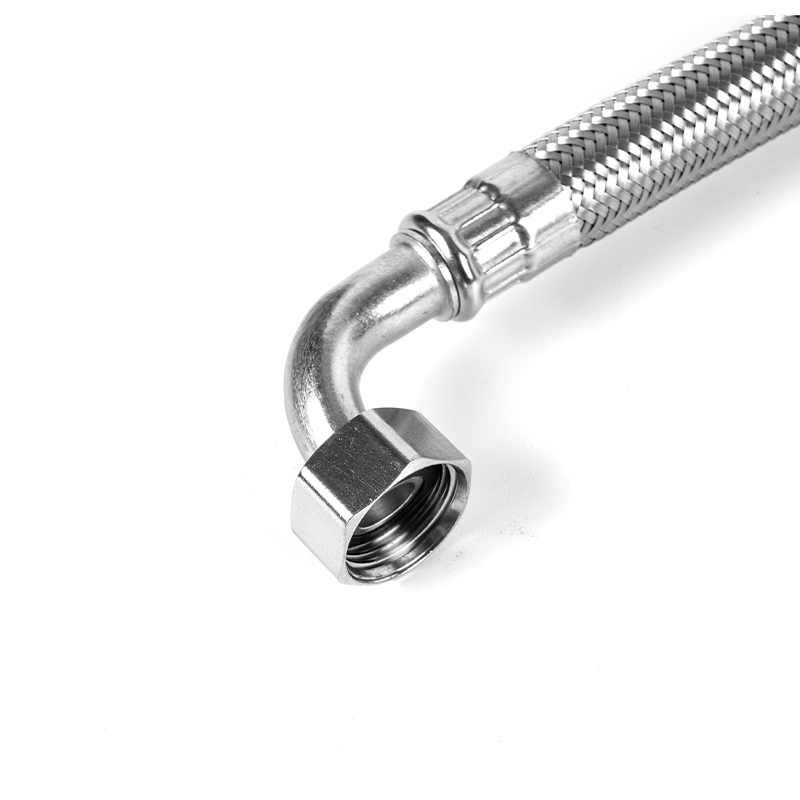
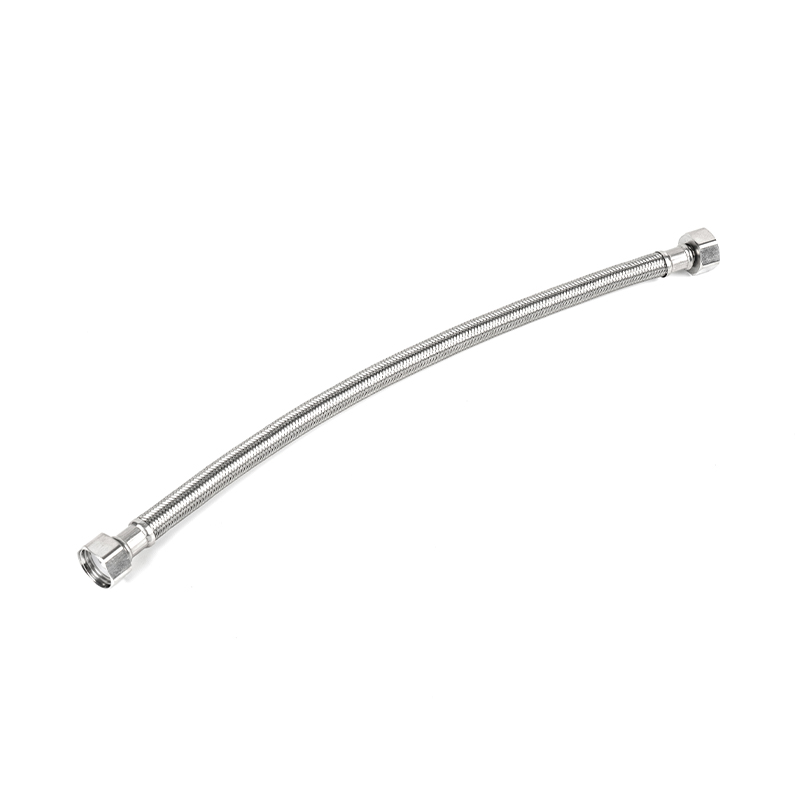
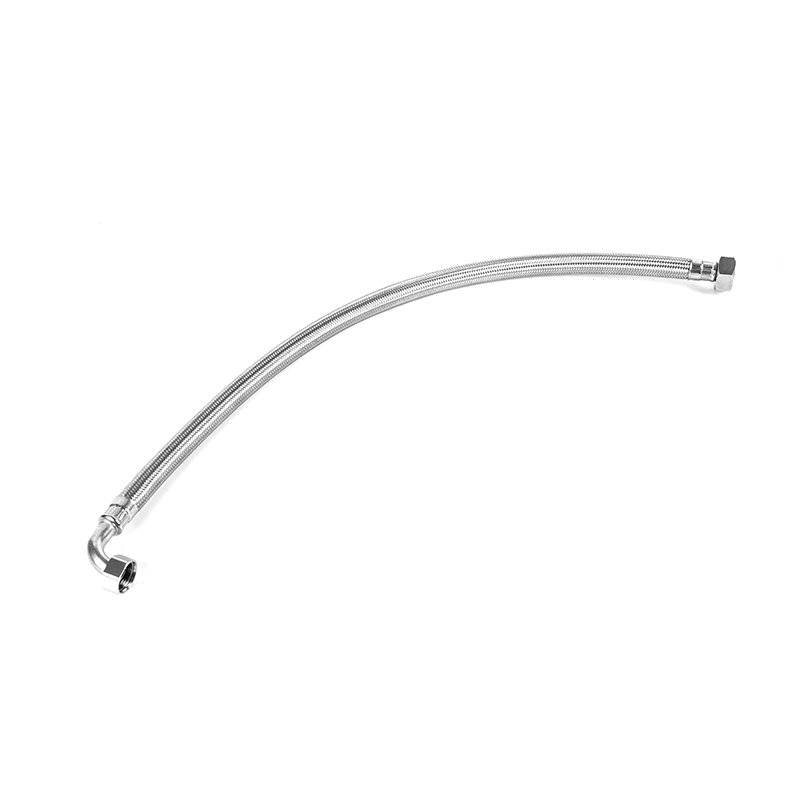
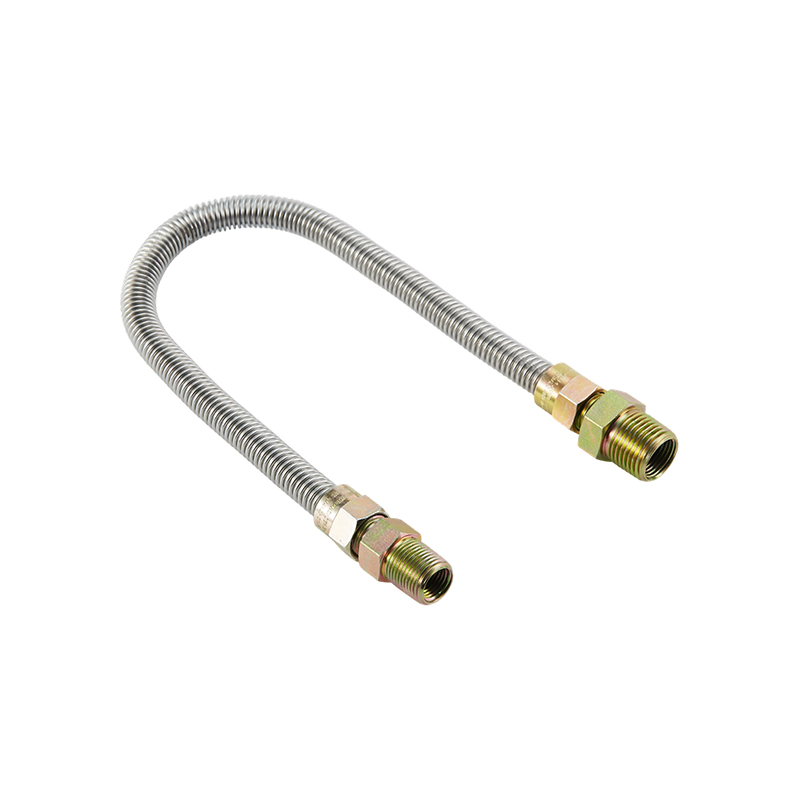
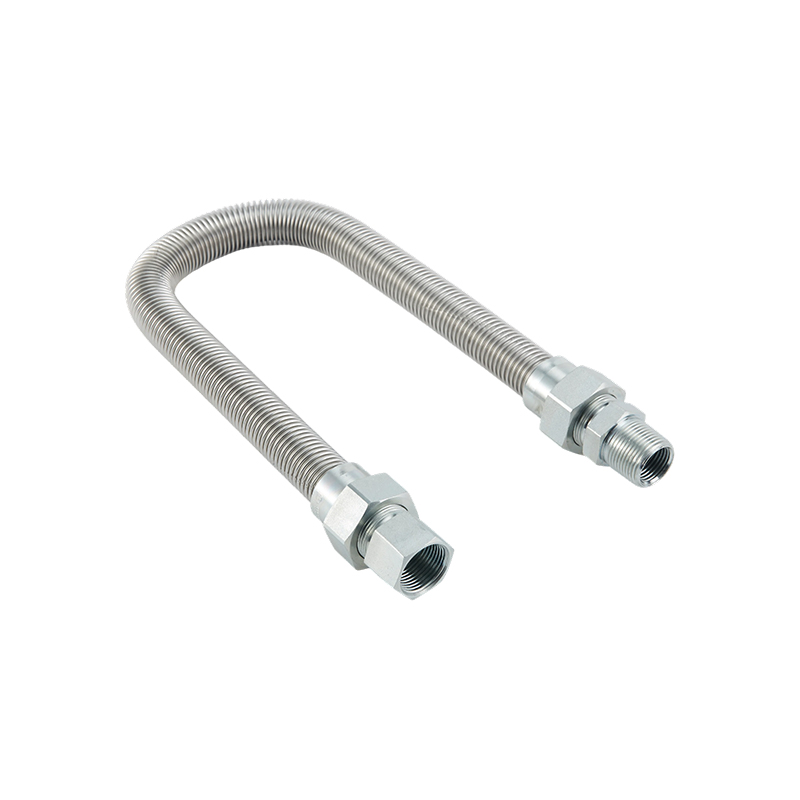
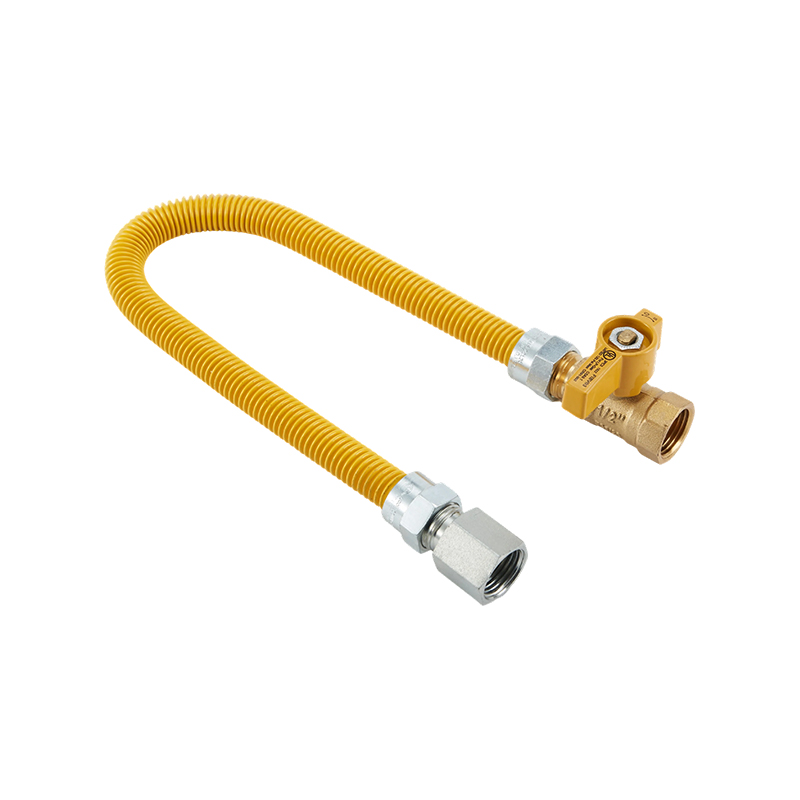
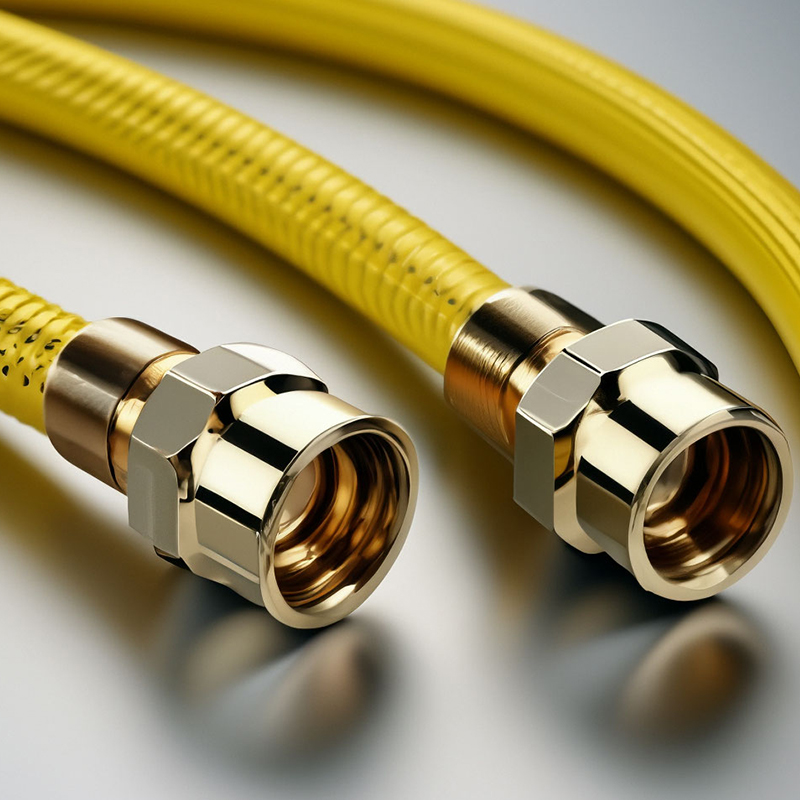
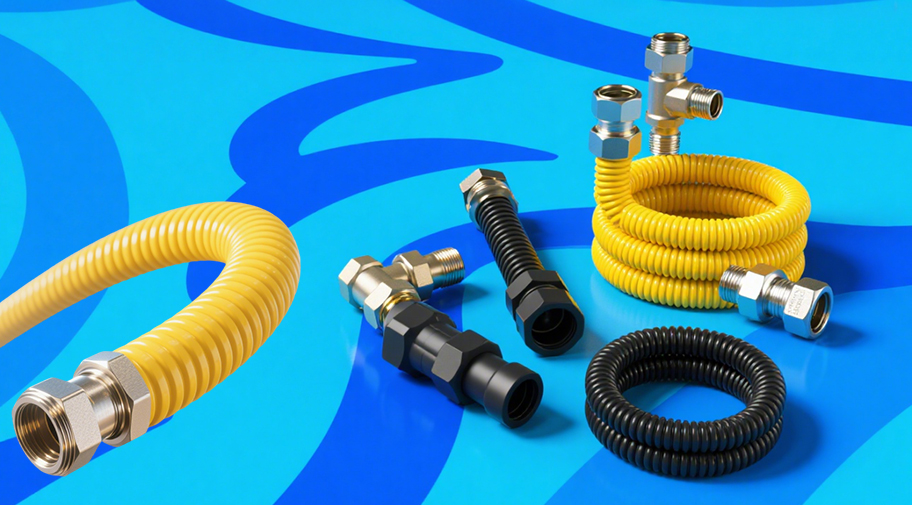
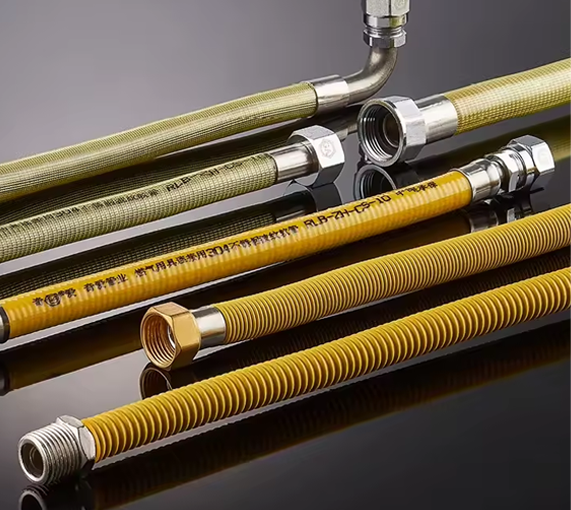
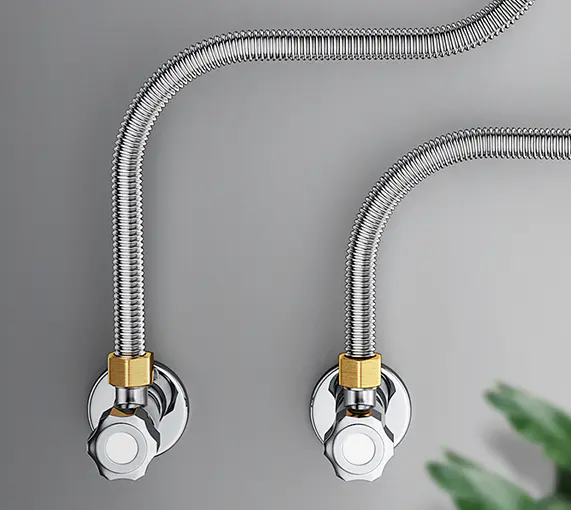
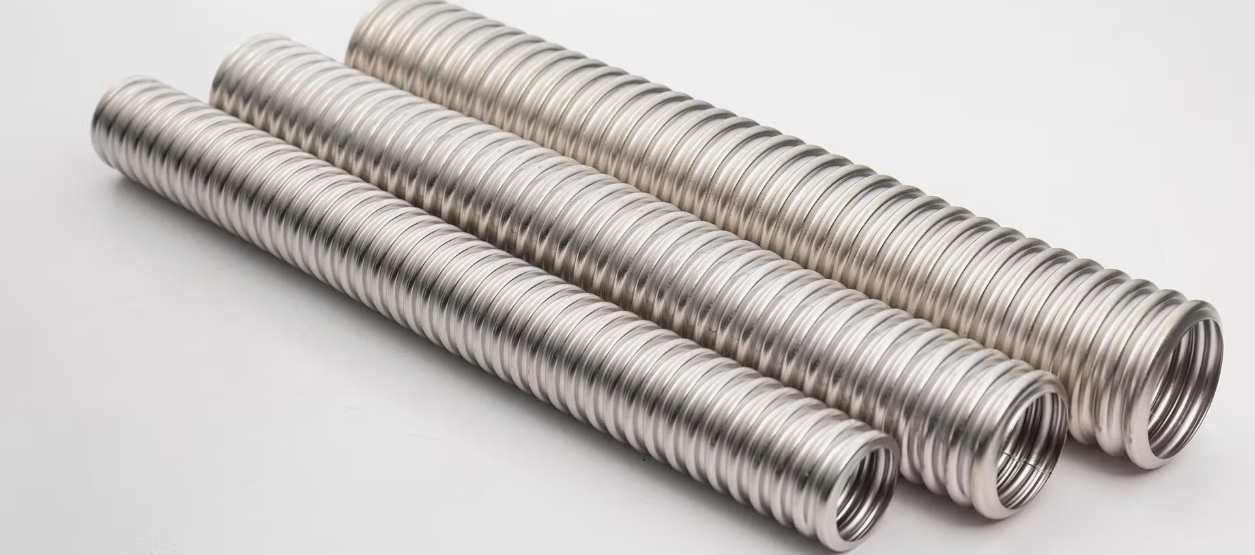
A stainless steel flexible gas hose is a type of flexible connecting pipe designed specifically for domestic, commercial, and industrial gas transportation applications. Its outer layer typically uses a stainless steel corrugated pipe structure, and it may have an inner reinforcing layer and sealing layer. It features high temperature resistance, corrosion resistance, strong flexibility, and high safety, making it an upgraded gas connection solution that replaces traditional rubber hoses. The hose material mainly uses stainless steel materials such as SUS304 and SUS316, which are superior to ordinary materials in terms of strength, toughness, and corrosion resistance, thus effectively improving safety performance during gas transportation.
The core design concept of the stainless steel flexible gas hose is "safety, durability, and flexibility." Its corrugated pipe structure can not only withstand high pressure but also bend flexibly in confined spaces such as kitchens, adapting to various installation angles of gas stoves, water heaters, and other equipment. Compared with traditional ordinary hoses, stainless steel flexible gas hoses do not lose elasticity or crack due to high temperature, oil stains, or aging. Their service life is usually more than 10 years, far exceeding that of rubber materials.
Most stainless steel gas hoses are nationally certified (e.g., CSA, CE, ISO standards) and have excellent pressure resistance and explosion-proof capabilities. The surface is precisely processed, possessing extremely high sealing and corrosion resistance, and can withstand long-term corrosion from water vapor, salt, and oil fumes in kitchen environments. Therefore, it is becoming increasingly popular in hotel kitchens, factory boiler rooms, and household gas stove installations, becoming a mainstream product in the field of gas transportation. Due to its safe and stable performance, the stainless steel flexible gas hose is considered a recommended installation component by many gas companies. It is often used with standardized connectors, such as quick connectors, threaded connectors, and elbows, to form a complete gas transportation system. The stainless steel flexible gas hose is a new type of gas transportation product that combines safety, durability, and flexibility, meeting the high-quality and high-safety requirements for gas transportation in modern homes and industrial environments.
2. The Function of Stainless Steel Flexible Gas Hoses
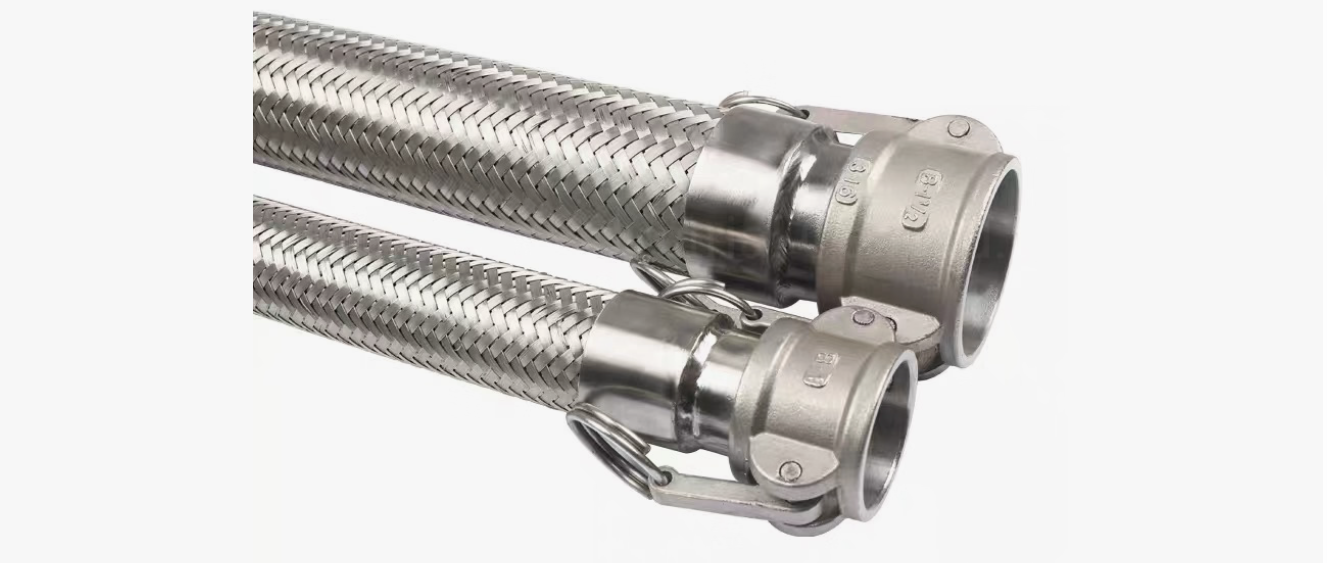
Stainless steel flexible gas hoses are primarily used for the safe transportation and connection of natural gas, but their functional value extends far beyond this. In practical use, they fulfill multiple performance requirements, providing stable, reliable, and durable connection capabilities for gas systems.
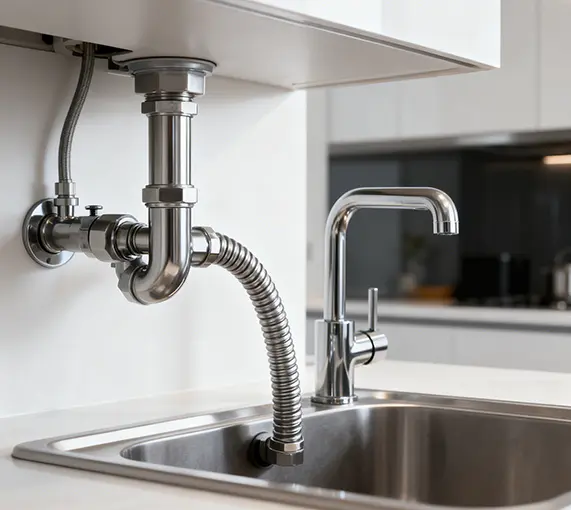
The main function of stainless steel flexible gas hoses lies in connecting gas appliances. Whether it's a household gas stove, water heater, oven, or commercial large-capacity stove and industrial burner, the stainless steel hose is responsible for safely connecting the main gas valve to the appliance interface, ensuring stable and uninterrupted gas supply. Due to its excellent flexibility, it effectively solves problems such as limited installation space and complex pipe angles, thus ensuring that equipment can be installed in a reasonable location without spatial constraints.
Stainless steel flexible gas hoses effectively enhance the safety of the gas transportation process. Traditional rubber hoses are prone to cracking or loosening due to high temperatures, oil stains, and aging, leading to gas leakage risks. Stainless steel flexible gas hoses have significantly higher corrosion resistance, high-temperature resistance, and explosion resistance than rubber materials. Especially in high-humidity, high-oil, and high-temperature kitchen environments, stainless steel materials can maintain stable strength, reducing the possibility of gas leakage. In addition, it also has an anti-vibration effect, which can buffer the slight vibrations generated during the operation of gas equipment, reducing stress at the connection points, thereby extending the overall lifespan of the equipment and piping system. For example, gas water heaters generate pulsating pressure and vibration during startup; stainless steel flexible gas hoses can effectively absorb these vibrations, preventing hard pipe breakage or loose connections.
The function of stainless steel flexible gas hoses is not only connection, but also an important component that provides safety assurance, extends service life, and enhances installation flexibility for the entire gas system.
3. What to Pay Attention to When Using Stainless Steel Flexible Gas Hoses
Although stainless steel flexible gas hoses are highly safe, it is still necessary to follow standard operating procedures during use and installation to avoid man-made safety hazards. The following are the most important precautions during use:
Choose compliant products manufactured by reputable manufacturers. Gas hoses are specialized safety products and must be certified by relevant standards (such as CE, CSA, GB standards, etc.). When purchasing, pay attention to checking the product label, model, and certification number. Substandard hoses may have problems such as insufficient wall thickness, poor sealing, and unqualified materials, which can easily lead to safety hazards.
During installation, ensure that the connections are secure and the seals are reliable. The threaded connectors at both ends of the hose must perfectly match the gas valve and equipment interfaces. Dangerous practices such as forced connection or using mismatched connectors are strictly prohibited. During installation, Teflon tape or special sealing gaskets should generally be used, but avoid excessive wrapping to prevent poor sealing. After installation, it is recommended to perform a soap water test to check for leaks. When using stainless steel flexible gas hoses, avoid excessive stretching, sharp bending, or flattening the hose. Although stainless steel hoses are flexible, excessive stretching can damage the corrugated pipe structure, sharp bends can affect gas flow, and may even lead to pipe rupture. Therefore, the hose should maintain a natural curve and avoid forceful pulling. In addition, the hose must not be installed through walls or floors, nor should it be pressed by heavy objects, and it must not come into direct contact with range hoods, stoves, or open flames.
Furthermore, although stainless steel flexible gas hoses are durable, they still require regular inspection and replacement. Especially for hoses used for more than five years, the corrugated pipe should be regularly checked for cracks, corrosion, and deformation. If any problems are found, it must be replaced immediately. For commercial kitchens, due to the high frequency of use, it is recommended to conduct an inspection every two years to ensure safety.
Modifying, cutting, or extending the hose is strictly prohibited. Stainless steel gas hoses are sealed finished products, and any action that damages the structure will directly affect safety performance.
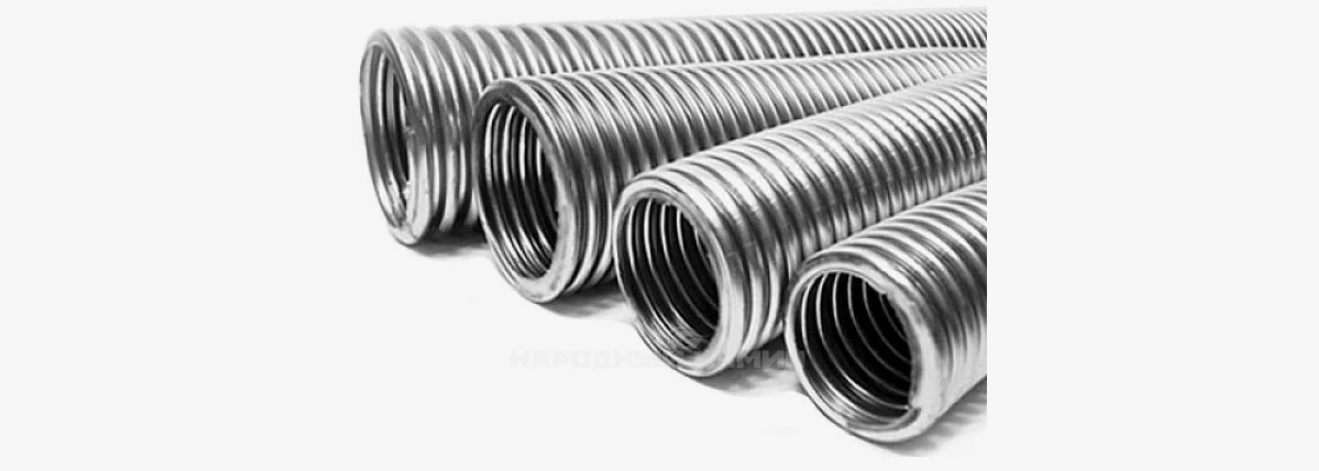
Precautions for using stainless steel flexible gas hoses:
| Category | Precautions | Rationale/Risks |
| Pre-Installation | Verify hose has gas-specific certification (e.g., EN 14800, ANSI Z21.24) | Non-certified hoses may corrode or fail under pressure, causing leaks/explosions. |
| Length | Max length ≤2 meters; avoid excessive slack or tension. | Kinks block flow; tension strains connections. |
| Bend Radius | Maintain ≥10cm natural curves; no sharp bends. | Tight bends damage corrugations, reducing lifespan. |
| Fastening | Use stainless steel clamps only (no plastic ties). | Plastic degrades; metal clamps prevent disconnection. |
| Heat Exposure | Keep >50cm from heat sources (stoves/heaters). | High temps degrade seals over time. |
| Physical Protection | Avoid contact with sharp edges; use protective sleeves in cabinets. | External abrasions can cause leaks. |
| Annual Inspection | Check connections with soap solution yearly. | Vibrations/temperature changes may loosen fittings. |
| Modifications | Never cut, extend, or replace fittings DIY. | Unauthorized alterations compromise safety. |
| Replacement | Replace every 5-10 years (even if undamaged). | Internal seals degrade invisibly. |
| Leak Response | If gas odor detected: 1. Shut valve 2. Ventilate 3. No sparks. | Ignition risks explosion. |
4. How to Install Stainless Steel Flexible Gas Hoses
Correct installation of stainless steel flexible gas hoses is a key step in ensuring the safe use of gas. Standardized installation can not only improve connection stability but also effectively reduce the probability of gas leaks. The following are detailed steps and points that require special attention during installation.
Correctly select the specifications and length of the stainless steel flexible gas hose. Household gas stoves generally use hoses about 1 meter long, while water heaters may require a length of 1.5 to 2 meters. During installation, ensure the hose is not excessively stretched and that there is no excessive slack or dangling portions. Choosing the correct model and matching connectors is the first step to successful installation.
Before installation, turn off the main gas valve to ensure a safe environment. Then, check that the threads on both ends of the hose connectors are intact and that the sealing rings are in place. Connect one end of the hose to the gas valve and the other end to the appliance interface. Avoid using excessive force during installation to prevent damage to the connectors. When tightening with a wrench, tighten moderately until there are no leaks, avoiding overtightening which can damage the threads. After installation, a leak test must be performed. The most common method is using soapy water: apply soapy water to the connectors, open the gas valve, and if bubbles appear, there is a leak. In this case, retighten or check that the sealing gasket is properly seated. If the leak persists, immediately stop using the appliance and contact a professional. Never ignore even the smallest gas leak.
During installation, confirm the hose routing, avoiding sharp bends, twists, and compression. Although stainless steel flexible hoses have good bending capabilities, the optimal bending radius should be ≥ 5 times the hose diameter. The hose must not come into contact with high-temperature objects, must not be used to bear weight, and must not be near open flames. Use fixing clips to secure the hose to the wall or cabinet to prevent movement during use.
If installing on equipment such as a gas water heater, you must also comply with the regulations of your local gas company. For example, some regions prohibit users from installing gas pipelines for water heaters themselves; this must be done by a professional. In commercial kitchen environments, installation requirements are stricter, requiring the use of special connectors and explosion-proof structures, and must pass a safety inspection before being put into use.
After installation, it is recommended to record the installation date for future regular inspections and maintenance. Correctly installed stainless steel flexible gas hoses not only ensure gas safety but also extend the overall lifespan of the equipment.
Stainless Steel Flexible Gas Hose Installation Guide:
| Step | Procedure | Tools/Materials | Safety Precautions | Inspection Criteria |
| 1. Shut Off Gas Supply | Turn off main gas valve at meter | - | Verify complete shutoff, ventilate area | Valve handle perpendicular to pipe |
| 2. Remove Old Hose | Loosen fittings with wrench, inspect pipe threads | Adjustable wrench, gloves | No sparks - use non-sparking tools | Threads undamaged, no corrosion |
| 3. Select Proper Hose | Confirm length (≤2m), thread type (NPT/BSP) matches appliance | Measuring tape, manufacturer specs | Must be certified "Gas Grade 304SS" | Markings: ISO 10380/EN 14800 compliant |
| 4. Install Anti-Disconnect Clamps | Secure stainless steel clamps at both ends | Clamp tool, 304SS clamps | Never use plastic zip ties | Tug test confirms no movement |
| 5. Connect Appliances | Attach to appliance first, then gas line (apply pipe thread tape) | PTFE tape, wrenches | Wrap tape clockwise (5-8 layers) | Natural bend, no forced alignment |
| 6. Leak Test | Apply soap solution to all connections, check for bubbles | Soapy water, brush | Absolutely no open flame testing | No bubbles for 3+ minutes |
| 7. Secure Routing | Fasten with pipe clips, maintain ≥100mm bend radius | Mounting clips, drill | Keep 50cm from heat sources | No kinks or sharp bends |
| 8. Final Check | Slowly open valve, use gas detector | Gas sniffer | Immediate shutdown if alarm triggers | Detector reads 0% LEL |
4. Analysis of Common Faults in Stainless Steel Flexible Gas Hoses
Stainless steel flexible gas hoses are widely used in home kitchens, commercial kitchens, water heaters, and industrial gas equipment due to their durability, safety, and corrosion resistance. However, any gas pipeline product may experience abnormalities during long-term use. To avoid potential hazards such as gas leaks and safety accidents, it is necessary to understand the common types and causes of these faults for timely handling.
The following is a summary of the most common faults in stainless steel flexible gas hoses during use:
(1) Gas Leakage at the Hose Connection
This is one of the most common and dangerous faults.
Gas leakage at the connection usually occurs for the following reasons:
The connector is not tightened or installed incorrectly.
The sealing ring is aged, deformed, or damaged.
The connector threads are damaged or the specifications do not match.
Too much or too little Teflon tape is used, resulting in poor sealing.
Vibration during use causes the connector to gradually loosen.
Detection method:
Apply soapy water; if obvious bubbles appear, it indicates a leak.
If there is a gas smell, immediately close the valve and investigate.
(2) Cracks or Damage to the Hose Corrugated Pipe
Although stainless steel is durable, cracks may still occur due to the following reasons:
Excessive bending over a long period, causing metal fatigue.
Crushed or impacted by heavy objects.
Long-term exposure to highly corrosive environments (such as strong acid or alkali splashes).
Scratched by sharp objects during construction.
Quality problems with the hose itself or insufficient wall thickness.
Cracks generally lead to slow gas leaks, so special attention should be paid to visual inspection during troubleshooting.
(3) Hose Deformed Due to Excessive Stretching
Although stainless steel flexible gas hoses have good flexibility, excessive stretching can lead to:
Deformation of the corrugated pipe structure.
Reduced metal strength.
Fatigue cracks during long-term use.
Loosening at the connector end.
This type of fault often occurs when the hose length is improperly selected, or the equipment position is moved, causing the hose to be forcibly stretched.
(4) Sharp bends or kinks causing poor ventilation or structural damage
Gas hoses should not have sharp bends less than 5 times the pipe diameter, otherwise it will cause:
Unstable airflow
Uneven stress on the corrugated pipe
Local material fatigue during long-term use
Cracks may even appear at some sharp bends
This is the most common problem in commercial kitchens and places with limited installation space.
(5) Corrosion due to long-term coverage of oil and dust on the hose
Commercial kitchens have a large amount of oil fumes. If not cleaned regularly, oil accumulation will cause:
Oil seeping into crevices, accelerating crevice corrosion
Surface corrosion points appearing due to long-term humid environment
Oil accumulation at the joints affecting sealing performance
Although stainless steel itself is corrosion-resistant, cleaning is still necessary in oily and high-humidity environments.
(6) Damage caused by contact with open flames or high temperatures
Stainless steel is heat-resistant, but continuous contact with excessively high temperatures can lead to:
Local annealing and softening of the hose
Surface discoloration and oxidation
Reduced strength
Risk of rupture
This is commonly seen in cases of improper installation around stoves or flame overflow from commercial stoves.
(7) Water accumulation and rust inside the hose (rare)
Stainless steel material generally does not rust internally, but if:
Water vapor enters the pipe
It is not used for a long time
There are impurities or sulfur-containing corrosive gases
Then slight pitting corrosion may occur in specific environments.
However, this type of failure is rare, but a dry environment should still be maintained.
(8) Loose or detached hose connectors
This mainly occurs in the following situations:
Unauthorized modification or incorrect connection by the user
Failure to secure fasteners during installation
Long-term vibration causing the joints to gradually loosen
Frequent movement of equipment in commercial kitchens
This is a very dangerous type of failure and can directly cause a large amount of gas leakage.
(9) Aging due to the end of the hose's service life
Even stainless steel materials have a service life.
When the hose ages, the following may occur:
The corrugated structure becomes brittle
Increased microcracks
Hardening of the joint sealing ring
Yellowing, discoloration, and loosening of the appearance
It is generally recommended to replace the hose every 5-10 years, and more frequent inspections are recommended for commercial kitchens.
(10) Improper use leading to hose kinking and knotting
Incorrect installation methods can cause the hose to twist, resulting in:
Reduced gas transmission efficiency
Uneven stress on the metal structure
Accelerated fatigue and the appearance of hidden cracks
This is the most easily overlooked hazard during use.
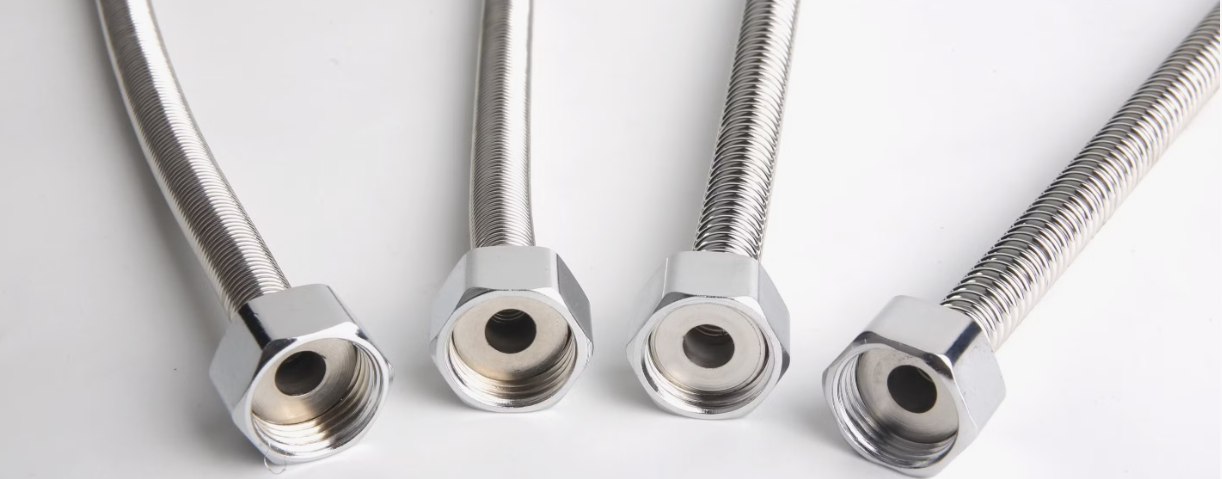
Stainless Steel Flexible Gas Hose Common Failures:
| Failure Type | Possible Causes | Risk Level | Detection Method | Solution | Prevention Measures |
| Connection Leak | 1. Seal aging 2. Misaligned threads 3. Insufficient thread tape | High | Soap bubble test | 1. Replace seals 2. Reinstall properly | 1. Use gas-rated sealant 2. Pressure test after installation |
| Hose Damage | 1. Mechanical abrasion 2. Corrosion 3. Rodent damage | High | Visual inspection | Immediate replacement | 1. Add protective sleeve 2. Avoid sharp edges |
| Deformation | 1. Over-bending 2. Heat distortion 3. Physical crushing | Medium | Touch inspection | Replace hose and correct routing | Maintain 10cm minimum bend radius |
| Flow Restriction | 1. Kinked hose 2. Blockage 3. Ice formation (winter) | Low | Pressure measurement | Clear or replace hose | 1. Proper installation 2. Winter insulation |
| Loose Fittings | 1. Vibration 2. Thermal expansion 3. Poor installation | Medium | Shake test | Retighten with anti-vibration clamp | Use vibration-resistant mounts |
| Surface Corrosion | 1. Chemical exposure 2. Moisture 3. Low-quality steel | Low | Visual/alcohol test | Polish lightly or replace | Avoid contact with cleaners |
5. How to Extend the Service Life of Stainless Steel Flexible Gas Hoses?
Stainless steel flexible gas hoses, as important connecting components in gas systems, offer advantages such as corrosion resistance, high-temperature resistance, excellent flexibility, and safety and stability. Under normal circumstances, their service life can reach 5-10 years. However, in actual use, due to factors such as environment, installation methods, and inadequate maintenance, the service life of the hose is often shortened, or even fails prematurely.
To ensure that stainless steel flexible gas hoses perform at their best and extend their service life, maintenance and upkeep should be carried out in terms of installation, use, environmental management, and maintenance.
(1) Correct Installation is the Prerequisite for Extending Service Life
The service life of stainless steel flexible hoses largely depends on the installation quality. The following principles are particularly important:
① Avoid excessive stretching or forced extension
The hose must maintain a naturally curved state.
Excessive stretching will cause fatigue in the corrugated pipe structure, leading to cracks and seriously affecting its lifespan.
② Avoid sharp bends and kinks
Generally, a bending radius ≥ 5 times the pipe diameter is recommended.
Sharp bends will cause local stress concentration on the corrugated structure, which can easily lead to damage over time.
③ Connector specifications must match
Use matching threaded connectors and gaskets, and avoid forcibly tightening or using mismatched connectors.
Incorrect connectors not only affect the seal but may also lead to premature aging of the hose.
④ Do not allow the hose to bear weight or be subjected to tensile stress
The hose cannot be used as a support; mechanical pressure, equipment weight, and periodic vibrations must be avoided from directly acting on the hose.
(2) Reduce Environmental Damage to the Hose
The operating environment has a significant impact on the lifespan of stainless steel flexible gas hoses, especially in kitchens and industrial settings.
① Avoid contact with open flames and high-temperature areas
Although stainless steel is heat-resistant, prolonged proximity to flames may lead to local annealing, discoloration, reduced hardness, or even rupture.
Maintaining a safe distance between the hose and the fire source is essential.
② Prevent long-term coverage by oil and moisture
Oil and moisture are corrosive hazards.
The accumulation of a large amount of oil fumes in commercial kitchens will accelerate corrosion, so regular wiping is necessary. ③ Avoid contact with chemicals
Cleaning agents, strong acids and bases, and oil solvents, if left in contact for extended periods, can damage the metal surface film, leading to corrosion.
④ Avoid external impact and friction
Bellows can have their lifespan shortened by being scratched by sharp objects, impacted by heavy objects, or compressed.
(3) Regular maintenance and inspection are key to extending lifespan
Even the best materials will age prematurely without proper maintenance. The following maintenance methods can significantly extend the lifespan of the hose:
① Check every 3–6 months
Check the following items:
Whether the bellows have cracks or corrosion
Whether the connectors are loose
Whether there is stretching, flattening, or twisting
Whether there is oil or dust accumulation
Whether there is a gas smell
Using soapy water to check for leaks at the connectors is also a simple and effective method.
② More frequent checks are recommended for commercial kitchens
Due to the high heat, heavy grease, and frequent use of commercial stoves, it is recommended to check every 1–3 months.
③ Replace sealing rings regularly
Some hoses have built-in rubber sealing rings, which harden or deform after prolonged use. It is recommended to replace them every 2–3 years.
④ Replace immediately if problems are found
If the stainless steel flexible gas hose shows any of the following:
Looseness
Damage
Abnormal bending
Gray-black corrosion spots
It must be stopped immediately and replaced.
(4) Use hoses of the correct length and specifications
Choosing the appropriate hose specifications can significantly extend its service life.
① The length should not be too short or too long
Too short ⇒ severe stretching, prone to fatigue
Too long ⇒ stacking, kinking, sharp bends, affecting lifespan
The best installation is a "natural bend" in an S-shape or arc.
② The specifications (diameter) must meet the equipment requirements
Using a smaller pipe diameter when the gas flow is high will cause pressure fluctuations, indirectly causing vibration and wear.
③ Use matching connectors of the same brand and standard
High-quality connectors ensure long-lasting sealing, reducing leaks and stress damage.
(5) Avoid improper human use
Many hose failures are not due to quality issues, but rather improper human operation. ① Do not modify, cut, or weld the hose yourself.
Stainless steel gas hoses are safety products; damaging their structure will completely compromise their leak-proof capabilities.
② Do not allow the hose to be frequently moved or shaken.
Moving the equipment can cause the hose to twist or loosen, especially with water heaters or small ovens.
③ The hose must not be routed through walls, floors, or embedded in walls.
This makes inspection difficult, subjects the hose to pressure, and poses a significant safety hazard.
④ Avoid contact with animals (such as pets chewing on it).
Although stainless steel is relatively hard, the outer protective layer can still be damaged.
(6) Timely replacement is the most effective way to extend its lifespan
Even the highest quality stainless steel flexible gas hoses have a limited lifespan.
Recommended replacement cycle:
Household use: Replace every 5–8 years
Commercial kitchens: Must be replaced every 2–5 years
Industrial environments: Replace every 1–3 years depending on working conditions
If the operating environment is harsh (high temperature, high humidity, high oil fumes), it is recommended to replace it earlier.
Proper replacement can prevent major risks such as cracks and leaks caused by aging.
6. Stainless Steel Flexible Gas Hose FAQ (Frequently Asked Questions)
Q1: What is a stainless steel flexible gas hose?
A1:
A stainless steel flexible gas hose is a pressure-resistant, corrosion-resistant, and highly flexible metal hose used to connect gas appliances to gas pipelines. It typically consists of a stainless steel corrugated tube, an outer corrosion-resistant protective mesh (optional), and sealing connectors. Compared to traditional rubber hoses, it has higher temperature resistance, a longer service life, and stronger resistance to bursting and tensile stress, and is widely used in household gas, commercial kitchens, and industrial settings.
Q2: What are the main advantages of stainless steel flexible gas hoses?
A2:
Good high-temperature resistance: Can withstand brief exposure to flames without easily melting or being damaged.
Strong corrosion resistance: Stainless steel material is not easily corroded by oil stains or moisture.
Long lifespan: Normal service life can reach more than 10 years.
Good flexibility: Can be flexibly installed in confined spaces.
High safety: Resistant to stretching and pressure, not prone to cracking or gas leaks.
Q3: What are the differences between stainless steel flexible gas hoses and ordinary rubber hoses?
A3:
The main differences are as follows:
Material: Stainless steel vs. rubber.
Lifespan: Stainless steel can last up to 10 years, while rubber usually lasts 18–24 months.
Safety: Stainless steel is resistant to aging and less prone to bursting; rubber is prone to aging and cracking.
Installation method: Stainless steel hoses are usually equipped with threaded connectors, which are more secure; rubber hoses are mostly snap-on type.
High-temperature resistance: Stainless steel is far superior to rubber hoses.
Therefore, stainless steel flexible gas hoses are more suitable for long-term use and environments with higher safety requirements.
Q4: How long is the service life of a stainless steel flexible gas hose?
A4:
Under correct installation and usage conditions, the design life of a stainless steel flexible gas hose is usually 8–15 years, depending on the usage environment, material grade, installation method, and maintenance.
Q5: Can stainless steel flexible gas hoses be used outdoors? A5:
Yes, but please note the following:
Use models with a protective outer layer, such as a PVC coating or metal braided mesh.
Avoid prolonged exposure to sunlight and rain.
Avoid excessive bending during installation.
For outdoor use, additional support and fixing are required to prevent wind-induced swaying and metal fatigue.
Q6: Does the stainless steel flexible gas hose need to be replaced regularly?
A6:
Yes. Although its lifespan is longer than rubber hoses, for safety reasons, it is recommended to:
Inspect it once a year.
Replace it every 8–10 years.
Replace it immediately if any abnormalities occur (rust, wear, deformation, gas leak).
Q7: What situations indicate a potential problem with the hose?
A7:
Common signs include:
Obvious rust or discoloration on the hose surface.
Gas leakage at the connector.
Deformation of the hose after being struck by external force.
Unusual gas odor during use.
The hose becomes brittle or does not bend smoothly.
If any of the above occurs, stop using it immediately and inspect it.
Q8: How to properly install a stainless steel flexible gas hose?
A8:
The correct installation steps are as follows:
Confirm that the hose length and connector size are compatible.
Connect the threaded connector to the gas valve or equipment interface.
Tighten appropriately with a wrench, but avoid excessive force to prevent damage to the seal.
After installation, perform a soap water leak test to confirm there are no leaks.
The hose should not be bent, stretched, or left hanging freely.
If you are unsure about the installation process, contact a professional gas technician.
Q9: Can stainless steel flexible gas hoses be reused?
A9:
It is not recommended.
The seal may be damaged or the connector deformed during disassembly, and reuse may lead to a risk of gas leakage. Especially for natural gas and liquefied petroleum gas applications, where safety requirements are high, a new hose should be used after each disassembly.
Q10: Can stainless steel flexible gas hoses withstand high temperatures?
A10:
Stainless steel flexible hoses can usually withstand temperatures ranging from -20°C to 200°C, and can withstand higher temperatures for short periods. However, direct contact with open flames or prolonged exposure to high-temperature environments should still be avoided, as this may reduce the service life.
Q11: How to clean and maintain stainless steel flexible gas hoses?
A11:
Wipe with a dry cloth or a slightly damp cloth.
Avoid using acidic or alkaline cleaning agents.
Regularly check if the hose is covered with grease or oil, which can cause corrosion.
Avoid placing the hose near open flames or high-temperature areas such as oil pans.
Long-term accumulation of oil will accelerate surface oxidation, so regular cleaning is necessary.
Q12: What are the precautions when installing stainless steel flexible gas hoses?
A12:
Do not stretch or excessively twist the hose.
Do not allow the hose to bear the weight of the appliance.
Do not run the hose through walls or cabinet holes (unless using a protective pipe).
Do not allow the hose to come into contact with sharp objects.
Do not modify the connectors or extend the hose yourself.
Violating these rules may lead to gas leaks or metal fatigue and rupture.