




 English
  Español
  русский


With the increasing reliance of modern homes and commercial establishments on natural gas, liquefied petroleum gas, and other energy sources, gas connectors have become an indispensable and critical component in gas systems. They not only connect gas pipelines to appliances but also play a crucial role in operational safety, gas flow stability, and user experience. For many users, choosing the right gas connector and knowing how to use and maintain it correctly are important concerns.
This article will guide you through understanding gas connectors from multiple perspectives, helping you make more informed, safe, and efficient choices when purchasing and using them.
1. What is the function of a gas connector? Why is it indispensable?
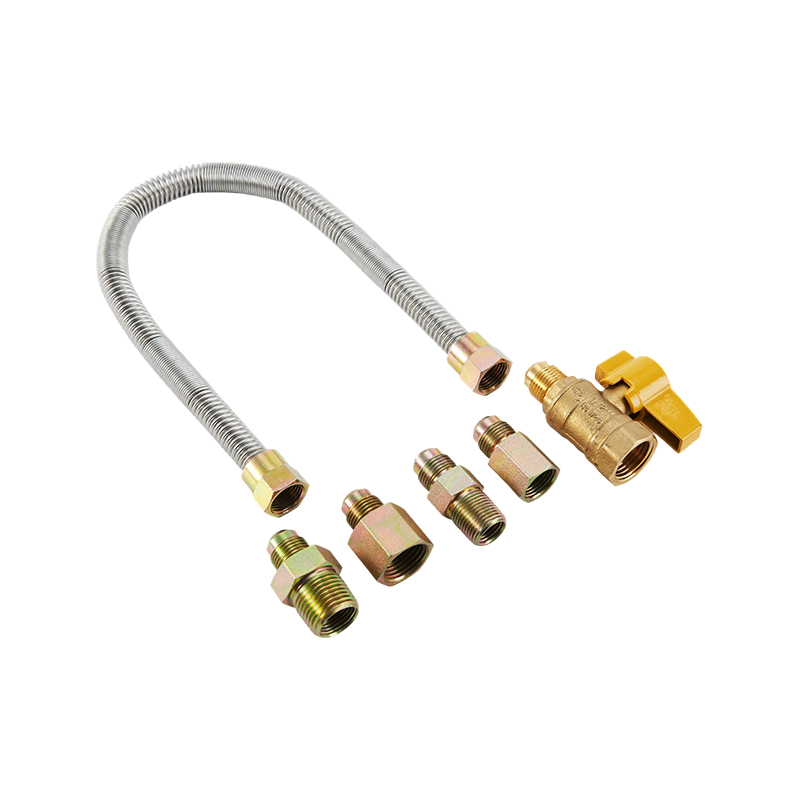
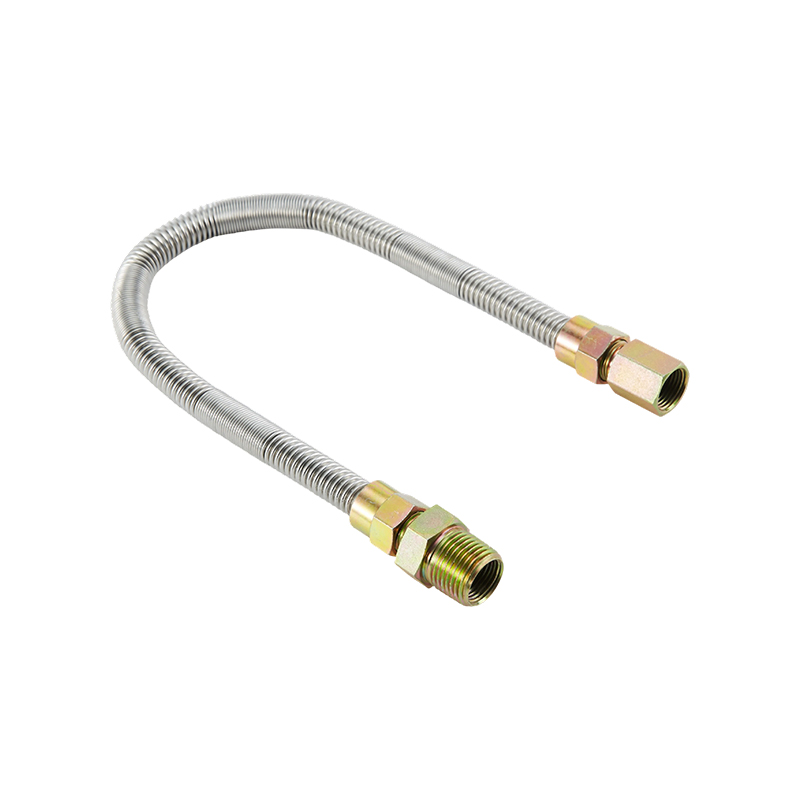
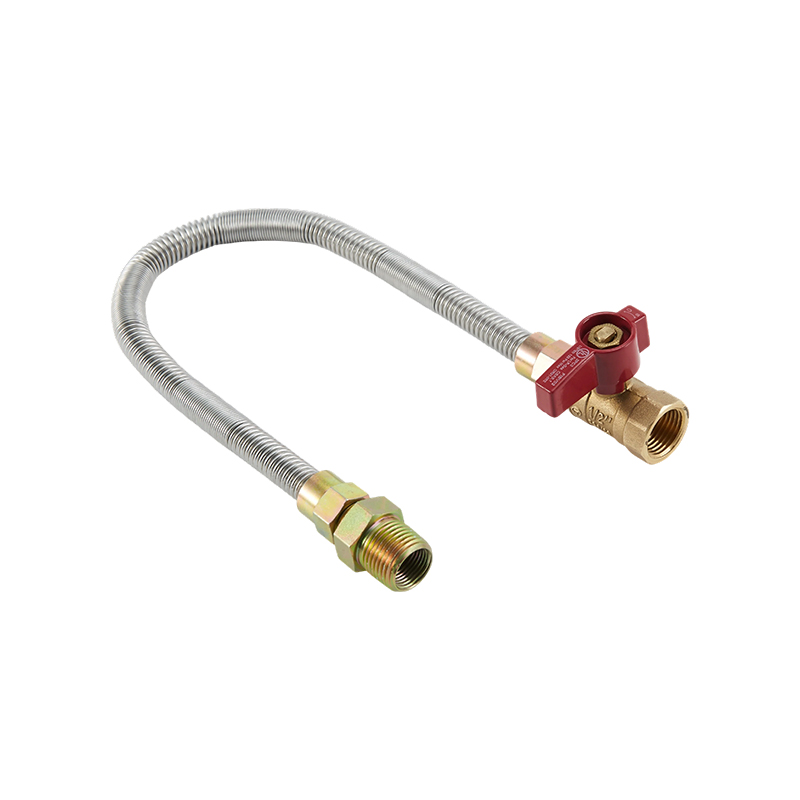
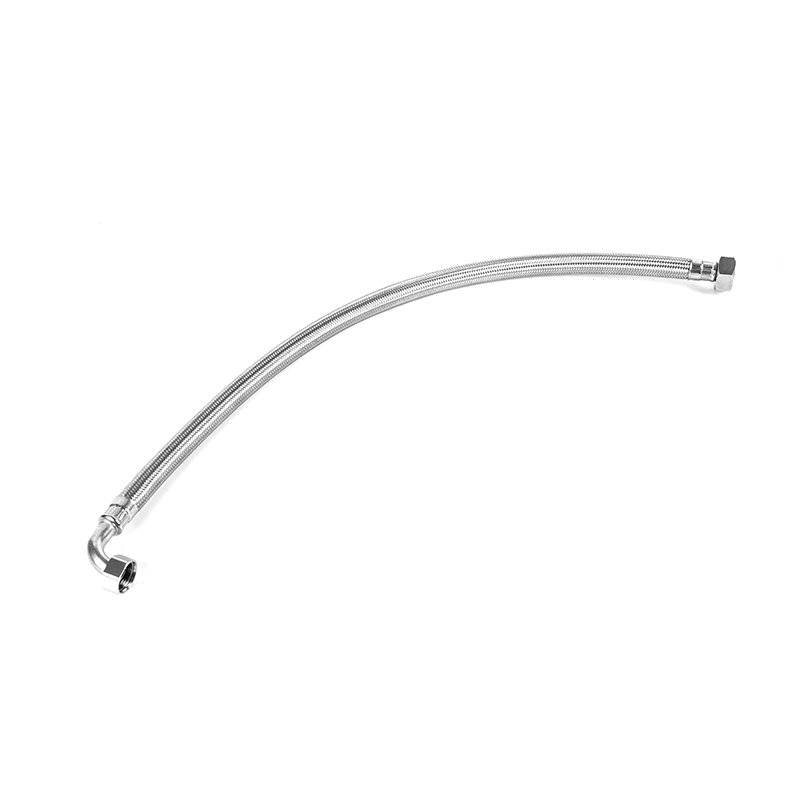
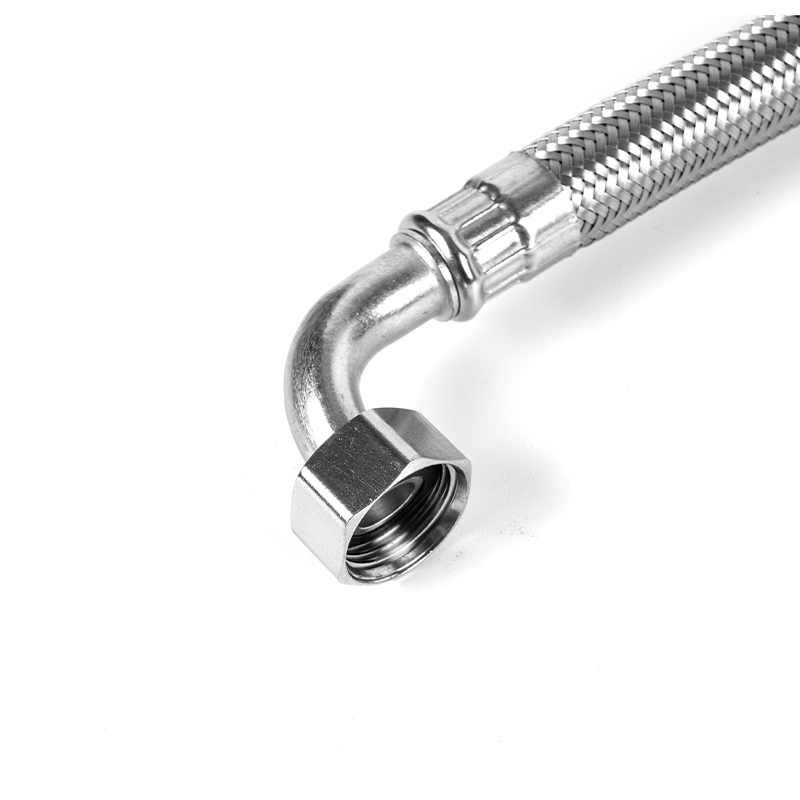
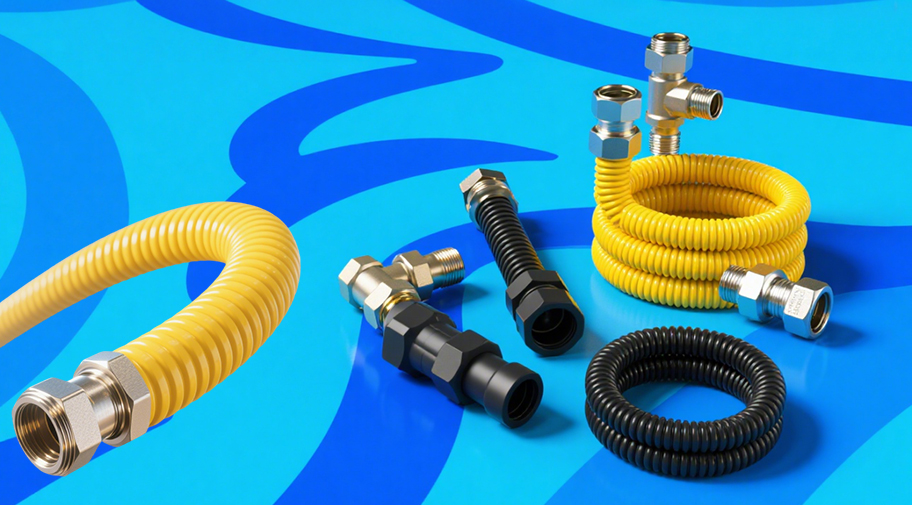
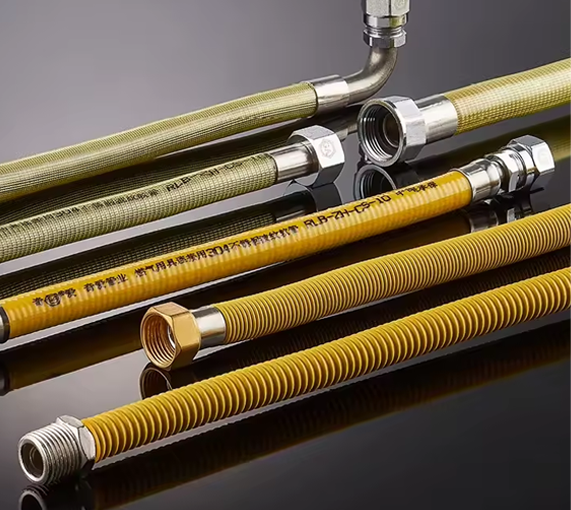
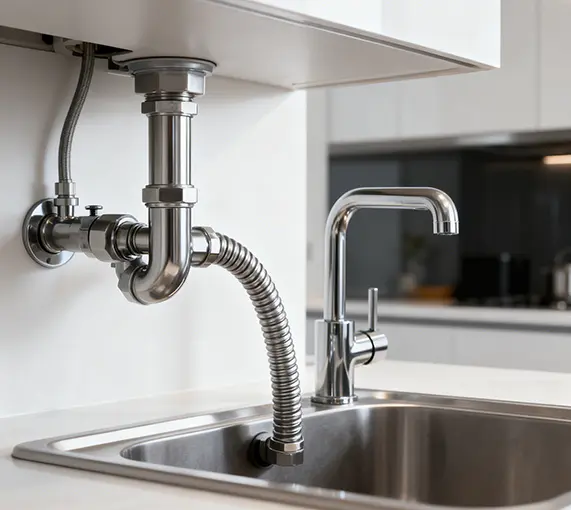
A gas connector is a flexible metal pipe or composite hose used to connect the main gas supply line to terminal equipment (such as gas stoves, water heaters, ovens, gas dryers, etc.). Its function may seem simple, but in practical applications, it performs several critical tasks:
(1) Ensuring the continuity and stability of gas delivery
Gas connectors are flexible, adapting to slight changes in equipment position and preventing excessive stress or breakage of pipelines caused by rigid connections.
(2) Improving the safety of gas use
High-quality gas connectors typically feature:
High-pressure resistance
Corrosion resistance
Anti-pull-out design
Leak-proof sealing design
This is the foundation of safe operation of the gas system.
(3) Enhancing installation convenience
The flexible hose structure simplifies the installation process of gas appliances, saving labor costs and adapting to various spatial configurations.
(4) Reducing the risk of accidents
For example, in a kitchen, equipment may move slightly, vibrate, or be affected by external forces. Flexible connectors can effectively absorb these micro-movements, reducing the likelihood of leaks.
From home use to commercial kitchens, from ordinary gas stoves to industrial gas equipment, the importance of gas connectors is as crucial as core components in water and electricity systems, and absolutely cannot be overlooked.
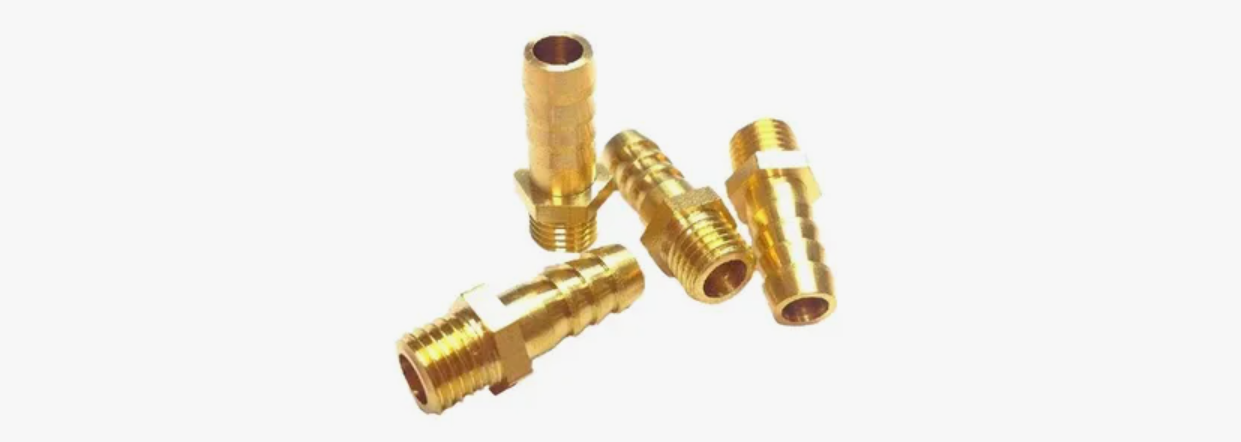
2. Why are more and more users choosing high-quality gas connectors?
With increased safety awareness, the choice of gas connectors has become particularly important. High-quality gas connectors are popular for several reasons, including:
(1) Higher safety standards
New gas pipe standards place greater emphasis on explosion protection, pull-out resistance, aging resistance, and temperature resistance. High-quality products use double or even multi-layered structures to ensure a longer lifespan.
(2) Compatibility with various gas appliances
A good connector can be adapted to a variety of different appliances, reducing the frequency of replacements.
(3) Significantly improved durability
Traditional rubber hoses have a shorter lifespan, while modern stainless steel corrugated gas connectors are highly corrosion-resistant and typically last for many years.
(4) Better meets the aesthetic needs of modern homes
They have a more modern appearance and neater wiring, contributing to the overall aesthetics of the kitchen.
A gas connector is not just a hose; it's crucial for safety and user experience.
3. Advantages and Features of Gas Connectors
To help you better understand the value of gas connectors, the following table shows common material types and their characteristics:
| Type | Material | Advantages | Applications | Lifespan |
| Metal Corrugated Hose | 304/316 Stainless Steel | High pressure/temperature resistance, anti-corrosion, safest | Residential, commercial, industrial | 5–10+ years |
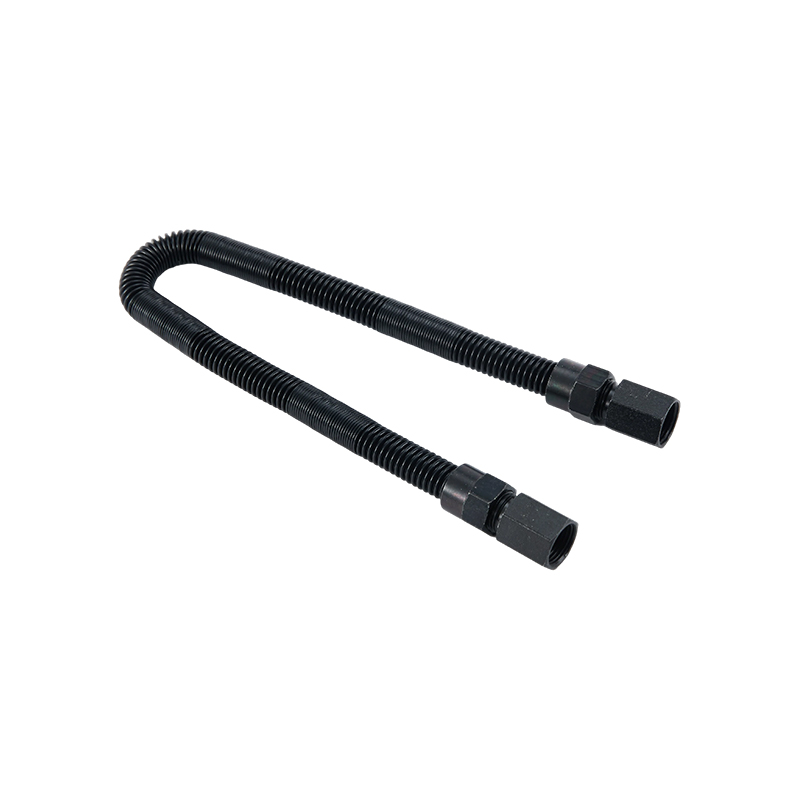
| PVC-Coated Metal Hose | Metal core + PVC sheath | Aesthetic, oil-resistant, easy to clean | Home kitchens, water heaters | 5+ years |
| Rubber Gas Hose | Nitrile Rubber (NBR) | Low cost, flexible, easy installation | Temporary/old stoves (not recommended) | 1–3 years (replace often) |
| Copper Gas Tube | Copper | Superior corrosion resistance, durable | Industrial/high-stability systems | 10+ years |
4. Core Advantages of Gas Connectors
Natural gas is widely used as an efficient energy source, and the safety of gas systems has always been a key concern for users. Among the many gas fittings, gas connectors, though seemingly inconspicuous, play a crucial role in gas transmission and safety. A high-quality gas connector not only improves the efficiency of gas equipment but also reduces the risk of gas leaks, providing greater safety for daily life.
(1) High Safety: Triple Protection Against Leaks, Disconnection, and Corrosion
Safety is the core advantage of gas connectors. High-quality gas connectors typically use materials such as stainless steel corrugated pipes, high-temperature resistant rubber, and PVC-coated metal hoses, which possess the following safety features:
① Multi-layer structure, strong sealing
Modern gas connectors employ multiple sealing processes, such as crimp sealing, threaded sealing, and leak-proof gaskets, effectively preventing leakage risks caused by aging, vibration, or improper installation.
② Anti-disconnection design, resistant to external forces
Compared to traditional rubber hoses that are easily pulled off or broken, stainless steel corrugated gas connectors are highly durable. Even with slight movement or pulling force on the equipment, they will not easily detach, making them suitable for environments with frequent operation, such as kitchens and commercial stoves.
③ High pressure and corrosion resistance
Natural gas is under a certain pressure, and the operating environment may present challenges such as humidity, oil stains, and temperature differences. The corrosion resistance of stainless steel connectors effectively extends their service life and reduces safety hazards.
The greatest value of gas connectors lies in ensuring stable and reliable gas transportation, without leaks, disconnections, or deformation, which is the main reason why they have become a standardized configuration in the industry.
(2) High Flexibility and Easy Installation: High Adaptability to Multiple Scenarios
Traditional rigid gas pipes are often limited in installation and use, while the design of flexible gas connectors effectively improves this, making gas equipment installation more flexible, safe, and reliable.
① Free bending, unrestricted by space
Whether under kitchen cabinets, in water heater corners, or in complex commercial kitchen spaces, gas connectors can adapt to various installation environments through flexible bending, avoiding situations where rigid pipes cannot adapt to angles. ② Faster and more efficient installation
Compared to rigid piping that requires welding and fixing, gas connectors allow for quick connection to equipment interfaces, significantly reducing installation time and minimizing subsequent risks caused by improper installation.
③ Compatible with various gas appliances
Including but not limited to:
Household gas stoves
Gas water heaters
Commercial cooking equipment (wok stoves, ovens, steamers, etc.)
Industrial gas equipment
Dual-fuel (natural gas and LPG) equipment
Its wide compatibility makes gas connectors a universal solution for both residential and commercial settings.
(3) Durable: Long-life design reduces maintenance costs
The high durability of gas connectors is another major advantage. Especially stainless steel corrugated gas connectors, whose materials and manufacturing process allow them to operate stably for extended periods in high-temperature, humid, and vibrating environments.
① Strong anti-aging ability
Compared to rubber hoses that need to be replaced every 1-3 years, stainless steel gas connectors have a service life of 5-10 years or even longer, reducing the hassle of frequent replacements.
② Strong fatigue resistance, not easy to break
The corrugated structure gives the connector strong resistance to bending and vibration, reducing damage caused by metal fatigue.
③ Simple maintenance, safe to use
Only requires periodic checks for loose connections, resulting in very low overall maintenance costs, making it ideal for long-term household use.
(4) High adaptability and compatibility: Meeting various pressure and gas type requirements
Modern gas connectors are designed with the needs of different users in mind, offering excellent compatibility:
① Supports multiple energy sources such as natural gas, LPG, and manufactured gas
Whether it's city gas or rural gas, the same type of flexible hose can be used.
② Multiple interface specifications available
Such as:
G1/2
G3/8
Quick-connect interface
Screw-on interface
Anti-pull-out buckle interface
Can be matched according to the interface type of the gas stove or water heater.
③ Available in different lengths
From 0.5 meters to 2 meters or even longer custom lengths, meeting the needs of different scenarios.
(5) Better suited to modern kitchen needs: Combining aesthetics and safety
With the increasing trend towards sophisticated modern kitchens, gas connectors are also evolving towards aesthetics and ease of cleaning:
PVC-coated hoses are easier to clean and less prone to grease buildup.
Stainless steel offers an attractive and elegant metallic finish.
The flexible design makes the kitchen neater and less cluttered.
The components are well-concealed, making them suitable for fully integrated kitchen appliances.
It can be said that gas connectors have become a standard feature in modern kitchen design.
5. How to Maintain Gas Connectors? Proper maintenance is more important than selection
Gas connectors usually don't easily malfunction, but proper use and maintenance are crucial; otherwise, even the best product can pose risks.
Here is a professional maintenance guide:
(1) Regularly check for aging or corrosion
Check at least every 6–12 months for:
Cracks
Corrosion points
Unusual odors
Loose connections
Discoloration of the hose
Replace immediately if any problems are found.
(2) Avoid pulling, folding, or heavy objects
Gas connectors should be kept in their natural state, avoiding sharp bends or being pressed against cabinet edges.
(3) Installation must be performed by professional personnel
Improper installation is one of the main causes of leaks.
(4) Avoid contact with oil and high-temperature components
Especially in kitchen environments, avoid the hose directly touching flames or oven walls.
(5) Use soapy water to test for leaks
Never use an open flame to check; soapy water is the safest testing method.
Gas Connector Maintenance Checklist:
| Maintenance Category | Key Actions | Frequency | Tools/Methods | Safety Notes |
| Visual Inspection | Check for cracks, rust, dents, or deformations on hoses/fittings. | Monthly | Flashlight, magnifying glass | Replace if any damage is found. |
| Leak Detection | Test connections with soapy water or electronic gas detector (bubbles = leak). | Every 3–6 months | Soap solution, gas leak detector | Never use open flame to check for leaks. |
| Connection Tightness | Ensure fittings are snug (hand-tight + ¼ turn with wrench). Avoid over-tightening. | Annually | Adjustable wrench | Over-tightening may damage threads. |
| Hose Integrity | Inspect for brittleness, kinks, or wear (especially rubber hoses). | Every 6 months | Physical touch, visual check | Replace hoses every 3–5 years (or per OEM). |
| Cleanliness | Wipe away grease, dirt, or debris; ensure vents are unobstructed. | Quarterly | Damp cloth, mild detergent | Avoid abrasive cleaners that may damage seals. |
| Regulator & Valve Check | Verify pressure regulator function and valve smoothness. | Annually | Manometer (if applicable) | Hire a professional if irregularities occur. |
| Ventilation Audit | Confirm adequate airflow around connectors to prevent overheating. | Annually | Observe clearance (≥6 inches from heat sources) | Poor ventilation risks gas accumulation. |
| Compliance Verification | Ensure connectors meet local codes (e.g., ANSI Z21.24, EN 14800). | During installation | Manufacturer certification labels | Non-compliant parts may void insurance. |
| Professional Inspection | Schedule a certified technician for thorough system review. | Every 1–2 years | Thermal imaging, pressure tests | Critical for commercial/industrial systems. |
6. How to properly install a gas connector?
The safety of the gas system is one of the most important aspects of home safety, and the correct installation of the gas connector is a crucial step. Whether you are using a gas stove, water heater, wall-mounted boiler, or commercial cooking equipment, a properly installed gas connector can effectively prevent problems such as gas leaks, disconnections, and hose aging, ensuring the efficient and stable operation of your gas equipment.
(1) Preparation before installation
Thorough preparation before installing the gas connector can effectively prevent accidents or errors during the installation process. The following steps are very important:
① Check if the gas connector product itself is intact
Confirm that the connector has no the following problems:
No cracks, flattening, or deformation on the hose surface
No breakage or rust on the stainless steel corrugated pipe
No damage to the interface threads
The sealing gasket is intact and undamaged
If any abnormalities are found, replace it with a new one immediately and do not attempt to install it.
② Verify that the gas interface specifications match
Common specifications include: G1/2, G3/8, snap-on type, anti-pull-off type, etc.
It must be ensured that:
The gas meter, gas stove, or water heater interface matches the connector specifications
The thread direction, size, and sealing method all correspond
Avoid the risk of gas leaks due to incompatible interfaces.
③ Close the gas valve and ensure a safe environment
Before installation, be sure to close the main valve and ensure that there are no open flames or smoking indoors, and maintain good ventilation.
If it is a commercial kitchen, all related equipment should be stopped in advance.
(2) Correct Installation Steps for Gas Connectors
The following is a standard gas connector installation process, applicable to natural gas, LPG, and most household and commercial equipment:
① Ensure the gasket is in the correct position
Some connectors use a gasket design. Before installation, check that the gasket is in the correct position to prevent leaks after installation.
② Secure one end of the connector to the gas valve outlet
Recommended tightening sequence:
First, tighten the connector by hand.
Then, use an adjustable wrench to tighten it moderately.
Note:
Do not overtighten, as this may damage the threads or sealing structure.
If the connector is a quick-connect type, ensure the buckle is fully locked.
③ Connect the other end to the gas appliance interface
Connect the other end of the connector to the gas stove, water heater, or other equipment, and repeat the "hand tightening + tool tightening" steps described above.
Ensure the connector is oriented correctly and do not forcibly twist the hose, causing deformation.
④ Check the connection status and hose routing
After installation, ensure that:
The connector is not twisted or kinked.
It is not compressed under cabinets or equipment.
The bending radius is reasonable, avoiding sharp bends.
The gas connector should maintain a natural curve to extend its service life.
⑤ Perform a comprehensive check before opening the valve
Reconfirm that:
All connections are tightened.
The gasket is not missing.
The hose is not under tension and is not being crushed by heavy objects.
Only open the gas valve after ensuring a safe environment.
(3) Post-Installation Inspection and Leak Testing
After the gas system is installed, a leak test must be performed. This is the most critical step in ensuring safety.
① Soap water test (most common method)
Apply a small amount of soapy water to the connection points. If continuous bubbles appear, it indicates a leak.
If a leak is detected:
Retighten the connection.
Check if the gasket is damaged.
Replace the connector if necessary.
It is strictly forbidden to use matches, lighters, or other methods to detect leaks.
② Check the connector status
Observe whether the hose is:
Bent unnaturally
Under excessive tension
In contact with a heat source (such as the heating area at the bottom of the stove)
If there are any problems, adjust or reinstall as needed.
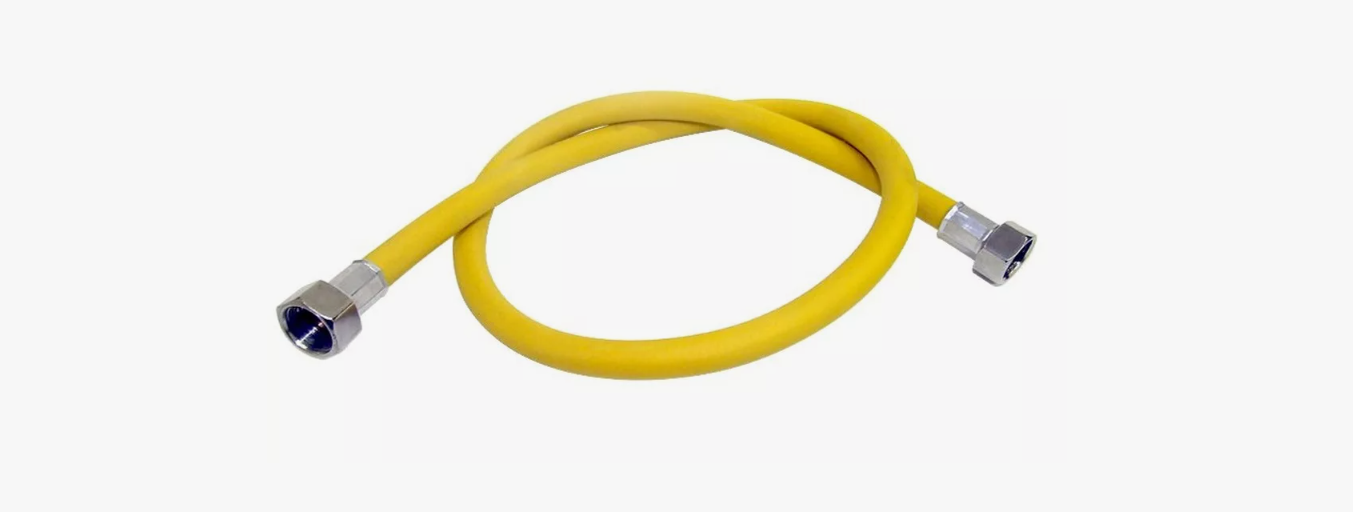
(4) Key Considerations During Installation
To ensure long-term safe use, the following precautions must be observed during installation:
① Do not bury the connector in the wall or in a confined space.
Gas connectors must remain visible and accessible for inspection; they should not be used in concealed installations.
② The hose must not come into contact with open flames or high-temperature areas.
Although stainless steel is heat-resistant, continuous high temperatures will still cause it to age.
③ Do not use multiple connectors to extend the length.
If extension is necessary, a dedicated extension pipe should be used and installed by a professional.
④ It is recommended to inspect the connector every 12 months.
If there are signs of corrosion, aging, or gas leaks, replace it immediately.
⑤ Those unfamiliar with gas operations should have a professional install the connector.
This is especially important for equipment such as water heaters and commercial stoves, to avoid risks caused by improper operation.
(5) Common Risks of Incorrect Installation
Incorrect installation of gas connectors can lead to the following dangers:
Gas leaks → easily leading to poisoning or explosion
Hose detachment → extremely high risk of large amounts of gas escaping
Loose connections → more prone to leaks during long-term use
Hose under pressure or bent → shortens lifespan and leads to cracking
Therefore, correct installation is not only a technical operation but also a matter of safety responsibility.
Gas connectors may seem simple, but their installation directly affects the safety of homes and commercial premises. By strictly following the standard installation procedures and conducting regular inspections, the risk of gas leaks can be significantly reduced, ensuring the safe and stable operation of gas equipment.
7. What are the differences between stainless steel gas connectors and rubber hoses? Which is better?
In home and commercial gas systems, the hoses connecting gas stoves, water heaters, wall-mounted boilers, and other equipment are crucial. The two most common types of gas connections on the market are stainless steel gas connectors and rubber hoses. Many users often ask: What are the differences between these two products? Which is safer?
(1) Basic Definitions of Stainless Steel Gas Connectors and Rubber Hoses
Stainless Steel Gas Connectors
Typically composed of stainless steel corrugated pipes, a sealing layer, and interface fittings, they possess high flexibility and strong pressure resistance. They are designed to provide stable and safe gas delivery and have stronger corrosion resistance and tensile strength. They are currently the mainstream and recommended connection method.
Rubber Gas Hoses
A traditional gas connection method, mostly made of rubber or PVC material. They are highly flexible, but their pressure resistance and corrosion resistance are relatively weak. Most regions require rubber hoses to be replaced regularly (usually every 1-3 years), and they are also less resistant to pulling and biting damage.
(2) Safety Comparison: Which has a lower risk of gas leaks?
① Stainless steel gas connectors are safer
Due to their metal structure, the risk of leakage is far lower than that of rubber hoses, and some models are designed as one-piece molded units, resulting in higher sealing performance. Many regional gas companies mandate the use of metal connecting pipes.
Stainless steel safety advantages:
Extremely low probability of leakage
Will not be bitten through by rodents
Strong tensile strength
Less affected by high temperatures, will not soften or melt
② Rubber hoses have higher risks
Rubber hoses generally have problems such as short service life, easy aging, and easy softening when heated. Once a crack occurs, it can lead to gas leakage, posing a serious safety hazard.
Common safety problems:
Cracks due to aging
Chewed by pets
Loosening after pulling
Loose connections leading to gas leaks
(3) Service Life Comparison: Which is more durable?
Stainless steel gas connectors generally have a lifespan of 10-20 years
The metal material is corrosion-resistant, pressure-resistant, and temperature-resistant. Under normal use, it can maintain stable performance for more than ten years without deformation. Rubber hoses have a lifespan of only 2-3 years.
Rubber naturally ages over time and requires frequent replacement, and the risk increases in the later stages of use.
(4) Installation and Flexibility Comparison: Which is more convenient?
① Stainless steel corrugated pipes are more flexible and can be bent freely.
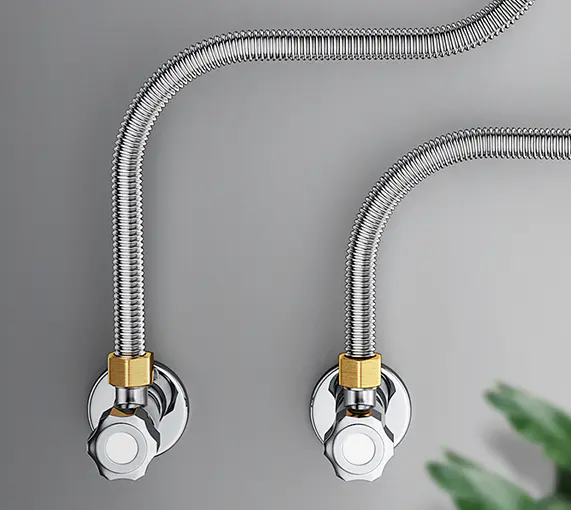
Many people mistakenly believe that metal pipes are not easy to bend, but the corrugated design is very flexible and can be easily bent into "U-shapes," "S-shapes," etc., without affecting gas flow.
② Rubber hoses are flexible but have more limitations.
Although rubber hoses are also flexible, they should not be excessively bent or flattened, otherwise they are easily damaged or cause gas blockage.
In terms of flexibility, both have advantages, but stainless steel corrugated pipes have stronger resistance to bending and deformation.
Stainless Steel Gas Connector vs Rubber Hose Comparison:
| Feature | Stainless Steel Gas Connector | Rubber Gas Hose |
| Material | 304/316 stainless steel corrugated tube | Nitrile rubber (NBR) with fiber reinforcement |
| Safety | Anti-aging, heat resistant (-30°C~150°C), rodent-proof | Prone to aging, heat sensitive (≤70°C), vulnerable to damage |
| Pressure Resistance | High (≥0.4MPa), suitable for high-pressure systems | Low (≤0.1MPa), for low-pressure appliances only |
| Lifespan | 5-10+ years | 1-3 years (requires frequent replacement) |
| Installation | Requires professional tools and sealing | Plug-and-play, easy installation |
| Applications | Residential/commercial/industrial use | Limited to low-pressure household stoves |
| Durability | Impact-resistant, explosion-proof | Vulnerable to cuts, oil damage, and pets |
| Eco-Friendliness | Recyclable, non-polluting | Releases micro-particles when aging |
|
Cost |
Higher initial cost (15−15−50) | Cheap (3−3−8 per hose) |
8. Gas Connector FAQ (Frequently Asked Questions)
(1) What is a gas connector?
A gas connector is a flexible pipe used to connect the main gas line to gas appliances (such as gas stoves, water heaters, ovens, etc.). It ensures stable and safe gas delivery without leaks. Common types of gas connectors include:
Stainless steel corrugated pipes
Armored metal hoses
Rubber connecting hoses
Copper connecting pipes
Among these, stainless steel gas connectors are currently the most popular choice due to their high safety and long lifespan.
(2) What are the main functions of a gas connector?
The main functions of a gas connector are as follows:
Safe gas delivery, preventing leaks
Providing a flexible connection, allowing for easy movement of the stove or appliance
Providing shock absorption and cushioning, reducing stress caused by rigid pipes
Adapting to various types of gas appliances
Improving installation flexibility and compatibility
If the connector is of substandard quality or improperly installed, it can easily lead to safety hazards.
(3) Are stainless steel gas connectors better than rubber hoses?
Yes, overall, stainless steel connectors are superior.
| Feature | Stainless Steel Connector | Rubber Hose |
| Safety | Excellent (Leak-proof design, corrosion resistant) | Moderate (Prone to cracks/leaks) |
| Lifespan | 10-20 years (Withstands long-term use) | 2-3 years (Requires frequent replacement) |
| Aging Resistance | Superior (UV and oxidation resistant) | Poor (Hardens/cracks over time) |
| Heat Resistance | Excellent (-40°C to 300°C) | Limited (Softens above 70°C) |
| Rodent Proof | Complete protection (Metal construction) | Vulnerable (Easy to chew through) |
| Cost | Higher initial cost (20−20−50) | Low cost (5−5−15) |
| Pressure Rating | High (0.4-1.0 MPa) | Low (≤0.1 MPa) |
| Installation | Professional required | DIY possible |
| Maintenance | Minimal (Annual inspection) | Frequent checks needed |
(4) Can gas connectors be bent freely?
Flexible stainless steel corrugated connectors can be bent, but the following rules must be followed:
Do not bend at sharp angles.
Do not exceed the maximum bending radius.
Do not pull too tightly; leave some slack.
Do not allow heavy objects to press on it.
With proper use, the flexibility of the stainless steel corrugated pipe is sufficient.
(5) How often do gas connectors need to be replaced?
Stainless steel gas connectors: 10–20 years
Rubber gas hoses: Must be replaced every 2–3 years
Replace immediately if you find any of the following:
Hose aging or cracking
Deformation at the bend
Gas odor
Rusty or loose connectors
Damage from rodents
Safety should never be delayed.
(6) Do gas connector installations require professional personnel?
It is strongly recommended to use a gas company or certified installer:
To ensure compliance with local gas regulations
To ensure correct use of connection threads and sealing materials
To avoid gas leaks caused by improper installation
Professional leak detection can be performed after installation.
Self-installation by untrained users may pose safety hazards.
(7) How to check for gas leaks in gas connectors?
You can check in the following ways:
Method 1: Soap and water leak test (commonly used at home)
Apply soapy water to the joint.
Turn on the gas valve.
If bubbles appear, there is a leak.
Method 2: Professional gas leak detector
Higher accuracy, suitable for commercial kitchens or professional testing.
Note: Never use a flame to detect leaks!
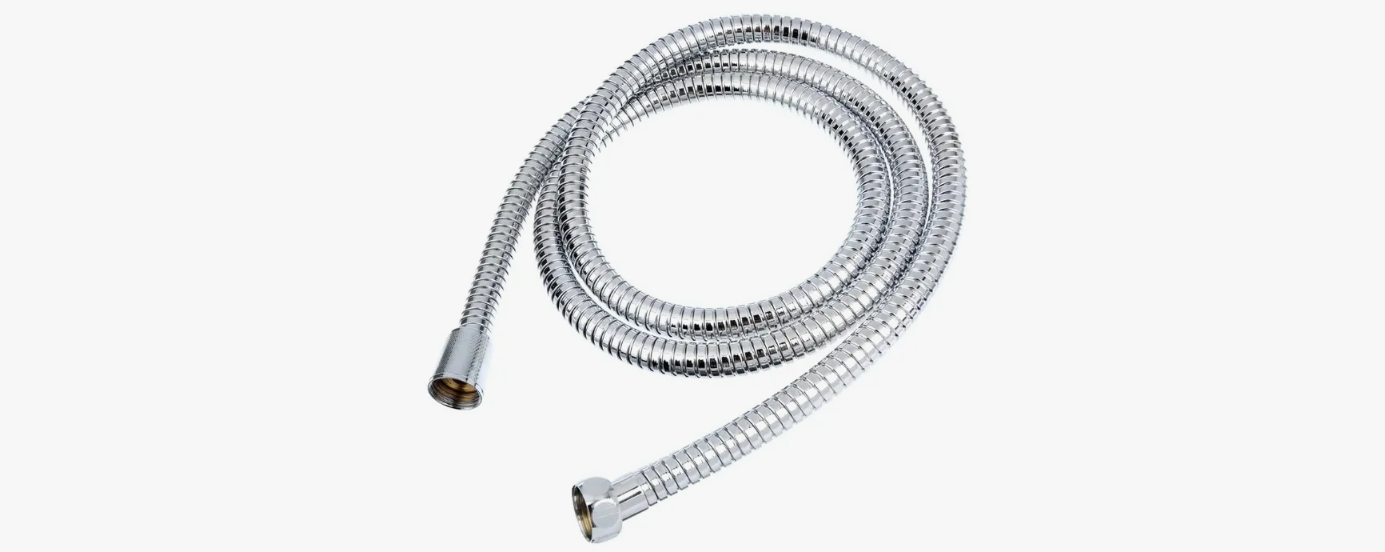
(8) Can gas connectors be reused?
Generally, reuse is not recommended for the following reasons:
The sealing performance of the connector is reduced after disassembly.
Reinstallation can easily lead to thread wear.
The sealing gasket may be damaged.
The old pipe may already be fatigued or deformed.
It is recommended to use new connectors with new equipment.
(9) Can gas connectors be used outdoors or commercially?
Yes, but note the following:
Choose stainless steel armored reinforced type.
Ensure corrosion resistance and weather resistance.
Metal connecting pipes should be prioritized for commercial kitchens.
Regular professional inspections should be performed.
Rubber hoses are not suitable for outdoor or high-temperature environments.
(10) Can gas connectors be cleaned?
Metal gas connectors can be simply wiped clean, but they should not be soaked or cleaned with strong acids or bases.
Cleaning of rubber hoses is not recommended, as it may accelerate aging.