



 English
  Español
  русский


The global flexible plumbing pipe market is projected to grow from USD 12.8 billion in 2025 to USD 19.4 billion by 2034, at a CAGR of 4.8%. With increasing demand for durable, leak-proof connections in residential, commercial, and industrial applications, choosing the right water hose assembly has never been more critical. Whether you are sourcing for a large-scale construction project or a specialized OEM application, asking the right questions upfront can save significant costs and operational headaches.
This guide presents the 10 most critical questions that procurement professionals, engineers, and facility managers ask before committing to a water piping and hose assemblies supplier. Each answer is backed by industry data and practical engineering insights, helping you make a confident, informed decision.
Flexible Plumbing Pipe Market Overview (2025–2034)
Stainless steel braided hoses account for approximately 38% of the market, driven by their superior durability and corrosion resistance in plumbing and heating applications.
1. What materials are used in high-quality flexible plumbing pipes?
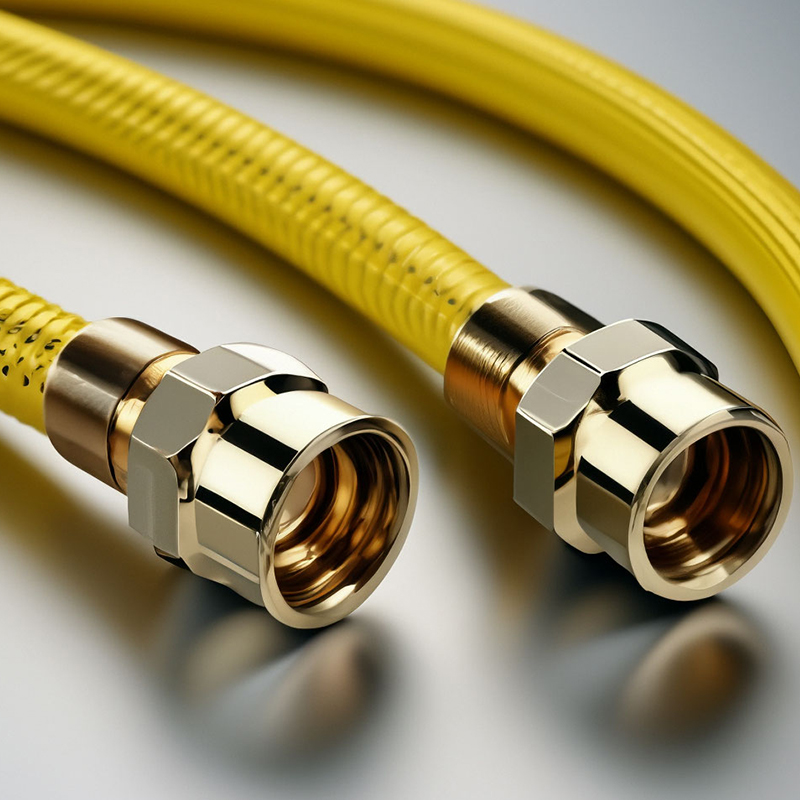
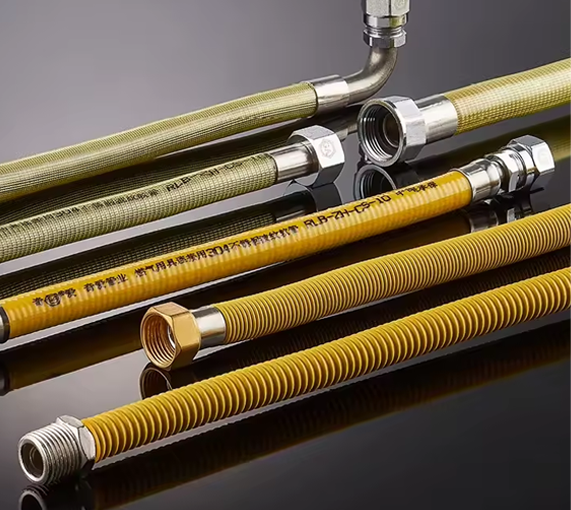
Direct answer: The best flexible plumbing pipes feature a stainless steel 304 or 316L corrugated core with a PVC or braided stainless steel outer layer, offering a balance of flexibility, pressure resistance, and corrosion protection.
Material selection directly impacts performance, longevity, and safety. A 2025 industry survey of plumbing contractors found that stainless steel braided hoses have a 40% longer average service life compared to standard rubber or PVC alternatives. The inner core material—typically 304 or 316L stainless steel—determines the hose's resistance to corrosion from chlorine, minerals, and varying water pH levels. For applications involving potable water, materials must comply with NSF/ANSI 61 standards for drinking water system components.
- Stainless Steel 304 – Suitable for most residential and commercial water applications
- Stainless Steel 316L – Enhanced corrosion resistance for coastal or chemical environments
- Braided Outer Layer – Provides mechanical protection and burst resistance
- PVC or Nylon Coating – Adds abrasion resistance and aesthetic finish
Tip: For hot water or steam applications, always specify 316L stainless steel with high-temperature PTFE or EPDM inner liners to prevent premature failure.
2. What pressure ratings should a reliable water hose assembly have?
Direct answer: For most residential and light commercial applications, a working pressure of 150–300 PSI (10–20 bar) is standard, with burst pressures typically 4–5 times higher. Industrial applications often require 300–600 PSI (20–40 bar).
Pressure rating is the single most important safety factor in water piping and hose assemblies. Industry standards (ISO 10380 and EN 14800) specify minimum burst pressure requirements. A properly manufactured stainless steel braided hose has a burst pressure of at least 4 times its working pressure, providing a substantial safety margin. The table below shows typical pressure ratings by hose type.
Always verify: The supplier should provide certified pressure test reports for each batch. A reliable water liner or flexible plumbing pipe manufacturer will test 100% of production to ensure pressure integrity.
3. Why is the braiding layer critical in water piping systems?
Direct answer: The braided layer—typically stainless steel wire—provides structural reinforcement, prevents kinking, and contains the core in the event of inner tube failure, acting as a critical safety barrier.
The braiding is not just an aesthetic cover; it is an engineered safety component. Hoses without a braided layer have a failure rate 3.2 times higher in high-pressure applications, according to a 2024 analysis of plumbing system failures. The braid absorbs axial forces, reduces vibration transmission, and distributes pressure evenly along the hose length. For flexible plumbing pipes used in dynamic applications—such as water heaters, HVAC systems, or industrial equipment—the braid is essential for long-term reliability.
- Single Braid – Standard for most residential applications
- Double Braid – Offers higher burst resistance for commercial and industrial use
- Braid Density – Higher density (80–95% coverage) provides superior protection
- Wire Material – 304 stainless steel is standard; 316L offers enhanced corrosion resistance
Best practice: For water hose assemblies installed in concealed or hard-to-access locations, always specify double-braided construction with a minimum 85% coverage density for maximum safety and durability.
4. What temperature range can flexible plumbing pipes withstand?
Direct answer: High-quality stainless steel flexible plumbing pipes can operate continuously from -40°C to +150°C (-40°F to +302°F), with short-term spikes up to +200°C (+392°F) for stainless steel cores with appropriate liners.
Temperature tolerance is a key differentiator between standard and premium water hose assemblies. For every 10°C increase above 60°C, the service life of a standard rubber hose decreases by approximately 30% due to accelerated aging and material degradation. Stainless steel braided hoses with PTFE or EPDM inner liners maintain their mechanical properties across a wide temperature spectrum, making them ideal for both hot water heating systems and cryogenic applications.
Critical insight: For applications with fluctuating temperatures, such as solar water heating or industrial processing, choose a flexible water connector with a corrugated stainless steel core and a high-temperature liner to accommodate thermal expansion without stress fractures.
5. What is the expected service life of a water hose assembly?
Direct answer: A properly specified and installed stainless steel braided water hose assembly has an expected service life of 15–25 years in residential applications, and 8–12 years in demanding industrial or commercial environments.
Service life depends on several factors: operating pressure, temperature cycling, water chemistry, and mechanical stress. Data from a 2025 reliability study shows that stainless steel braided hoses retain 80% of their original burst pressure after 10 years of continuous service, compared to only 45% for standard rubber hoses. Regular inspection for signs of wear—such as visible braid damage, corrosion, or leakage at fittings—can extend safe service life.
- Residential – 15–25 years (low pressure, stable temperature)
- Commercial/Institutional – 10–15 years (moderate use)
- Industrial – 8–12 years (high pressure, temperature cycling)
- Chemical/Corrosive – 5–8 years (requires 316L or special alloys)
Proactive replacement: Industry best practice recommends replacing water hose assemblies every 10 years in critical applications, regardless of visible condition, to prevent unexpected failures.
6. What quality indicators should buyers look for?
Direct answer: Look for documented quality management systems, material traceability, in-process inspection records, and final test reports that include pressure, leak, and dimensional checks.
Quality indicators separate reliable manufacturers from low-cost alternatives. A survey of procurement professionals found that 68% of buyers consider "supplier quality certifications" as the top criterion when selecting a flexible plumbing pipe manufacturer. Leading suppliers implement ISO 9001 and ISO 14001 management systems, and maintain in-house testing laboratories for material analysis and performance validation.
Red flags: Suppliers who cannot provide material certificates, lack batch traceability, or refuse to share test reports should be avoided. A transparent quality process is the foundation of a reliable water piping and hose assemblies partnership.
7. Can hose length, diameter, and end fittings be customized?
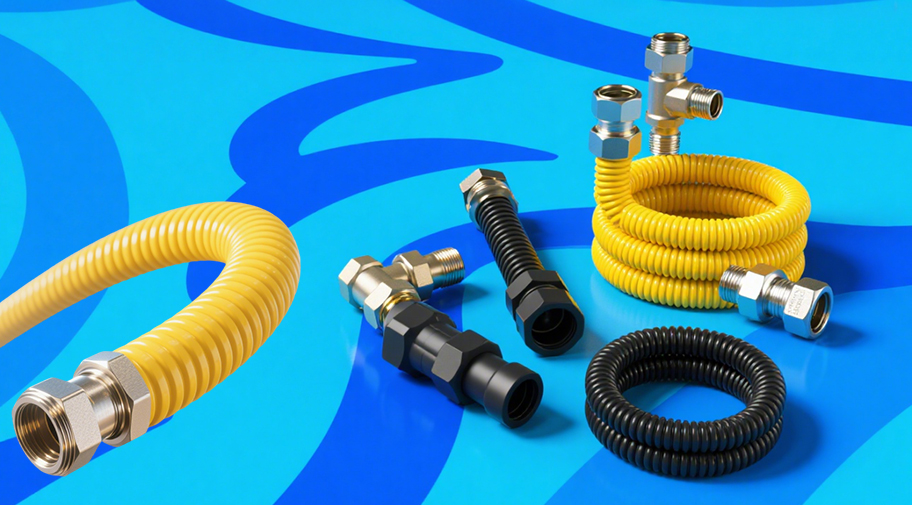
Direct answer: Yes—reputable manufacturers offer full customization of length (from 6 inches to over 100 feet), inner diameter (1/4" to 2"), and end fittings including NPT, BSP, JIC, flanged, and quick-connect configurations.
Customization is a key advantage of working with an experienced OEM water hose assembly supplier. Approximately 74% of B2B buyers require some level of customization for their specific application, whether it is a unique length for a tight equipment layout or a specialized fitting for compatibility with existing systems. A flexible water connector manufacturer with in-house engineering can provide CAD drawings, 3D models, and rapid prototyping to ensure perfect integration.
- Length – Any custom length with ±1% tolerance
- Diameter – Range from 1/4" to 2" ID, with custom sizes available
- Fittings – NPT, BSP, JIC, SAE, flanged, compression, and quick-connect
- Materials – 304 SS, 316L SS, brass, plated steel, or custom alloys
- Finishes – Raw, polished, coated, or color-coded options
Lead time for custom flexible plumbing pipes typically ranges from 10–25 working days, depending on complexity and order volume. Suppliers with in-house tooling and machining capabilities can significantly reduce this timeframe.
8. What is the typical production lead time for OEM orders?
Direct answer: Standard OEM production lead time for water hose assemblies is 15–25 working days for sample orders, and 20–35 working days for mass production (20' container or more), depending on customization and seasonal demand.
Lead time is a critical factor for project planning. A 2025 industry benchmark study showed that suppliers with vertically integrated manufacturing reduce lead times by an average of 32% compared to those outsourcing key components. Factors that influence production time include:
- Raw material availability – Stock availability of 304/316L stainless steel
- Custom tooling requirements – New fittings or special braiding patterns add time
- Order volume – Larger orders benefit from production efficiency
- Seasonal production capacity – Peak periods may extend lead times
Best practice: For critical projects, request a production schedule upfront and build in a 10–15% buffer to account for unforeseen delays. Suppliers with ISO 9001 certified processes typically have more predictable lead times.
9. What packaging options are available for wholesale orders?
Direct answer: Professional water hose assembly suppliers offer a variety of packaging solutions including individual poly bags, color-coded labeling, custom-branded cartons, wooden reels for long lengths, and export-worthy palletization for container shipping.
Packaging protects product integrity during transit and enhances brand perception upon arrival. Proper packaging reduces damage rates by up to 85% according to a logistics study focused on flexible plumbing pipe shipments. For OEM and private-label orders, suppliers can print custom logos, part numbers, and technical specifications directly on packaging materials. Sustainable packaging options—such as recyclable cardboard and biodegradable poly bags—are increasingly requested by environmentally conscious buyers.
- Individual Packaging – Poly bag + label, blister pack, or clamshell
- Bulk Packaging – Carton boxes, wooden reels, or steel drums
- Labeling – Custom barcode, QR code, or RFID tags for traceability
- Palletization – Heat-shrunk, strapped, and wrapped for export
Tip: Discuss packaging requirements during the quoting phase—suppliers can provide packaging samples and test shipments to ensure your products arrive in perfect condition.
10. How do manufacturers ensure consistent product quality?
Direct answer: Leading manufacturers implement a closed-loop quality system spanning raw material verification, in-process monitoring, 100% pressure testing, and final inspection with documented traceability.
Quality consistency is the hallmark of a professional water piping and hose assemblies factory. A 2025 industry quality report found that manufacturers with ISO 9001 certification have a 62% lower defect rate compared to non-certified suppliers. Key elements of a robust quality system include:
| QC Stage | Inspection Method | Acceptance Criteria |
|---|---|---|
| Raw Material | Spectrometer analysis, tensile test | Material grade verification |
| In-Process | Dimensional checks, visual inspection | ±1% tolerance, no defects |
| Pressure Test | Hydrostatic or pneumatic test | No leakage at 1.5x working pressure |
| Final Assembly | Full dimension & function check | 100% pass rate required |
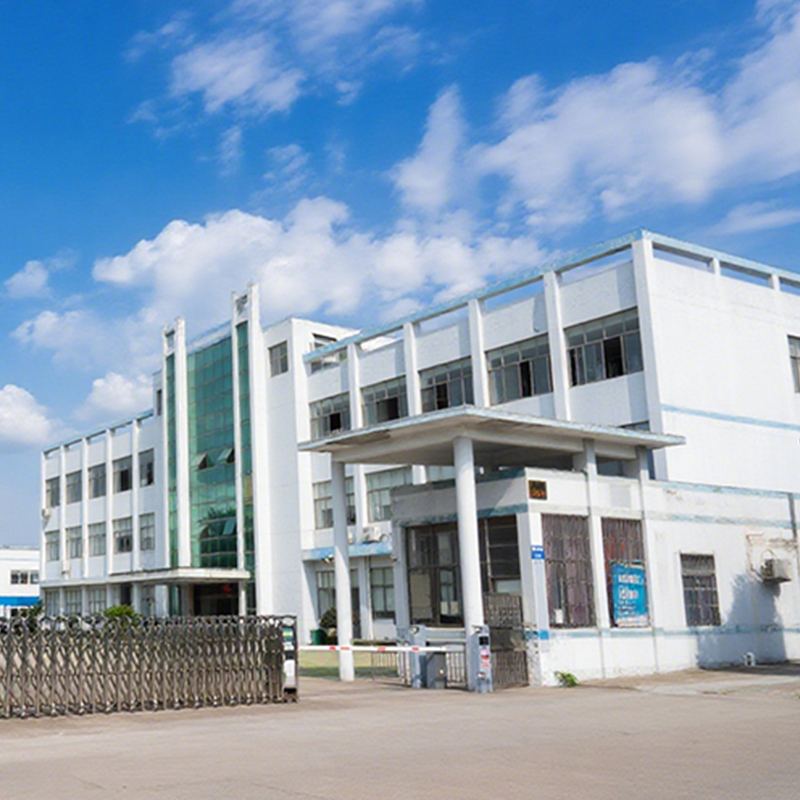
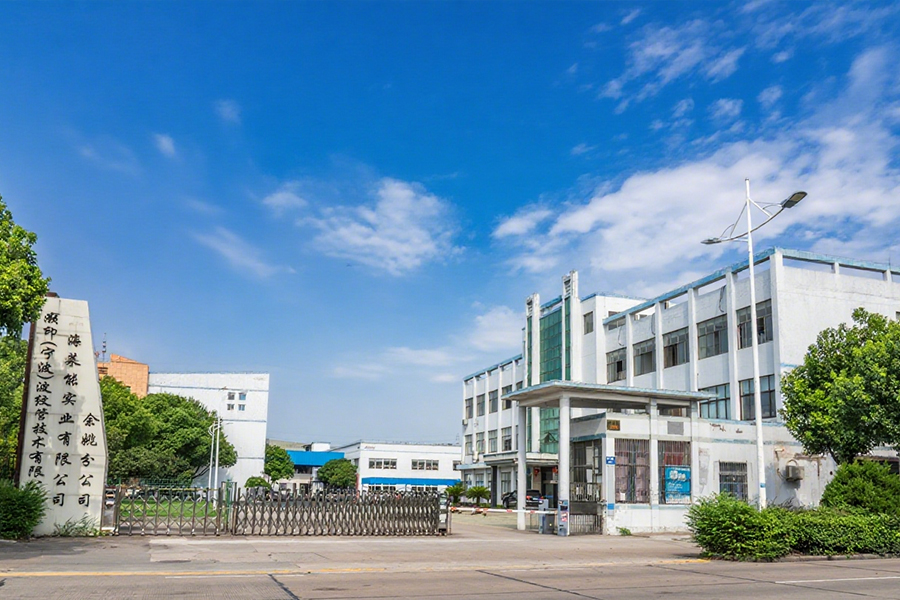
Haoyin (Ningbo) Bellows Technology Co., Ltd. exemplifies this approach—with 18,000 square meters of standardized workshops, ISO 9001, ISO 14001, and ISO 45001 certifications, and a full-process quality management system from raw material screening to after-sales support. As a national high-tech enterprise and green factory, Haoyin has 12 authorized invention patents and has participated in the compilation of 3 industry standards, serving 300+ professional customers across 20 countries.
Frequently Asked Questions
Q1: What is a flexible plumbing pipe?
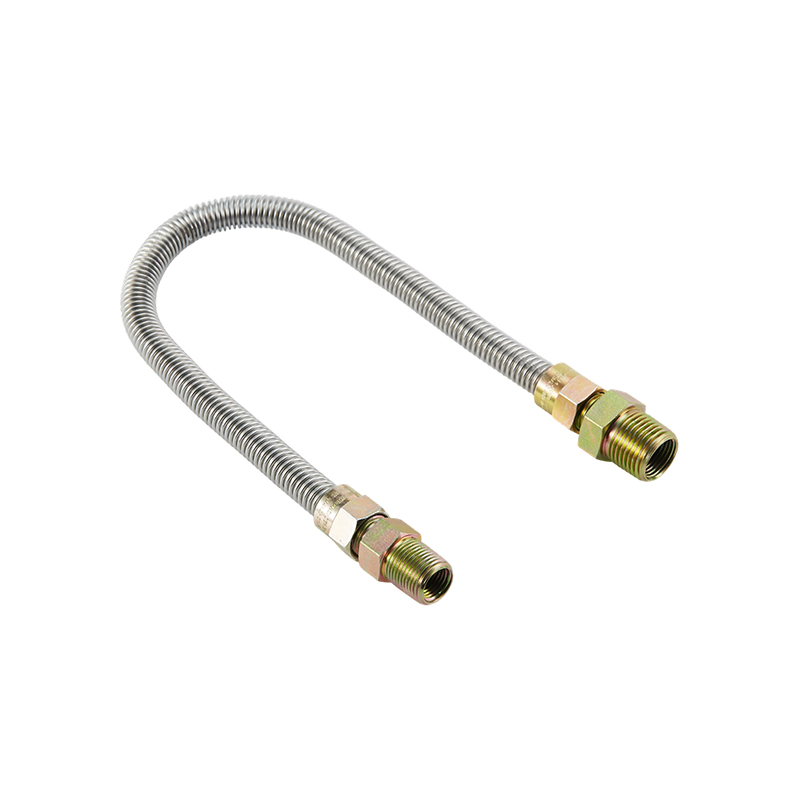
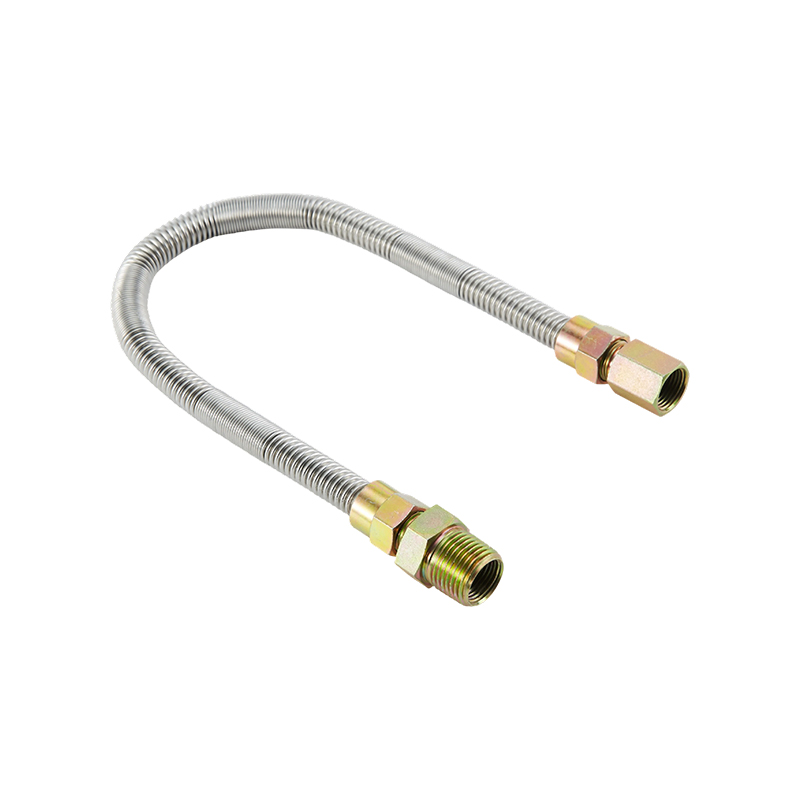
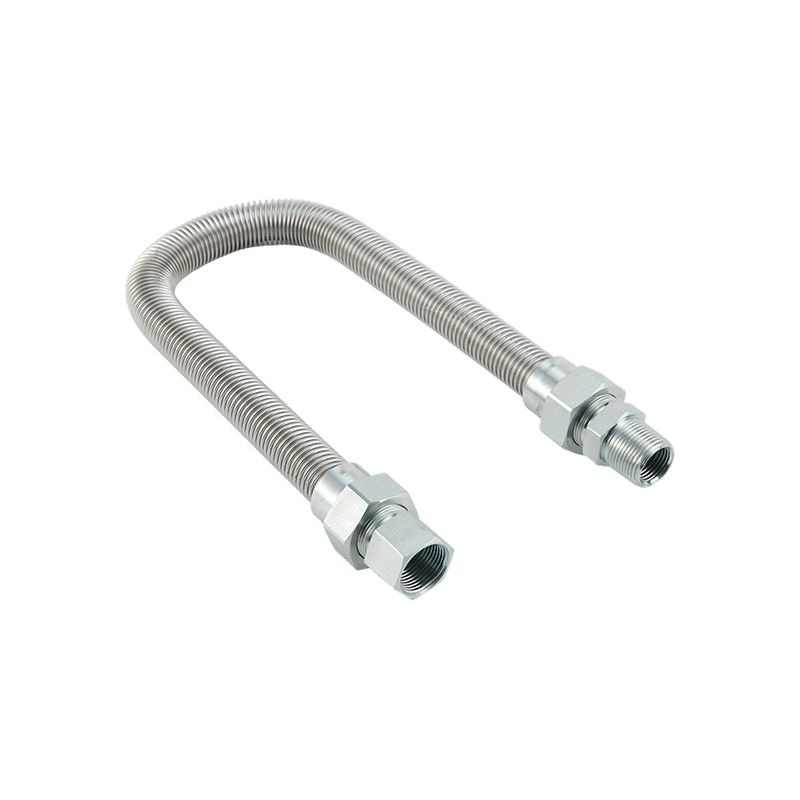
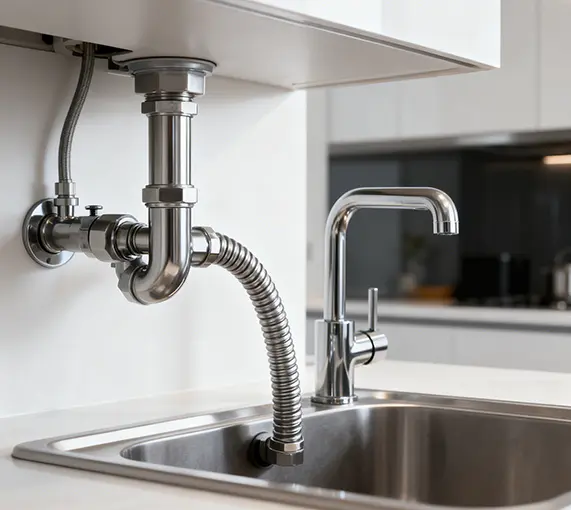
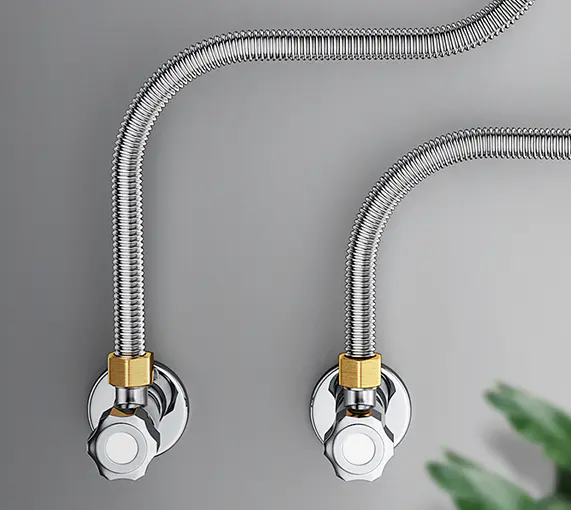
A flexible plumbing pipe is a corrugated stainless steel tube with braided outer layer, designed to connect rigid piping to fixtures while absorbing vibration and thermal movement.
Q2: What is a braided water hose?
A braided water hose features a flexible inner core reinforced with a woven stainless steel or textile braid, providing high pressure resistance and kink protection.
Q3: How long do flexible water hoses last?
With proper specification and installation, stainless steel braided hoses last 15–25 years in residential use and 8–12 years in industrial applications.
Q4: Are stainless steel braided hoses better?
Yes—they offer superior pressure resistance, temperature tolerance, and longevity compared to rubber or PVC alternatives, making them the preferred choice for critical applications.
Q5: Can flexible plumbing pipes be used for hot water?
Yes—stainless steel flexible pipes with appropriate liners handle continuous temperatures up to 150°C and short-term spikes to 200°C, making them ideal for hot water and heating systems.
Q6: What is the production lead time?
Standard OEM lead time is 15–25 working days for samples and 20–35 working days for mass production, depending on customization and order volume.
Q7: Can I customize hose length and fittings?
Yes—full customization of length, diameter, fitting types (NPT, BSP, JIC, flanged), and materials is available from experienced OEM suppliers.
Q8: What packaging options are available?
Options include individual poly bags, custom-branded cartons, wooden reels for long lengths, and export palletization with full traceability labeling.