




 English
  Español
  русский


Stainless steel bellows are widely used in industrial systems, but many buyers and engineers still ask the same question: what exactly do they do, and why are they necessary? From pipelines to machinery and pressure systems, these components play a critical role in protecting equipment and improving system reliability. Let’s take a closer look in simple terms.
What Are Stainless Steel Bellows?
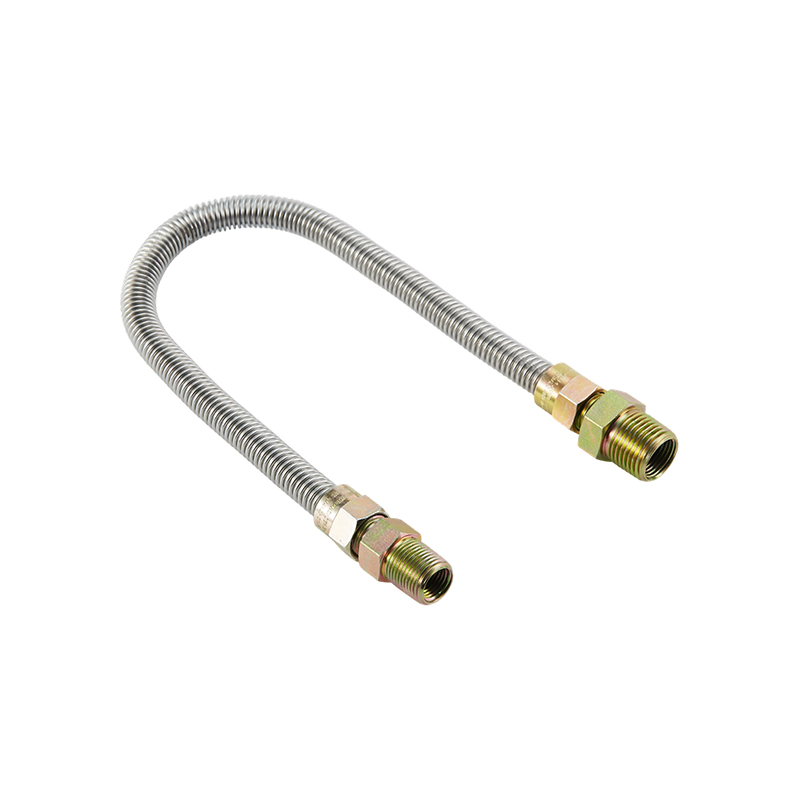
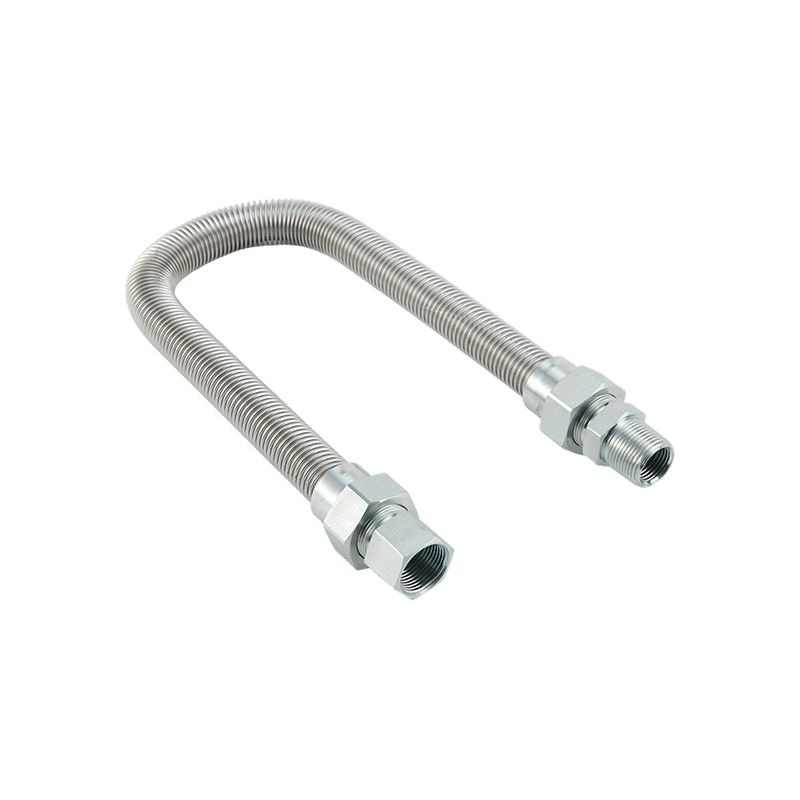
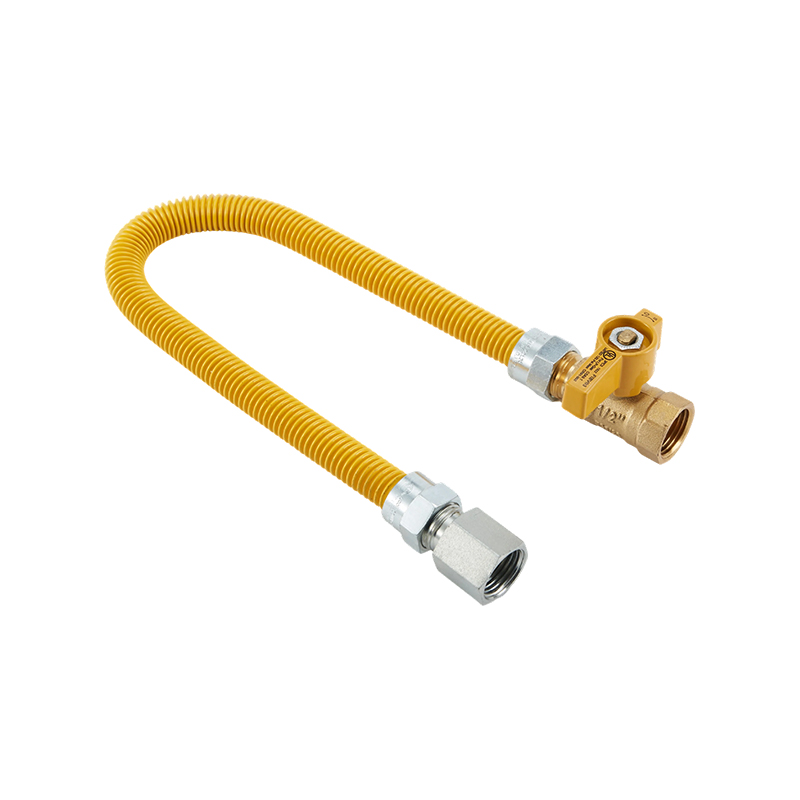
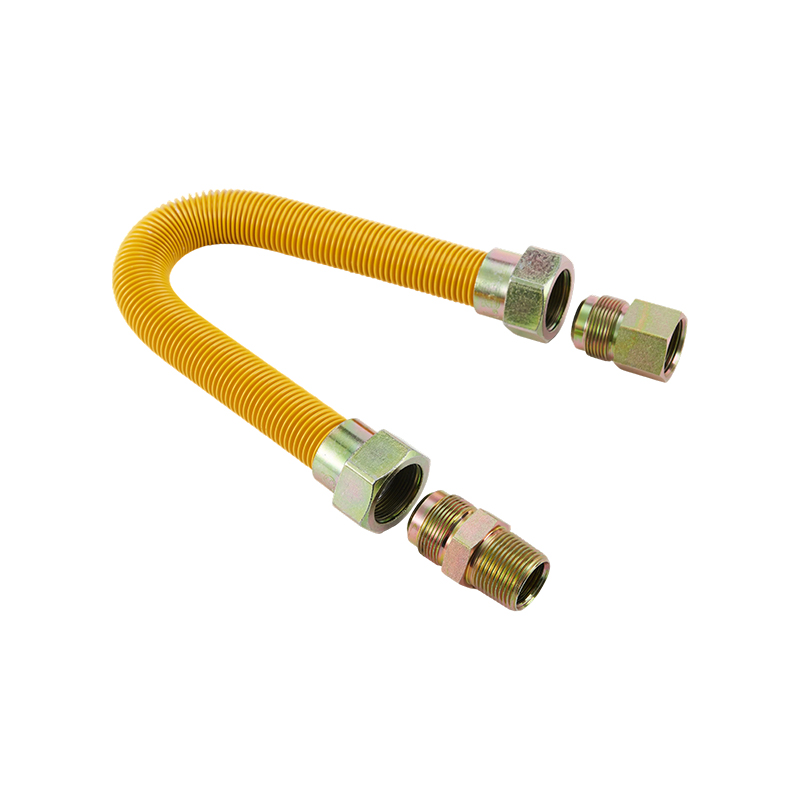
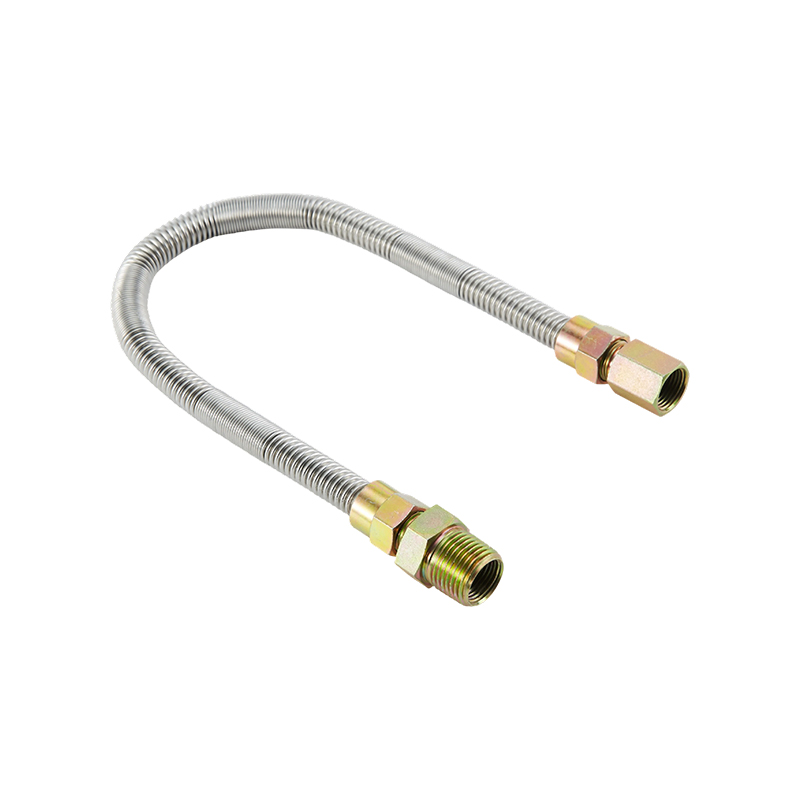
Stainless steel bellows are flexible, accordion-shaped metal components designed to absorb movement, vibration, and pressure changes in mechanical and piping systems. They are usually made from high-quality stainless steel, which provides excellent strength and corrosion resistance.
Because of their flexible structure, bellows can expand, compress, and bend slightly without breaking. This makes them ideal for applications where rigid pipes or parts cannot handle movement or thermal expansion.
Why Are Stainless Steel Bellows So Important?
One of the main reasons bellows are used is to absorb thermal expansion. When pipes heat up or cool down, they expand and contract. Stainless steel bellows help compensate for these changes and prevent stress damage to the system.
They also reduce vibration and mechanical shock. In pumps, compressors, and rotating equipment, bellows help protect connected components and extend equipment lifespan.
In addition, bellows provide sealing performance. In many systems, they prevent leaks while still allowing movement, which is essential in high-pressure or vacuum environments.
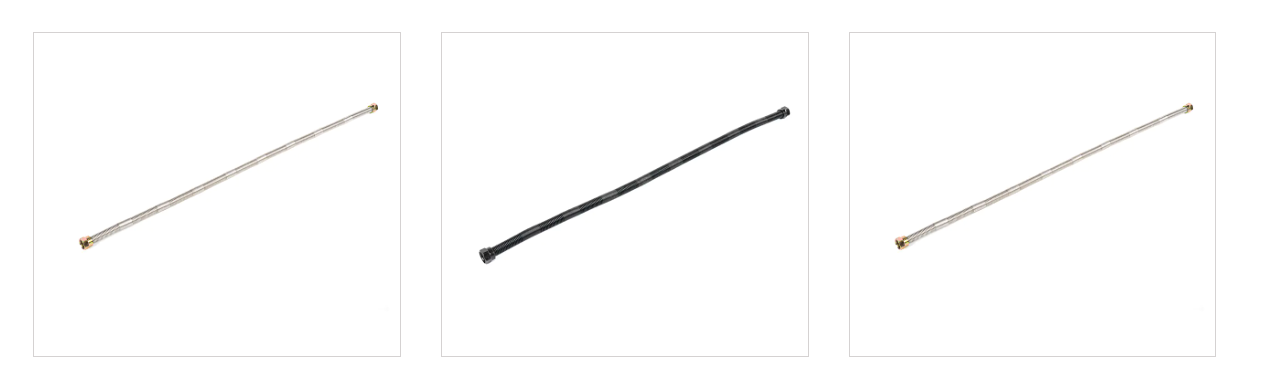
Common Applications of Stainless Steel Bellows
Stainless steel bellows are commonly used in chemical processing, power generation, HVAC systems, oil and gas pipelines, aerospace equipment, and industrial automation systems.
You can also find them in expansion joints, valve seals, exhaust systems, and precision instruments that require controlled flexibility and high reliability.
What Should You Consider When Choosing Stainless Steel Bellows?
Material grade is an important factor. Different stainless steel grades offer different levels of corrosion resistance and temperature tolerance.
Pressure rating and temperature range should match your operating conditions. Using bellows outside their design limits can lead to premature failure.
Size, stroke length, and connection type are also critical. Proper matching ensures smooth operation and long-term performance.
Are Stainless Steel Bellows Worth the Investment?
Although stainless steel bellows may cost more than simple flexible connectors, they offer much higher durability and performance. Their ability to handle extreme conditions and repeated movement makes them a cost-effective long-term solution.
For industries that require safety, stability, and efficiency, stainless steel bellows are not just optional components. They are essential parts of reliable system design.