




 English
  Español
  русский


With the widespread use of gas in modern life, ensuring the safety of gas pipelines has become paramount. In recent years, stainless steel flexible gas connectors have been widely used in household and industrial gas systems due to their convenience and durability. However, consumers often have questions about their safety, especially given the frequent occurrence of gas leaks and fires. So, are stainless steel flexible gas connectors really safe? This article will guide you through their safety, advantages, and precautions for use from multiple perspectives.
1. What is a Stainless Steel Flexible Gas Connector?
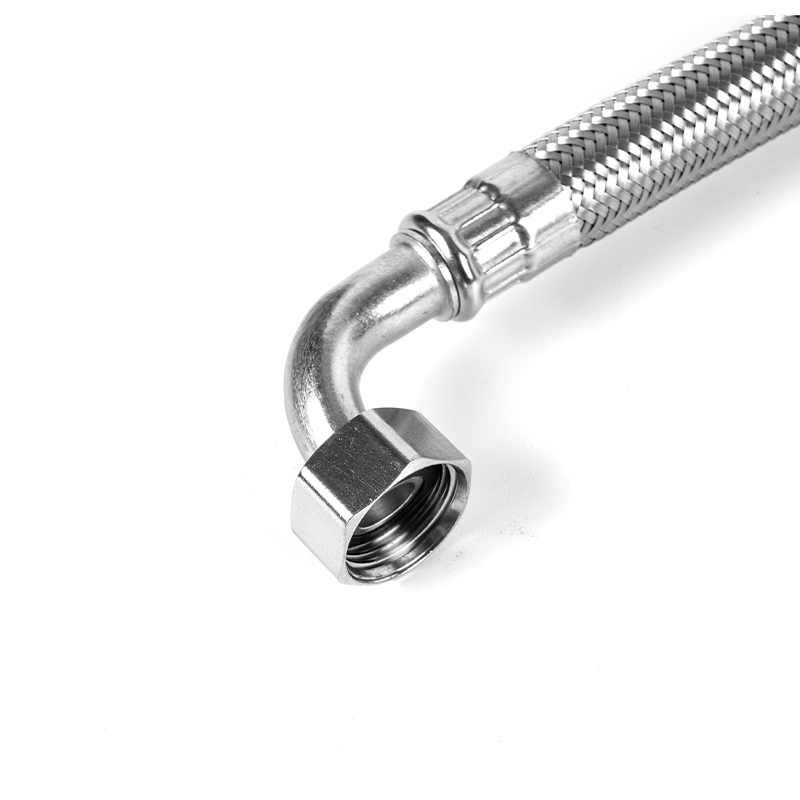
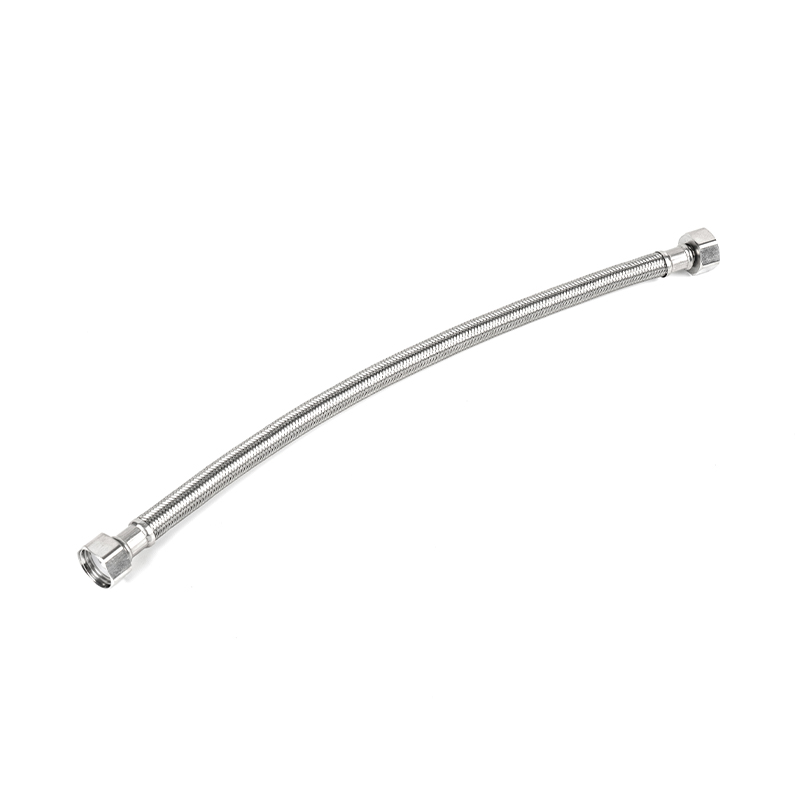
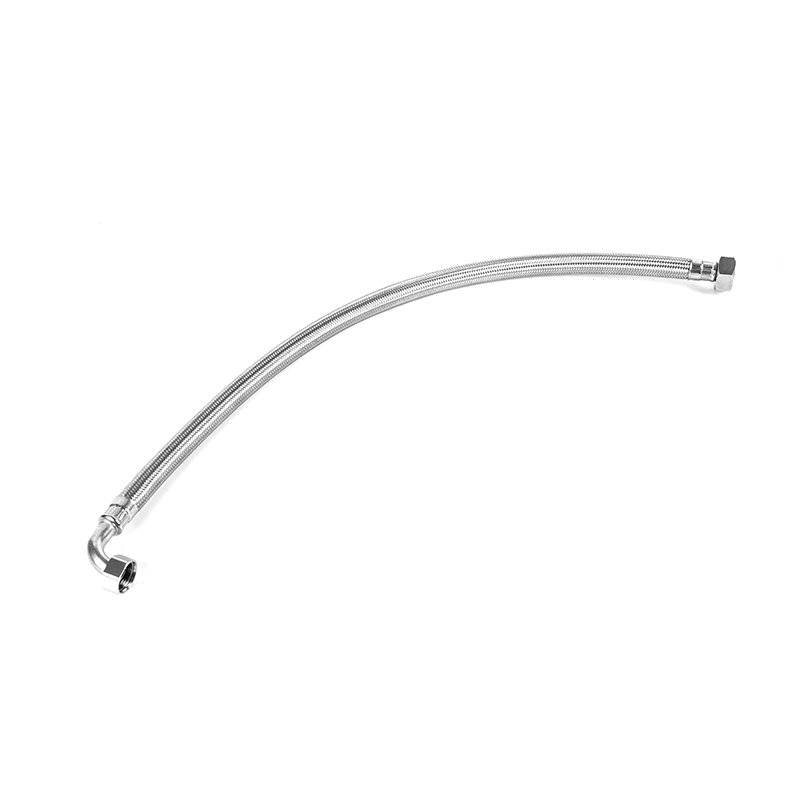
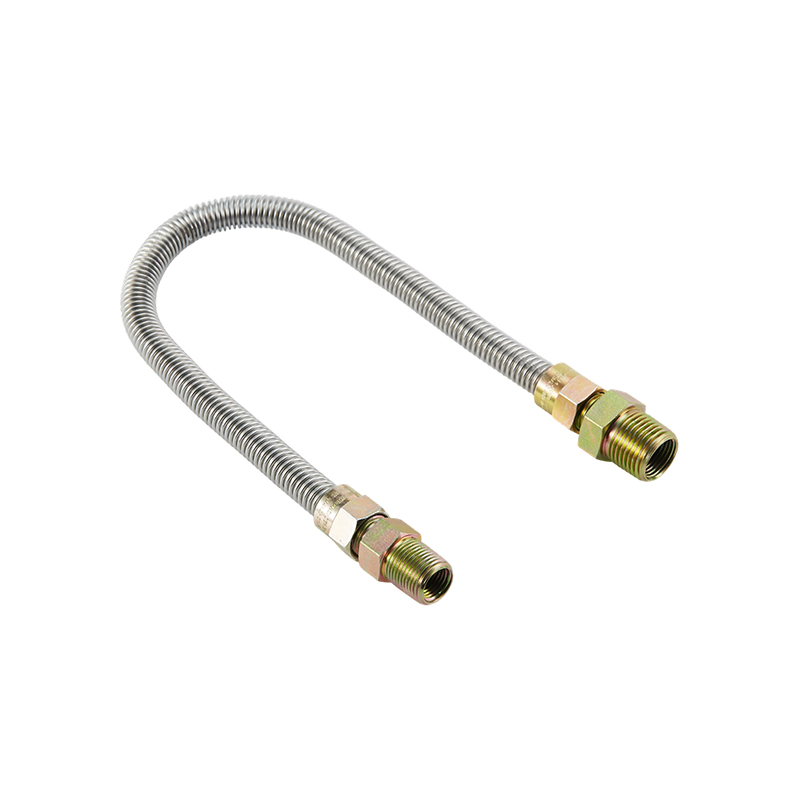
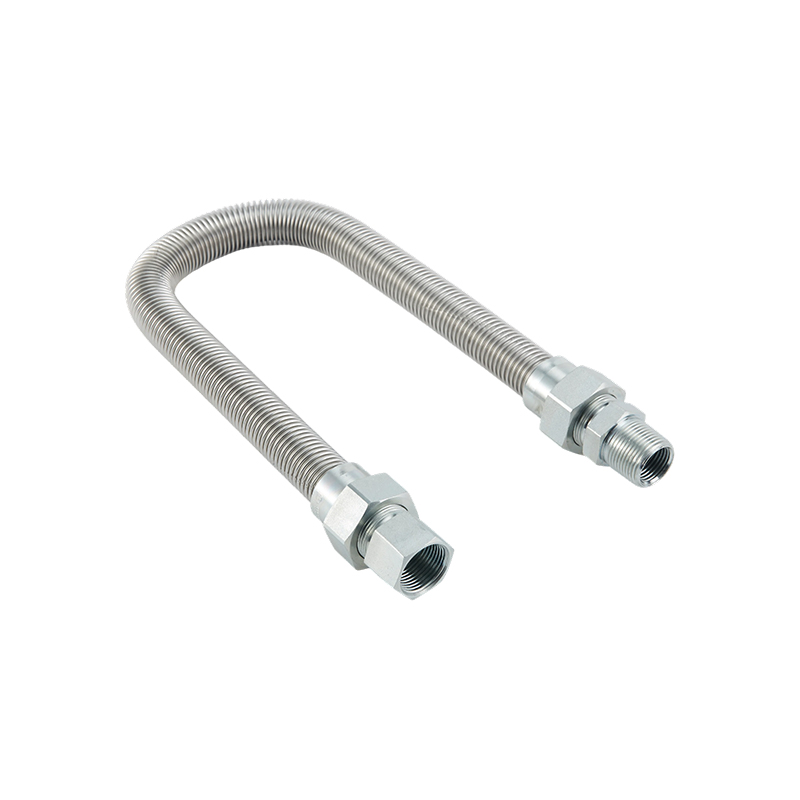
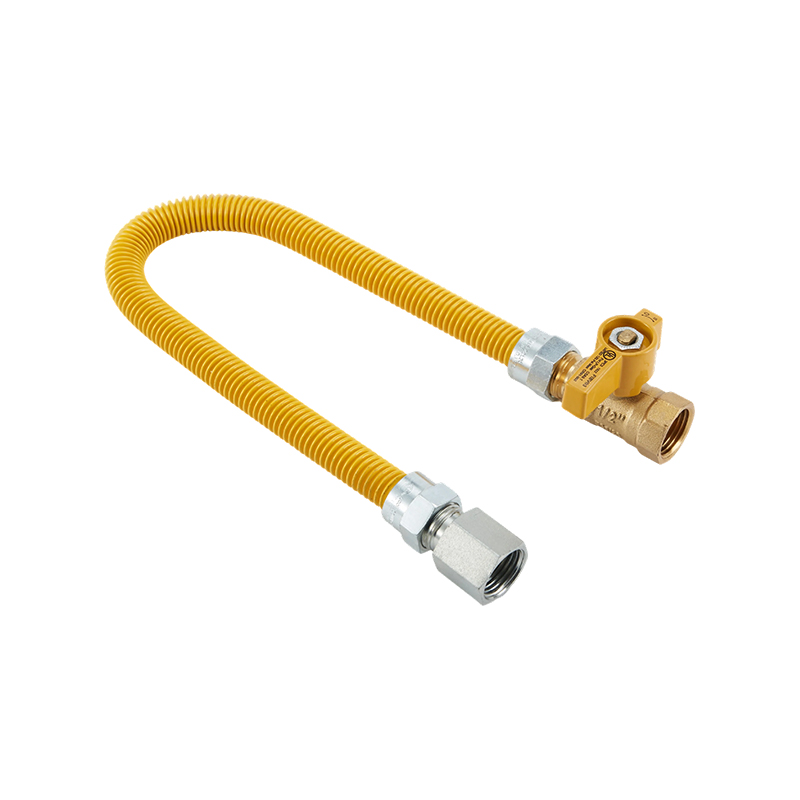
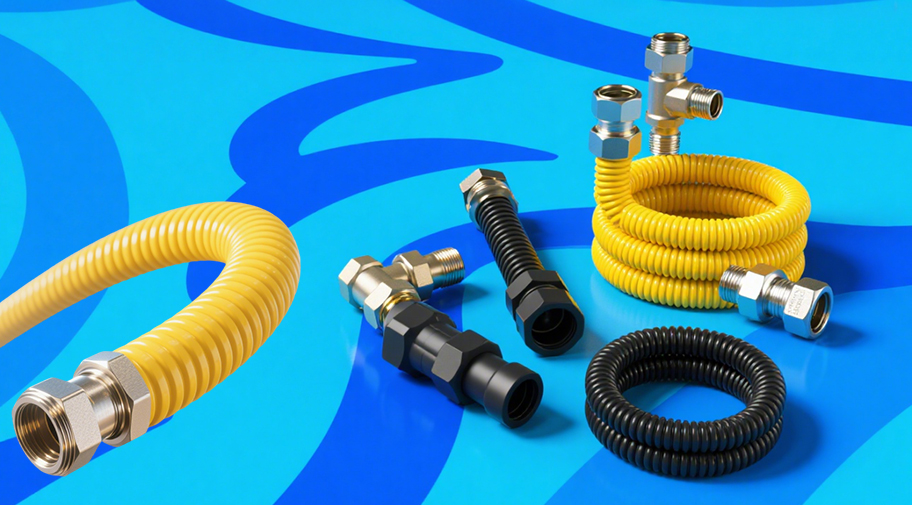
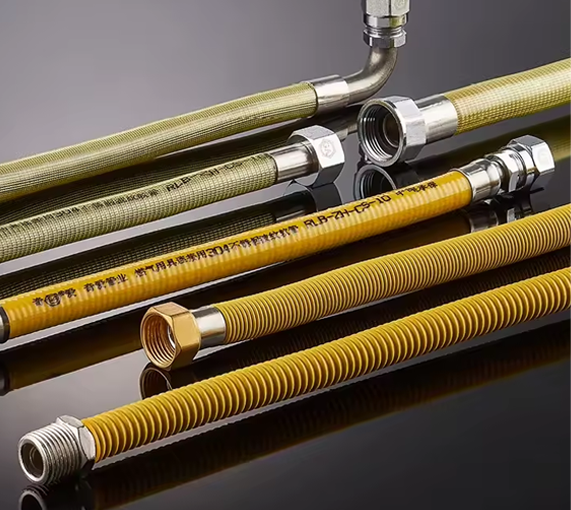
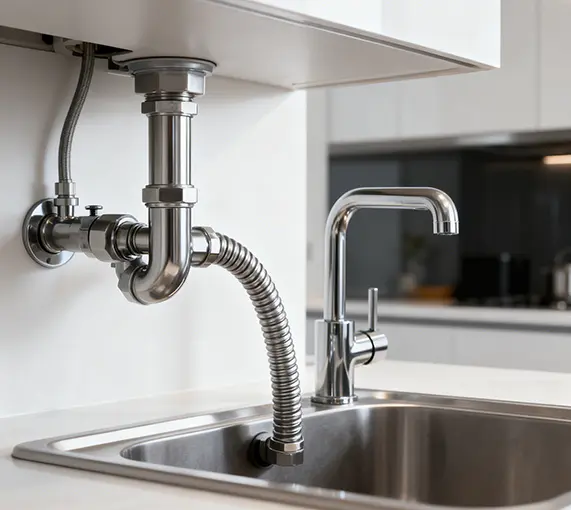
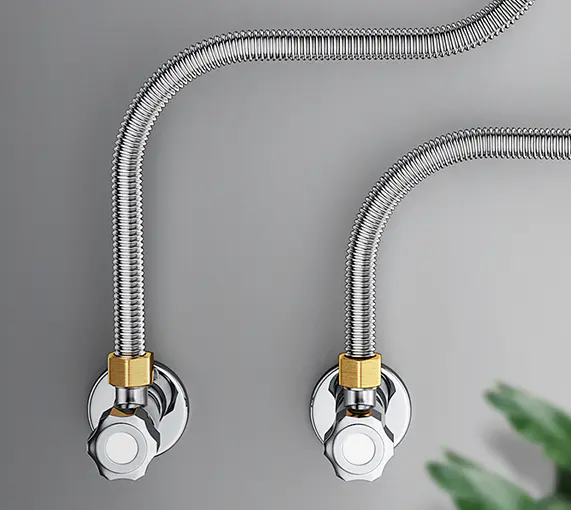
A stainless steel flexible gas connector is a pipe connection device made of high-strength stainless steel wire braided together. Through its corrugated metal structure, it possesses high flexibility and extensibility, easily coping with changes in pipe displacement, vibration, or thermal expansion. Typically, this connector is used to connect household gas appliances (such as gas stoves, water heaters, etc.) to gas pipelines.
The core advantage of stainless steel flexible gas connectors lies in their ability to adapt to various complex installation environments while maintaining good sealing and corrosion resistance. Due to the characteristics of the material, this connector is more convenient, durable, and less susceptible to external environmental influences compared to traditional rigid pipe connections.
2. Safety Analysis of Stainless Steel Flexible Gas Connectors
For any equipment involving gas, safety is paramount. So, how does a stainless steel flexible gas connector perform in terms of safety? The following factors can help assess its safety.
(1) Corrosion Resistance
Stainless steel flexible gas connectors are made of high-quality stainless steel, possessing strong corrosion resistance. Compared to traditional metal pipes, it effectively resists corrosion from water vapor, acids, alkalis, and other chemicals. This corrosion resistance allows the connector to maintain a longer service life in humid environments and effectively prevents gas leaks caused by corrosion.
Especially in coastal or high-humidity areas, traditional copper or iron pipes are prone to corrosion, increasing the risk of gas leaks, while stainless steel flexible connectors avoid this problem.
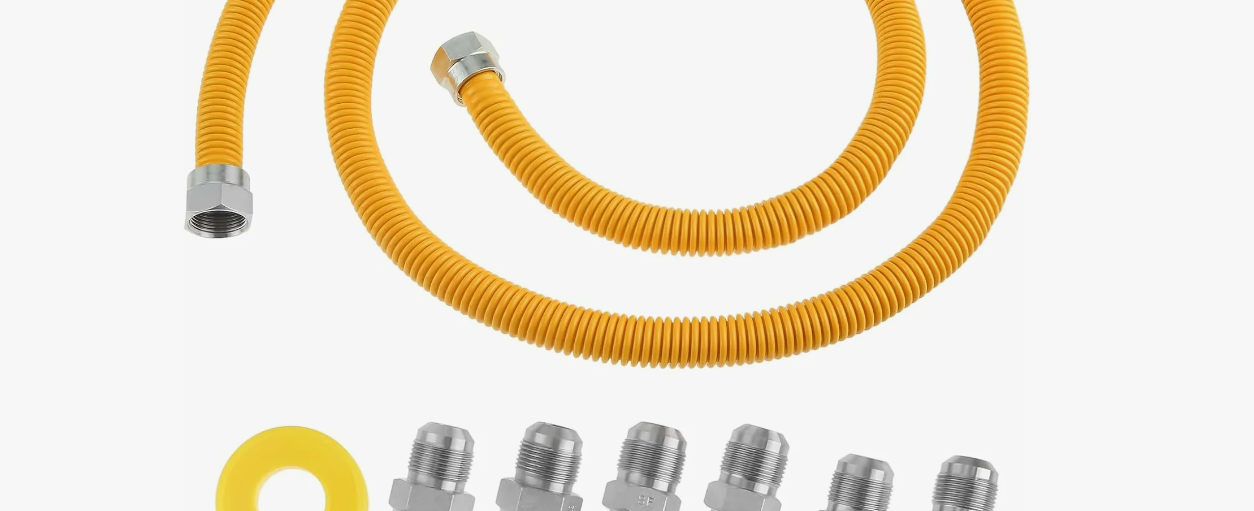
(2) High Temperature and Pressure Resistance
Stainless steel flexible gas connectors can withstand high temperatures and pressures. Generally, they can withstand temperatures ranging from -40℃ to +200℃ and also have strong pressure resistance. Even in extreme weather or high-temperature environments, stainless steel flexible connectors maintain stable performance and are not prone to cracking or leaks due to temperature changes.
This makes stainless steel flexible connectors widely used in household and industrial gas systems, especially suitable for environments requiring frequent position adjustments or subject to frequent temperature fluctuations.
(3) Sealing
Sealing is one of the important indicators for evaluating the safety of gas connectors. Stainless steel flexible gas connectors are equipped with high-quality sealing gaskets, ensuring no gas leakage during connection. Its corrugated structure helps eliminate the impact of minor displacement or vibration of the pipeline on the seal, ensuring the system's airtightness.
In gas systems, even a small leak can lead to serious safety hazards, and stainless steel flexible gas connectors, through their excellent sealing performance, effectively prevent this risk.
(4) Vibration Resistance and Tensile Strength
Due to its corrugated structure, stainless steel flexible gas connectors possess strong flexibility, capable of withstanding vibrations and displacements generated during equipment operation. Whether it's a gas stove in a home kitchen or a gas pipeline system in an industrial environment, the connector can adapt to frequent vibrations without cracking or deformation, thus preventing pipeline detachment and leakage caused by vibration.
Furthermore, the flexible connector can effectively cope with tensile forces caused by thermal expansion, equipment movement, or improper installation, ensuring safety after long-term use.
3. Advantages of Using Stainless Steel Flexible Gas Connectors
In addition to safety assurance, stainless steel flexible gas connectors also have the following advantages:
(1) Easy Installation
Stainless steel flexible gas connectors have high flexibility, requiring no complex tools or processes for installation. Whether in newly built houses or old residences, it can easily adapt to various installation environments, shortening construction time and reducing installation costs.
Compared to traditional rigid pipe connections, flexible connectors are faster to install and allow for flexible adjustment of pipe routing, making them particularly suitable for confined or complex spaces.
(2) Improved Flexibility of Gas Systems
The flexibility of stainless steel flexible gas connectors makes gas pipeline systems more flexible. After installation, the system can adjust the position of gas equipment as needed, allowing for pipeline modifications without affecting the overall structure. This allows users to rearrange kitchens or other gas equipment according to actual needs without altering the gas pipeline.
(3) Extended Service Life of Gas Systems
Due to the high durability and corrosion resistance of stainless steel, flexible gas connectors are generally more durable than traditional pipes. Good pressure resistance and shock resistance ensure long-term stable operation of the pipeline system, thereby extending the overall service life of the gas system and reducing maintenance and replacement frequency.
(4) Precautions for Using Stainless Steel Flexible Gas Connectors
Although stainless steel flexible gas connectors perform well in many aspects, some issues still need to be considered during use to ensure their safety and long-term effectiveness:
Choose qualified products: The quality of stainless steel flexible gas connectors on the market varies greatly. Consumers should choose products that meet national standards when purchasing. Ensure that the product has passed relevant safety certifications and has good after-sales service.
Regular inspection: Although stainless steel flexible gas connectors have a long service life, it is still recommended to regularly check the connector's sealing and appearance to avoid potential problems and promptly detect possible wear, aging, and other issues.
Correct installation: During installation, ensure that the connector is not excessively stretched or bent to avoid performance degradation or leakage due to improper installation. It is best to have it installed and debugged by professionals.
Avoid overloading: Do not apply extra pressure or weight to the flexible gas connector arbitrarily to avoid affecting its normal use.
Stainless steel flexible gas connectors are a safe, reliable, and durable gas connection solution. Its excellent corrosion resistance, high temperature and pressure resistance, good sealing performance, and flexibility make it an important piece of equipment widely used in modern gas systems. By selecting qualified products, installing them correctly, and conducting regular inspections, consumers can effectively ensure the safety of their gas systems and avoid potential gas leak risks.