




 English
 Español
 русский



A pump discharge line that heats from 20°C to 180°C can move enough to crack a nozzle or overload the anchors that hold it. When a conventional axial expansion joint would push pressure thrust straight into that equipment, a pressure balanced expansion joint is often the practical answer. It absorbs thermal movement while containing most pressure thrust inside its own assembly.
Bottom line: specify one when anchor capacity, nozzle load limits, or available space make a standard axial bellows hard to use, not simply because the line runs hot.
Why Pressure Thrust Changes the Design
Every pressurized bellows has an effective area. Internal pressure acting on that area creates an axial force: pressure thrust equals design pressure multiplied by effective bellows area. In a standard axial expansion joint, that force must be carried by main anchors, adjacent pipe, and equipment nozzles.
Pressure balanced designs add a second balancing bellows, tie rods, and a closed chamber. Pressure acts on both bellows, and the tie rods carry the opposing forces. The result is that the theoretical pressure-thrust reaction at the external anchors is close to zero.
That does not make the joint load-free. Spring force from deflection, friction in guides, pipe weight, flow-induced vibration, and installation misalignment still need to be resolved. A pressure balanced expansion joint manages pressure thrust; it does not replace a proper piping flexibility analysis.
Inside a Pressure Balanced Expansion Joint
The assembly usually has two bellows on a common center spool. One bellows responds to line movement; the other provides the balancing reaction. Tie rods connect the end plates, and the closed volume between the bellows does the load-canceling work. Configurations vary by application, especially for inline, elbow-mounted, and custom compensator packages.
- Main bellows: absorbs the specified axial, lateral, or angular movement.
- Balancing bellows: creates the opposing pressure force inside the assembly.
- Tie rods and end plates: carry the balancing load and maintain the designed geometry.
- Center spool: connects both bellows and must be protected from torsion and handling damage.
Where It Pays Off, and Where It Does Not
Pressure balanced expansion joints are most valuable when the piping layout has a load problem, not just a movement problem. Typical candidates include pump and turbine nozzles with low allowable loads, long straight racks where anchors cannot be enlarged, and retrofits where adding a conventional expansion loop is impractical.
Good fit
- Equipment nozzles have strict load limits.
- Structural anchors cannot be upgraded.
- The line needs axial and lateral movement in a compact route.
- The project can support proper guides, shipping bars, and installation checks.
Poor fit
- Small thermal growth that a simple loop can handle.
- The team plans to remove or bypass guides.
- Installation space is too short for tie rods and the balancing section.
- The media or insulation makes bellows inspection difficult.
If the only issue is minor axial growth on a short line, a simple axial expansion joint or a pipe loop is usually cheaper and easier to maintain. Pressure balanced hardware adds length, tie rods, and more surfaces to protect during installation.
Specification Checklist
Use the data sheet to force the conversation beyond nominal size. The joint is a pressure part and a movement device; both duties need to be visible in the specification.
| Item | What to confirm | Why it matters |
|---|---|---|
| Design pressure and temperature | Maximum operating and upset conditions, plus flange rating | Sets bellows wall thickness, tie-rod sizing, and pressure-containing joints |
| Movement envelope | Axial, lateral, angular, and installation tolerance | Combined movements consume fatigue life; they are not simply added |
| Cycle life | Expected thermal cycles and required safety factor | Fatigue design should follow EJMA practice or the project standard |
| Anchor and guide loads | Allowable nozzle loads, spring rates, friction, and weight | A balanced joint reduces pressure thrust, but it is not a zero-load device |
| Media and corrosion | Condensate, chlorides, insulation, and operating temperature | Drives material choice for bellows, flanges, and external hardware |
| Testing and documentation | Hydrostatic test, leak test, NDT, material certificates, and drawings | Verifies pressure integrity and gives the site a traceable installation basis |
Movement, Anchors, and Installation Traps
Pressure balancing changes the thrust path; it does not remove the need for guides. The pipe still has to move in the direction the bellows can accept, and the joint still has to be protected from torsion, shipping damage, and weld spatter.
Three field problems show up again and again:
- Treating the joint as anchor-free. Adjacent unprotected pipe sections still generate pressure thrust. The balanced unit only controls its own internal load path.
- Removing shipping bars too early. Tie rods and temporary restraints protect the bellows during handling. Cut or remove them only at the step shown on the installation drawing.
- Ignoring guide spacing and alignment. Lateral deflection outside the design envelope, flange mismatch, and weld distortion can shorten bellows life or cause buckling.
Treat anchor and guide drawings as part of the joint specification. If the anchor design assumes zero pressure thrust in adjacent unprotected sections, the pressure balanced unit cannot fix that mistake. For a broader comparison of joint styles, read this pipe expansion joint types, sizing, installation, and maintenance guide.
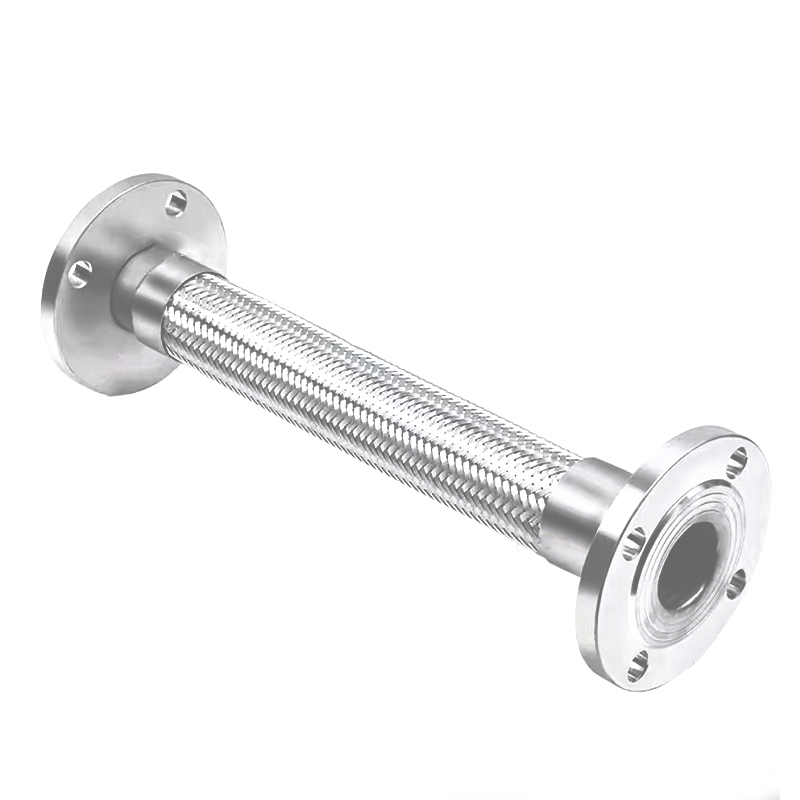
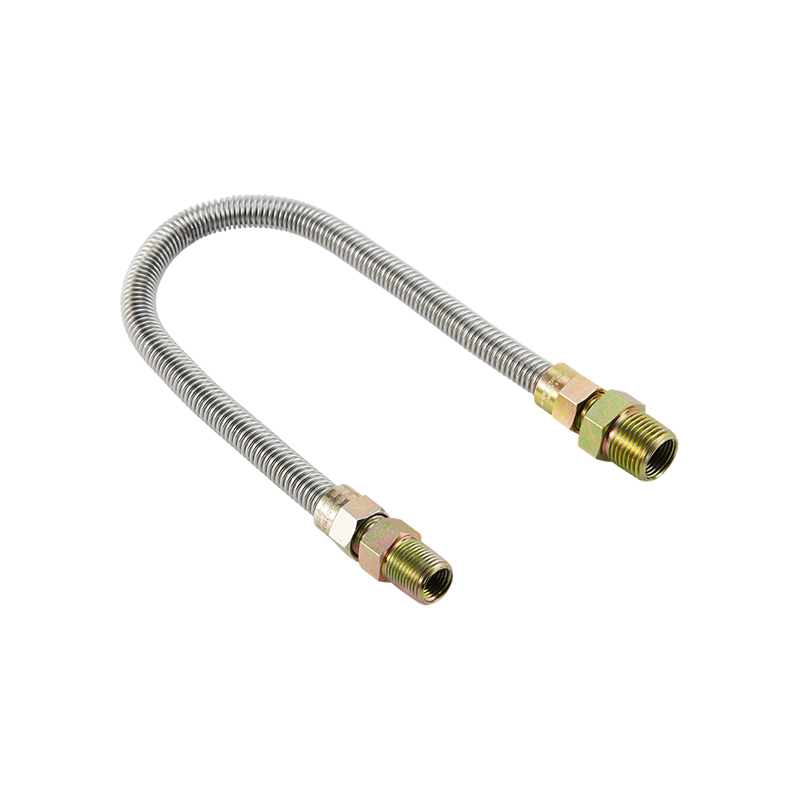
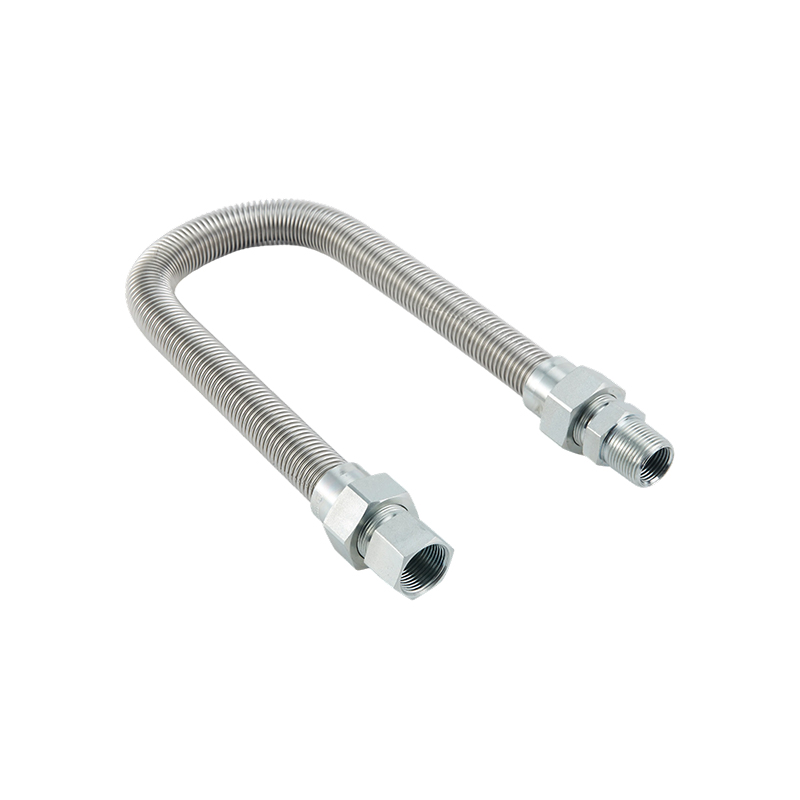
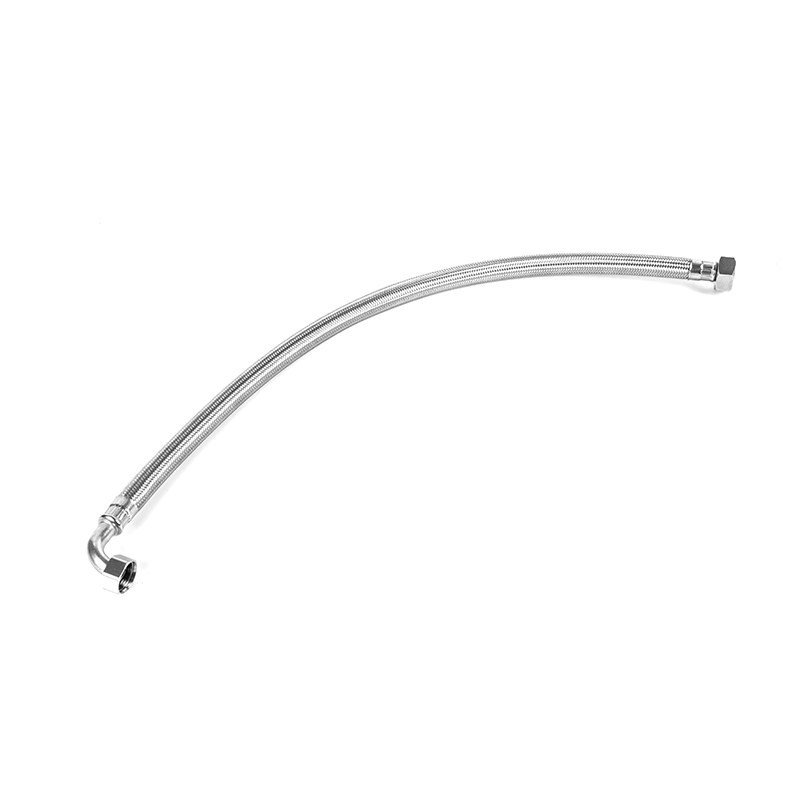 Flexible Metal Corrugated Expansion JointFlexible metal compensator in 304 stainless or carbon steel, with flange, weld, or quick-connect options; compare construction and connection choices before setting test requirements.View Product →
Testing, Documentation, and Manufacturing Control
A pressure balanced expansion joint is only as good as its bellows welds, tie-rod connections, and final movement check. Ask for a test plan that matches the service: hydrostatic test, leak test where specified, dimensional check, and material traceability. For critical lines, review weld procedures, NDT requirements, and fatigue design against EJMA or the project standard.
- Review the movement, pressure, temperature, and cycle data before releasing the drawing.
- Check material certificates and incoming inspection records for bellows and pressure parts.
- Verify welds, heat treatment where required, and dimensional conformance after assembly.
- Perform pressure and leak tests to the project specification, then confirm free movement before packing.
- Ship with shipping bars, orientation marks, and installation instructions that match the approved drawing.
Haoyin (Ningbo) Bellows Technology Co., Ltd. reports 20 years in stainless steel bellows manufacturing, an 18,000 square meter workshop, ISO 9001, ISO 14001, and ISO 45001 systems, and a flexible metal compensator line for piping expansion duty. Those facts are useful during supplier qualification, but they do not replace project-specific calculations, drawings, and test records.
Frequently Asked Questions
Q1. What is the difference between a pressure balanced expansion joint and a standard axial expansion joint?
A standard axial joint sends pressure thrust to anchors and equipment. A pressure balanced joint uses a second bellows and tie rods to cancel most of that thrust internally. It still transmits spring, friction, and weight loads.
Q2. How do I calculate anchor loads for a pressure balanced expansion joint?
Start with spring force at installed and operating deflection, guide friction, pipe weight, and dynamic loads. Pressure thrust is largely balanced inside the unit, but verify residual loads and adjacent unprotected pipe sections with the manufacturer.
Q3. Can it absorb axial and lateral movement at the same time?
Many designs can, but the allowable combination is not a simple addition. Each movement consumes bellows fatigue life, so provide axial, lateral, angular, and installation tolerance data in the inquiry.
Q4. Do pressure balanced expansion joints still need main anchors and guides?
Yes. Anchors and guides control pipe movement and protect the bellows from torsion and buckling. The balanced design changes thrust, not the need for a stable pipe layout.
Q5. Which materials are used for metal bellows expansion joints?
Austenitic stainless steels such as 304 and 316L are common. Higher-alloy grades may be needed for chlorides, high temperature, or corrosive condensate. Flanges, tie rods, and covers should match the service conditions.
Q6. What tests should be requested before shipment?
Ask for dimensional inspection, hydrostatic or leak testing to the project specification, material certificates, weld inspection records, and a movement check. Shipping bars and installation instructions should be included.