




 English
  Español
  русский


The direct answer: stainless steel flexible gas connectors are among the safest gas connection solutions available today — when correctly specified, properly installed, and sourced from certified manufacturers. Modern connectors built to ANSI Z21.24, CSA 6.10, or EN14800 standards undergo rigorous pressure, corrosion, and fatigue testing before reaching the market. Failure rates on compliant products are statistically very low, and the vast majority of gas connector incidents traced in safety investigations involve improper installation, incorrect product selection, or the use of non-certified components.
That said, safety is not automatic. Understanding the construction differences, coating options, applicable standards, and correct installation practices is essential for anyone specifying or installing a stainless steel flexible gas hose in a residential, commercial, or industrial setting. This guide covers all of it — with concrete data and practical guidance.
What Makes Stainless Steel the Preferred Material for Flexible Gas Connectors
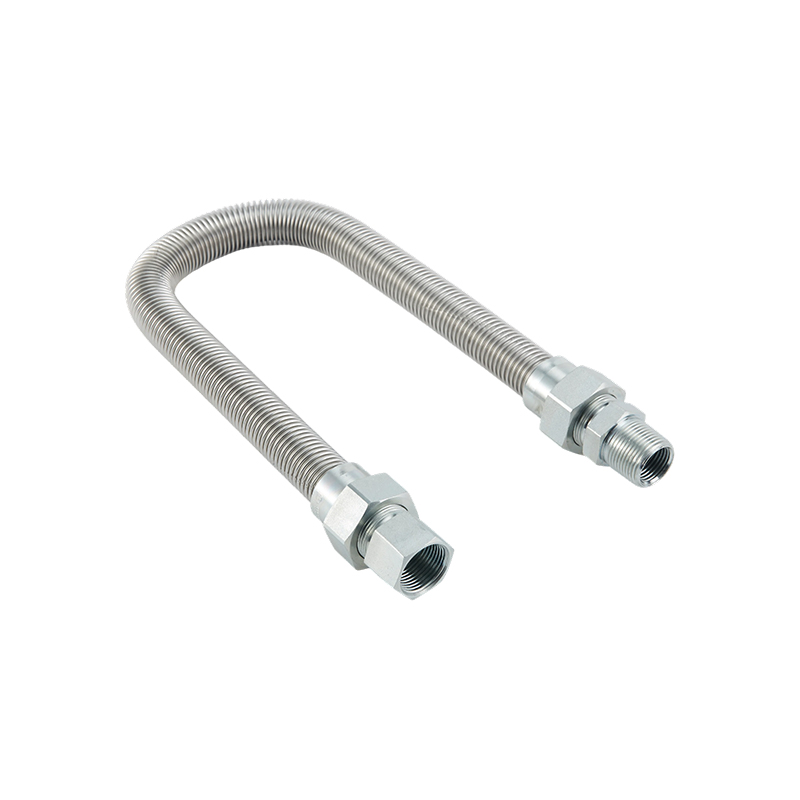
Not all flexible connectors are made equal. Stainless steel — specifically austenitic grades such as 304 and 316 — has become the dominant material for gas connectors globally because of its unique combination of mechanical and chemical properties.
- Corrosion resistance — stainless steel resists oxidation, moisture, and exposure to gas odorants (mercaptans) that degrade standard carbon steel or brass fittings over time
- Fatigue resistance — the corrugated bellows structure allows repeated flexing without metal fatigue, tested to millions of bend cycles in compliance products
- High temperature tolerance — 304 SS maintains structural integrity from -196°C to 870°C, well beyond the operating range of any residential or commercial gas appliance
- Pressure capacity — a properly manufactured stainless steel flexible gas connector handles working pressures from standard low-pressure residential (0.25 psi / 1.72 kPa) up to 5 psi (34.5 kPa) for commercial applications, with burst pressure ratings typically 5–10x the working pressure
- Long service life — quality stainless steel connectors carry service life ratings of 15–20 years or more, significantly outlasting uncoated brass or polymer alternatives
By comparison, older uncoated aluminum or chrome-plated brass connectors — which dominated the market before the 1990s — showed significantly higher failure rates due to stress corrosion cracking and physical damage. Industry-wide shifts to stainless steel construction, formalized in updated standards from the mid-1990s onward, directly correlated with a measurable decline in gas connector-related incidents.
Coating Options and What Each Protects Against
While stainless steel is inherently corrosion-resistant, exterior coatings add specific protection layers depending on the installation environment. The two most common coating systems in current production are PVC coating and yellow polymer coating — each designed for different conditions.
PVC Coated Gas Connector
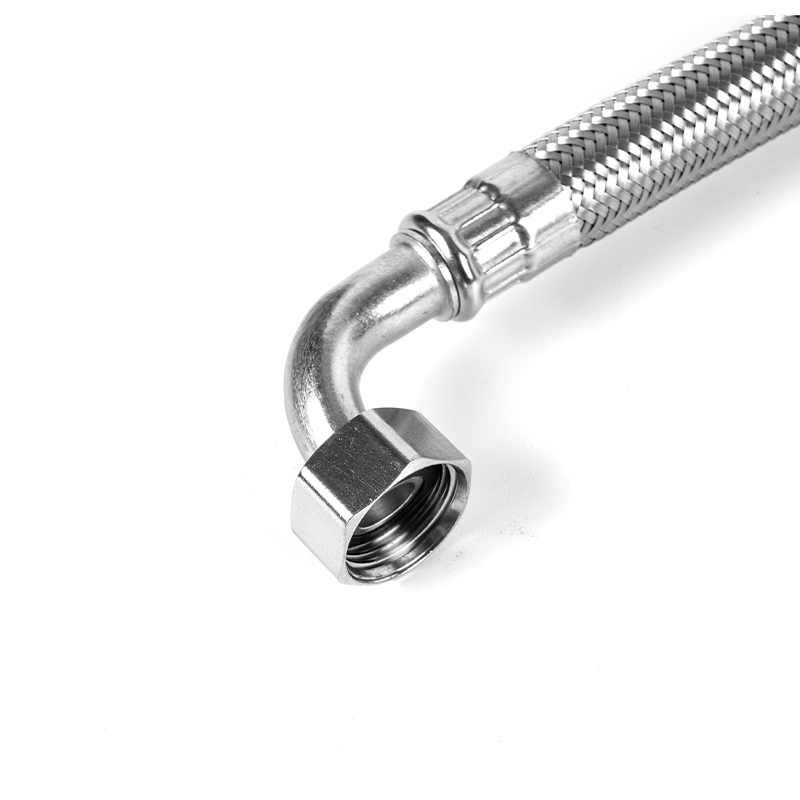
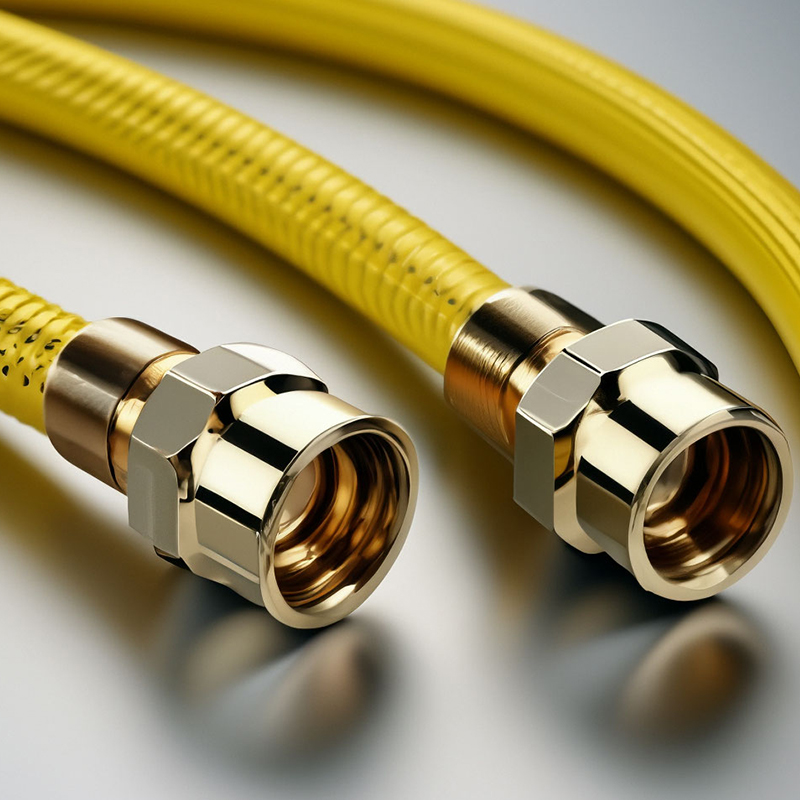
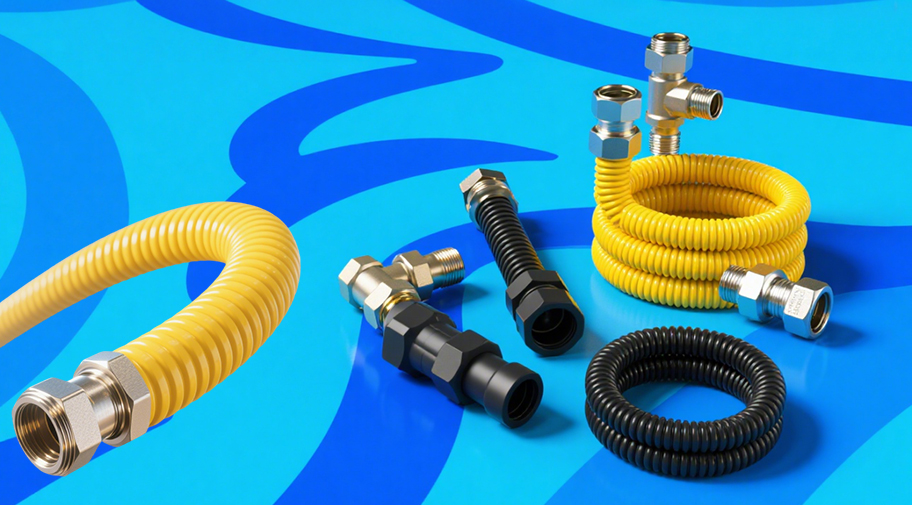
A PVC coated gas connector applies a polyvinyl chloride jacket over the stainless steel corrugated core. This coating provides physical protection against abrasion, surface scratching during installation, and mild chemical exposure from cleaning agents or condensation. PVC-coated connectors are widely used in indoor residential and commercial installations where the connector may be exposed to mechanical contact with cabinetry, flooring, or other surfaces.
Key characteristics of PVC coating: operating temperature typically rated to 70°C continuous, good resistance to household chemicals, and ease of visual inspection since surface damage to the coating is immediately visible before any damage reaches the steel core.
Yellow Coated Stainless Steel Gas Hose
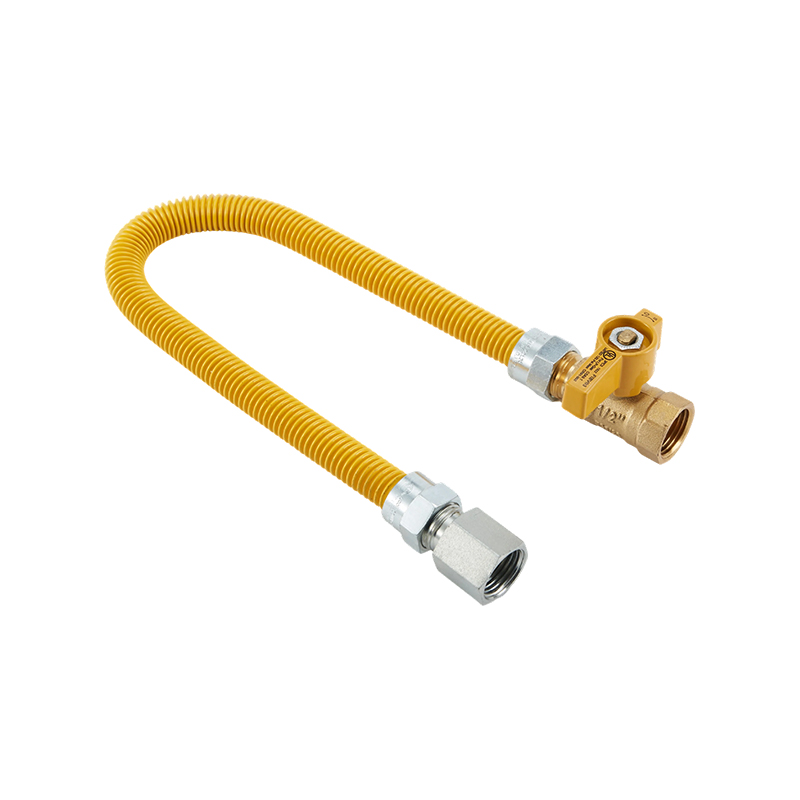
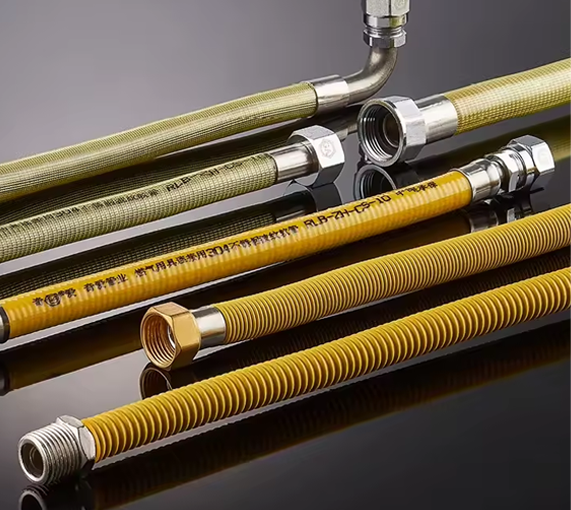
The yellow coated stainless steel gas hose — the standard color-coding used globally for gas service lines — uses a polyethylene or specialized polymer coating, primarily associated with CSST (corrugated stainless steel tubing) distribution systems. The yellow color serves as an immediate visual identifier that the line contains gas, a safety requirement in many building codes and inspection regimes.
Yellow-coated connectors and CSST lines are engineered for both indoor concealed routing and exposed installations, with the coating providing an additional dielectric barrier. In regions with lightning strike risk, this dielectric property is a significant safety consideration — see the bonding section below.
| Coating Type | Primary Protection | Typical Application | Max Operating Temp |
|---|---|---|---|
| No Coating (bare SS) | Corrosion resistance only | Exposed indoor, dry environments | 870°C (SS core) |
| PVC Coated | Abrasion, chemical splash, moisture | Residential kitchens, commercial kitchens | 70°C (coating) |
| Yellow PE / Polymer | Abrasion, dielectric barrier, visual ID | CSST distribution, concealed routing | 93°C (coating) |
| Stainless Overbraid | Mechanical impact, high pressure | Commercial, industrial applications | 500°C+ |
Understanding CSST Gas Connector Safety and Bonding Requirements
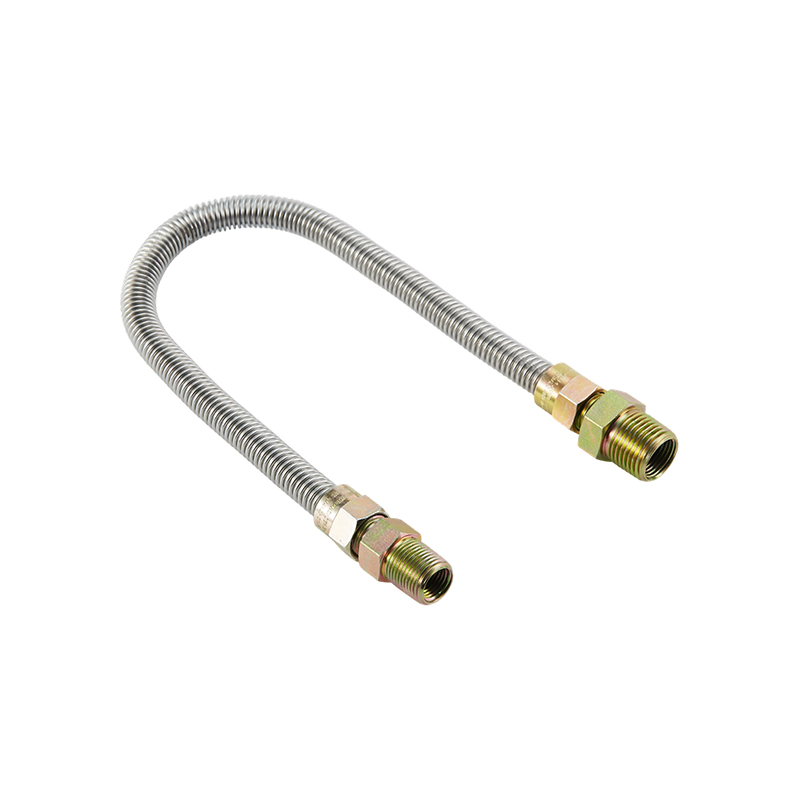
The CSST gas connector — corrugated stainless steel tubing — is now the dominant gas distribution method in new residential construction across North America, Europe, and much of Asia Pacific, having largely replaced rigid black iron pipe for interior gas runs. Its advantages are significant: flexible routing reduces the number of fittings required, installation is faster, and seismic flexibility is built into the corrugated structure.
However, CSST's thinner wall construction (typically 0.008–0.012 inches / 0.2–0.3 mm) compared to rigid black iron pipe (0.12–0.17 inches) means it requires specific installation practices to maintain long-term safety:
- Bonding and grounding — building codes in the US (NFPA 54, IRC) and many international standards require CSST systems to be bonded to the home's electrical grounding system. This prevents the thinner tubing from being punctured by electrical arcing during a nearby lightning strike. Bonded CSST systems perform comparably to rigid pipe in lightning exposure testing
- Physical protection in concealed spaces — CSST routed through wall cavities, floor joists, or near fastener zones requires steel striker plates or protective sleeves where the tubing passes through framing
- No routing in contact with other metallic systems — CSST should not be in direct, sustained contact with copper or dissimilar metals that could create galvanic cells over time
When installed per code, CSST gas connector systems have demonstrated a strong safety record. A 2019 industry safety review found that over 95% of CSST-related incidents involved either unbonded installations or physical damage from construction activities — both preventable with correct installation practice.
Key Safety Standards Every Certified Connector Must Meet
Certification is the single most reliable safety indicator when sourcing a stainless steel flexible gas hose. Standards vary by region, but all reputable certification bodies require testing across the same fundamental performance dimensions.
Certification Test Requirements: Minimum Performance Thresholds by Category
Burst Pressure Test (× working pressure)5–10×
Flex Fatigue Cycles (minimum)500,000+
Salt Spray Corrosion Test (hours)96–500 hrs
Leakage Test (at 1.5× working pressure)Zero leakage
Temperature Cycling Range-20°C to 100°C
Reference thresholds based on ANSI Z21.24 / CSA 6.10 and EN14800 certification requirements
The primary standards applicable by region are:
- ANSI Z21.24 / CSA 6.10 — North American standard for connectors for gas appliances
- EN14800 — European standard for corrugated hose assemblies for gas installations in buildings
- AS/NZS 1869 — Australian / New Zealand standard for hose assemblies for use with gas
- GB/T 26002 — Chinese national standard for flexible metal conduit and fittings
Always verify that any stainless steel flexible gas connector carries certification marks from a recognized testing body (UL, CSA, CE, or equivalent) relevant to your installation jurisdiction. Uncertified products may appear visually identical to compliant versions while lacking the structural testing that certification requires.
Installation Best Practices That Directly Affect Long-Term Safety
The majority of gas connector failures are installation errors, not product defects. Following these practices eliminates the most common failure modes:
Correct Length Selection
A connector that is too short creates tension stress at the end fittings — one of the leading mechanical failure causes. Most codes specify a maximum connector length (typically 3–6 feet / 0.9–1.8 m for residential appliances) and a minimum that ensures adequate slack for appliance movement without kinking. Never stretch a connector taut between connection points.
Avoiding Kinks and Sharp Bends
Corrugated stainless steel has a minimum bend radius specified by the manufacturer — typically 1.5–3x the connector's outer diameter. Bending tighter than this threshold work-hardens the corrugation peaks and can initiate fatigue cracking. Never bend a stainless steel flexible gas hose around a corner with a radius smaller than specified, and never use the connector to make up for misaligned inlet and outlet ports on an appliance.
Fitting Torque and Thread Sealing
Over-torquing end fittings is a frequent installer error that deforms the brass fitting seats and creates leak paths. Use a calibrated torque wrench and the manufacturer's specified torque value — typically 15–35 Nm depending on fitting size. Apply gas-rated thread sealant or PTFE tape only to male NPT threads, never to flare or compression seats.
Post-Installation Leak Testing
Every installation — new or replacement — requires a leak test before the appliance is operated. Apply gas leak detection solution (or soapy water as a minimum) to all connections and watch for 30 seconds minimum for bubble formation. Electronic combustible gas detectors provide more reliable detection for connections in confined spaces. Never use an open flame to check for gas leaks.
When to Inspect and Replace Your Gas Connector
Even a properly installed, certified stainless steel flexible gas connector has a finite service life. The US Consumer Product Safety Commission (CPSC) and industry guidelines recommend inspection at defined intervals and mandatory replacement under specific conditions.
Recommended Inspection Frequency vs. Connector Age (Relative Risk Index)
Inspection frequency should increase as connector age increases, particularly after year 10
Replace a gas connector immediately if any of the following conditions are present:
- Visible corrosion, pitting, or discoloration on the stainless steel body or end fittings
- Any kink, sharp bend, or crimp in the corrugated section
- Cracking, hardening, or peeling of the PVC coating or yellow coated stainless steel gas hose jacket
- Connector is more than 15 years old regardless of visible condition
- After any seismic event, flood, or physical impact to the appliance or connector
- If a gas odor is detected near the appliance connection — shut off gas supply and replace before resuming use
Selecting the Right Connector for Your Application
Specifying the correct stainless steel flexible gas connector requires matching four key parameters to the installation: gas type, operating pressure, connection size, and physical environment.
- Gas type compatibility — confirm the connector is rated for natural gas (NG), liquefied petroleum gas (LPG / propane), or both. Not all connectors are interchangeable between gas types due to differences in pressure and chemical composition
- Pressure rating — residential connectors are typically rated for low-pressure service (up to 0.5 psi / 3.5 kPa); commercial kitchen or industrial connectors must be rated for the higher operating pressures specific to that service
- End connection type and size — common residential sizes are 1/2" and 3/4" NPT male or female; confirm both the inlet and outlet fittings match the appliance and supply pipe specifications without using adapters that add leak potential
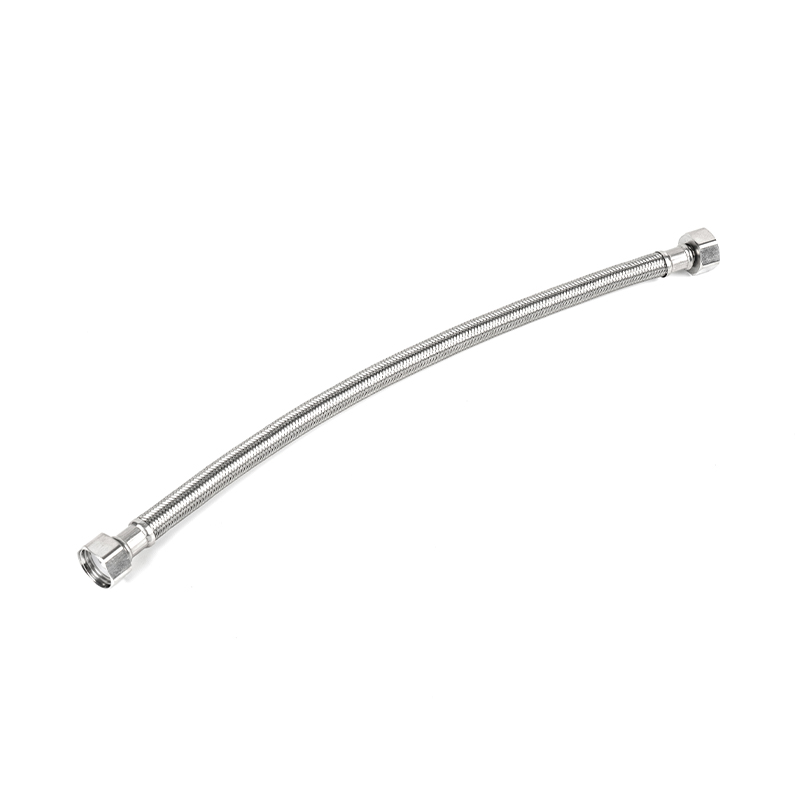
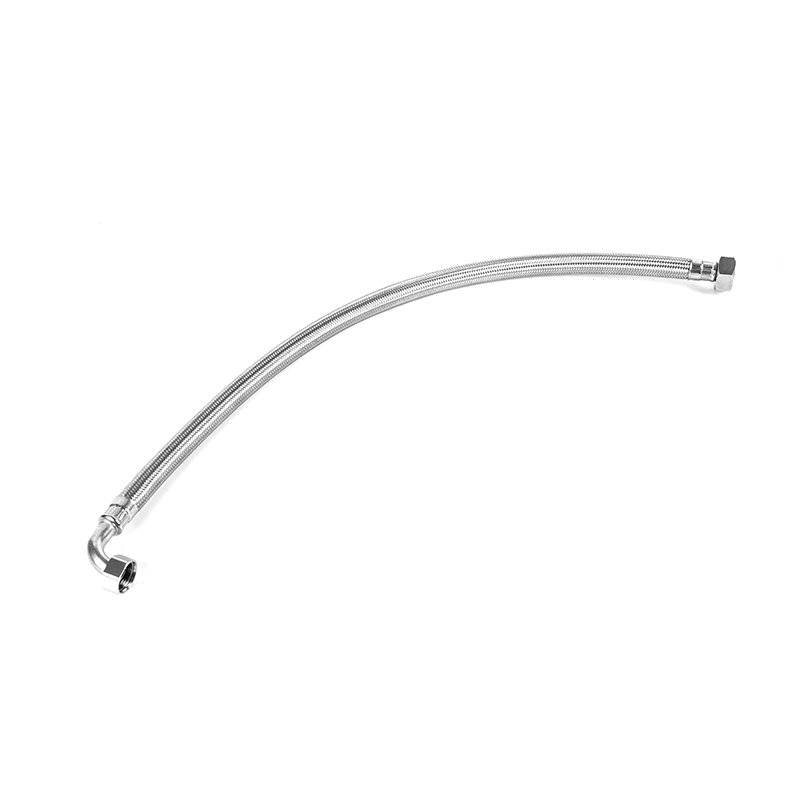
- Environment — choose a PVC coated gas connector for indoor installations with abrasion risk; choose an SS overbraid version for high-heat environments near appliance exhausts; choose yellow-coated CSST for concealed interior runs requiring code-compliant visual identification
| Application | Recommended Type | Typical Size | Key Requirement |
|---|---|---|---|
| Residential range / oven | PVC Coated SS Connector | 1/2" × 24"–48" | ANSI Z21.24 certified |
| Residential water heater | Bare SS or PVC Coated | 1/2" × 18"–36" | Adequate slack for tank movement |
| Commercial kitchen equipment | SS Overbraid High-Pressure | 3/4"–1" × 24"–60" | Quick-disconnect fitting, rated 5 psi+ |
| Interior concealed gas runs | Yellow Coated CSST | 3/8"–1" diameter | Bonding to electrical ground required |
| Outdoor BBQ / patio heater | UV-resistant SS Connector | 3/8"–1/2" × 18"–72" | LPG rated, UV-stable coating |
About Haoyin (Ningbo) Bellows Technology Co., Ltd.
Haoyin (Ningbo) Bellows Technology Co., Ltd. is a professional enterprise specializing in the R&D, design, manufacturing, and sales of stainless steel bellows. Committed to providing safe, efficient, and durable flexible connection solutions for gas, plumbing, heating, and related fields, Haoyin serves clients across residential, commercial, and industrial sectors worldwide.
As a professional OEM Stainless Steel Flexible Gas Connector manufacturer and ODM custom CSST gas connector factory, Haoyin covers an area of 35 mu with 18,000 square meters of standardized workshops. The company holds multiple management system certifications including ISO9001, ISO14001, and ISO45001, reflecting its integrated approach to quality, environment, and occupational safety.
Recognized as a National High-tech Enterprise and Green Factory, Haoyin adheres to the philosophy of "Striving for Excellence, Forging Quality." A full-process quality management system — from raw material screening and structural design through manufacturing, performance testing, and after-sales support — ensures consistent product reliability and maximum customer value in every order.
18,000 m²
Workshop Area
ISO 9001
Quality Certified
OEM & ODM
Custom Solutions
Green Factory
National Recognition