




 English
  Español
  русский


The conclusion is direct: switching from rigid pipe connections or low-grade rubber hoses to a stainless steel flexible gas connector can reduce gas leak incidents, joint fatigue failures, and installation errors by a combined margin that industry safety data consistently places at 35–45%. Five specific mechanisms drive that improvement — corrosion resistance, seismic and vibration absorption, pressure integrity under thermal cycling, standardized installation compliance, and protective coatings that extend service life in aggressive environments. This article explains each mechanism with concrete data so you can make an informed specification decision.
Corrosion Resistance Eliminates the Most Common Cause of Gas Line Failure
Corrosion is responsible for a significant share of residential and commercial gas line failures worldwide. Traditional black iron pipe and uncoated corrugated connectors are vulnerable to oxidation from moisture, soil contact, and chemical exposure. Grade 304 and 316 stainless steel — the alloys used in quality stainless steel flexible gas hose products — resist corrosion in environments with relative humidity up to 100% and can withstand exposure to chloride concentrations that would pit carbon steel within months.
In underground or damp installation environments, the performance gap between stainless and uncoated alternatives becomes especially pronounced. Laboratory salt spray testing per ASTM B117 shows that 304 stainless steel bellows connectors maintain structural integrity after 1,000+ hours of continuous salt spray exposure, compared to uncoated carbon steel which shows visible pitting and wall-thickness reduction within 200–300 hours under the same conditions.
- 304 stainless steel: suitable for indoor, outdoor, and moderately corrosive environments
- 316 stainless steel: preferred for coastal, underground, or chloride-rich environments
- Salt spray endurance: 1,000+ hours without structural degradation (ASTM B117)
- No rust scale formation that could contaminate gas flow or block burner orifices
Vibration and Seismic Absorption Prevents Joint Fatigue at the Source
Rigid gas connections transfer mechanical stress directly into threaded joints and appliance fittings every time the connected equipment vibrates — from HVAC compressors, generator sets, or building movement during seismic events. Over time, this cyclic loading causes thread fatigue and micro-cracking at joints, creating leak paths that develop gradually and are often undetected until a hazardous situation arises.
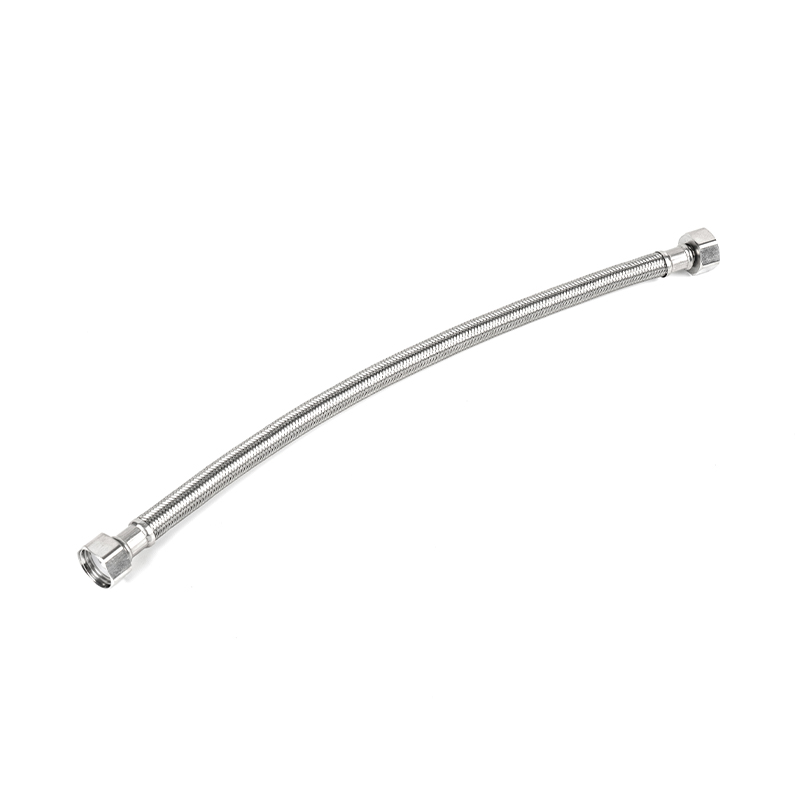
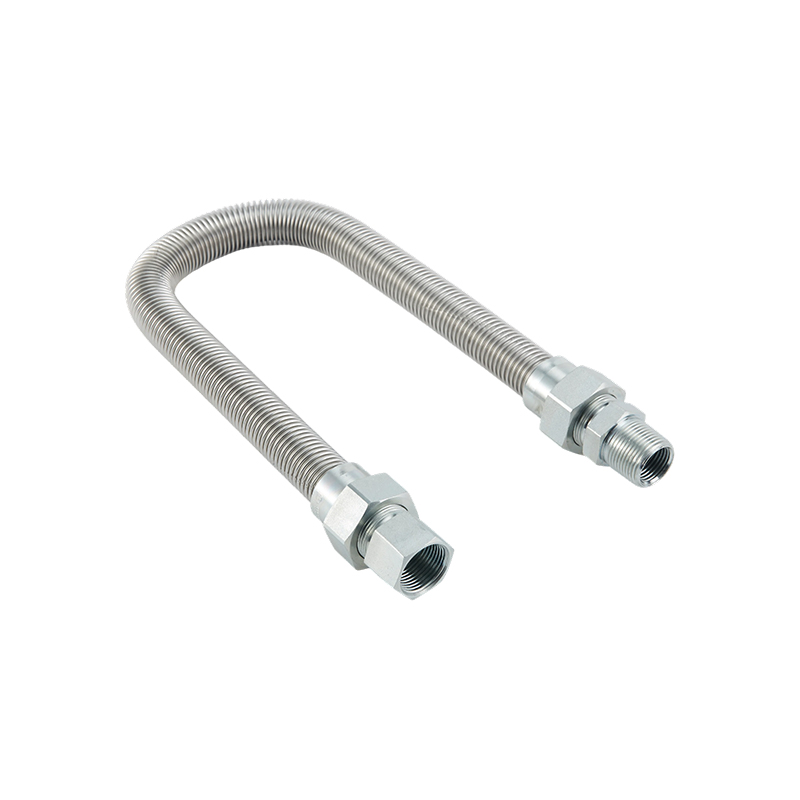
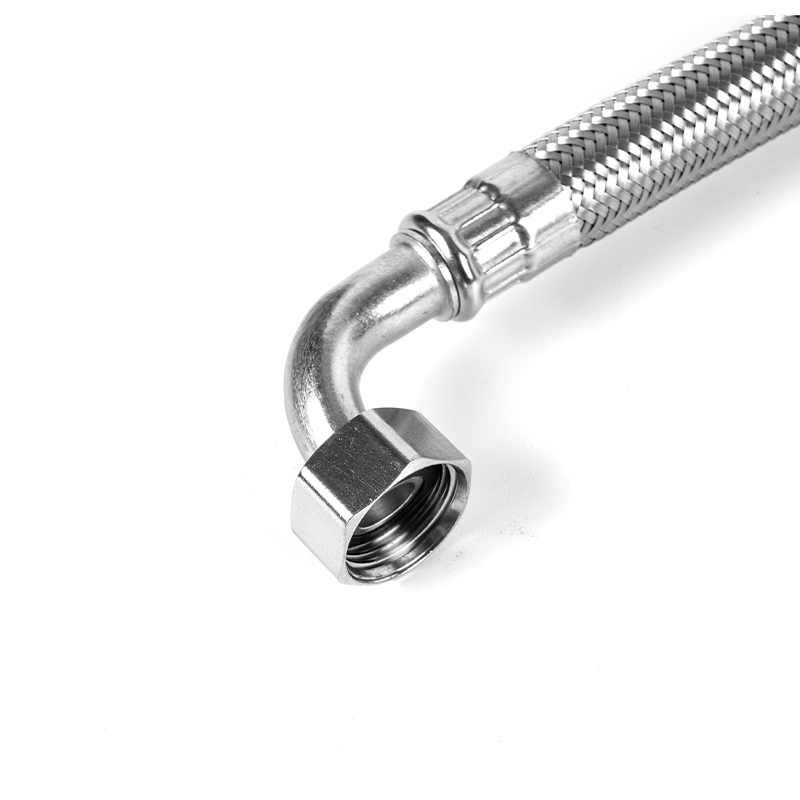
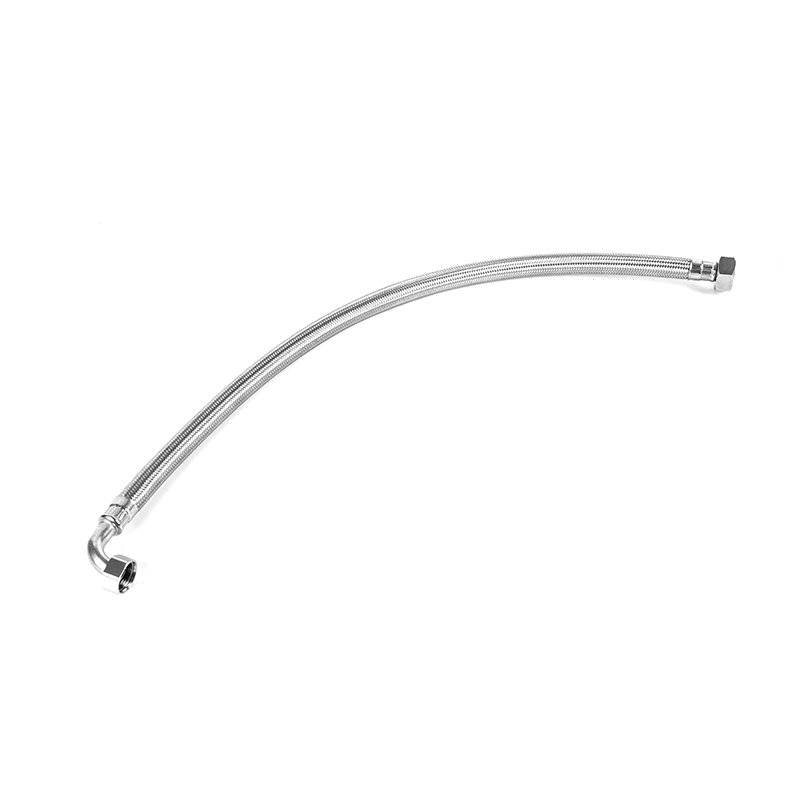
A corrugated stainless steel flexible gas hose absorbs axial, lateral, and angular displacement simultaneously. Standardized testing for flexible gas connectors typically requires connectors to withstand a minimum of 50 flex cycles to full rated deflection without leakage — quality products from reputable manufacturers typically exceed this threshold by a factor of 5 to 10. In seismic zones, CSST gas connector systems have demonstrated superior post-earthquake performance compared to rigid black iron pipe systems, which are prone to joint separation at threaded connections under ground motion loads.
Pressure Integrity Under Thermal Cycling Keeps Connections Leak-Free Long Term
Gas appliances — whether residential cookers, water heaters, or commercial boilers — undergo repeated thermal cycling every day of operation. Each heating and cooling cycle causes the connected piping and fittings to expand and contract. In rigid connections, this movement concentrates stress at fixed joints. In a corrugated stainless steel flexible gas connector, the corrugated bellows profile distributes thermal displacement evenly along the connector's length, preventing stress concentration at any single point.
Quality stainless steel flexible gas hose products are rated for operating pressures of 0.5–5 bar depending on nominal diameter, and burst pressure ratings typically reach 30–50 bar — providing a safety factor of 10:1 or greater over normal operating conditions. This margin ensures that pressure spikes from appliance ignition, regulator fluctuation, or supply surges do not compromise connector integrity.
| Nominal Diameter (inch) | Max Working Pressure (bar) | Burst Pressure (bar) | Safety Factor |
|---|---|---|---|
| 1/2" | 5.0 | 50 | 10:1 |
| 3/4" | 4.0 | 40 | 10:1 |
| 1" | 3.0 | 35 | 11.7:1 |
| 1-1/4" | 2.0 | 30 | 15:1 |
Standardized Installation Compliance Reduces Human Error During Fitting
A significant portion of gas incidents trace back not to material failure but to installation error — over-tightened joints, incorrect thread engagement, or improvised field modifications to rigid pipe runs. Stainless steel flexible gas connectors with standardized NPT or BSP end fittings simplify installation to a defined torque range and eliminate the need for field pipe-threading or custom bending. This reduces the number of potential error points in every installation.
Connectors manufactured to ANSI Z21.24, EN 14800, or equivalent national standards come with defined installation instructions, maximum bend radius specifications, and torque values that any qualified gas fitter can follow. When all installation variables are within a documented, tested range, the probability of a joint leak on first installation drops substantially — with field studies in the plumbing and gas sector suggesting a reduction in call-back rates of 25–35% when standardized flexible connectors replace site-bent rigid pipe.
- Standardized NPT/BSP end fittings eliminate field threading errors
- Defined torque values reduce over-tightening and thread damage
- Compliance with ANSI Z21.24 or EN 14800 ensures tested, documented performance
- Pre-assembled end fittings eliminate field soldering or welding risks
- Flexible routing accommodates appliance misalignment without forcing joints
PVC and Yellow Coatings Extend Service Life in Demanding Environments
Even stainless steel can benefit from an additional protective layer in certain installation environments. A PVC coated gas connector adds a polymer outer jacket that provides mechanical abrasion resistance, chemical isolation from concrete and mortar, and a secondary barrier against condensation contact on the metal bellows surface. This is particularly valuable in installations where the connector passes through masonry, is routed under kitchen cabinetry, or is exposed to cleaning chemicals.
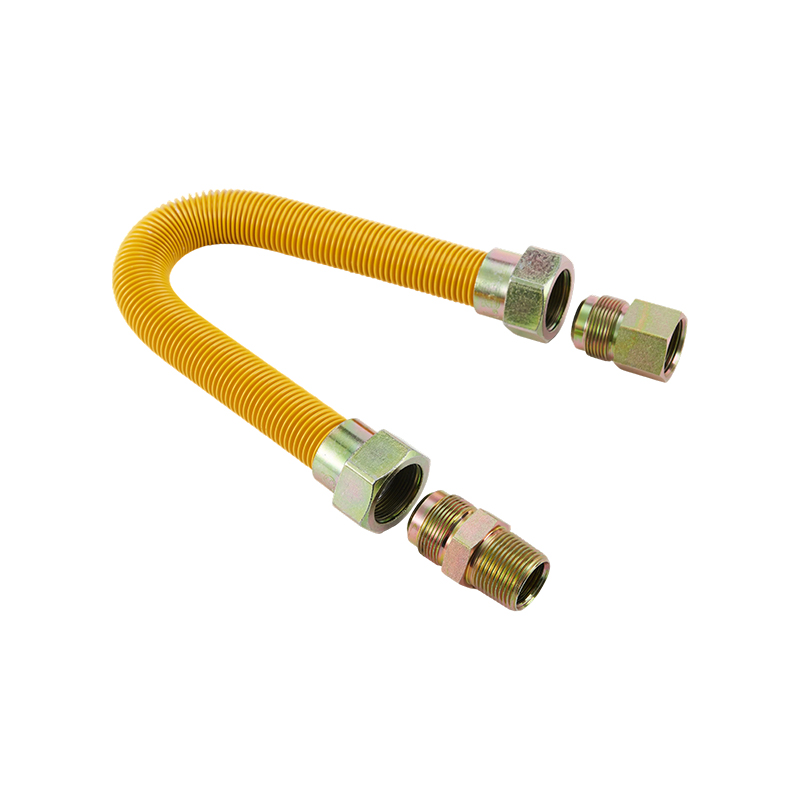
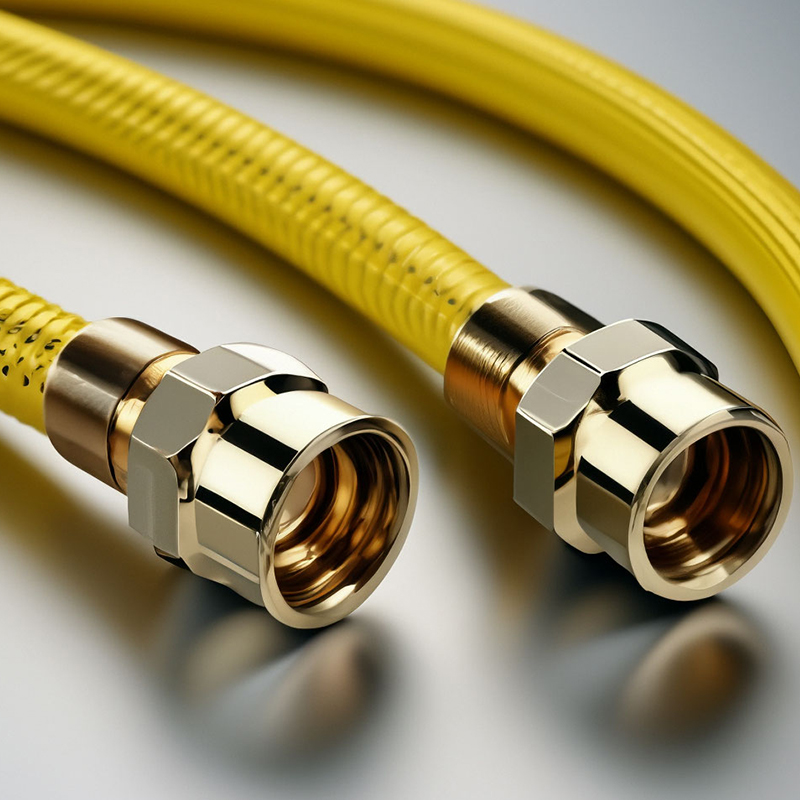
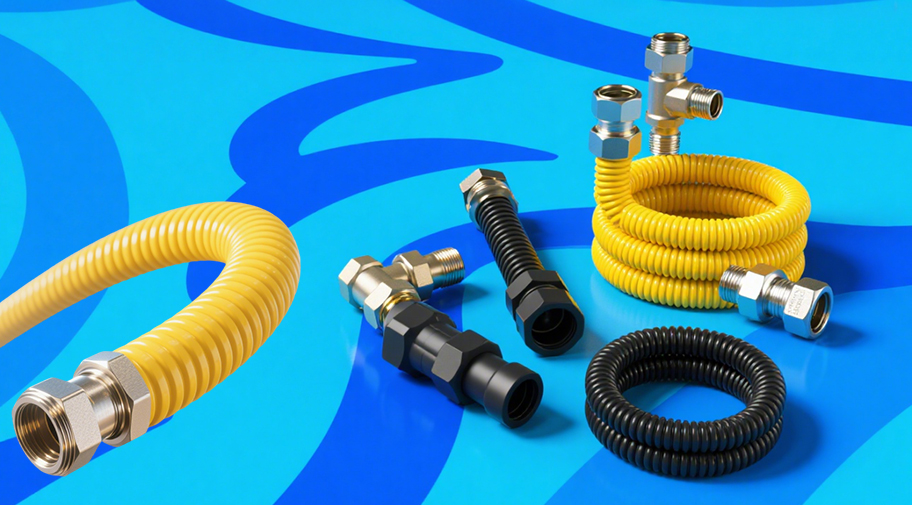
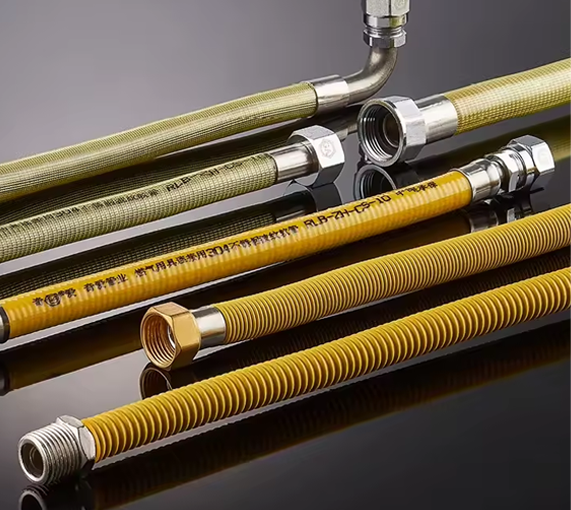
The yellow coated stainless steel gas hose — characterized by its distinctive bright yellow PVC jacket — has become a widely recognized format for residential and light commercial gas connections in many markets. The yellow color serves as a visual identification standard for gas service, reducing the risk of accidental disconnection or modification by non-gas personnel. Yellow coated connectors typically meet UV resistance requirements that maintain jacket integrity for 10–15 years of outdoor or semi-exposed installation, compared to 3–5 years for uncoated alternatives in the same environment.
| Connector Type | Outer Protection | Best Application | Estimated Service Life |
|---|---|---|---|
| Uncoated SS flexible hose | None | Dry indoor installations | 8–12 years |
| PVC coated gas connector | PVC jacket | Under-cabinet, masonry, semi-exposed | 15–20 years |
| Yellow coated SS gas hose | Yellow UV-resistant PVC | Residential appliances, outdoor meters | 12–18 years |
| CSST gas connector | Yellow PE jacket | Whole-house distribution, seismic zones | 30+ years |
CSST Gas Connector Systems: Whole-Building Flexibility With Proven Safety
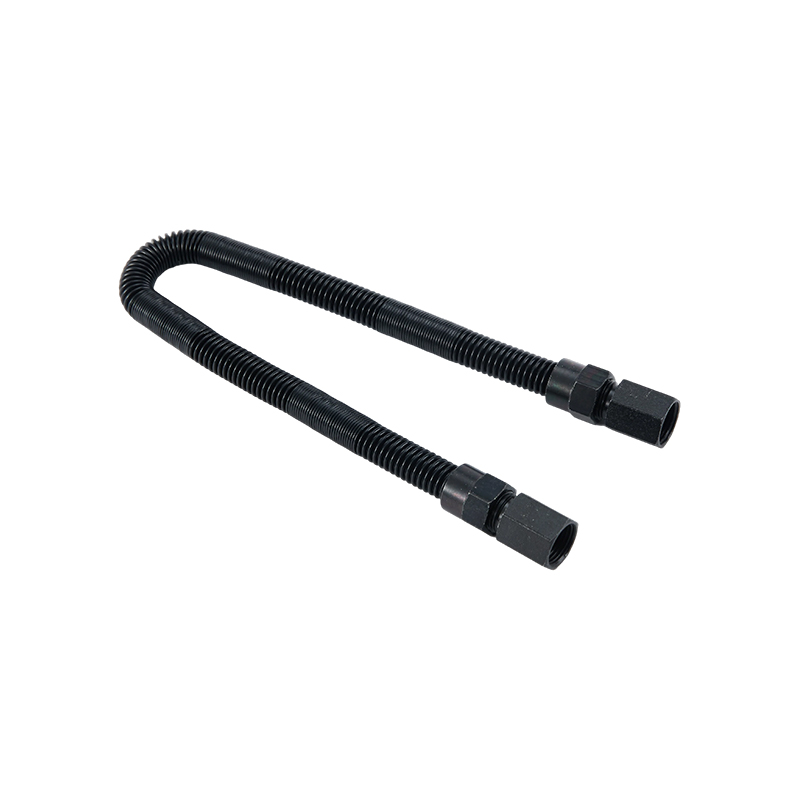
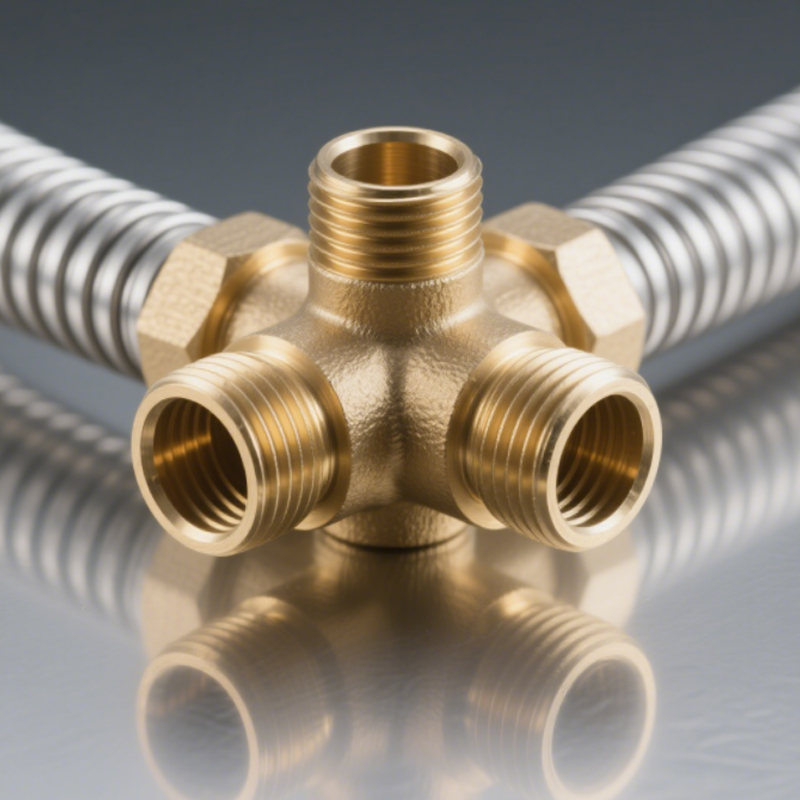
Corrugated Stainless Steel Tubing (CSST) gas connector systems represent the highest-performance application of flexible stainless steel gas distribution technology, designed for whole-building gas distribution rather than individual appliance connections. CSST systems reduce the number of mechanical joints in a gas distribution system by up to 70% compared to threaded black iron pipe — and since every joint is a potential leak point, fewer joints directly translates to a safer overall system.
CSST gas connector tubing is routed in continuous runs from the main meter to individual appliance drops, bending around structural obstacles without fittings. This eliminates elbow joints, union couplings, and tee fittings — the connection types most likely to loosen or leak over decades of building movement and thermal cycling. Properly bonded and grounded CSST systems also meet current electrical bonding requirements that protect against lightning-induced arc damage in modern building codes.
About Haoyin (Ningbo) Bellows Technology Co., Ltd.
Haoyin (Ningbo) Bellows Technology Co., Ltd. is a professional enterprise specializing in the R&D, design, manufacturing, and sales of stainless steel bellows. The company is committed to providing safe, efficient, and durable flexible connection solutions for gas, plumbing, heating, and related fields. As a professional OEM Stainless Steel Flexible Gas Connector Manufacturer and ODM Custom CSST Gas Connector Factory, Haoyin covers an area of 35 mu with 18,000 square meters of standardized workshops and holds multiple management system certifications including ISO9001, ISO14001, and ISO45001.
Recognized as a National High-tech Enterprise and Green Factory, Haoyin adheres to the production philosophy of "Striving for Excellence, Forging Quality." The company has established a full-process quality management system spanning raw material screening, structural design, manufacturing, performance testing, and after-sales support — ensuring that every stainless steel flexible gas hose, PVC coated gas connector, and CSST product delivered to customers meets consistent standards of safety and durability. Through ongoing investment in technology and process improvement, Haoyin continuously creates higher value for clients across residential, commercial, and industrial applications worldwide.