



 English
  Español
  русский


Buying Guide 2026
What Is a Flexible Plumbing Pipe
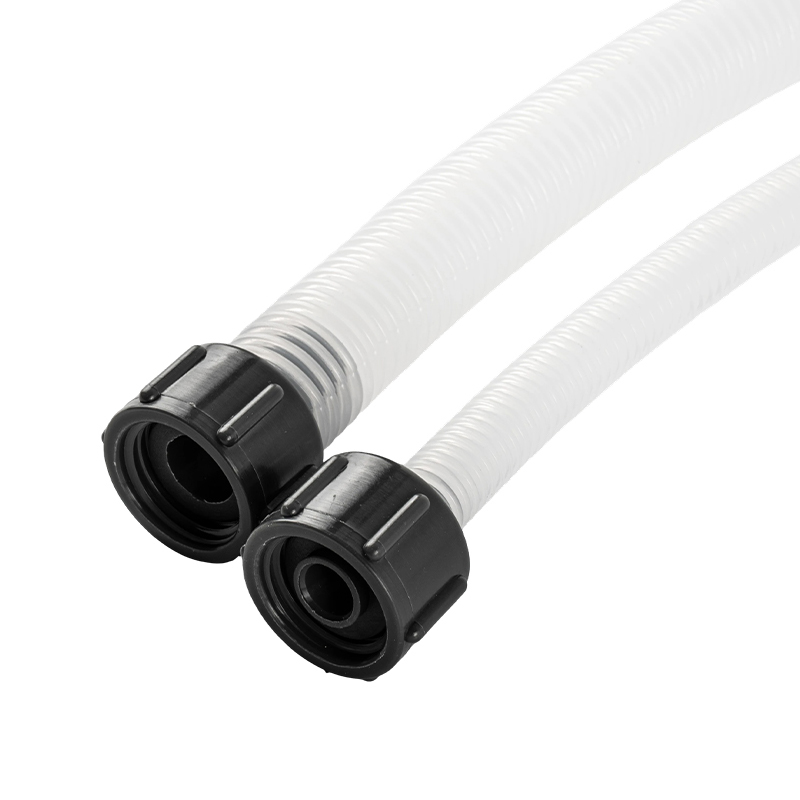
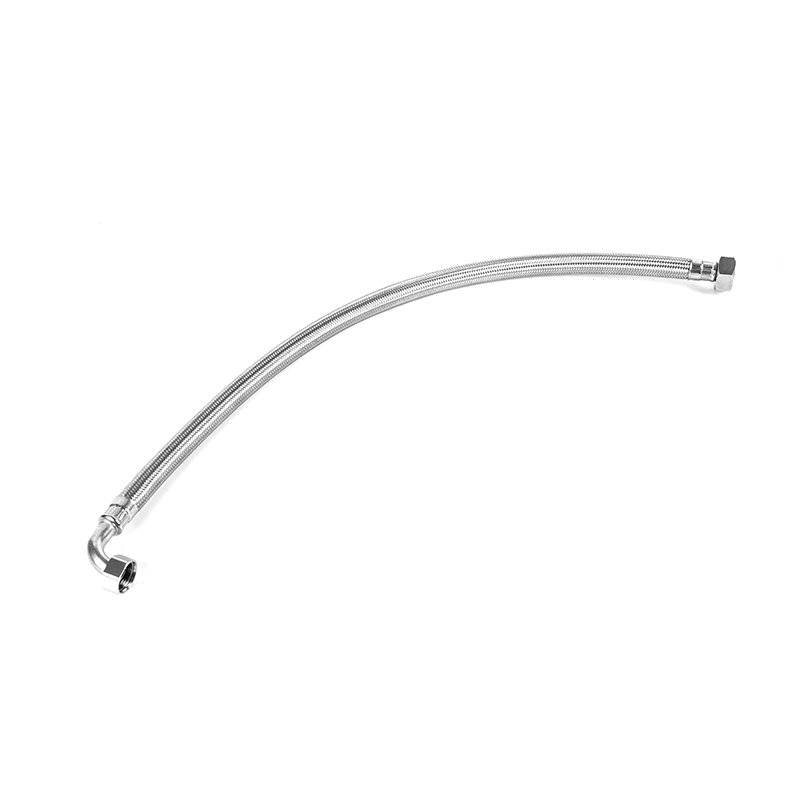
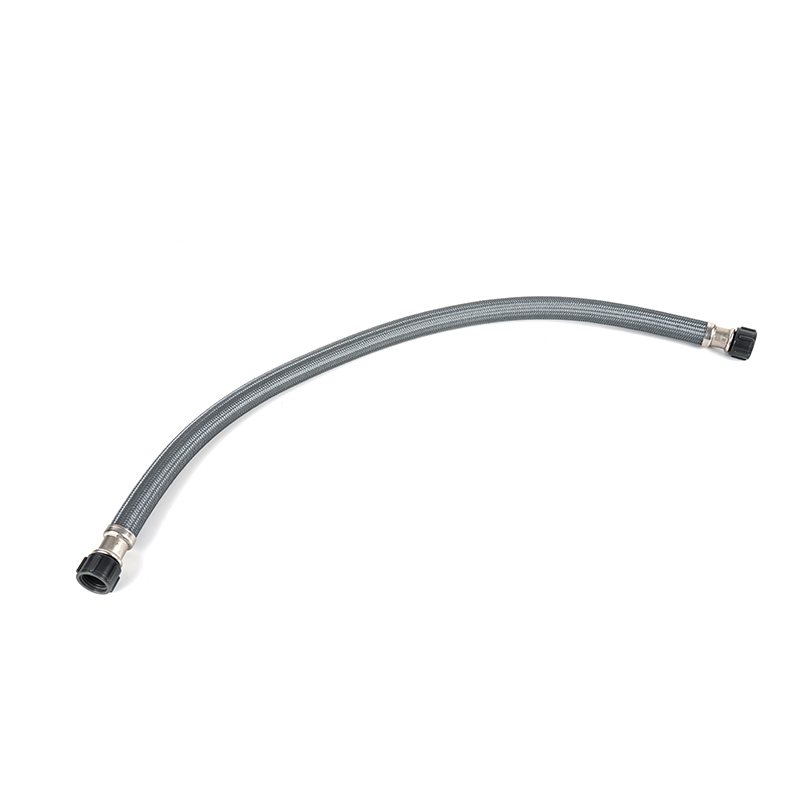
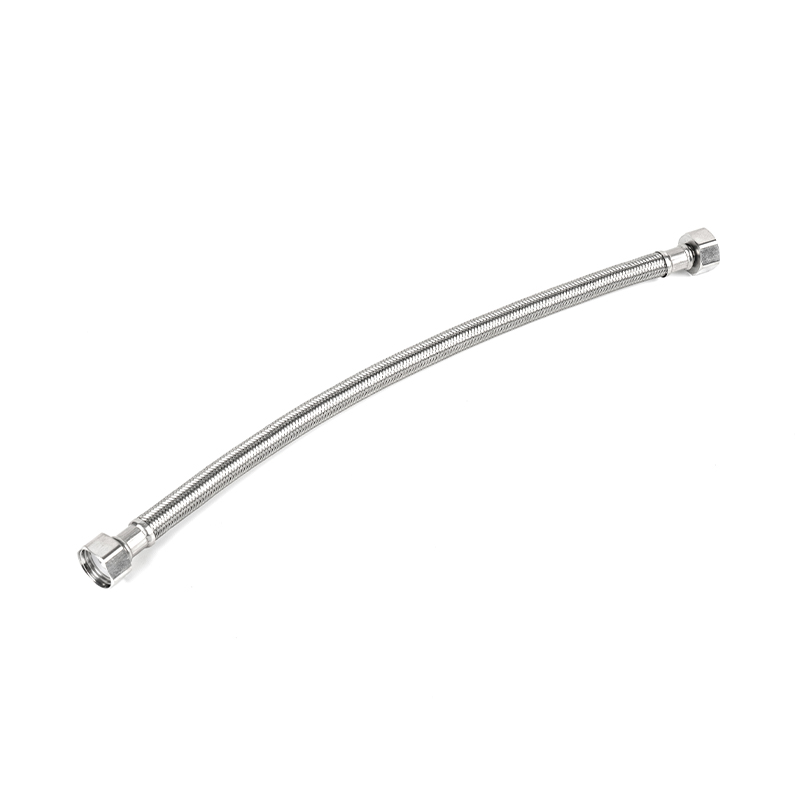
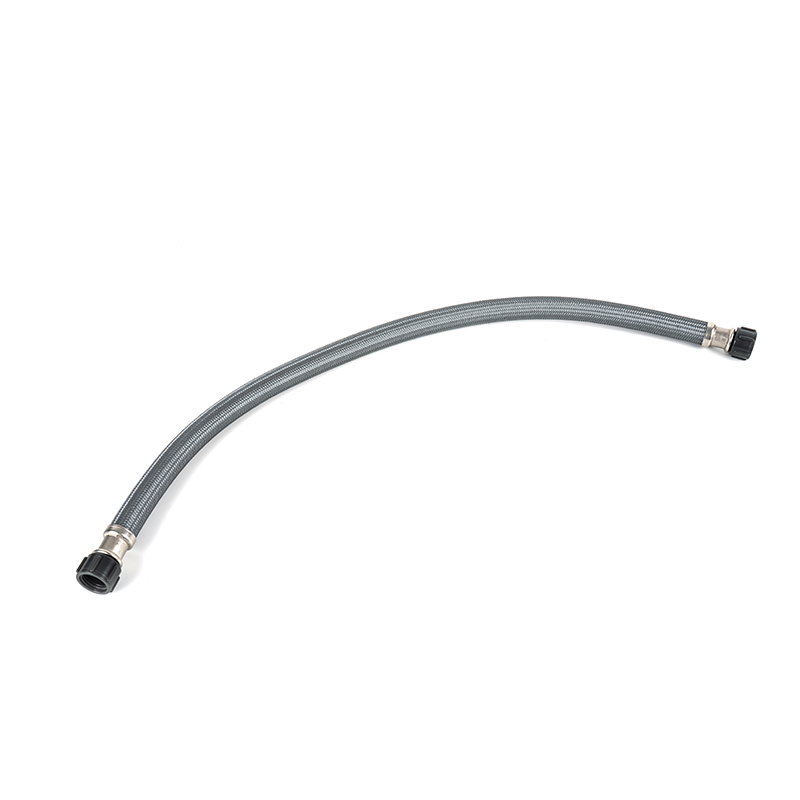
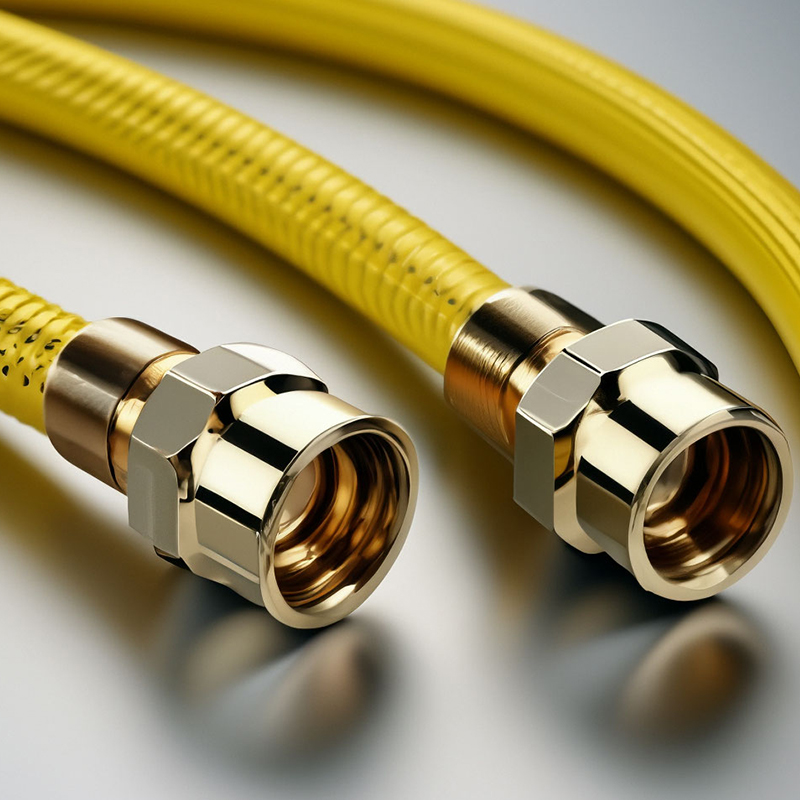
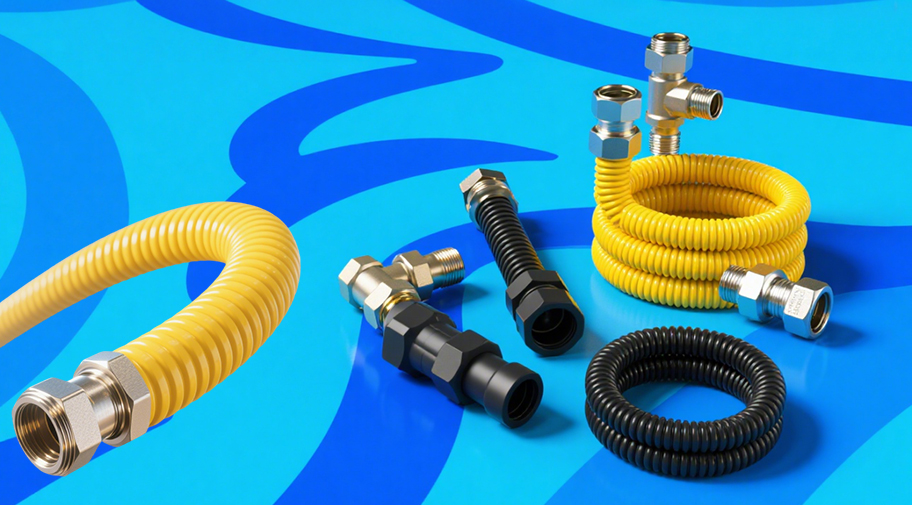
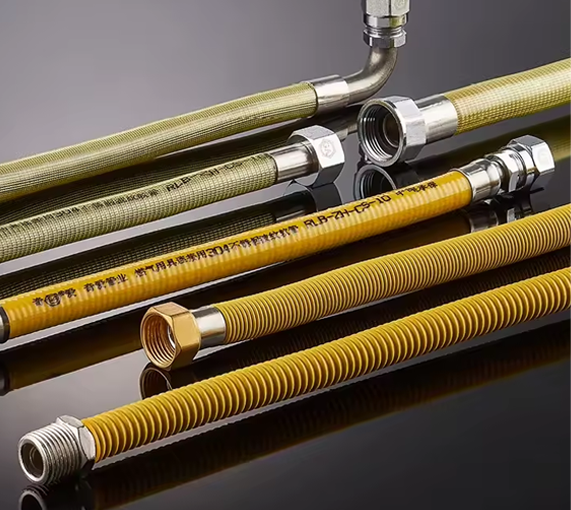
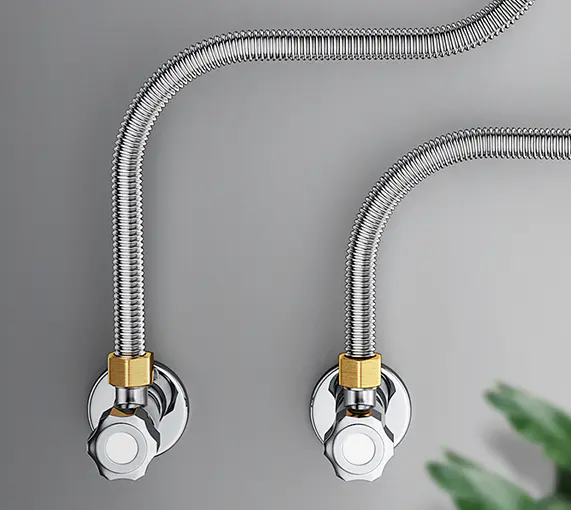
A flexible plumbing pipe is a corrugated or braided conduit built to move water between two fixed points while tolerating vibration, thermal expansion and small misalignments that a rigid pipe cannot absorb. The defining feature is a corrugated metal or composite core, most often 304 or 316L stainless steel, wrapped in a braided outer sleeve that carries the working pressure load. Plumbers and facility engineers reach for this category, often grouped under the broader label of Water Piping and Hose Assemblies, whenever a connection needs to bend by hand rather than through a series of rigid elbows and unions.
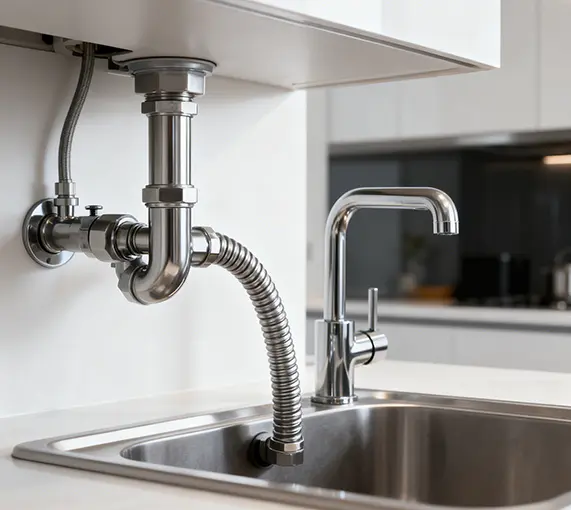
Compared with copper tube or CPVC pipe, a flexible water line shortens the physical distance a technician has to measure and cut, since the assembly itself takes up small offsets in alignment. This is why a flexible water connector shows up so widely behind sinks, water heaters, washing machines, toilets and boilers, and why longer versions of the same construction serve as a water supply hose in mechanical rooms, hydronic heating loops and light industrial fluid transfer lines.
Water Liner Construction and Why It Matters
The Corrugated Core
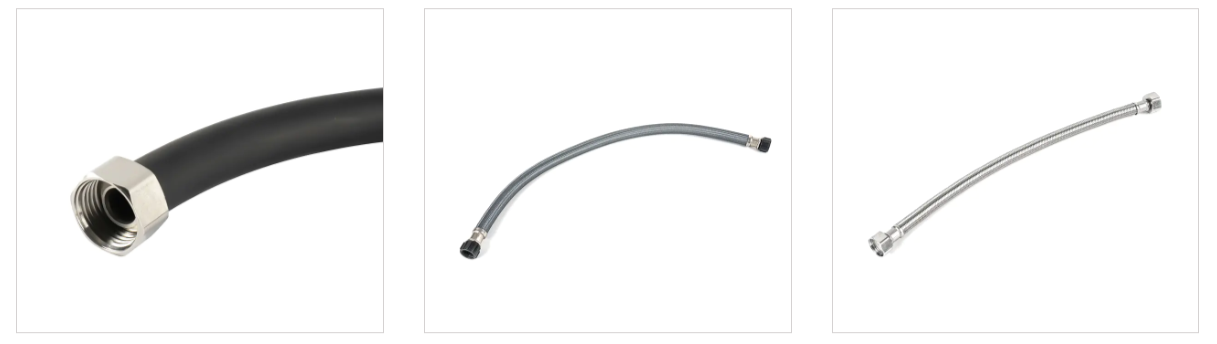
The water liner is the inner pressure bearing tube of a flexible plumbing pipe assembly. It is typically formed by rolling a straight length of stainless steel strip into a tube, welding the seam, then corrugating the wall in a continuous helical or annular pattern. This corrugation is what allows a metal tube to flex repeatedly without cracking, since each ridge acts as a small hinge that spreads bending stress along the full length of the pipe instead of concentrating it at one point.
Wall Thickness and Sealing Behavior
Wall thickness on a typical water liner ranges from roughly 0.15 mm to 0.30 mm depending on the working pressure class and outer diameter, with thicker walls generally selected for supply lines that see wider pressure swings. A properly formed liner keeps its corrugation profile uniform along the full run, which keeps the internal flow path smooth enough to avoid unnecessary turbulence and premature wear at the crest of each corrugation.
Materials Used in Flexible Plumbing Pipe and Water Piping and Hose Assemblies
Material selection changes how a braided water hose performs under repeated flexing, temperature swings and exposure to different water chemistries. The table below outlines the component roles most often found in a complete flexible plumbing pipe and Water Piping and Hose Assemblies package.
| Component | Common Material | Typical Role | Flexibility Notes |
|---|---|---|---|
| Inner Liner | 304 Stainless Steel | Carries water flow and working pressure | Good general flexibility for most indoor supply lines |
| Inner Liner, higher grade | 316L Stainless Steel | Carries flow in higher chloride or humid environments | Similar flexibility to 304 with added pitting resistance |
| Outer Sleeve | Braided Stainless Steel Wire | Restrains burst pressure and shields the liner | Adds strength while the weave pattern still allows bending |
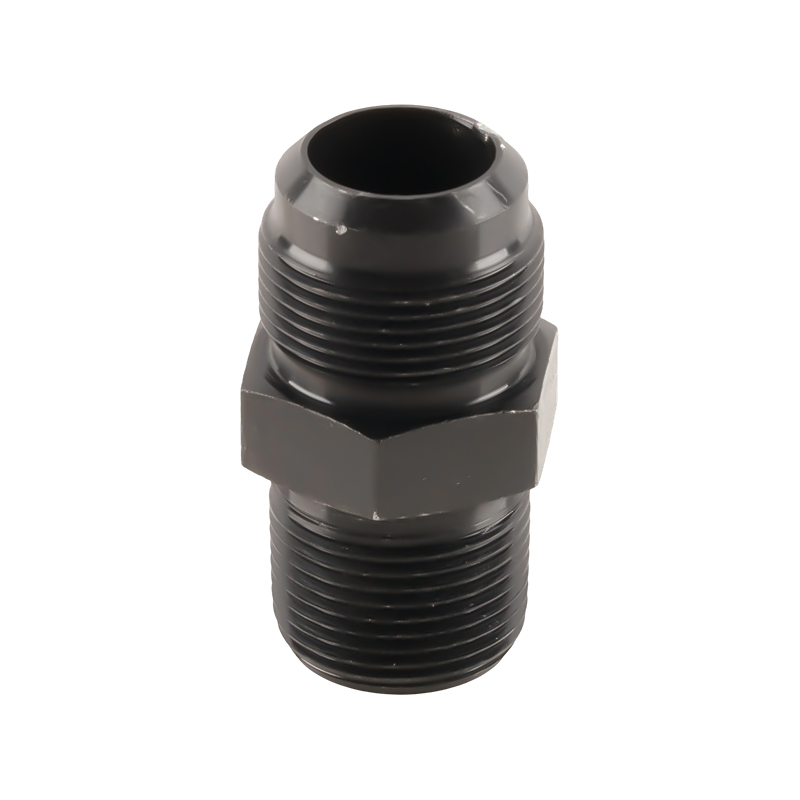
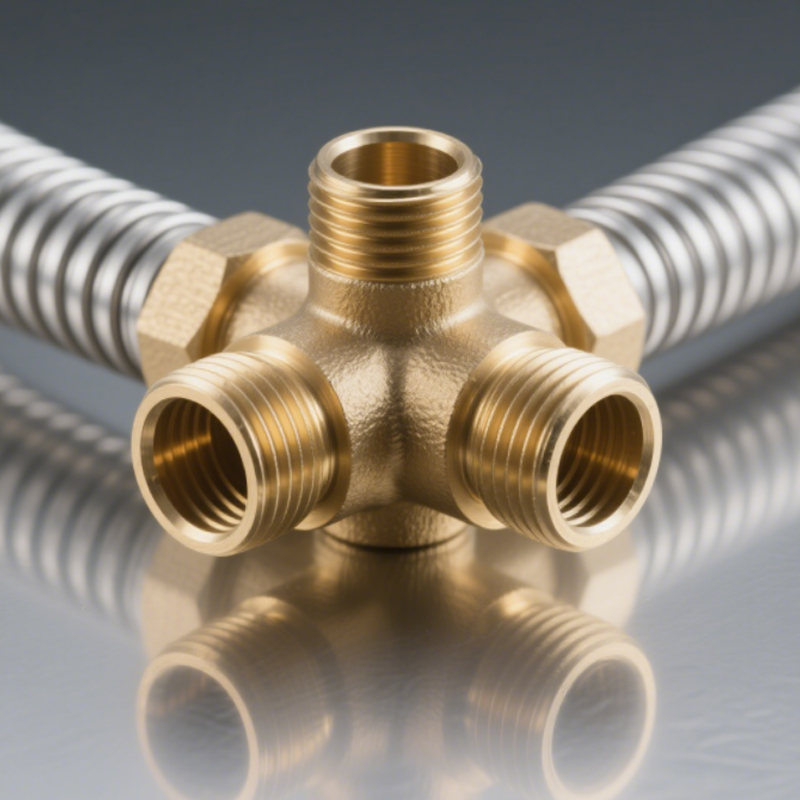
| End Fittings | Brass or Stainless Steel | Connects the assembly to fixtures or valves | Fixed, non flexible section at each end |
| Optional Outer Jacket | PVC or PE Coating | Adds a protective cover over the braid | Slight reduction in flexibility, gain in surface protection |
Common Types of Flexible Water Connectors and Braided Water Hoses
A flexible water connector is usually grouped by nominal diameter, since diameter tracks closely with the fixture or line it is meant to serve. A short three eighths inch connector suits a single faucet or angle stop, while a wider one inch water supply hose is more common on a whole line service run or a mechanical room manifold. The chart below shows a general association between nominal size and the installation context where it appears most often.
Performance Comparison Across Common Piping Options
Choosing between a flexible plumbing pipe, a rigid copper pipe and a standard rubber hose usually comes down to how each performs across a handful of practical attributes. The radar chart below lines up five criteria side by side so the trade offs are easier to see at a glance.
- Flexible Plumbing Pipe
- Rigid Copper Pipe
- Standard Rubber Hose
Bend Cycle and Fatigue Behavior of Stainless Steel Water Liners
Because a flexible plumbing pipe is expected to move slightly every time a fixture is serviced or a building settles, engineers look at how the assembly holds up over repeated bend cycles rather than judging it on a single static pressure test. The line chart below traces a general performance retention curve for a stainless steel water liner as bend cycles accumulate, which is why a generous bend radius during installation helps extend useful service life.
Corrosion Resistance by Material Grade
Corrosion resistance is one of the main reasons a stainless steel braided hose is chosen over a plain steel or galvanized alternative, especially in humid mechanical rooms or coastal installations where chloride exposure runs higher. The chart below places four common material grades on a relative resistance scale for quick comparison.
Sizing Guide for Water Supply Hose and Flexible Water Line
Getting the diameter and length right on the first attempt saves a return trip to the supply counter. The reference table below groups a flexible water line by nominal diameter alongside the connection type and use point most commonly paired with it.
| Nominal Diameter | Typical Length Range | Common Connection Type | Typical Use Point |
|---|---|---|---|
| 3/8 in | 9 in to 20 in | Compression x Compression | Angle stop to faucet |
| 1/2 in | 9 in to 24 in | Compression x Compression | Toilet tank fill valve |
| 3/4 in | 36 in to 72 in | Threaded coupling | Washing machine inlet |
| 1 in | 12 in to 60 in | Threaded coupling or flange | Water heater or manifold |
| 1.25 in to 2 in | Custom length | Flanged or welded end | Mechanical room distribution |
Step by Step Installation Guidance
A flexible plumbing pipe rewards careful handling during installation, since most early leaks trace back to a rushed connection rather than a defective part. The sequence below covers the general order of operations for a typical fixture connection.
-
Shut Off and Relieve Pressure
Shut off the upstream water supply and relieve residual pressure at the nearest open fixture before disconnecting any existing line.
-
Inspect the Ports
Inspect both connection ports for damage, debris or old sealant residue, and clean the sealing surfaces with a dry cloth.
-
Select the Right Assembly
Choose a flexible plumbing pipe or water supply hose sized to match the port thread and the running length needed, allowing a gentle curve rather than a tight fold.
-
Thread and Tighten
Hand thread the fitting onto the port until snug, then advance with a wrench a controlled quarter to half turn past hand tight, avoiding over torque on the braided nut.
-
Route with a Wide Bend
Route the assembly so the bend radius stays wide and the liner is not kinked, twisted or pressed against a sharp edge.
-
Restore Supply and Check
Restore water supply gradually and check every connection point for seepage before closing up the surrounding cabinet or wall access.
-
Recheck After First Use
Recheck the connection after the first full day of use, since fittings can settle slightly as the water liner seats against the sealing washer.
Where Flexible Plumbing Pipe and Water Liners Are Used
The same core construction serves a wide span of settings once diameter, length and end fitting are matched to the job. The categories below outline where a flexible plumbing pipe and Water Piping and Hose Assemblies most commonly appear.
-
Residential Plumbing
Connecting faucets, toilets, water heaters and washing machines where quick, tool light installation matters most.
-
Building Heating Systems
Hydronic heating loops where a flexible water line absorbs thermal expansion between rigid header pipe and individual radiators or fan coil units.
-
Healthcare Facility Piping
Settings where tightness and longer service intervals reduce how often maintenance access behind finished walls is needed.
-
Industrial HVAC
Chiller and air handling connections where vibration from rotating equipment calls for a flexible water connector rather than a rigid joint.
Choosing a Custom Flexible Plumbing Pipe Manufacturer
Sourcing from a custom flexible plumbing pipe manufacturer instead of a general hardware supplier usually makes sense once a project needs non standard lengths, specific end fittings or higher order volumes. A few practical checkpoints help narrow the search among stainless steel braided plumbing hose supplier options.
- Confirm the factory can produce the exact diameter, length and fitting combination rather than only stocking a fixed catalog.
- Ask for sample assemblies to check corrugation uniformity and braid tightness before committing to a full order.
- Review the testing equipment on site, since air tightness and burst testing capability says more about consistency than a spec sheet alone.
- Discuss OEM flexible water supply hose packaging and labeling needs early if the assemblies will carry a private brand.
- Look at responsiveness during the sampling stage as a general indicator of how a braided flexible water connector manufacturer will handle change requests during production.
A number of buyers look toward a flexible plumbing pipe factory China base once volume requirements grow, largely because of the concentration of corrugation, braiding and fitting assembly capability within a single supply region, which shortens the coordination chain between forming, testing and packing.
Manufacturing Capability Overview
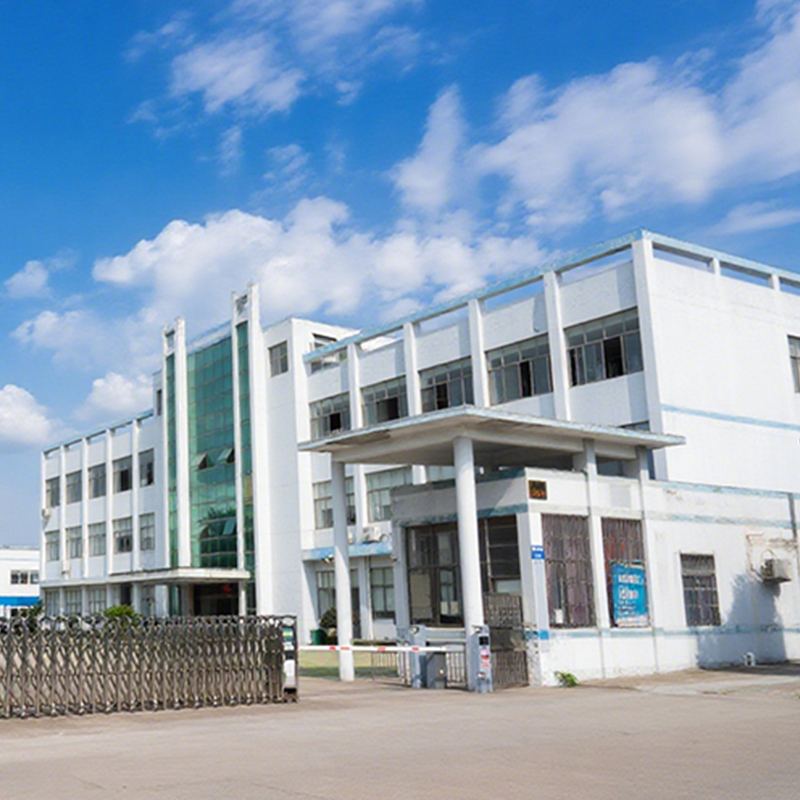
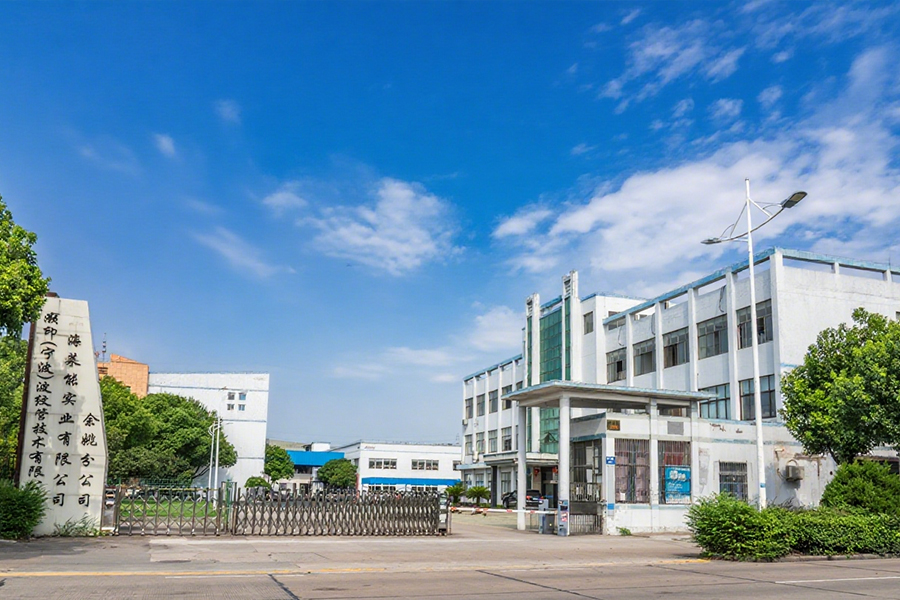
Haoyin (Ningbo) Bellows Technology Co., Ltd. designs and manufactures stainless steel bellows and flexible connection assemblies for plumbing, heating and gas applications. The facility sits on a 35 mu site with 18,000 square meters of standardized workshop space dedicated to forming, braiding, fitting assembly and finishing.
- 4M+ Meters of stainless steel corrugated pipe produced per year
- 120+ Employees across forming, braiding and assembly lines
- 20+ Dedicated technical personnel supporting design and testing
- 18,000 Square meters of standardized workshop space
The research and development team draws on backgrounds in materials engineering, fluid mechanics and mechanical manufacturing, working across structural design, process development, test verification and project management. The center is equipped with metal fatigue testing benches, air tightness testers and salt spray test machines, supporting in house development of new bellows specifications, interfaces and end use configurations for scenarios ranging from residential supply lines to industrial HVAC and building heating distribution.
Maintenance Tips to Extend Service Life
- Inspect visible flexible water connector assemblies for surface rust, kinking or bulging at least once a year.
- Avoid painting over a braided water hose, since trapped moisture under paint can accelerate surface corrosion.
- Keep assemblies away from sharp cabinet edges or shelf brackets that could abrade the outer braid over time.
- Replace a water supply hose that shows any bulging, since this usually signals a liner that has begun to separate from the braid reinforcement.
- Support long horizontal runs at intervals so the water liner is not carrying its own weight unsupported over a long span.
Frequently Asked Questions
-
Q1. What is a flexible plumbing pipe
A flexible plumbing pipe is a corrugated metal or composite tube, often reinforced with a braided outer sleeve, built to connect two plumbing points while bending to absorb movement and minor misalignment.
-
Q2. What is a flexible water liner
The water liner is the corrugated inner core of the assembly that carries the actual water flow, most commonly formed from 304 or 316L stainless steel strip.
-
Q3. What is a braided water hose
A braided water hose pairs a corrugated liner with an outer layer of woven stainless steel wire that reinforces the assembly against working pressure while still allowing it to bend.
-
Q4. What is a water supply hose
A water supply hose is the general term for a flexible connector run between a shutoff valve or supply line and a fixture such as a faucet, toilet or appliance.
-
Q5. How do you install a flexible plumbing pipe
Shut off the water supply, thread the fitting on by hand until snug, then tighten a controlled additional quarter to half turn with a wrench while keeping the body of the pipe free of kinks.
-
Q6. How tight should a water supply hose be
The connection should be snug by hand and then advanced a small additional turn with a wrench, enough to seat the washer without forcing the threads or deforming the nut.
-
Q7. Can flexible hoses be bent
Yes, that is their core function, though each assembly has a minimum bend radius, and folding it sharper than that radius can stress the liner and shorten its service life.
-
Q8. Can flexible water hoses be extended
Extending a run usually means replacing the assembly with a longer one rather than joining two hoses together, since a mid run coupling adds another potential leak point.
-
Q9. What production scale sits behind these assemblies
Facilities producing this category at scale, such as Haoyin, commonly run continuous forming and braiding lines capable of several million meters of corrugated pipe output per year.
-
Q10. Does the technical team stay involved after the design stage
In a well organized manufacturing operation, technical personnel remain involved from structural design through testing and production support rather than stepping away once the drawing is finished.